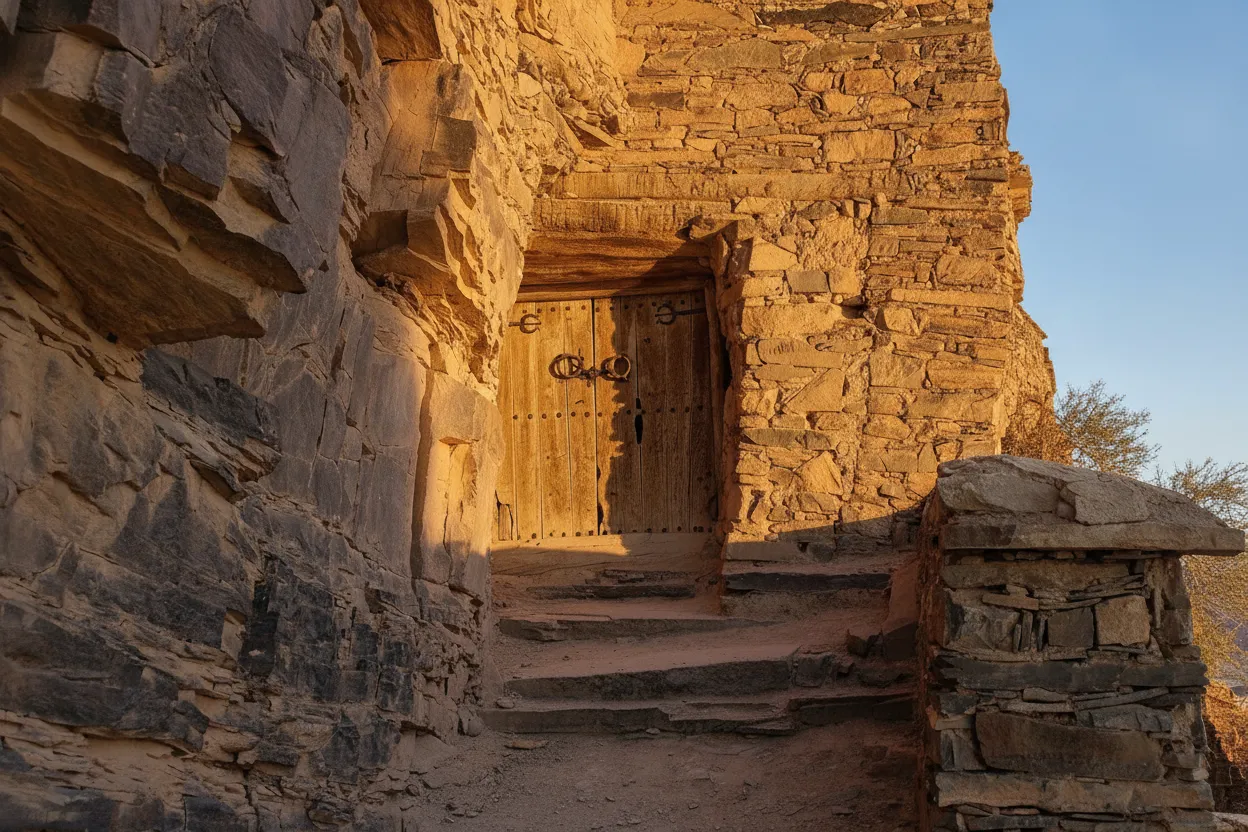
Imagine a fortress, not built for kings or conquerors, but for an entire community. Picture it perched precariously atop a jagged peak, blending so seamlessly with the rock face that it almost seems to have grown organically from the Anti-Atlas mountains themselves. This isn't a forgotten royal palace, but something far more extraordinary: a communal pantry, a stronghold of survival, built by ingenious Berber communities to outlast sieges for centuries. Welcome, my friends, to Agadir Id Aïssa in Amtoudi, Morocco – a place that will redefine your understanding of ancient architecture and human resilience.
Agadir Id Aïssa: A Fortress of Community, Not Kings
Most travelers to Morocco flock to the bustling souks of Marrakech, the blue streets of Chefchaouen, or the golden dunes of the Sahara. But for those with a spirit of adventure and a keen eye for the truly unique, the remote Souss-Massa region holds a secret that will capture your imagination. Agadir Id Aïssa isn't just a historical site; it's a living echo of a forgotten era, a testament to the ingenuity and communal spirit of the Amazigh (Berber) people. These incredible structures, known locally as ‘agadiers’ (plural of 'agadir,' which also means 'fortress' in Tamazight), are multi-story fortified granaries, some dating back over 800 years. They served as vital repositories for the community's most precious possessions – grain, olive oil, documents, and even jewelry – and, crucially, as a last refuge for the people themselves during times of conflict.
What makes Agadir Id Aïssa so utterly special is its profound connection to the landscape and the community it served. Unlike the grand, imposing castles of Europe, Agadir Id Aïssa is built with a deep respect for its environment, using local stone and traditional techniques that make it appear as an extension of the mountain itself. Its strategic location on a towering natural rock formation offered unparalleled defensive advantages, allowing a small number of defenders to repel much larger attacking forces. This wasn't merely a storage facility; it was the beating heart of communal survival, a symbol of unity and a safeguard against the harsh realities of a challenging desert environment.

Echoes of the Past: The Ingenious Agadiers
To truly appreciate Agadir Id Aïssa, you need to understand the historical context that gave birth to these magnificent structures. For centuries, the Anti-Atlas mountains were a crossroads of trade routes and, unfortunately, also a battleground for rival tribes and opportunistic bandits. Life was precarious, and communities needed robust solutions to protect their livelihoods. The agadiers emerged as the perfect answer.
These fortified granaries weren't simple barns. They were sophisticated architectural marvels, often incorporating intricate defensive features such as narrow, winding passages, low doorways, and strategically placed loopholes for observation and defense. Each family within the community typically had its own designated cell or room within the agadier, a small, secure space where they could store their most valuable assets. The sheer scale and complexity of Agadir Id Aïssa, with its numerous levels and hundreds of individual compartments, speak volumes about the collective effort and advanced planning involved in its construction and maintenance.
The system was governed by strict rules, often overseen by a council of elders, ensuring fairness and security for all. Access was tightly controlled, and the granaries were considered sacred spaces, reflecting their importance to the community's very existence. Walking through the silent corridors of Agadir Id Aïssa today, you can almost hear the whispers of ancient tales, feel the weight of history in the stone, and sense the profound trust and interdependence that bound these communities together. It’s a living museum of Berber ingenuity, a physical manifestation of a society that valued communal survival above all else.
Exploring Agadir Id Aïssa: What Awaits You
Your visit to Agadir Id Aïssa is more than just a sightseeing trip; it’s an immersive journey back in time. As you approach the site, the sheer scale of the fortress against the dramatic backdrop of the Anti-Atlas mountains is breathtaking. The structure seems to grow out of the very rock it rests upon, a testament to its ancient origins and the skill of its builders.
A local guide, often a descendant of the very communities who once used the agadier, will be invaluable. They can unlock the secrets of the fortress, pointing out the various defensive mechanisms, the individual storage cells, and the communal areas. You'll learn about the traditional methods of grain storage, the ingenious ventilation systems, and the social structures that governed life within these walls. The views from the upper levels are simply spectacular, offering panoramic vistas of the surrounding valleys and mountains – a stark reminder of the isolation and beauty of this remote region.
While some parts of the agadier may be in various states of preservation, the core structure remains remarkably intact, allowing you to wander through its labyrinthine passages and imagine life within its fortified embrace. It's a place that sparks wonder and contemplation, prompting you to reflect on human resilience, architectural innovation, and the enduring spirit of community in the face of adversity.

Planning Your Expedition: Practical Tips for Amtoudi
Visiting Agadir Id Aïssa is an adventure, and a little planning goes a long way to make it truly memorable. Due to its remote location, this isn't a destination you can simply stumble upon.
Getting There: Agadir Id Aïssa is located near the village of Amtoudi, in the Anti-Atlas mountains, south of Tiznit. The journey typically requires a 4x4 vehicle, especially if you plan to venture off the main roads. You can arrange a private driver or join an organized tour from Tiznit or even Agadir city. The drive itself is part of the experience, winding through stunning desert landscapes and traditional Berber villages.
Best Time to Visit: The Anti-Atlas can experience extreme temperatures. Spring (March-May) and Autumn (September-November) offer the most pleasant weather, with warm days and cool nights, ideal for exploring. Summers can be scorching, and winters can be surprisingly cold, especially at night.
Local Guides: It's highly recommended to hire a local guide from Amtoudi. Not only will they provide invaluable insights into the history and culture of the agadier, but they also help support the local community. They can also assist with navigating the site and understanding its nuances.

What to Bring: Comfortable walking shoes are a must, as you'll be navigating uneven terrain. Sun protection (hat, sunscreen, sunglasses) is essential, as is plenty of water. A camera is, of course, a given, but also bring an open mind and a respectful attitude towards this culturally significant site.
Accommodation: While there are no luxury resorts right at Agadir Id Aïssa, you can find charming guesthouses (gîtes d'étape) in Amtoudi and nearby villages, offering an authentic Berber hospitality experience. Alternatively, Tiznit, about an hour and a half away, offers more hotel options and can serve as a convenient base for day trips.
Agadir Id Aïssa is more than just a destination; it's a journey into the soul of Morocco's ancient past, a powerful reminder of human ingenuity, resilience, and the enduring strength of community. If you're seeking an experience that transcends the typical tourist trail and leaves you with a profound sense of wonder, then pack your bags and set your sights on this magnificent hidden gem in the Anti-Atlas mountains. You won't regret it.
Essential Travel Information
- Location Agadir Id Aïssa (Amtoudi), Morocco
- Best Time March-May and September-November (Spring & Autumn)
- Getting There Requires a 4x4 vehicle. Best accessed from Tiznit (approx. 1.5-hour drive) or Agadir (approx. 3-hour drive) with a private driver or organized tour.
- Airport Agadir–Al Massira Airport (AGA)
- Budget Mid-range (approx. $70-150 USD/day, including transport and guide for day trip)
- Language Arabic, Berber (Tamazight), French
Find Places to Stay Near Agadir Id Aïssa (Amtoudi)
Compare hotels, hostels, and unique stays in Morocco.
Search AccommodationTours & Experiences Near Agadir Id Aïssa (Amtoudi)
Book guided tours, day trips, and unique experiences.
Browse Tours