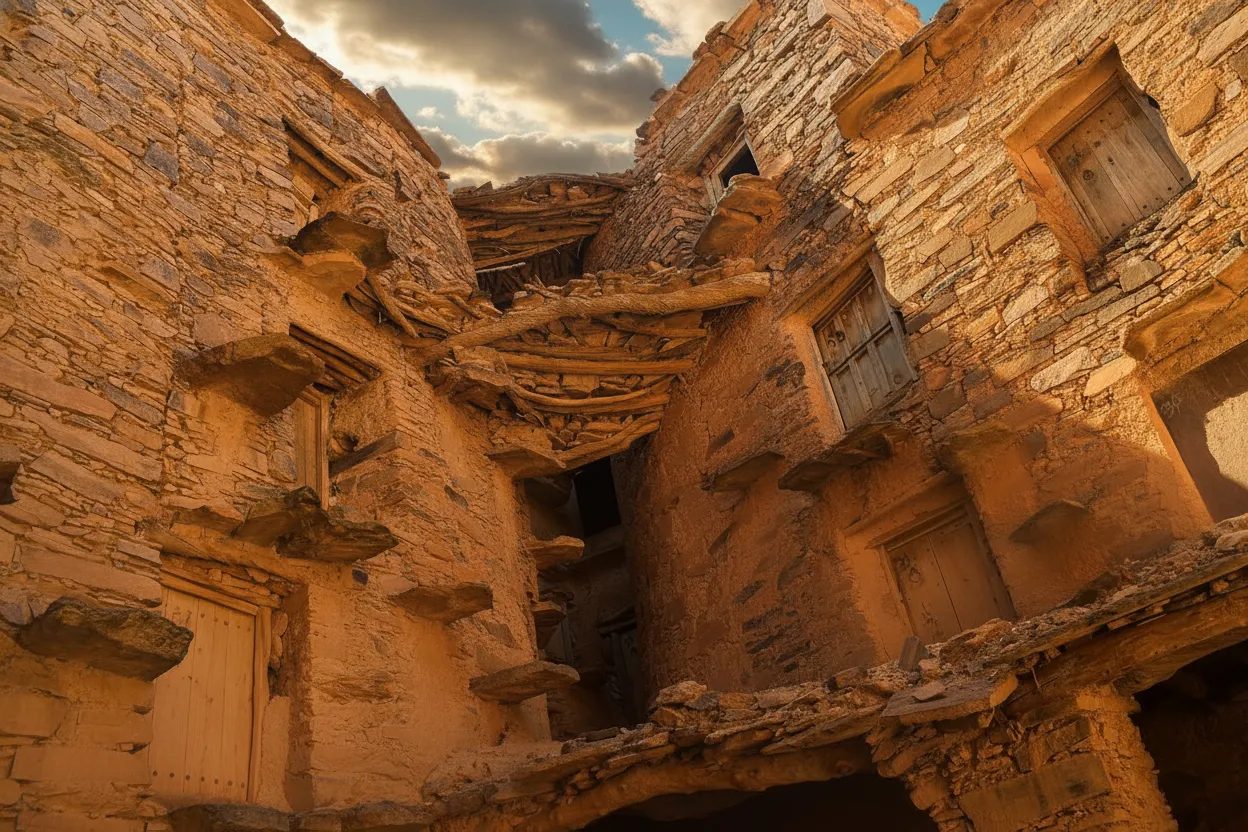
High in Morocco's rugged Anti-Atlas mountains, an ancient, towering fortress isn't just *on* a cliff, it's *part* of it, carved directly into the rock face like a giant, honeycomb hive. Imagine stumbling upon a place so perfectly integrated with its natural surroundings that it almost seems to breathe with the mountain itself. This isn't a scene from a fantasy novel; it's Agadir Tasguent, a breathtaking testament to human ingenuity and communal spirit, hidden away in a landscape that time seems to have forgotten. If you're yearning for an adventure that goes beyond the ordinary, a journey into the heart of Amazigh culture and history, then pack your bags – Agadir Tasguent is calling.
Discovering Agadir Tasguent: Morocco's Living Fortress
Trust me when I say, Agadir Tasguent is unlike anywhere you've ever been. It's not just a structure; it's a living echo of a bygone era, meticulously crafted by the Amazigh (Berber) people centuries ago. Nestled deep within the Souss-Massa region of the Anti-Atlas Mountains, this magnificent fortified granary stands as a silent sentinel, its multi-story edifice of stone and earth blending so seamlessly with the ochre rock face that it's almost camouflaged. From a distance, it appears as a natural extension of the cliff, a colossal, organic sculpture patiently carved by wind and time, yet every single chamber, every winding passage, speaks of deliberate human effort and profound foresight.
The very name "Agadir" (plural "igoudar") refers to these unique communal strongholds. They were far more than simple storage facilities; they were the beating heart of Amazigh communities, serving as a bank, a pantry, and a refuge all rolled into one. Here, families stored their most precious possessions – grains, olive oil, dried fruits, valuable documents, and even jewelry – in individual, locked chambers, secure from both natural elements and potential raids. Tasguent, in particular, is celebrated as one of the most impressive and best-preserved examples of these architectural marvels, offering an unparalleled window into the resilience and communal ingenuity of its creators.
A Glimpse into Amazigh History: The Legacy of the Agadirs
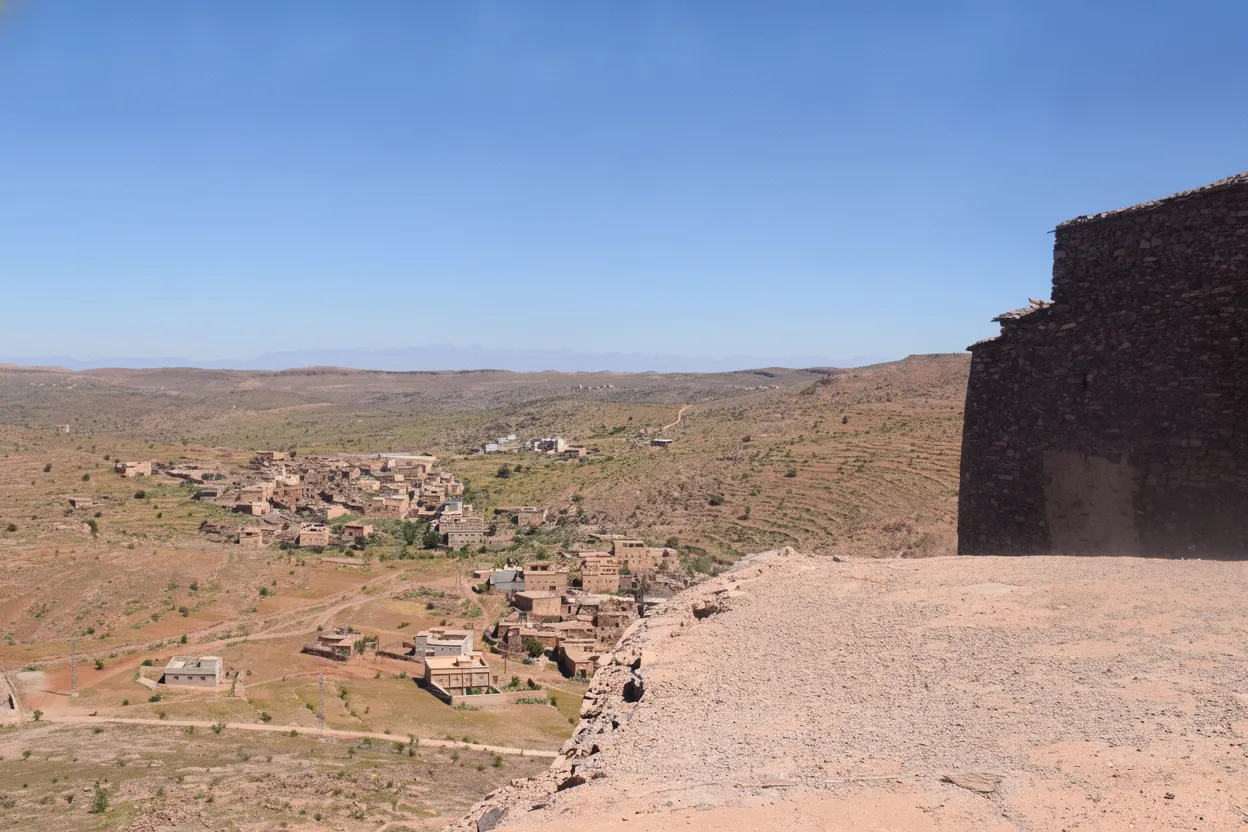
To truly appreciate Agadir Tasguent, you need to understand the historical context that gave birth to such structures. For centuries, the Amazigh tribes of the Anti-Atlas lived a semi-nomadic or agrarian lifestyle in a challenging, often unforgiving landscape. Security was paramount. In a world without centralized banking systems or robust governmental protection, the community itself had to devise solutions to safeguard its wealth and its very survival. The *agadir* was that solution.
These granaries were built on strategic, often inaccessible locations – high cliffs, remote hilltops – making them incredibly difficult for raiders to penetrate. The construction itself was a communal effort, drawing on generations of accumulated knowledge in dry-stone masonry and earthen architecture. Each family or clan would have their designated storage cell, often secured by intricate wooden locks, unique to each owner – a sort of ancient security key system! Beyond storage, the *agadir* also played a vital social role, fostering a sense of collective responsibility and mutual aid among the tribes. They were symbols of unity, resilience, and a deep connection to the land.
While many *igoudar* across Morocco have fallen into disrepair or been abandoned, Tasguent has, remarkably, withstood the test of time. Though its primary function as a granary has diminished with modern changes, its structure remains largely intact, a powerful monument to the architectural prowess and communal spirit of its builders. Walking through its ancient passages is to literally step into history, feeling the echoes of countless generations who sought safety and sustenance within its formidable walls.
Exploring Tasguent: A Journey Through Time and Stone
Your journey to Agadir Tasguent is an adventure in itself. The path leading to it is winding and narrow, designed to be easily defended, and as you approach, the sheer scale and ingenuity of the structure slowly reveal themselves. You'll likely need a local guide, not just for navigation but also to unlock the stories and nuances that only generations of local knowledge can provide. As you draw closer, the individual chambers, stacked upon each other like a giant, ancient puzzle, become clearer. The entrance, often a single, unassuming doorway, belies the labyrinthine world within.
Step inside, and you're immediately transported. The air is cool, carrying the scent of ancient earth and wood. You'll navigate narrow, dimly lit corridors, often requiring you to stoop, leading to multiple levels. Each chamber, or *ghorfa*, is a small, rectangular room, varying slightly in size, with sturdy wooden doors. Imagine the hustle and bustle of past centuries: families carefully stacking sacks of grain, women storing precious oils in clay jars, men securing their documents. The intricate wooden locks, often carved with symbolic designs, are fascinating to examine, each a miniature work of art and a testament to the artisan's skill.
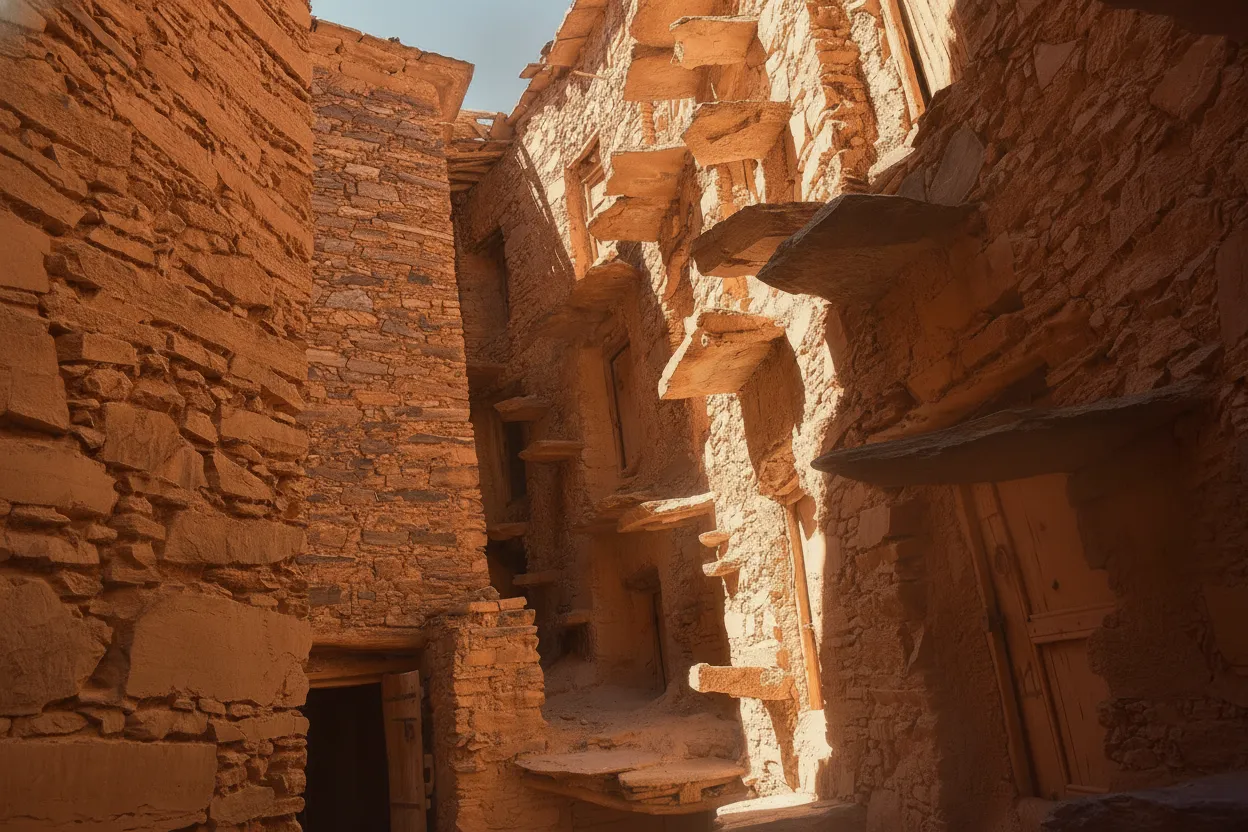
Ascending through the different levels, perhaps with the aid of ancient, worn steps or even ladders, you'll discover small windows or openings that offer breathtaking panoramic views of the surrounding Anti-Atlas landscape. The vast, rugged beauty of the mountains, dotted with argan trees and small villages, stretches out before you, providing a stark contrast to the enclosed intimacy of the granary. It’s a moment to pause, breathe in the crisp mountain air, and reflect on the incredible interplay between human life and this majestic environment. The sheer effort involved in building such a structure in this remote location is awe-inspiring.
Planning Your Expedition to Agadir Tasguent
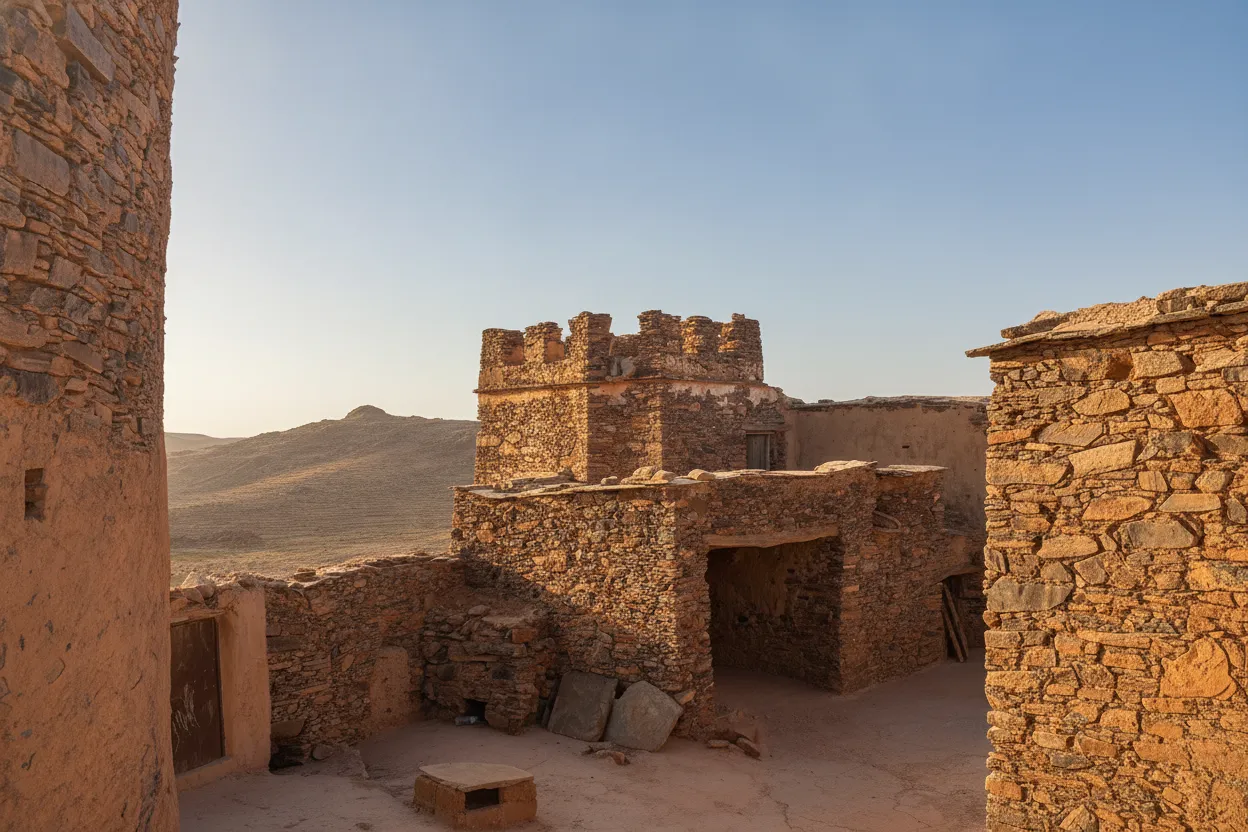
Visiting Agadir Tasguent is not a casual day trip; it's an expedition that requires a bit of planning, but the rewards are immense. This is truly off-the-beaten-path Morocco, offering an authentic experience far removed from the tourist throngs.
How to Get There: Agadir Tasguent is located in a remote part of the Anti-Atlas Mountains. The nearest major city is Agadir, but you'll likely travel via smaller towns like Tafraoute, which is a great base for exploring the region. A sturdy vehicle, preferably a 4x4, is highly recommended due to unpaved or rough mountain roads. Hiring a local driver or guide is almost essential, not just for navigation but also for cultural insights and to facilitate access to the granary, as some sections might be managed by local communities.
Best Time to Visit: Spring (March to May) and Autumn (September to November) offer the most pleasant weather for exploring. Summers can be intensely hot, and winters can be surprisingly cold, especially at night, with occasional rain.
What to Bring: Comfortable, sturdy walking shoes are a must. Bring plenty of water, sun protection (hat, sunscreen), and layers of clothing as temperatures can fluctuate. A good camera is essential for capturing the stunning landscapes and intricate details of the *agadir*. Snacks are also a good idea, as amenities are sparse.
Local Interaction: The local Amazigh communities are welcoming, but it's important to be respectful of their culture and traditions. Always ask permission before taking photos of people. Supporting local guides and small guesthouses contributes directly to the community.
Accommodation: You won't find hotels directly at Tasguent. Your best bet is to stay in a charming guesthouse (known as *auberges* or *riads*) in a nearby town like Tafraoute, which offers a range of options and is itself a fascinating place to explore.
Beyond Tasguent: Embracing the Anti-Atlas Spirit
Agadir Tasguent is more than just an ancient building; it's a profound cultural experience. It's a place that teaches you about resilience, community, and the deep connection between people and their environment. It’s a reminder that sometimes, the most extraordinary treasures are hidden in plain sight, waiting for the intrepid traveler to seek them out.
After your visit, take time to explore the wider Anti-Atlas region. Its dramatic landscapes, ancient rock carvings, vibrant argan groves, and the warm hospitality of its people offer endless opportunities for discovery. Agadir Tasguent isn't just a destination; it's a gateway to understanding the enduring spirit of Morocco and its Amazigh heritage. So, if you're ready for an adventure that will stir your soul and leave an indelible mark on your memory, Agadir Tasguent awaits.
Essential Travel Information
- Location Agadir Tasguent, Morocco
- Best Time Spring (March-May) and Autumn (September-November)
- Getting There Requires a car, ideally 4x4, from cities like Tafraoute or Agadir, often with a local guide. It's deep in the Anti-Atlas Mountains.
- Airport Agadir Al Massira Airport (AGA)
- Budget Mid-range, approx. $50-100 USD/day (excluding major transport)
- Language Berber (Tamazight), Moroccan Arabic (Darija), French
Find Places to Stay Near Agadir Tasguent
Compare hotels, hostels, and unique stays in Morocco.
Search AccommodationTours & Experiences Near Agadir Tasguent
Book guided tours, day trips, and unique experiences.
Browse Tours