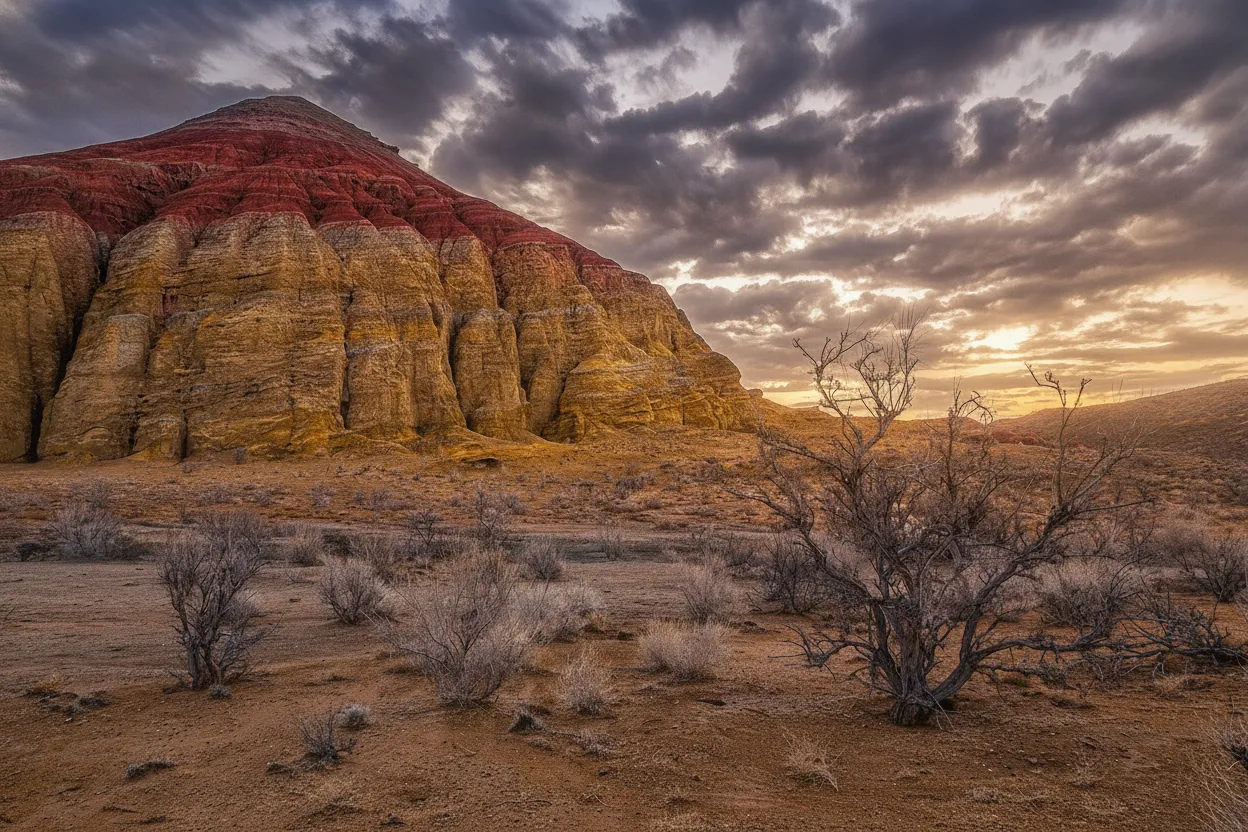
Imagine a Martian landscape of striped, painted mountains rising from a vast desert, a geological marvel so vibrant it feels like an alien world. This isn't a scene from a sci-fi movie; it's the breathtaking reality of the Aktau Mountains, a hidden gem nestled within Kazakhstan's remote Altyn-Emel National Park. If you've ever dreamt of stepping onto another planet without leaving Earth, pack your bags – the White Mountains of Aktau are calling.
For the intrepid traveler seeking wonders far beyond the beaten path, Kazakhstan offers a treasure trove of untouched beauty. And among its most spectacular secrets are the Aktau Mountains, a colossal canvas painted by nature herself. This isn't just a pretty view; it's a journey through millions of years of Earth's history, a place where vibrant geology meets ancient paleontology in a truly unforgettable spectacle.
What Makes the Aktau Mountains So Special?
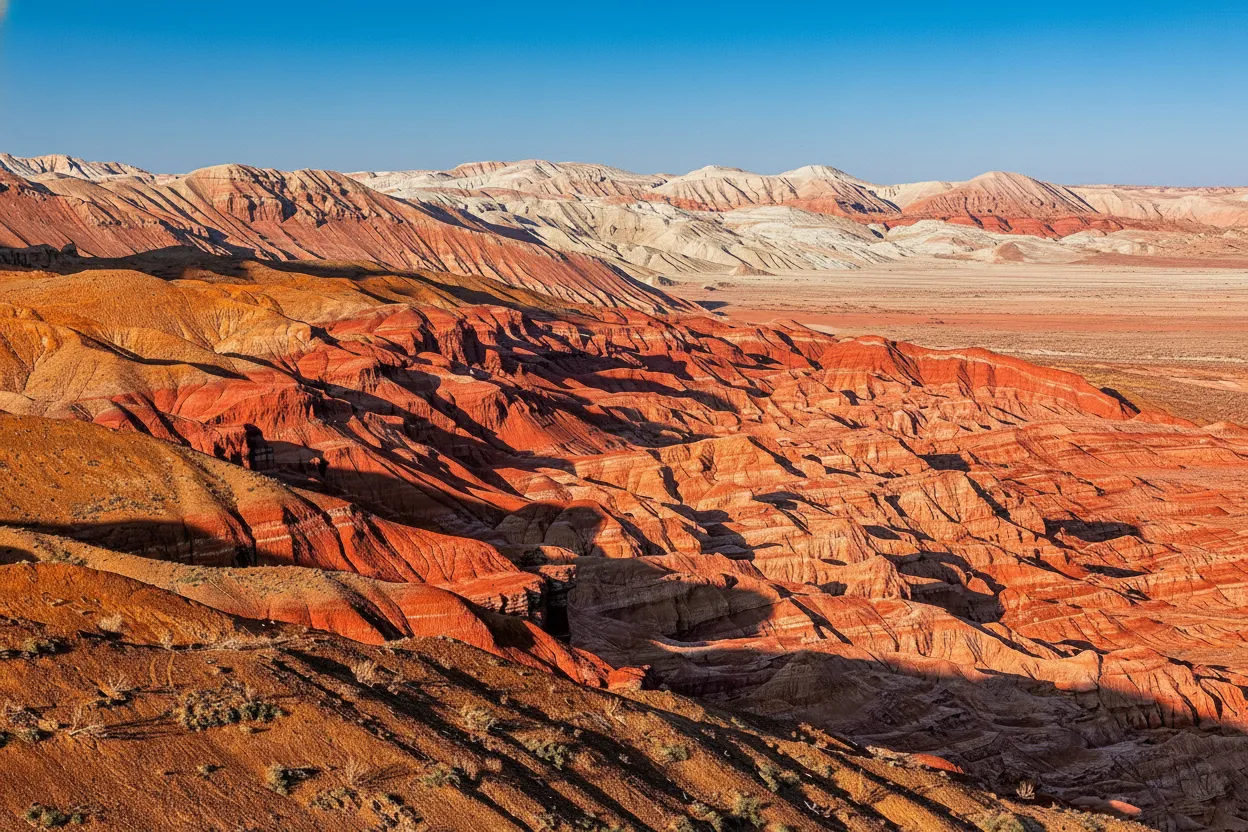
The Aktau Mountains are, quite simply, unlike anything you've ever seen. Picture towering formations, not of grey rock or verdant peaks, but of a kaleidoscopic array of colors: brilliant reds, stark whites, warm oranges, and deep purples, all layered meticulously like a geological wedding cake. These aren't just subtle variations; they are bold, striking bands that transform the landscape into a living, breathing artwork.
What gives them this incredible palette? It's a story told over millions of years. These mountains are essentially fossilized seafloor and ancient volcanic ash. Imagine a time when this arid desert was covered by a vast inland sea, teeming with life. Over eons, layers of marine sediments, volcanic ash from distant eruptions, and various minerals were laid down, compressed, and uplifted. The different minerals and organic compounds present in each layer reacted to create the distinct hues we see today. The result is a 'moonscape' that feels both ancient and otherworldly, a silent testament to the dynamic forces that shaped our planet.
But the visual splendor is only part of the story. The Aktau Mountains are not just a feast for the eyes; they are a goldmine for paleontologists. Scattered throughout this surreal terrain are fossilized remains of ancient animals that once roamed this land or swam in its ancient seas. Mastodons, rhinos, crocodiles, turtles, and various plant species from the Miocene epoch (about 25 to 5 million years ago) have been unearthed here, making it a crucial site for understanding prehistoric life in Central Asia. Walking through these valleys, you're literally treading on a natural history museum floor, with the potential to spot a fossilized shell or bone just beneath your feet.
A Journey Through Geological Time: The Story of Aktau
To truly appreciate the Aktau Mountains, it helps to understand their epic backstory. Roughly 60 to 70 million years ago, during the Paleogene period, this region was part of the ancient Tethys Ocean. As the continents shifted and collided, the ocean retreated, leaving behind vast basins where sediments accumulated. Later, during the Miocene epoch, intense volcanic activity in the region spewed ash and other materials, which settled into these basins alongside marine and fluvial (river) sediments.
Over millions of years, these layers were compacted and solidified into rock. Then, powerful tectonic forces, driven by the collision of the Indian and Eurasian plates, began to uplift the landscape. The soft, multi-layered sedimentary rocks were folded, fractured, and exposed to the elements. Wind and water erosion, acting over millennia, then carved out the intricate canyons, ridges, and valleys we see today, revealing the stunning cross-sections of colored strata.
Each band of color tells a different chapter of this geological saga. The reds and oranges often indicate the presence of iron oxides, formed in oxygen-rich environments or from volcanic ash. The whites can point to chalky marine deposits or gypsum. The purples and greens might suggest different mineral compositions or the presence of organic matter. It's a living timeline, painted in rock, inviting you to decipher its secrets. And as you wander, the occasional glint of a fossilized bone or a perfectly preserved leaf reminds you that this vibrant landscape was once home to an incredible array of life, now immortalized in stone.
Exploring the Aktau Mountains: What to See and Do
Visiting the Aktau Mountains is an immersive experience. The journey typically begins from the small village of Baschi, the administrative center of Altyn-Emel National Park. From there, it's a drive into the heart of the park, where the landscape slowly transforms from flat steppe into the undulating, colorful terrain of Aktau.
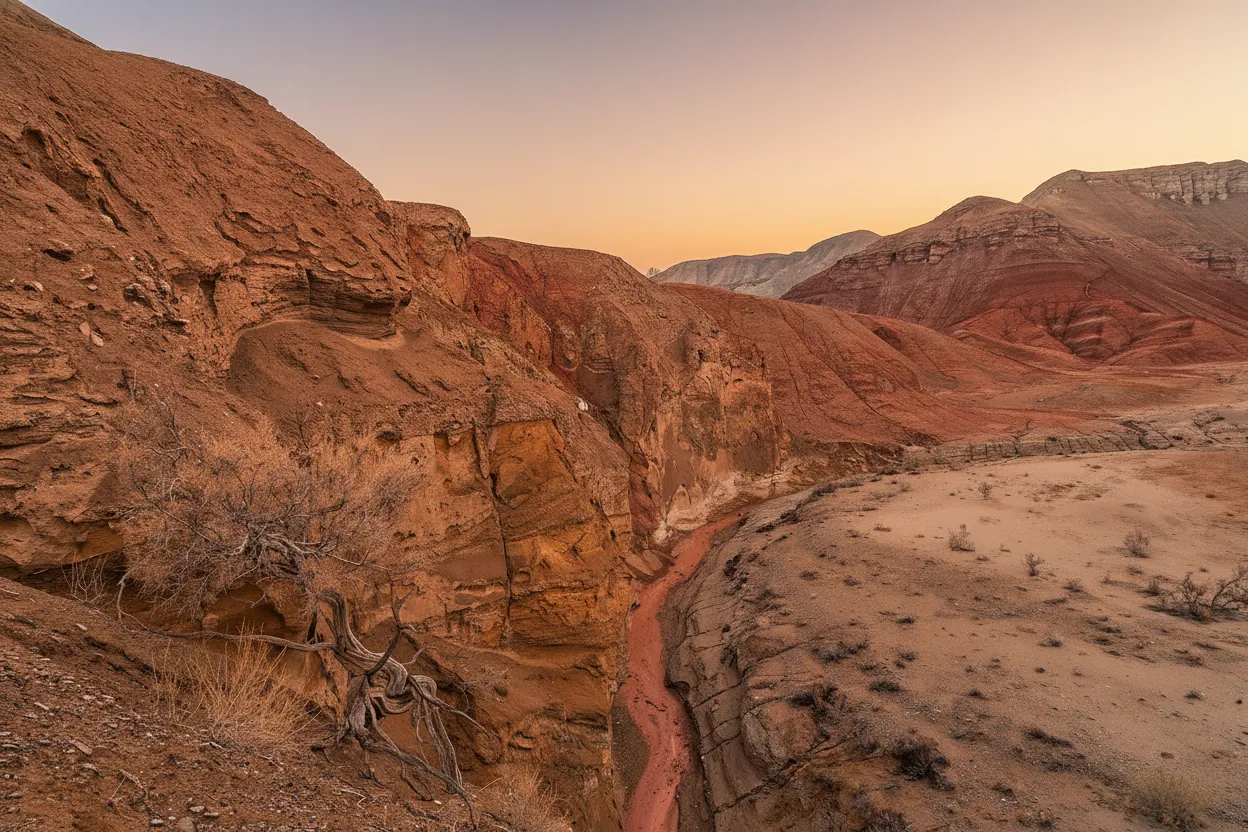
Once you arrive, prepare to be awestruck. The best way to explore is on foot. There are no marked trails in the traditional sense, but you can wander through the numerous dry riverbeds and valleys that snake between the towering formations. Each turn reveals a new vista, a different combination of colors, and a fresh perspective on the sheer scale of this natural wonder. Photography enthusiasts will be in paradise, with endless opportunities to capture the dramatic light and shadow play on the striped peaks, especially during sunrise and sunset when the colors seem to glow with an inner fire.
You can spend hours simply hiking, marveling at the intricate patterns, and searching for fossils. While it's tempting to pick up anything that looks interesting, remember that this is a protected national park, and removing fossils or disturbing the environment is strictly prohibited. It's best to observe, photograph, and leave everything as you found it. The feeling of solitude here is profound. With the vastness of the park stretching around you, and only the wind as your companion, you truly feel connected to the raw power of nature.
While the Aktau Mountains are the star, Altyn-Emel National Park offers other incredible sights that make a multi-day visit highly recommended. Don't miss the famous Singing Dunes, a massive barchan dune that emits a haunting, organ-like hum when the wind blows just right. The Katutau Mountains, a collection of dramatic red volcanic formations, offer another striking contrast to Aktau's sedimentary beauty. Combining these destinations into one trip provides a comprehensive taste of Kazakhstan's diverse and stunning landscapes.
Practical Tips for Your Aktau Adventure
Venturing into such a remote and wild place requires some planning. Here’s what you need to know to make your trip safe and enjoyable:
Best Time to Visit: Spring (April-May) and Autumn (September-October) are ideal. Summers (June-August) can be scorching hot, with temperatures often exceeding 40°C (104°F), while winters (November-March) bring freezing temperatures and snow, making access difficult. The shoulder seasons offer pleasant temperatures for hiking and exploration.
Getting There: The Aktau Mountains are located within Altyn-Emel National Park, about 250-300 km northeast of Almaty. The most practical way to reach the park and explore its interior is by hiring a 4x4 vehicle with an experienced driver and guide from Almaty. The roads within the park are unpaved and can be challenging. You'll also need to obtain a permit to enter the national park, which your tour operator or guide can arrange.
What to Pack: Essential items include plenty of water (there are no shops or facilities within the park), high-SPF sunscreen, a wide-brimmed hat, sunglasses, sturdy hiking boots, and layers of clothing (temperatures can fluctuate significantly between day and night). Don't forget a good camera with extra batteries and plenty of memory!
Accommodation: The most common option is to stay in guesthouses in the park's administrative village of Baschi. These are basic but comfortable, offering a glimpse into local life. Some adventurous travelers might consider camping, but this requires special permission from the park authorities and proper gear for desert conditions.
Guided Tours: While independent travel is possible for experienced adventurers, hiring a local guide is highly recommended. They possess invaluable knowledge of the terrain, history, and ecology, and can help with permits, navigation, and ensuring your safety in this remote environment.
Respect the Environment: Altyn-Emel is a protected national park. Practice Leave No Trace principles: pack out everything you pack in, stay on designated routes (where applicable), and do not disturb wildlife or geological formations. Leave the fossils for future generations to discover and study.
Why Aktau Should Be Your Next Adventure
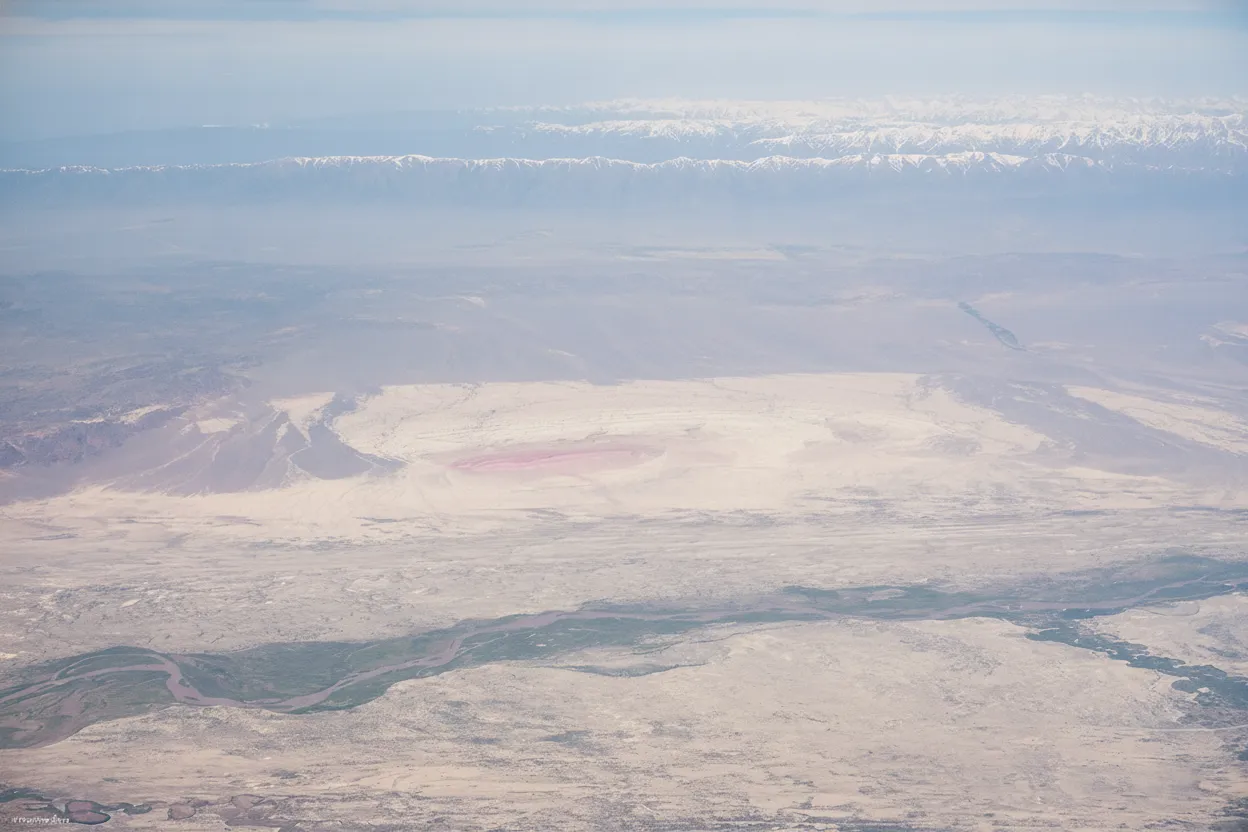
The Aktau Mountains are more than just a destination; they are an experience that will challenge your perceptions of natural beauty and leave an indelible mark on your soul. They are a testament to Earth's incredible artistry, a paleontological playground, and a spiritual sanctuary for those who seek solitude and wonder. If you're yearning for an adventure that transcends the ordinary, one that takes you to a place truly off the map and into the heart of geological marvel, then the White Mountains of Aktau in Kazakhstan await. Start planning your journey to this alien landscape – it's an adventure you'll recount for years to come.
Essential Travel Information
- Location Aktau Mountains (White Mountains of Aktau), Kazakhstan
- Best Time Spring (April-May) and Autumn (September-October)
- Getting There From Almaty, hire a 4x4 vehicle with a driver/guide to Altyn-Emel National Park. Park permits are required and usually arranged by tour operators.
- Airport Almaty International Airport (ALA)
- Budget Mid-range (approx. $100-200 USD per day including guide, transport, park fees, basic accommodation, and food)
- Language Kazakh, Russian
Find Places to Stay Near Aktau Mountains (White Mountains of Aktau)
Compare hotels, hostels, and unique stays in Kazakhstan.
Search AccommodationTours & Experiences Near Aktau Mountains (White Mountains of Aktau)
Book guided tours, day trips, and unique experiences.
Browse Tours