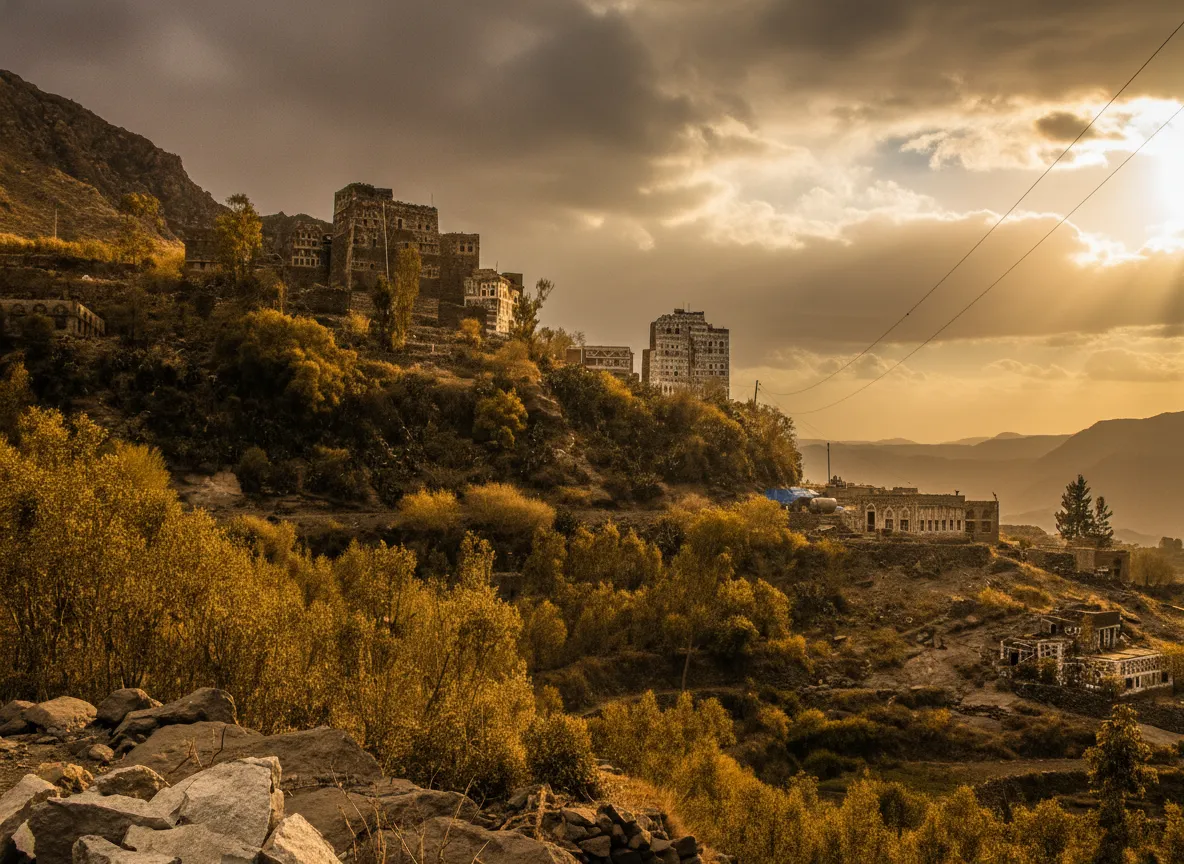
Perched precariously on a sheer cliff face in Yemen's rugged Haraz Mountains, a sight awaits that seems to defy gravity itself. This isn't just a village; it's an ancient, living sculpture, a medieval stone settlement so seamlessly integrated into the towering rock that it appears to be an organic extension of the mountain. Welcome to Al-Hajjarah, a place where human ingenuity and nature's grandeur converge in a breathtaking display of resilience and architectural mastery. If you've ever dreamt of stepping into a real-life fantasy, where history whispers from every stone and the views stretch to infinity, then prepare to be utterly captivated by the gravity-defying wonder of Al-Hajjarah.
Imagine a place where homes are not merely built *on* the landscape, but *from* it and *into* it. For centuries, the inhabitants of Al-Hajjarah have done just that, carving out a vibrant existence from the formidable rock walls of their mountain home. This isn't just a settlement; it's a fortress, a testament to human spirit, and a vivid window into an untouched architectural past. Every multi-story dwelling, every narrow alleyway, every defensive wall tells a story of survival, community, and an unbreakable bond with one of the most dramatic landscapes on Earth. It's more than a destination; it's an experience that redefines what you thought possible.
Al-Hajjarah: Where Architecture Meets the Abyss
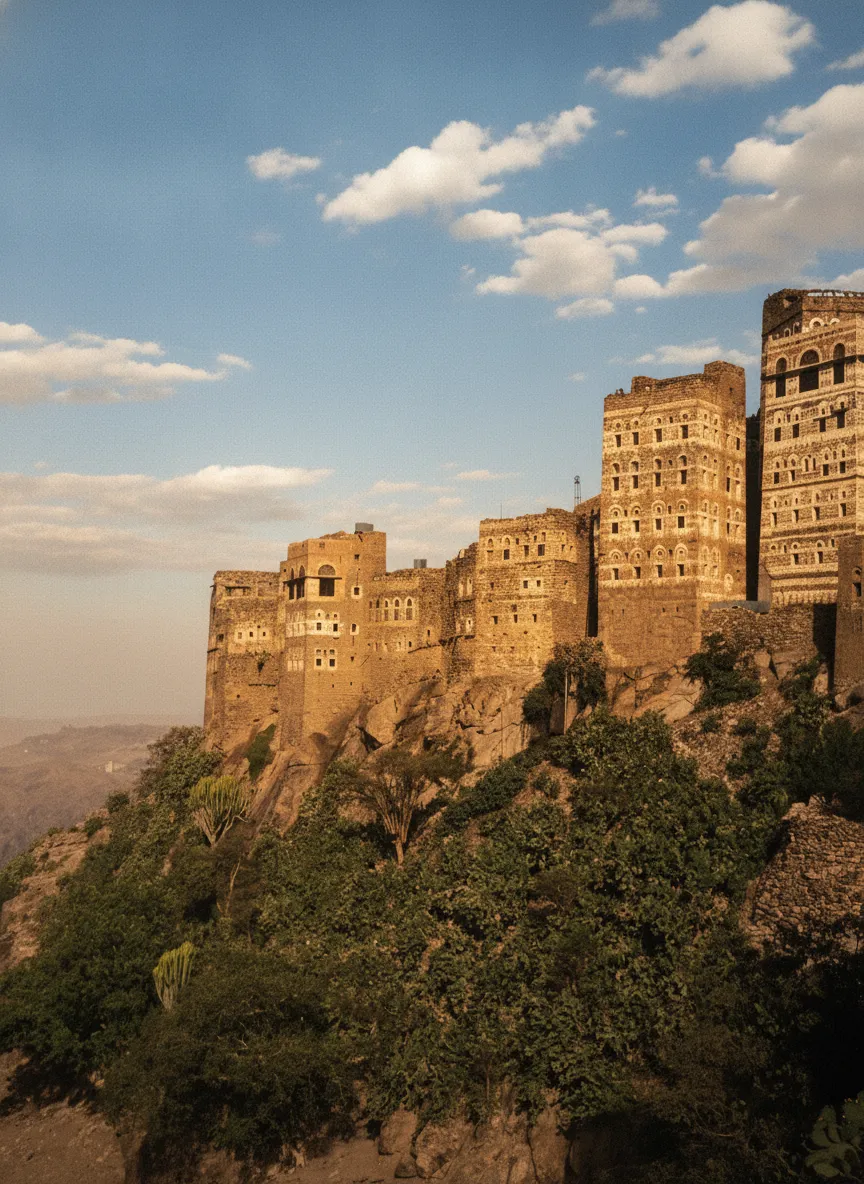
What makes Al-Hajjarah truly special isn't just its staggering beauty, but the sheer audacity of its existence. This isn't a modern feat of engineering; this is a testament to centuries of traditional knowledge, passed down through generations. The village's distinctive architecture, often referred to as 'mud-brick skyscrapers' or 'stone castles,' is a direct response to its environment. Built directly into and atop the formidable rock walls of the Haraz Mountains, the homes appear to grow out of the mountain itself. Stone foundations are often indistinguishable from the natural rock, leading up to meticulously crafted multi-story houses with intricate patterns and often whitewashed upper floors that gleam in the Yemeni sun.
This fortress village was strategically designed for defense, its position offering unparalleled views of approaching threats across the valleys below. Its narrow, winding paths, some barely wide enough for a single person, are not just thoroughfares but also part of its protective labyrinth. Walking through Al-Hajjarah is like navigating an open-air museum, where every turn reveals another stunning vista or another fascinating detail of its ancient construction. The air itself feels ancient, carrying the scent of millennia of human endeavor and the quiet dignity of a people who have mastered living in harmony with an unforgiving yet stunning environment.
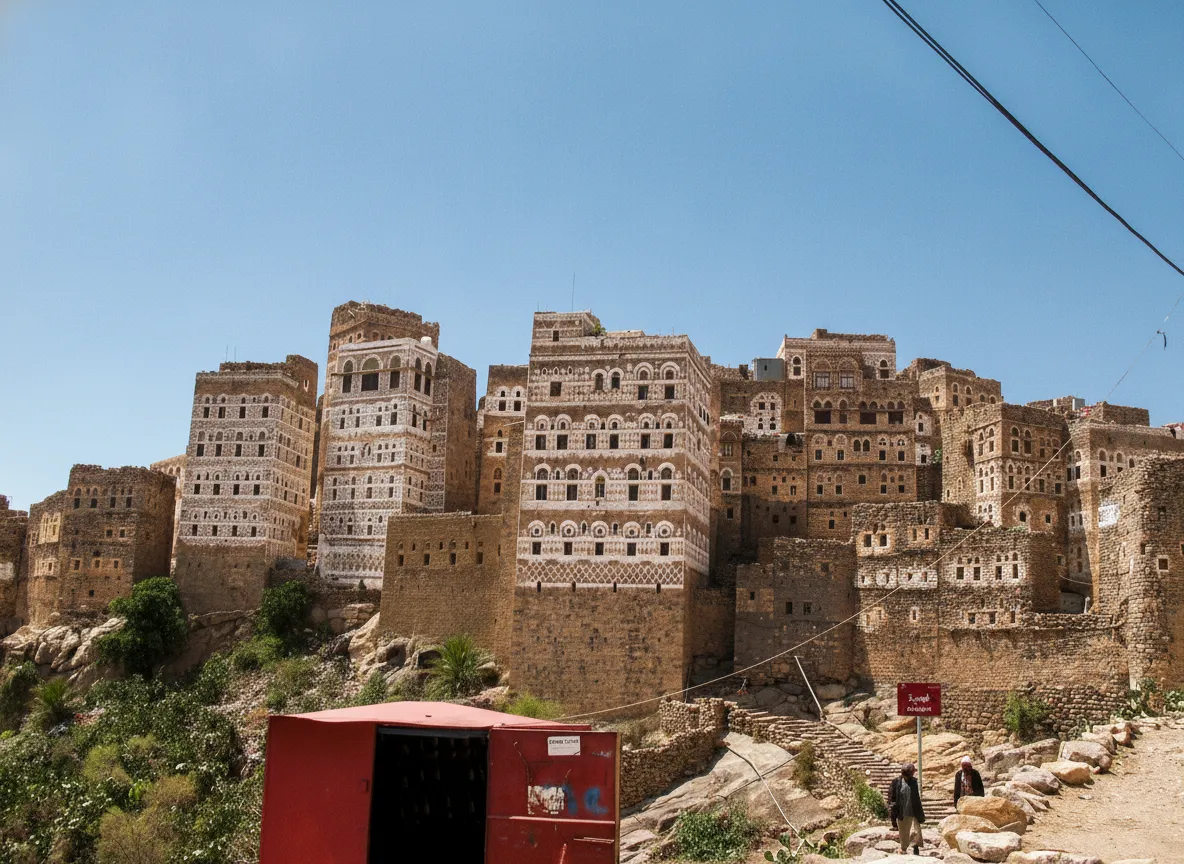
The ingenuity extends beyond mere construction. The villagers developed sophisticated water collection systems, often channeling rainwater into cisterns carved directly into the rock. Agricultural terraces cling to the slopes below the village, transforming the otherwise barren landscape into fertile ground for coffee, qat, and other crops. This self-sustaining ecosystem is a powerful reminder of how communities once thrived in isolation, relying on their wits and the resources at hand. Al-Hajjarah is not just a collection of buildings; it's a living, breathing example of human adaptability and an enduring cultural heritage.
A Glimpse into the Past: History and Heritage
The history of Al-Hajjarah is as layered as its multi-storied homes. While its exact origins are debated, the village is believed to date back to at least the 12th century, flourishing during the Sulayhid dynasty. It served as a vital strategic stronghold along ancient trade routes that snaked through the rugged Haraz Mountains, connecting the Yemeni highlands with the Red Sea coast. Its formidable defenses made it an impregnable fortress, protecting its inhabitants and the precious goods that passed through its domain.
Throughout the centuries, Al-Hajjarah witnessed countless skirmishes and sieges, yet it stood firm, a testament to its strategic location and the resilience of its people. Its architecture reflects this martial past, with thick stone walls, small, high windows, and commanding watchtowers. The village's name itself, "Al-Hajjarah," means "the stony place" or "the place of stone," a fitting description for a settlement so intrinsically linked to its geological foundations. The skills required to build such a village – quarrying massive stones, hauling them up steep inclines, and meticulously fitting them together without mortar in many older sections – speak volumes about the communal effort and architectural prowess of its early inhabitants.
Beyond its military significance, Al-Hajjarah also became a center for learning and culture, a beacon in the remote mountains. Scholars and artisans found refuge and inspiration within its walls, contributing to the rich tapestry of Yemeni heritage. Today, walking through its ancient lanes, you can almost hear the echoes of merchants haggling, scholars debating, and families going about their daily lives, much as they have for hundreds of years. It’s a place where time feels suspended, offering a tangible connection to a storied past that continues to shape the present.
Exploring Al-Hajjarah: What You'll See and Experience
A visit to Al-Hajjarah is an immersive journey into another era. Your exploration will likely begin with the breathtaking approach, as the village slowly reveals itself, clinging impossibly to the cliff face, a truly unforgettable sight. Once inside, prepare to be charmed and challenged by its unique layout.
The village's heart is a labyrinth of narrow, winding alleys and staircases, often carved directly into the rock. These passages lead you past ancient homes, some still inhabited, others standing as silent sentinels of the past. Each house is a marvel of traditional Yemeni architecture, with lower levels often built from massive, rough-hewn stones, transitioning to more refined stonework and sometimes mud-brick on the upper floors. You'll notice the distinctive decorative patterns, often geometric or featuring crescent moons, meticulously carved into doorways and window frames.
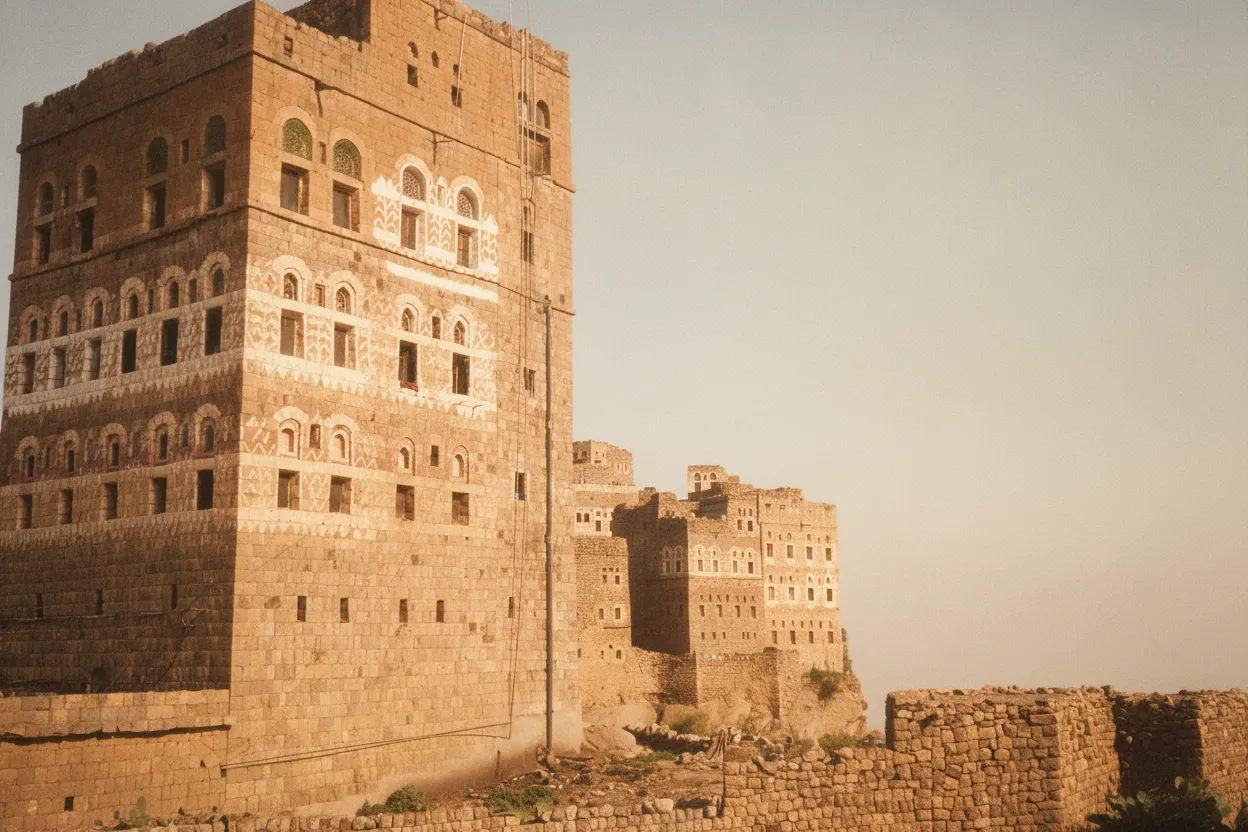
One of the most compelling aspects is the panoramic views. From various vantage points within the village, you'll be treated to sweeping vistas of the Haraz Mountains, a dramatic tapestry of peaks, valleys, and terraced fields. These views are particularly spectacular at sunrise or sunset, when the changing light paints the landscape in hues of gold, orange, and purple, making the ancient stones glow with an ethereal light. Don't miss the opportunity to visit the old mosque, often a simple yet elegant structure that serves as a spiritual heart of the community, or the traditional souk (market) where locals still gather to trade goods and share stories.
Engaging with the local community, known for their warmth and hospitality, is also a highlight. While the pace of life here is unhurried, it's rich in tradition. You might be offered a cup of Yemeni coffee, or invited to share a moment of quiet contemplation. The resilience and ingenuity of the people who call Al-Hajjarah home are just as captivating as the architecture itself. This isn't just a sightseeing trip; it's an opportunity to connect with a living heritage and witness a way of life that has endured for centuries against all odds.
Practical Tips for the Intrepid Traveler
Visiting Al-Hajjarah is an experience for the truly adventurous, and it requires careful planning and an understanding of the local context. Due to the current political situation in Yemen, travel to the region is extremely challenging and often advised against by many international governments. However, for those who dream of experiencing this wonder when conditions permit, here are some essential considerations:
Firstly, **safety and security** are paramount. Any future visit would necessitate close consultation with experienced, reputable local guides and security personnel. Independent travel is generally not recommended. A trusted tour operator specializing in the region would be essential for navigating the complex logistics and ensuring a safe journey.
**Getting there** typically involves traveling from Sana'a, the capital. Al-Hajjarah is located about a 2-3 hour drive west of Sana'a, deep within the Haraz Mountains. The roads are often winding, steep, and unpaved, making a sturdy 4x4 vehicle with an experienced driver absolutely necessary. The journey itself is an adventure, offering stunning mountain scenery at every turn.
**Accommodation** options within Al-Hajjarah are limited to basic guesthouses or homestays, offering a truly authentic, albeit rustic, experience. Alternatively, some visitors opt to stay in nearby larger towns within the Haraz region and make day trips to Al-Hajjarah. Be prepared for simple facilities and embrace the opportunity to live like a local.
**What to pack:** Comfortable, sturdy walking shoes are a must, as you'll be navigating uneven terrain, steep steps, and narrow alleys. Dress modestly, respecting local customs, which means covering shoulders and knees for both men and women. A headscarf for women is also advisable, especially when visiting religious sites. Bring sun protection (hat, sunglasses, sunscreen), a reusable water bottle, and a camera with extra batteries – you'll want to capture every angle of this incredible place.
**Cultural sensitivity:** The people of Al-Hajjarah are traditional and welcoming. Always ask for permission before taking photographs of individuals. Learn a few basic Arabic phrases – "Shukran" (thank you) and "Salam alaikum" (peace be upon you) go a long way. Be respectful of local customs, especially during prayer times, and engage with an open mind and heart. Remember, you are a guest in their ancient home.
Al-Hajjarah is more than just a destination; it's a profound journey into the heart of human resilience and architectural genius. It stands as a powerful symbol of Yemen's rich cultural heritage, a place that continues to inspire awe and wonder. For those fortunate enough to witness its gravity-defying beauty, it promises an experience that will forever be etched in memory, a testament to the extraordinary wonders that lie hidden in the world's most dramatic landscapes.
Essential Travel Information
- Location Al-Hajjarah, Yemen
- Best Time October to April (cooler, dry season)
- Getting There Approximately 2-3 hours drive west of Sana'a by 4x4 vehicle, through mountainous terrain.
- Airport Sana'a International Airport (SAH)
- Budget Mid-range (approx. $100-200+ per day, depending on guide/transport requirements)
- Language Arabic
Find Places to Stay Near Al-Hajjarah
Compare hotels, hostels, and unique stays in Yemen.
Search AccommodationTours & Experiences Near Al-Hajjarah
Book guided tours, day trips, and unique experiences.
Browse Tours