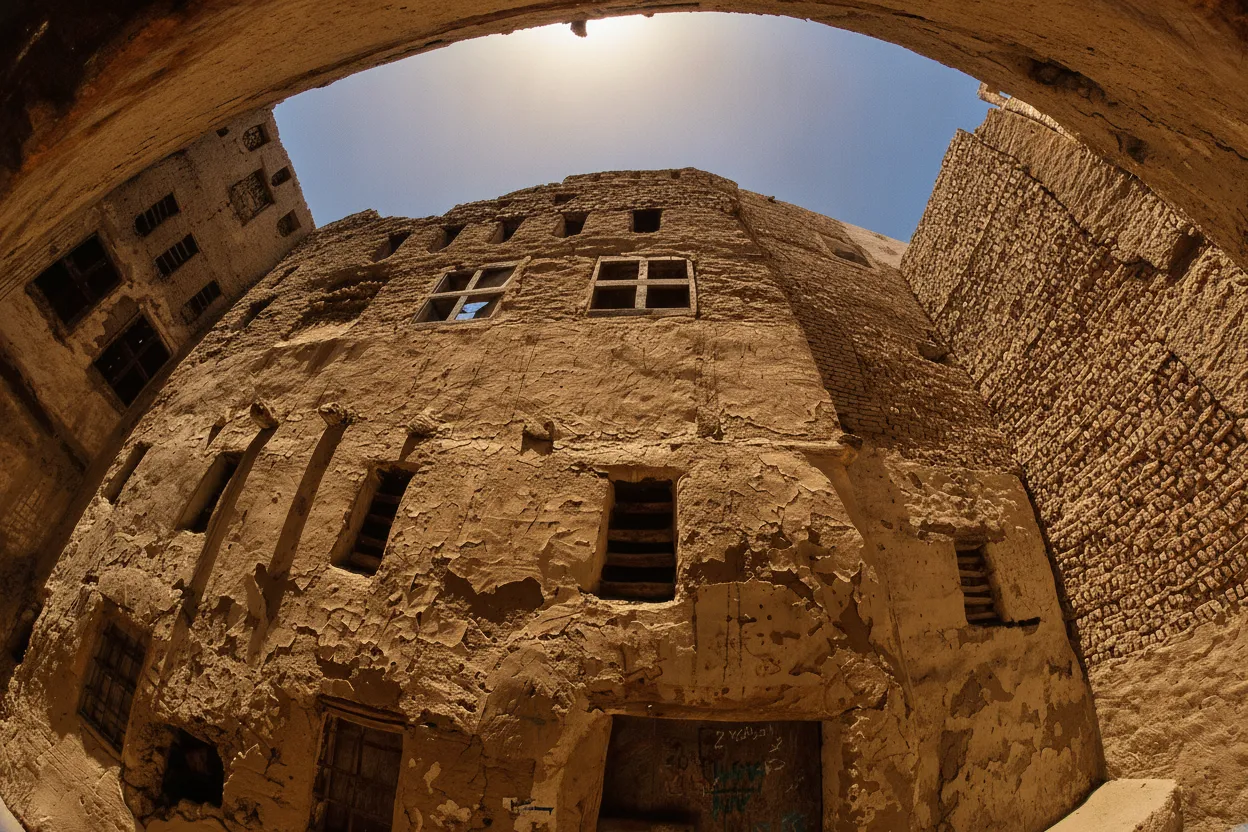
Step into a labyrinthine medieval city of mud and palm, where time has seemingly forgotten to move forward. Imagine a place where centuries-old traditions aren't just preserved in museums, but actively lived out within the very walls that witnessed their birth. This isn't a fantasy; it's Al-Qasr, a breathtaking, still-thriving testament to human ingenuity and resilience, tucked away in the heart of Egypt's remote Dakhla Oasis.
Forget the bustling bazaars of Cairo or the monumental temples of Luxor for a moment. Picture yourself venturing deep into Egypt's Western Desert, past endless dunes and stark plateaus, until a verdant splash of green appears on the horizon. This is Dakhla, one of Egypt’s most enchanting and least-visited oases, and within it lies a secret: a fortified mud-brick city that has defied the sands of time for nearly a millennium. Al-Qasr isn't just a historical site; it's a living, breathing community, offering an unparalleled glimpse into a way of life that has remained virtually unchanged since the Ayyubid era. If you’re yearning for an authentic, off-the-beaten-path adventure that connects you directly with history and a profound sense of place, then Al-Qasr is calling your name.
Al-Qasr: A Living Time Capsule in the Dakhla Oasis
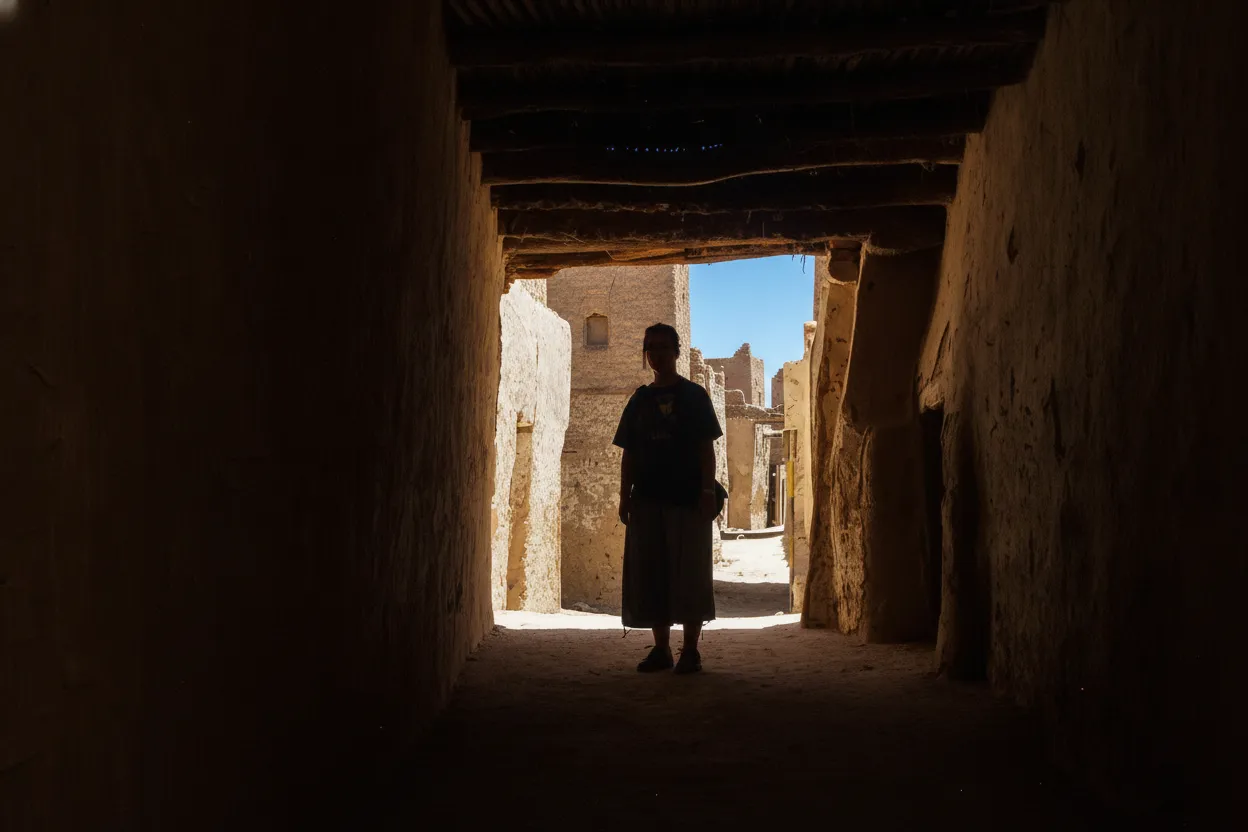
What makes Al-Qasr so utterly captivating isn't just its age, but its vitality. Unlike many ancient sites that stand as silent ruins, Al-Qasr pulsates with the rhythm of daily life. Its narrow, covered alleyways, ingeniously designed to provide shade and channel cooling breezes, still echo with the chatter of residents, the braying of donkeys, and the distant call to prayer from its ancient minaret. Walking through its streets feels less like touring a museum and more like stepping onto a film set from a bygone era – except it's all real.
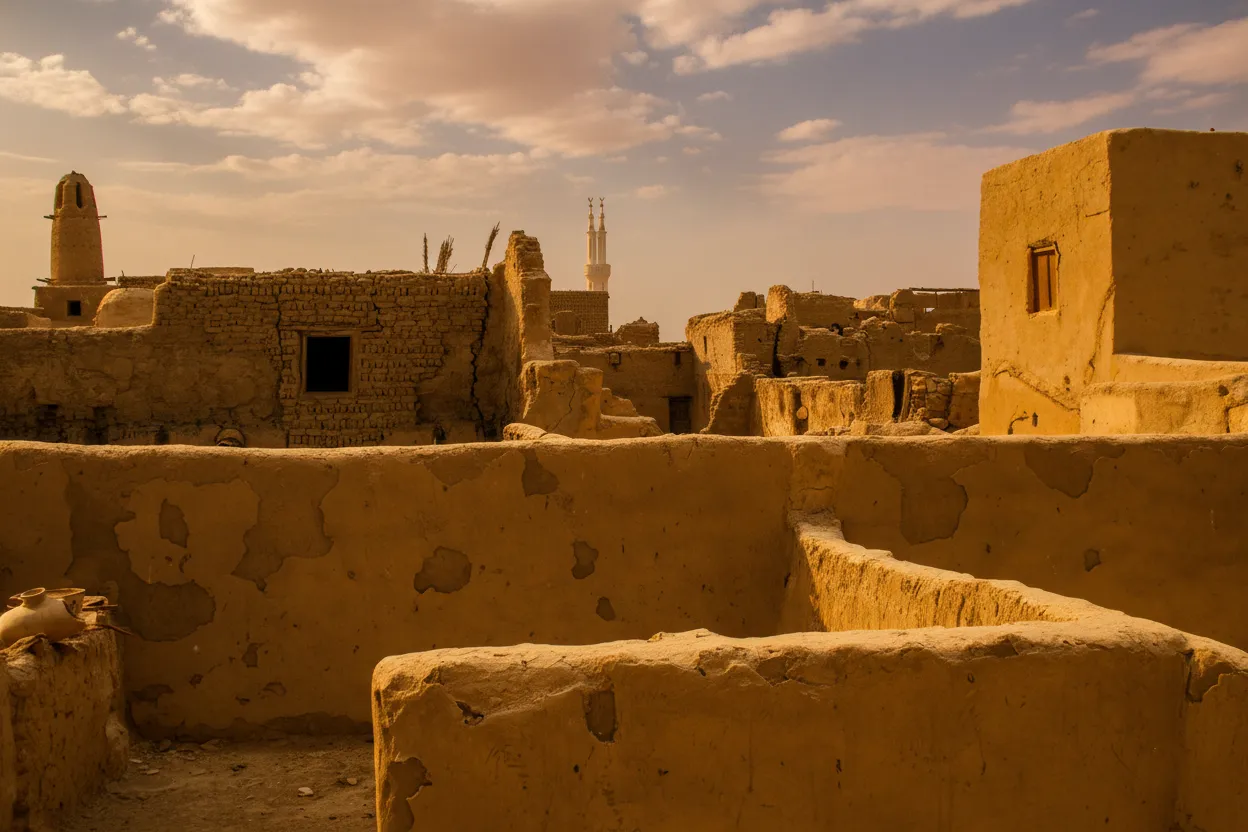
This remarkable city, built almost entirely from mud-brick and palm wood, is a masterclass in sustainable desert architecture. Its towering houses, some several stories high, are clustered so closely that they form a continuous, defensive wall. The interconnected roofs once allowed residents to move across the city without ever touching the ground. Every detail, from the ventilation shafts to the thick mud walls, was crafted with an intimate understanding of the harsh desert climate, creating cool interiors that defy the scorching sun outside. It's a marvel of ancient engineering and a testament to the enduring wisdom of its inhabitants.
Whispers of the Past: A History Etched in Mud
The story of Al-Qasr begins in the 12th century, during the powerful Ayyubid dynasty, making it one of the oldest continually inhabited Islamic cities in Egypt. While the Dakhla Oasis itself has been settled since prehistoric times, Al-Qasr emerged as a strategic stronghold and administrative center, guarding vital trade routes that crisscrossed the vast Western Desert. It was a hub where caravans rested, goods were exchanged, and cultures mingled, connecting the Nile Valley with distant lands to the west and south.
Over the centuries, the city expanded and evolved, incorporating elements from various periods while fiercely holding onto its core identity. The most prominent landmark, the minaret of the Great Mosque, dates back to the Ayyubid foundation and remains one of the tallest mud-brick structures in the oasis. Its intricate patterns and sturdy construction speak volumes about the skilled artisans who built it. Beyond its religious significance, the mosque served as a community focal point, a place for learning, and a symbol of the city’s enduring faith and heritage.
The city's history isn't just in its architecture; it's in the lineage of its families, many of whom can trace their ancestry back generations within these very walls. Their stories, passed down through oral tradition, weave a rich tapestry of resilience, community, and adaptation to life in one of the world's most challenging environments. To visit Al-Qasr is to walk through these layers of history, feeling the echoes of countless lives lived within its ancient embrace.
Wandering Through a Millennium: What You'll See and Experience
Your journey into Al-Qasr is an immersive sensory experience. As you step through one of its ancient gates, the modern world melts away. The air takes on the scent of ancient earth and palm, cooler than the desert outside. Sunlight filters through gaps in the covered alleys, creating dramatic shafts of light and shadow on the textured mud walls. You'll find yourself instinctively lowering your voice, as if not to disturb the quiet dignity of the place.
The city's labyrinthine layout is a delight to explore. Every turn reveals a new vista: a beautifully carved wooden door, a hidden courtyard, a glimpse into a traditional home where daily life unfolds. The Great Mosque, with its soaring minaret, is a must-see. While access to the minaret itself might be restricted, its presence dominates the skyline and offers a profound sense of history. You might also encounter the ruins of an ancient olive press, a traditional granary, or a small workshop where local artisans continue age-old crafts.
Don't be surprised to encounter children playing in the alleys, women baking bread in outdoor ovens, or men gathering for tea. The people of Al-Qasr are incredibly welcoming, often greeting visitors with a warm smile and a friendly "Ahlan wa sahlan" (welcome). While English isn't widely spoken, a local guide can bridge the language barrier and enrich your visit immensely, sharing insights into the city's history, customs, and daily routines. This interaction with the living culture is truly what transforms a visit to Al-Qasr from a simple sightseeing trip into an unforgettable cultural immersion.
Beyond Al-Qasr: Exploring the Dakhla Oasis
While Al-Qasr is undoubtedly the crown jewel of Dakhla, the oasis itself offers a wealth of other fascinating experiences. Just a short drive away, you can explore the Roman settlement of Deir el-Hagar, a beautifully preserved temple dedicated to the Theban Triad (Amun, Mut, and Khonsu), offering a stark contrast to Al-Qasr's Islamic heritage. The village of Balat boasts another charming mud-brick quarter, albeit smaller than Al-Qasr, with its own unique character.
For a moment of relaxation, seek out one of Dakhla's many natural hot springs, where mineral-rich waters bubble up from deep within the earth, offering a therapeutic soak amidst the desert landscape. And of course, no visit to an oasis is complete without experiencing the sheer grandeur of the surrounding Western Desert. Consider a sunset dune bash or a peaceful evening under a sky ablaze with stars – a truly humbling experience.
Planning Your Journey to Al-Qasr: Practical Tips for the Adventurous Traveler
Venturing to Al-Qasr requires a bit more planning than a typical trip to Egypt, but the rewards are immeasurable. Think of it as an expedition into the heart of authentic Egypt.
- Best Time to Visit: The cooler months from October to April are ideal, avoiding the intense summer heat.
- How to Get There: The Dakhla Oasis is remote. You can fly domestically from Cairo to Dakhla Oasis Airport (DAK), which is the most convenient option. Alternatively, long-distance buses or private cars can be arranged from Cairo, Luxor, or Aswan, though these are much longer journeys. Once in the oasis, local taxis or 4x4 vehicles can take you to Al-Qasr.
- Accommodation: Dakhla offers a range of guesthouses and eco-lodges, often built in traditional styles, providing a comfortable and authentic experience. Don't expect luxury resorts; embrace the charm of local hospitality.
- What to Bring: Comfortable walking shoes are a must for navigating the uneven streets. Modest clothing (shoulders and knees covered) is respectful of local customs. Plenty of water, sunscreen, a hat, and a good camera are also essential.
- Local Guides: Hiring a local guide is highly recommended. Not only do they provide invaluable historical context and cultural insights, but they can also facilitate interactions with residents and help you navigate the labyrinthine alleys without getting lost.
- Respectful Travel: Remember you are visiting a living community. Always ask permission before taking photos of people, dress modestly, and be mindful of local traditions.
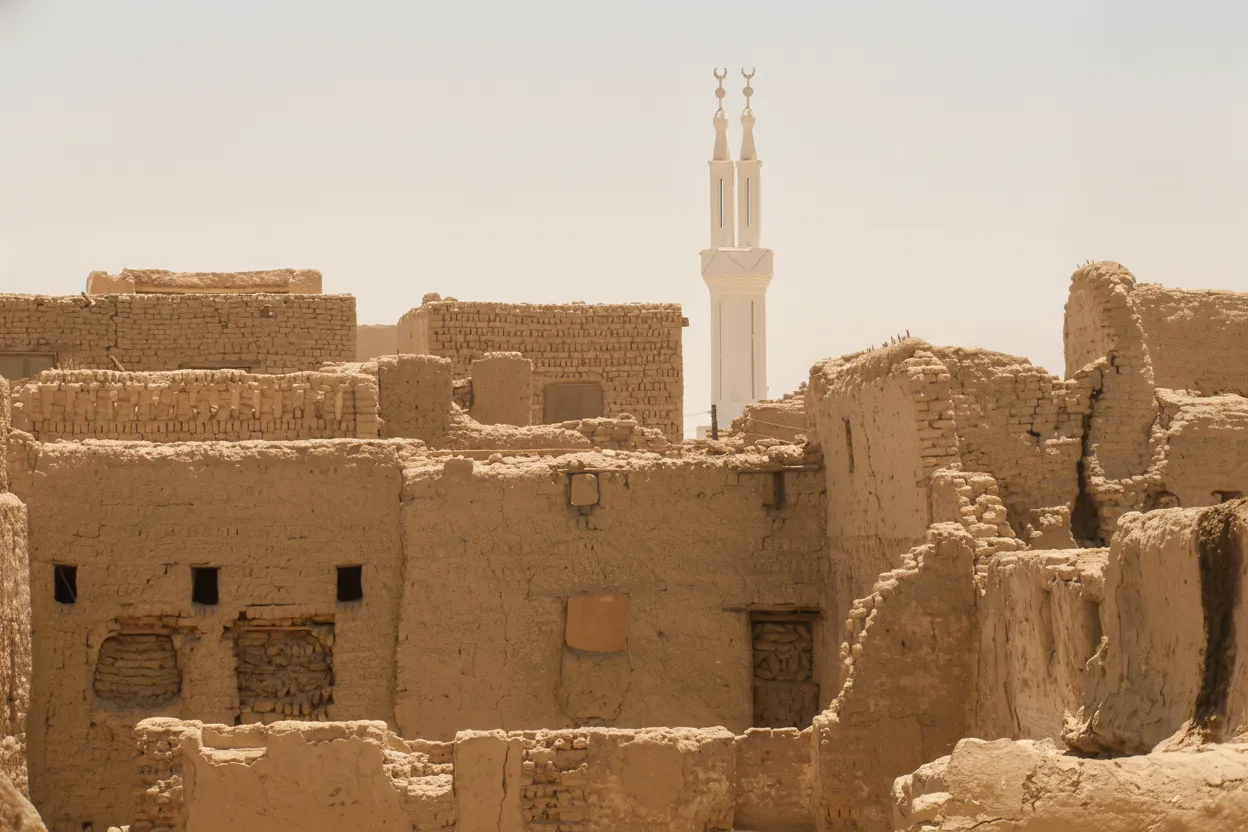
Al-Qasr is more than just a destination; it's an experience that transcends time. It's a place where you can touch history, feel the pulse of an ancient culture, and witness the extraordinary resilience of human life in harmony with nature. If your travel spirit yearns for authenticity, for discovery, and for stories whispered by ancient mud walls, then pack your bags. The timeless magic of Al-Qasr in the Dakhla Oasis awaits.
Essential Travel Information
- Location Al-Qasr, Dakhla Oasis, Egypt
- Best Time October to April (cooler temperatures)
- Getting There Fly to Cairo or Luxor, then domestic flight to Dakhla Oasis Airport (DAK), or long-distance bus/private car from Cairo/Luxor. Local transport (taxi/4x4) to Al-Qasr.
- Airport Dakhla Oasis Airport (DAK)
- Budget Mid-range (approx. $50-100 USD/day for accommodation, food, local transport, guide)
- Language Arabic
Find Places to Stay Near Al-Qasr, Dakhla Oasis
Compare hotels, hostels, and unique stays in Egypt.
Search AccommodationTours & Experiences Near Al-Qasr, Dakhla Oasis
Book guided tours, day trips, and unique experiences.
Browse Tours