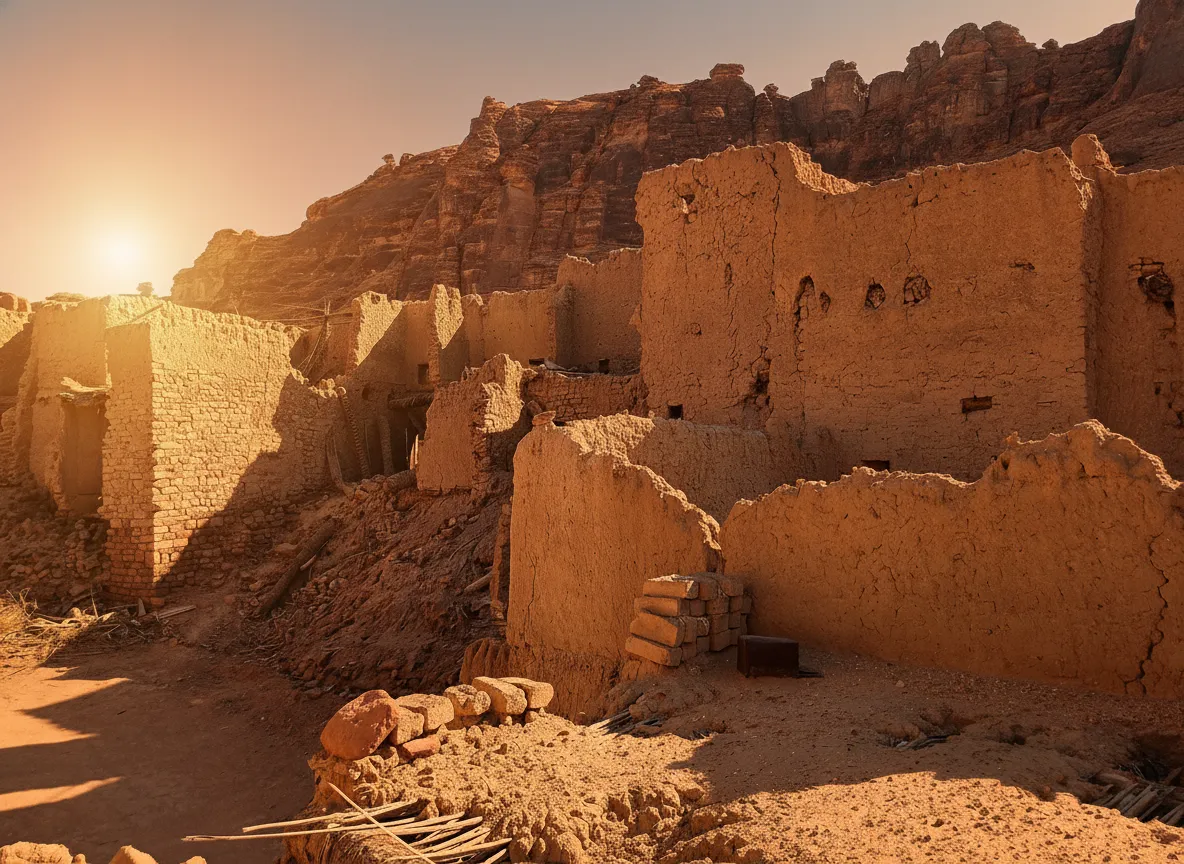
Imagine an entire city built of mud and stone, where time stopped decades ago, leaving behind a silent labyrinth of ancient alleys and crumbling homes. This isn't a scene from a fantasy novel or a forgotten movie set; this is Al-Ula Old Town, a breathtaking historical marvel nestled deep within Saudi Arabia's dramatic desert landscape. For centuries, it pulsed with life as a vital crossroads on the legendary Incense Route, a bustling hub where traders, pilgrims, and storytellers converged. Today, it stands as an astonishing, perfectly preserved ghost town, waiting to whisper its secrets to those adventurous enough to step into its otherworldly embrace. If you’ve ever yearned to walk through history, to feel the echoes of past lives beneath your feet, then prepare to be utterly captivated by this extraordinary destination – a place so unique, it feels like it belongs in another dimension.
What Makes Al-Ula Old Town So Special?
What truly sets Al-Ula Old Town apart isn't just its age, but its profound sense of preserved authenticity. Unlike many ancient sites that offer scattered ruins or reconstructed facades, Al-Ula Old Town presents an almost intact, albeit silent, living museum. Picture thousands of interconnected mudbrick and stone houses, some reaching an impressive four stories high, all huddled together in an organic, defensible maze. This isn't just a collection of buildings; it's a testament to ingenious traditional Arabian urban planning and social cohesion, designed to protect its inhabitants from both the elements and external threats.
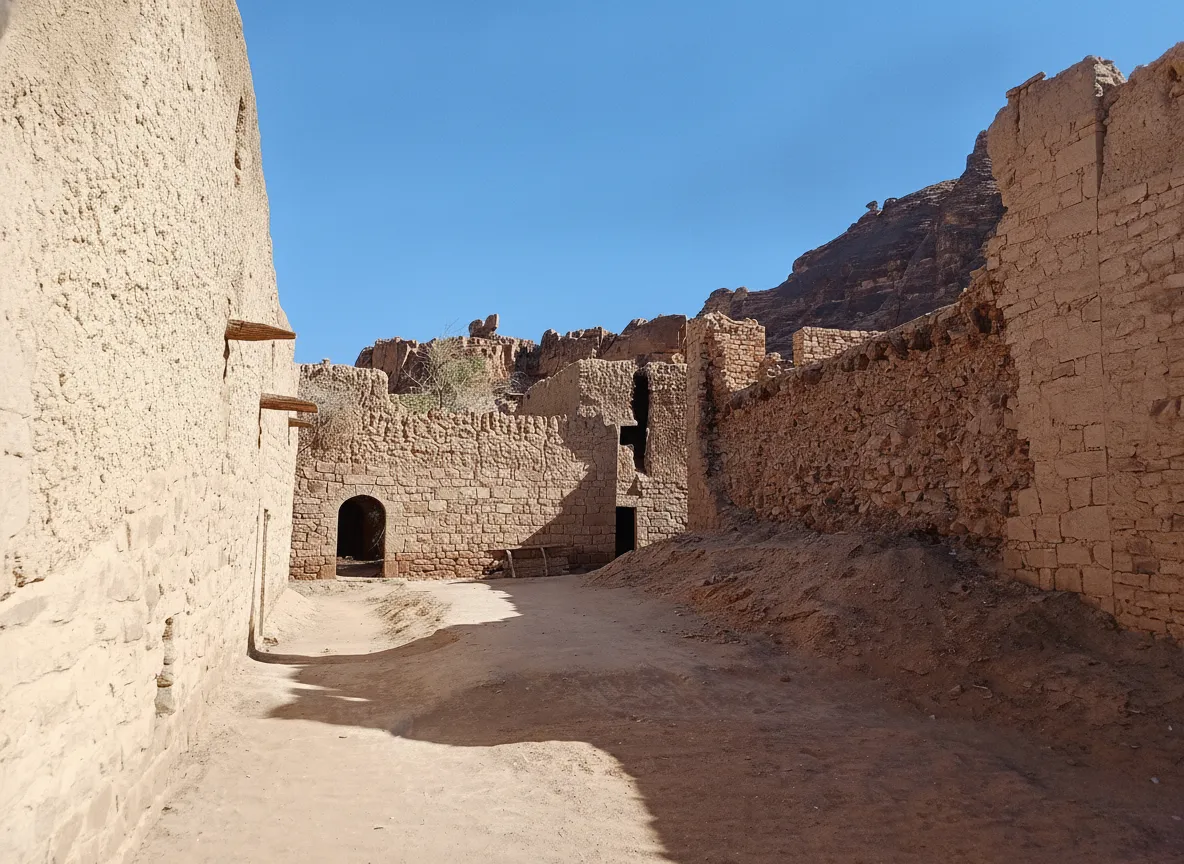
Walking through its narrow, winding alleys is like stepping into a time capsule. The sheer density of the architecture, the way homes are built into and on top of one another, creates a truly unique atmosphere. Sunlight filters down through gaps, illuminating intricate details in the mud plaster, while the air carries a faint, earthy scent. You can almost hear the echoes of children playing, merchants bartering, and families sharing meals. It’s a place where every crumbling wall, every ancient doorway, tells a story of resilience, community, and a way of life that has all but vanished from the modern world.
This isn't just a historical site; it's an immersive experience. The feeling of being utterly otherworldly is palpable. You’re not just observing history; you’re enveloped by it. It offers an unparalleled glimpse into a pre-oil era, showcasing the ingenuity and adaptability of people who thrived in a challenging desert environment for generations. It’s a powerful reminder of how communities once lived, built, and interacted, making it an essential visit for anyone fascinated by history, architecture, or the sheer wonder of human civilization.
A Journey Through Time: History of Al-Ula Old Town
To truly appreciate Al-Ula Old Town, one must understand its deep roots in the fabric of Arabian history. Nestled strategically in the fertile Al-Ula valley, an oasis region blessed with water and date palms, the town’s origins stretch back centuries, if not millennia. This wasn't merely a settlement; it was a crucial waypoint on the fabled Incense Road, the ancient network of trade routes that linked the Arabian Peninsula, Africa, and India with the Mediterranean world. Frankincense, myrrh, spices, and other precious commodities passed through its gates, enriching its inhabitants and shaping its character.
The town you see today largely dates from the Islamic period, with continuous habitation for at least 800 years. Its strategic location meant it was not only a commercial hub but also a stop for pilgrims journeying to Mecca and Medina. This constant flow of people, goods, and ideas contributed to its vibrant culture and enduring resilience. Generations built upon the foundations of their ancestors, creating the dense, organic urban fabric that makes the Old Town so distinctive. Each layer of mudbrick tells a silent tale of expansion, adaptation, and survival.
Life in Al-Ula Old Town continued largely unchanged for centuries, a testament to its sustainable design and community spirit. However, with the advent of modern transportation and the changing socio-economic landscape of Saudi Arabia in the mid-20th century, the town gradually began to empty. Its last residents, seeking more modern amenities and opportunities, finally departed in the early 1980s, relocating to a nearby, newly built village. This exodus, rather than leading to ruin, inadvertently preserved the Old Town in a state of suspended animation, leaving behind an astonishingly intact record of a bygone era. It’s a poignant reminder of progress, and the beauty that can be found in what is left behind.
Exploring the Labyrinth: What You'll See and Experience
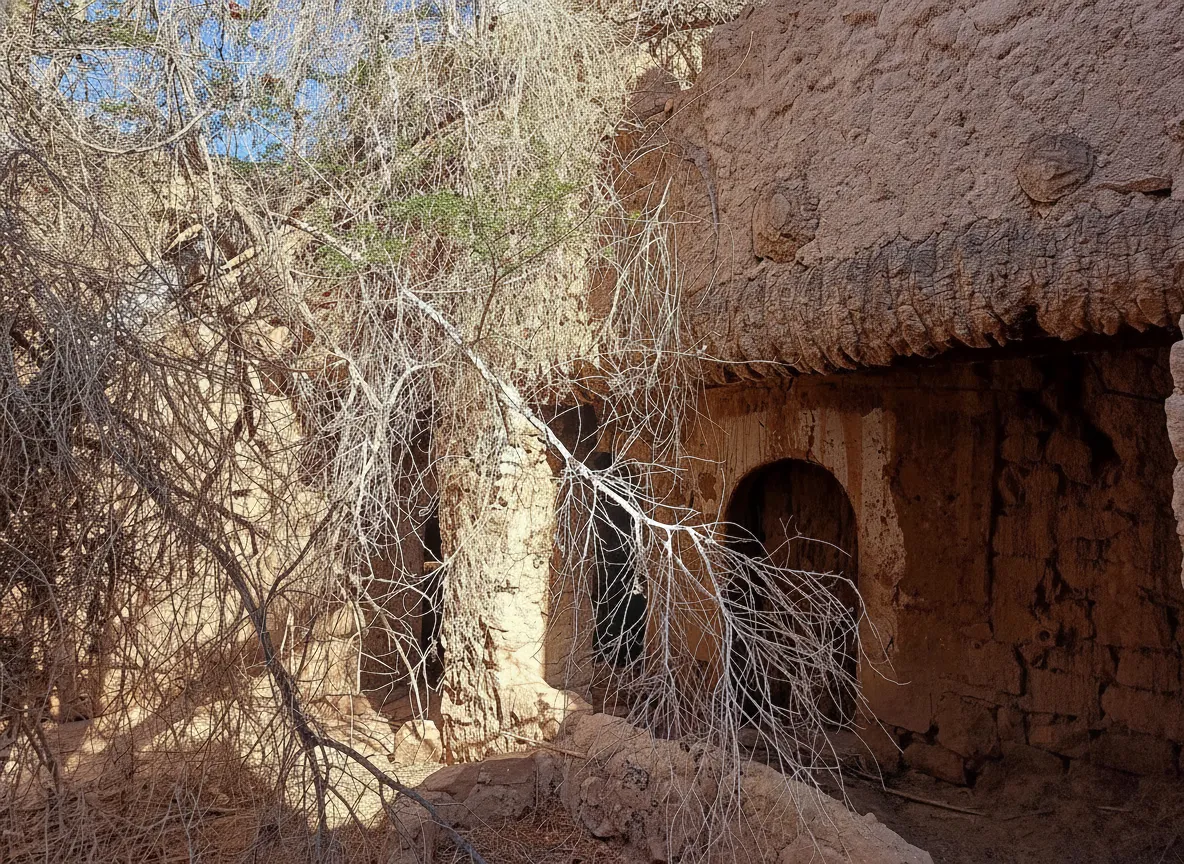
Stepping into Al-Ula Old Town is an experience that engages all your senses. As you traverse the labyrinthine alleys, you’ll immediately notice the sheer scale and ingenuity of its architecture. The houses, crafted from locally sourced mudbrick and stone, blend seamlessly with the natural landscape, their earthy tones reflecting the desert hues. Many structures are several stories high, built with remarkable precision and durability, showcasing architectural techniques perfected over generations. Look closely, and you might spot remnants of intricate wooden doors, window frames, or even decorative carvings that hint at the aesthetic sensibilities of its former inhabitants.
The layout itself is a marvel. Designed for defense and communal living, the narrow streets often lead to small, intimate courtyards or open into slightly larger squares where daily life once unfolded. You can imagine children playing hide-and-seek among the shadows, women gathering at communal water points, and men discussing trade under the shade of a date palm. Some houses still contain traces of their past lives – a hearth, a storage niche, or a collapsed ceiling revealing the timber framework beneath. It’s a powerful connection to the people who once called this place home.
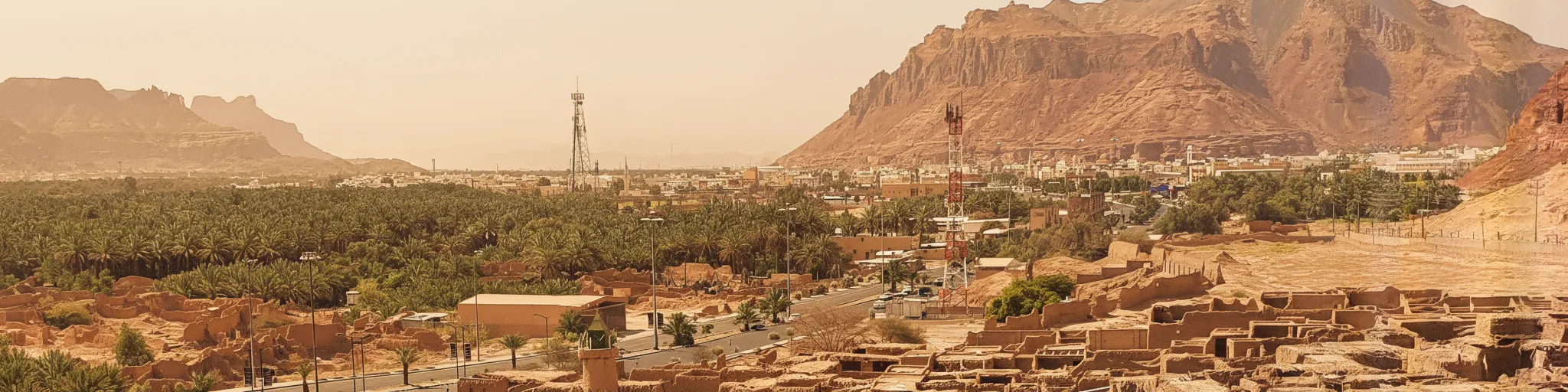
For those interested in traditional Islamic architecture, the Old Town offers invaluable insights. The compact urban fabric, the use of natural ventilation, and the clever placement of windows to maximize light while maintaining privacy are all evident. While some areas are undergoing careful restoration, much of the town retains its authentic, weathered charm. You’ll be encouraged to explore responsibly, often with a knowledgeable local guide who can bring the silent stones to life with stories and historical context. Don't forget to climb to one of the higher vantage points, perhaps near the ancient citadel, to gain a breathtaking perspective of the entire town stretching out below you, a sea of ochre structures against the green of the oasis and the stark beauty of the surrounding mountains.
Practical Tips for Your Visit to Al-Ula Old Town
Visiting Al-Ula Old Town is an unforgettable adventure, and a little planning will ensure you make the most of it. First and foremost, **the best time to visit** is during the cooler months, from October to April, when temperatures are pleasant for exploring. Summers can be intensely hot, making daytime excursions challenging.
**Getting there** is straightforward. The nearest airport is Al-Ula International Airport (ULH), with direct flights from major Saudi cities like Riyadh and Jeddah, and increasingly, international connections. From the airport, it's a short taxi or pre-arranged transfer to the Old Town and your accommodation in the wider Al-Ula region. As Al-Ula is a developing tourist destination, it’s advisable to book your transport and tours in advance.
**What to wear** is important for comfort and cultural respect. Opt for lightweight, breathable clothing that covers your shoulders and knees. Comfortable walking shoes are an absolute must, as you'll be navigating uneven terrain and ancient paths. Sun protection – a hat, sunglasses, and sunscreen – is also highly recommended, even in cooler months.
While you can wander some parts independently, **hiring a local guide** is highly recommended. Their insights into the history, architecture, and daily life of the Old Town residents will enrich your experience immeasurably, helping you understand the significance of what you’re seeing. There are designated visitor pathways and information points, but a guide truly unlocks the stories within the stones.
**Respect the site:** Al-Ula Old Town is a fragile historical treasure. Please refrain from climbing on walls, disturbing structures, or removing any artifacts. Photography is encouraged, but always be mindful of signage and local guidance. Remember to bring plenty of water, especially during your exploration, as facilities within the Old Town itself are limited.
Finally, remember that Al-Ula Old Town is just one gem in a valley brimming with wonders. Don't miss the chance to explore nearby Hegra (Madain Saleh), Saudi Arabia's first UNESCO World Heritage Site with its monumental Nabataean tombs, or the iconic Elephant Rock. Al-Ula is a destination that truly rewards a longer stay, offering a unique blend of ancient history, stunning natural beauty, and emerging cultural experiences. Prepare to be enchanted!
Essential Travel Information
- Location Al-Ula Old Town, Saudi Arabia
- Best Time October to April (cooler months)
- Getting There Fly into Al-Ula International Airport (ULH), then short taxi/transfer. Tours available from Al-Ula resorts.
- Airport Al-Ula International Airport (ULH)
- Budget Mid-range to Luxury (approx. $300-$800+ USD per day, depending on accommodation and activities)
- Language Arabic (English widely spoken in tourist areas)
Find Places to Stay Near Al-Ula Old Town
Compare hotels, hostels, and unique stays in Saudi Arabia.
Search AccommodationTours & Experiences Near Al-Ula Old Town
Book guided tours, day trips, and unique experiences.
Browse Tours