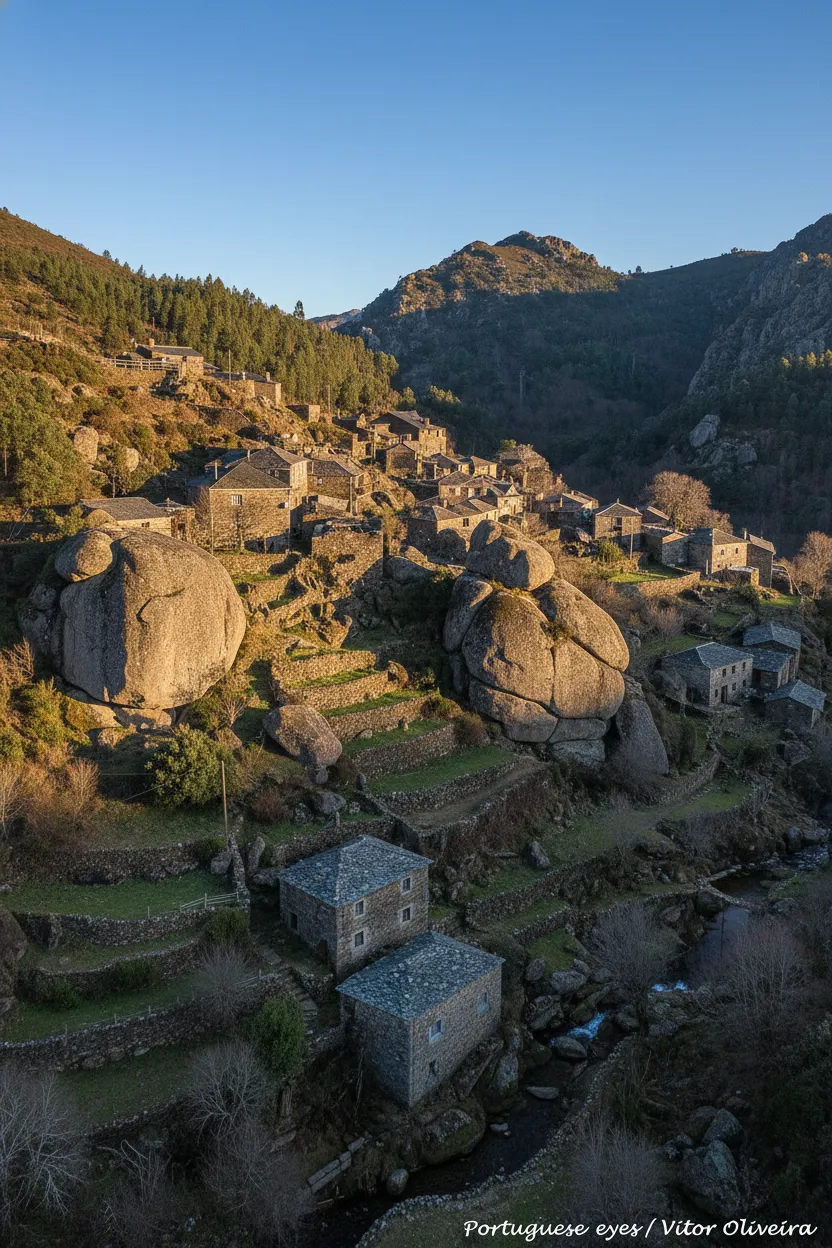
Imagine a village where granite boulders aren't just scenery, but the very walls and foundations of homes, creating a settlement seemingly born from the earth itself. Picture a place so perfectly integrated into its wild surroundings that it feels less like construction and more like a natural emergence. This isn't a fantasy; it's Aldeia da Pena, a captivating, almost forgotten gem tucked away in the rugged Norte Region of Portugal, waiting for the intrepid traveler to uncover its ancient secrets.
For those of us who yearn for authentic experiences, who seek out the whispers of history rather than the roar of tourist crowds, Aldeia da Pena offers an unparalleled journey. It’s a place where time seems to stand still, where the raw power of nature meets the quiet ingenuity of human spirit. If you've ever dreamt of stepping into a living postcard, a testament to a bygone era of harmonious coexistence with the land, then prepare to be utterly enchanted by this extraordinary Portuguese village.
Aldeia da Pena: Where Nature Builds Homes
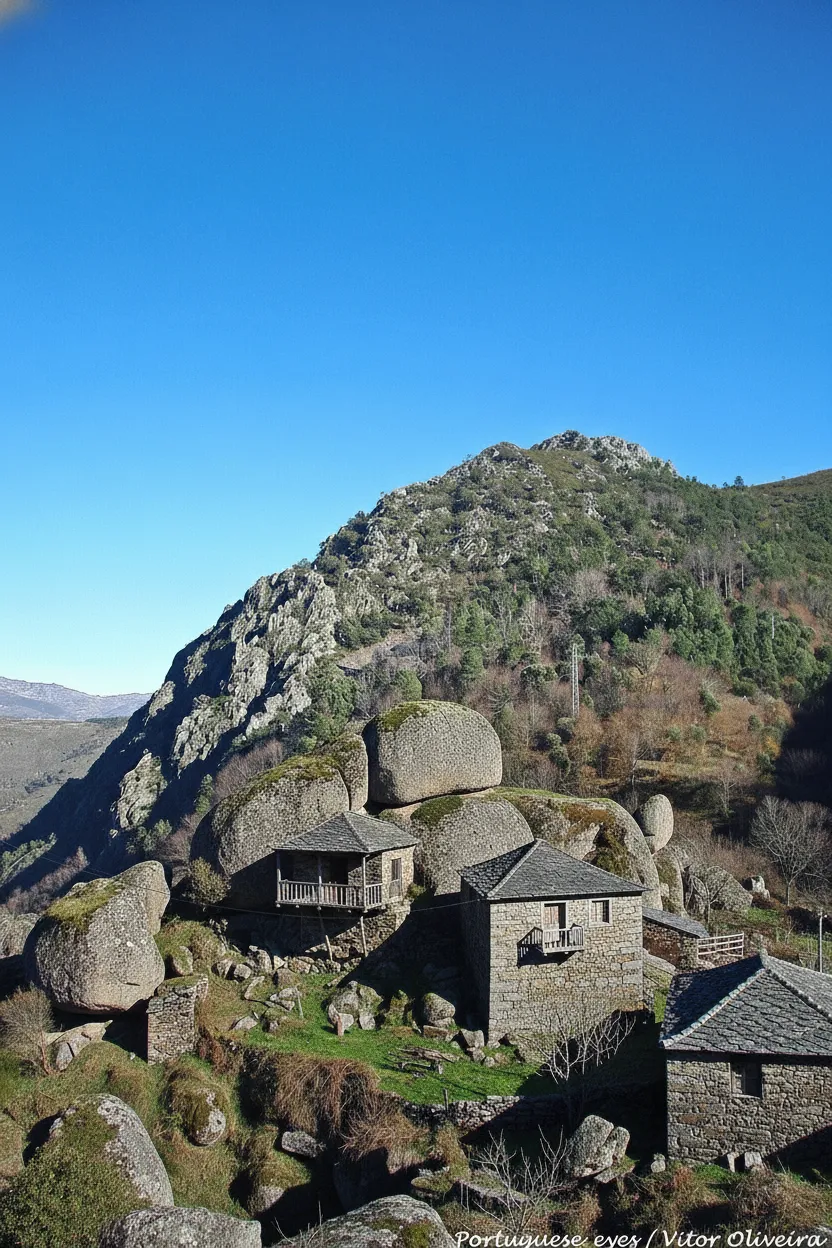
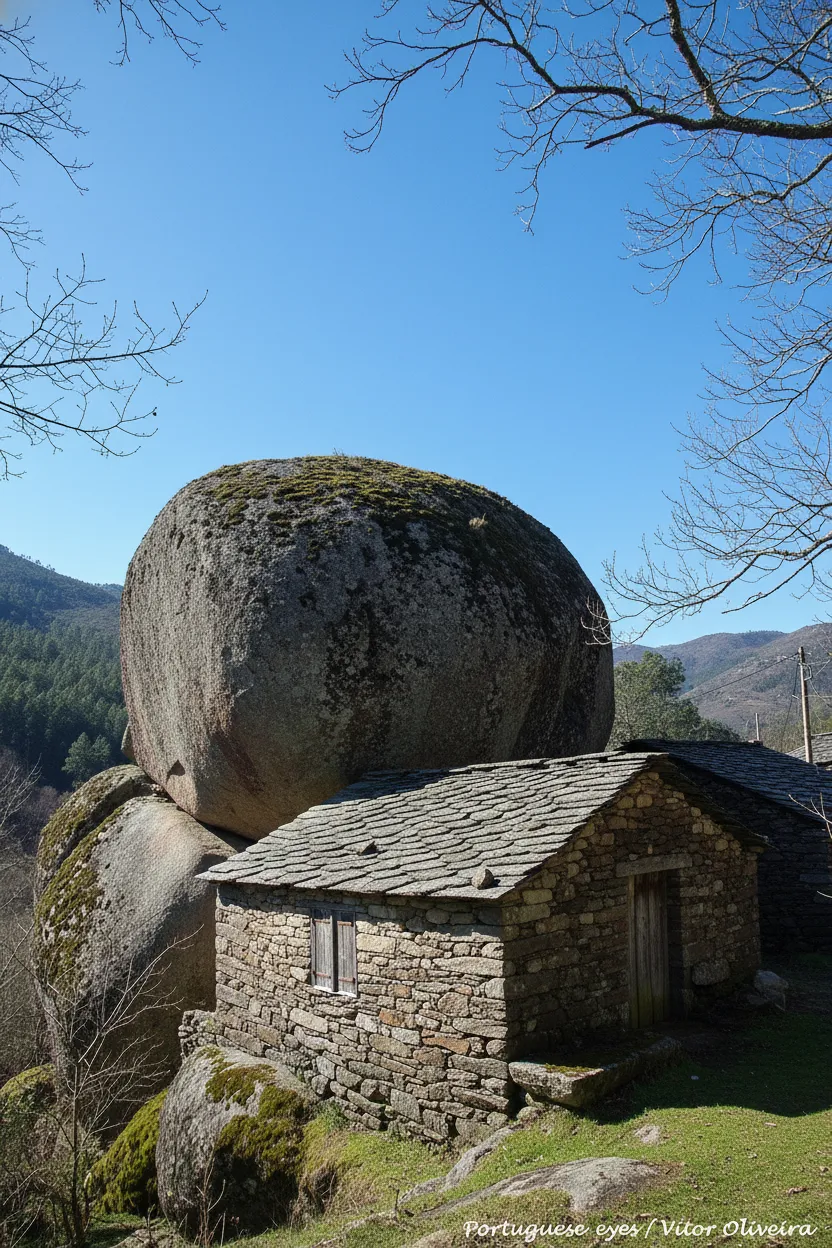
What makes Aldeia da Pena truly special isn't just its remote location, but its breathtaking, almost unbelievable architecture. Here, houses aren't merely built *on* the land; they are built *into* it. Massive granite outcroppings, sculpted by millennia of wind and rain, don't just frame the village – they are integral components of its very fabric. Homes are literally carved into these colossal stones, or constructed using them as foundational walls, creating an organic, almost symbiotic relationship between human dwelling and natural landscape.
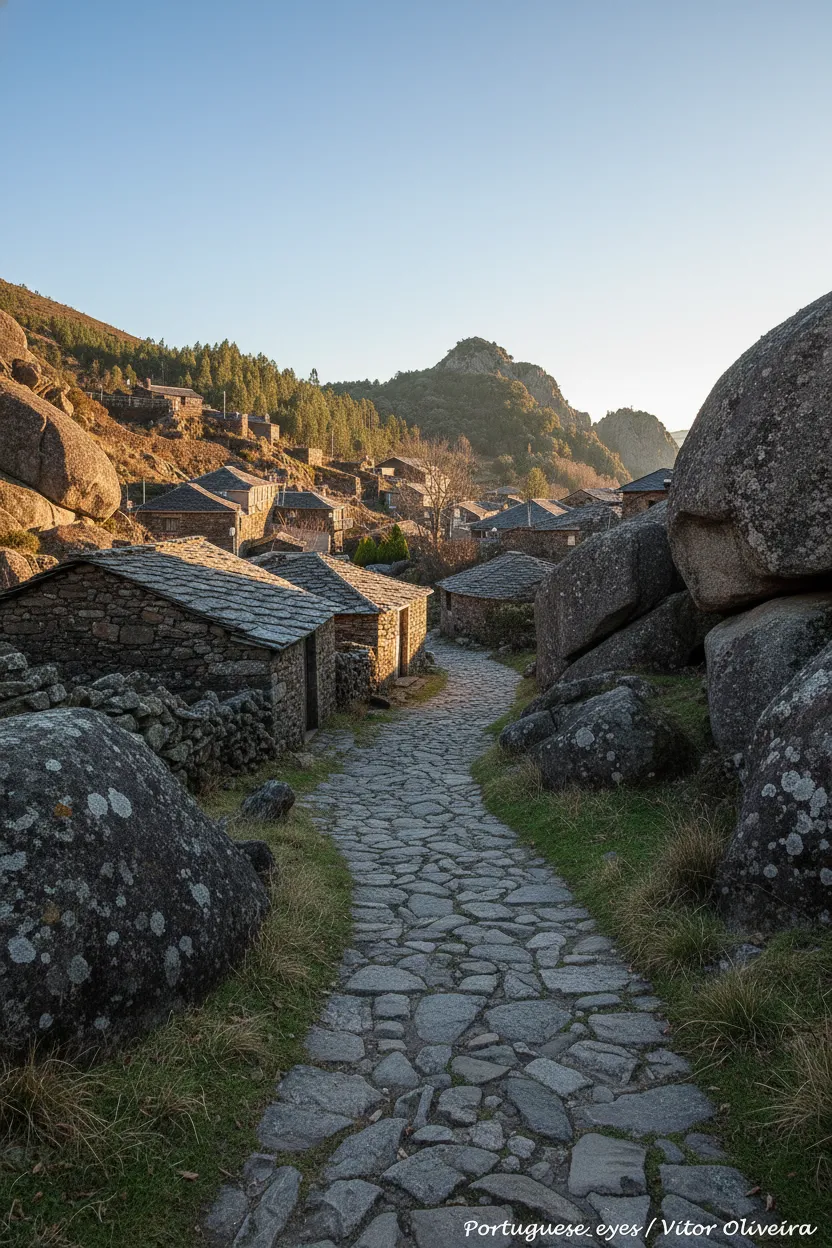
Walking through Aldeia da Pena is an experience unlike any other. You'll navigate narrow, winding paths, often paved with the same rough-hewn granite that forms the houses. Every turn reveals a new wonder: a doorway nestled beside a giant boulder, a roofline perfectly aligned with a rocky ridge, or a terrace offering panoramic views of the dramatic, untamed countryside. It’s a masterclass in adaptation, a powerful reminder of a time when communities lived entirely within the means of their immediate environment, showcasing incredible human resourcefulness in the face of challenging terrain.
This isn't a modern architectural marvel; it’s an ancient, deeply rooted practice that reflects generations of wisdom. The villagers didn't conquer nature; they collaborated with it, allowing the strength and permanence of the granite to dictate and define their living spaces. The result is a collection of dwellings that feel utterly timeless, blending so seamlessly with the earth that they almost disappear into the landscape from a distance. It's truly a *hidden village in Portugal*, a testament to sustainable living long before the term was even coined.
A Tapestry of Time: History and Heritage
While definitive historical records for such a remote and modest settlement can be scarce, the story of Aldeia da Pena is etched into its very stones. Its origins likely stretch back centuries, born out of necessity and a deep understanding of the land. In an era before easy access to building materials or transportation, early settlers in this rugged part of the Norte Region would have looked to their immediate surroundings for resources. The abundant granite, while challenging to work with, offered unparalleled durability and insulation.
Imagine the lives of those who first settled here. They weren't just building homes; they were forging a community in a harsh environment. They would have relied on subsistence farming, perhaps herding sheep or goats in the surrounding hills, their lives dictated by the rhythms of nature. The village's defensive position, nestled amongst the boulders, would have offered natural protection from invaders or harsh weather, further cementing its appeal as a place to call home.
Over time, as populations shifted and modern conveniences became available, many such remote villages in Portugal slowly dwindled. Aldeia da Pena likely faced a similar fate, its younger generations seeking opportunities in larger towns or cities. This exodus, while sad for the community, inadvertently preserved the village's unique character. It remained largely untouched by modern development, a frozen-in-time capsule offering a rare glimpse into a traditional way of life that has all but vanished elsewhere. Today, it stands as a living museum, a quiet monument to the resilience and ingenuity of its ancestors.
Wander Through a Stone Dream: What to See and Do
Visiting Aldeia da Pena is less about ticking off sights and more about immersing yourself in an atmosphere. The primary activity here is simply to wander, explore, and absorb. Start by leaving your car at the designated parking area (it’s a walk into the core of the village, which is pedestrian-only) and prepare to be transported.
As you navigate the narrow, often steep and uneven paths, you'll discover a labyrinth of stone. Pay attention to the details: the hand-carved wooden doors, the small windows peering out from massive stone walls, the intricate patterns of stacked granite. Each house tells a story of generations living in harmony with the land. Some structures appear to be little more than extensions of the natural rock face, while others are meticulously crafted dwellings that nonetheless feel utterly organic.
Seek out the village's small chapel, a simple yet poignant structure that would have been the spiritual heart of the community. Take a moment to sit on a stone bench and listen to the silence, broken only by the chirping of birds or the rustle of wind through the surrounding trees. From various vantage points, you'll be treated to breathtaking views of the surrounding valley and the distant mountains, a stark reminder of the wild beauty of the Norte Region of Portugal.
Photography enthusiasts will find endless inspiration here. The interplay of light and shadow on the granite, the textures of ancient stone and weathered wood, and the dramatic backdrop of the landscape offer countless opportunities for stunning shots. But don't just view it through a lens; take time to simply *be* there, to feel the cool touch of the granite, to imagine the lives lived within these remarkable walls. It's a truly unique architecture Portugal boasts, a must-see for anyone exploring *off-the-beaten-path Portugal*.
Planning Your Escape to Aldeia da Pena: Practical Tips
Embarking on a journey to Aldeia da Pena requires a bit of planning, but the rewards are immense. This is not a place for spontaneous, unplanned visits if you're expecting tourist infrastructure.
How to Get There
Aldeia da Pena is remote, and a car is absolutely essential. It's located in the district of Vila Real, roughly equidistant from the larger cities of Porto and Braga (around 1.5 to 2 hours drive). The drive itself is part of the adventure, taking you through scenic, winding roads. Be prepared for narrow, sometimes unpaved sections closer to the village. GPS will get you close, but always keep an eye out for local signage. Parking is usually available a short walk from the main village core, as vehicles cannot enter the pedestrian-only paths.
Best Time to Visit
The shoulder seasons (April-May and September-October) are ideal. The weather is pleasant for walking, and the natural landscape is vibrant. Summer (June-August) can be hot, but the long daylight hours allow for extended exploration. Winter can be cold and potentially wet, and some of the paths might be slippery, but the village takes on a dramatic, moody beauty under a winter sky.
What to Bring
- Comfortable Walking Shoes: The paths are uneven and often steep.
- Water and Snacks: There are no shops or restaurants in Aldeia da Pena itself. Pack enough for your visit.
- Camera: You'll want to capture the unique beauty.
- Layers of Clothing: Mountain weather can change quickly.
- Respectful Attitude: This is a residential area, albeit with few permanent inhabitants. Respect privacy and property.
Accommodation and Food
As mentioned, Aldeia da Pena has no tourist facilities. For accommodation and meals, you'll need to look to nearby towns such as Mondim de Basto, Cabeceiras de Basto, or even further afield to Vila Real or Amarante. These towns offer a range of guesthouses, local restaurants serving traditional Portuguese cuisine, and a chance to experience more of the local culture after your exploration of the *granite village Portugal*.
Aldeia da Pena is more than just a destination; it's an experience, a journey back in time, and a profound lesson in living with the earth. It embodies the spirit of *ancient Portuguese villages* and offers a truly unforgettable adventure for anyone seeking genuine connection with history, nature, and human ingenuity. Don't just visit Portugal; discover its soul in places like Aldeia da Pena.
Essential Travel Information
- Location Aldeia da Pena, Portugal
- Best Time April-May and September-October (shoulder seasons) for pleasant weather and vibrant scenery. Summer (June-August) for longer daylight, but can be hot.
- Getting There Requires a car. Located in the Norte Region, accessible via scenic, winding roads from major cities like Porto (approx. 1.5-2 hours drive). Parking is available a short walk from the village core.
- Airport Porto Airport (OPO)
- Budget Budget to Mid-range (car rental is the main cost; village visit is free, local food in nearby towns is affordable). Approximate daily cost (excluding car/accommodation): €20-€40.
- Language Portuguese
Find Places to Stay Near Aldeia da Pena
Compare hotels, hostels, and unique stays in Portugal.
Search AccommodationTours & Experiences Near Aldeia da Pena
Book guided tours, day trips, and unique experiences.
Browse Tours