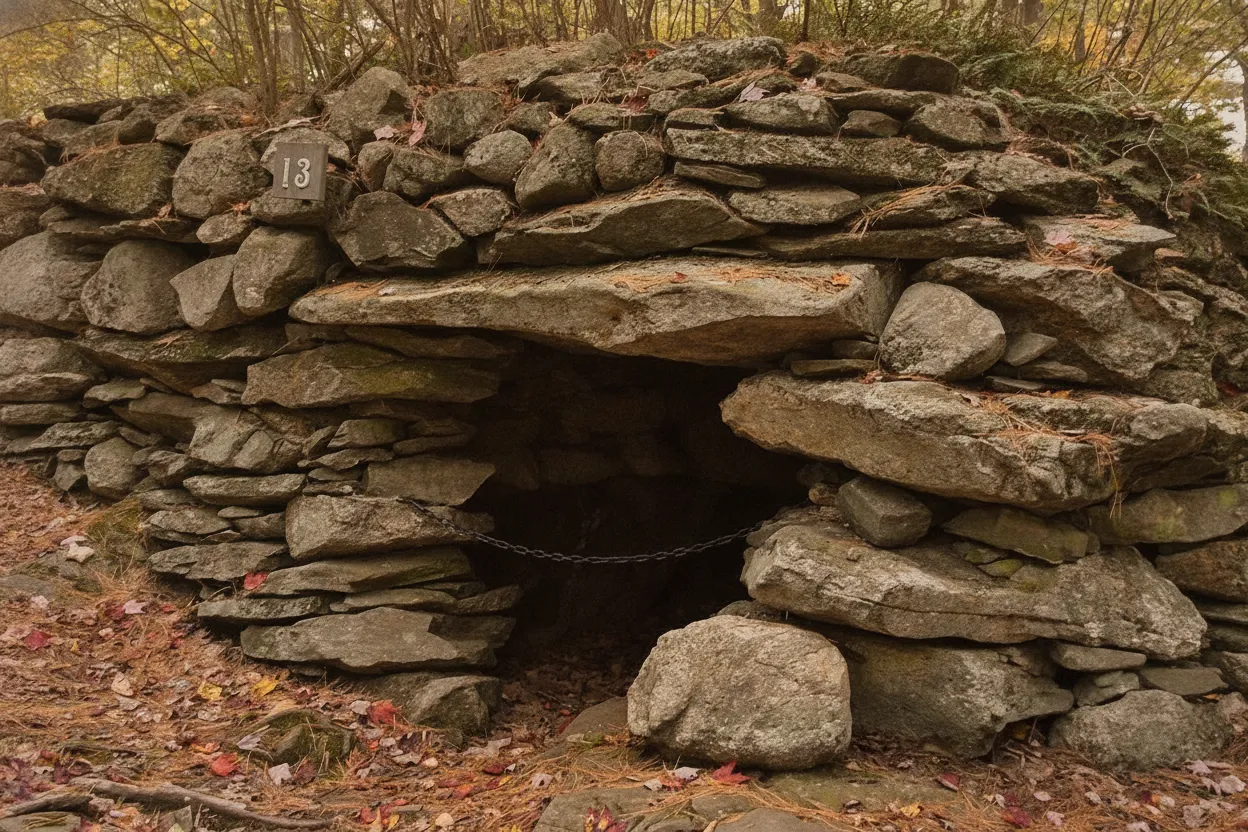
Forget Salisbury Plain; America has its own enigmatic megalithic calendar, built by unknown hands in ancient New England. Tucked away in the quiet woods of North Salem, New Hampshire, lies a sprawling, 30-acre complex of massive stone constructions, underground chambers, and intricate astronomical alignments that have baffled archaeologists, historians, and curious visitors for centuries. This isn't just a pile of rocks; it's America's Stonehenge, or Mystery Hill as it's often called – a place that challenges everything you thought you knew about early American history. Imagine stepping into a forgotten world, where colossal stones whisper tales of ancient rituals, celestial observations, and a civilization whose story has yet to be fully unearthed. Ready to unlock one of America's greatest archaeological puzzles?
What Makes America's Stonehenge So Special?
What makes America's Stonehenge so undeniably captivating isn't just its existence, but the profound questions it raises. Here, amidst the serene New England landscape, you encounter a complex of colossal stone slabs, intricately placed and seemingly untouched by modern machinery. These structures, weighing many tons, are arranged in patterns strongly suggesting deliberate design. Is it an ancient observatory, a sophisticated calendar built by indigenous peoples or perhaps even trans-oceanic visitors thousands of years before Columbus? Or, as some skeptics propose, is it merely a colonial farm, its features misinterpreted over time? The beauty, and indeed the allure, lies in this very ambiguity. Each chamber, each aligned stone, each carved groove invites speculation, debate, and a deep sense of wonder.
This isn't a museum with all the answers neatly presented; it's an active archaeological puzzle, a living mystery that draws you into its ancient embrace. It’s a site that forces you to reconsider the timeline of human activity in North America, offering a tantalizing glimpse into a history far richer and more mysterious than conventional narratives often allow. You won't find definitive answers here, but you'll certainly leave with a mind buzzing with possibilities and a profound appreciation for the enduring secrets of our past. It's a true hidden gem, waiting to be explored by those with a curious spirit and a thirst for uncovering the unknown.
A Journey Through Time: Unraveling the History and Theories
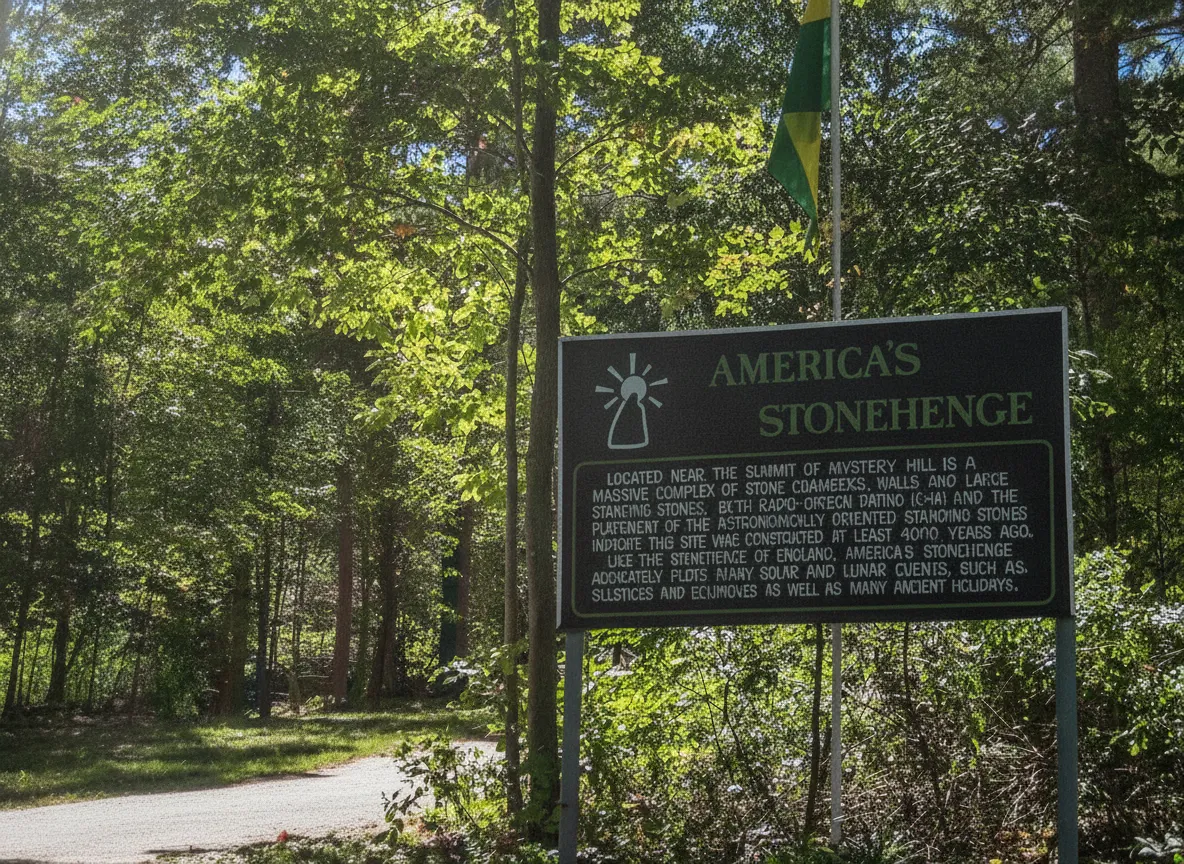
The story of America's Stonehenge is as layered and enigmatic as the stones themselves. While its exact origins remain shrouded, archaeological evidence, including carbon dating of charcoal samples, suggests human activity dating back as far as 4,000 years ago. This places its potential construction far beyond European colonization, firmly in the realm of ancient, pre-Columbian cultures.
The prevalent "ancient observatory" theory posits that America's Stonehenge served as a sophisticated astronomical calendar and ceremonial center. Proponents point to numerous precise alignments of stones with significant celestial events: the summer and winter solstices, and true north, among others. Such precision, they argue, could only be achieved by a people with advanced astronomical understanding, using the site to track seasons, predict planting, and conduct sacred rituals. The "Oracle Chamber," with its unique acoustics, and the "Sacrificial Stone," with its intriguing groove, are often cited as evidence of ritualistic use. Some even suggest connections to ancient Celtic or Phoenician explorers, though these theories remain highly controversial within mainstream archaeology.
On the other side stands the "colonial farm" theory. Skeptics argue the structures are simply the remnants of an 18th or 19th-century colonial farm, with "chambers" as root cellars or animal shelters, and "alignments" merely coincidental. They suggest early settlers, perhaps of Irish or Scottish descent, built these using traditional dry stone masonry techniques common in their homelands. While this theory accounts for some features, it struggles to explain the sheer scale, deliberate astronomical alignments, and consistent patterns across the sprawling 30-acre complex, especially when juxtaposed with the ancient carbon dating results.
The modern chapter of America's Stonehenge began in the 1930s when William Goodwin, an insurance executive and archaeology enthusiast, purchased the site. He dedicated decades to excavating, restoring, and interpreting the complex, removing centuries of overgrowth and fallen stones. Goodwin championed the ancient observatory theory, drawing comparisons to European megalithic sites and bringing the "New World Stonehenge" to public attention. Regardless of which theory you lean towards, the site’s ability to ignite such passionate debate is a testament to its profound historical and archaeological significance, making it a compelling destination for anyone fascinated by America's hidden past.
What You'll Discover on Your Visit
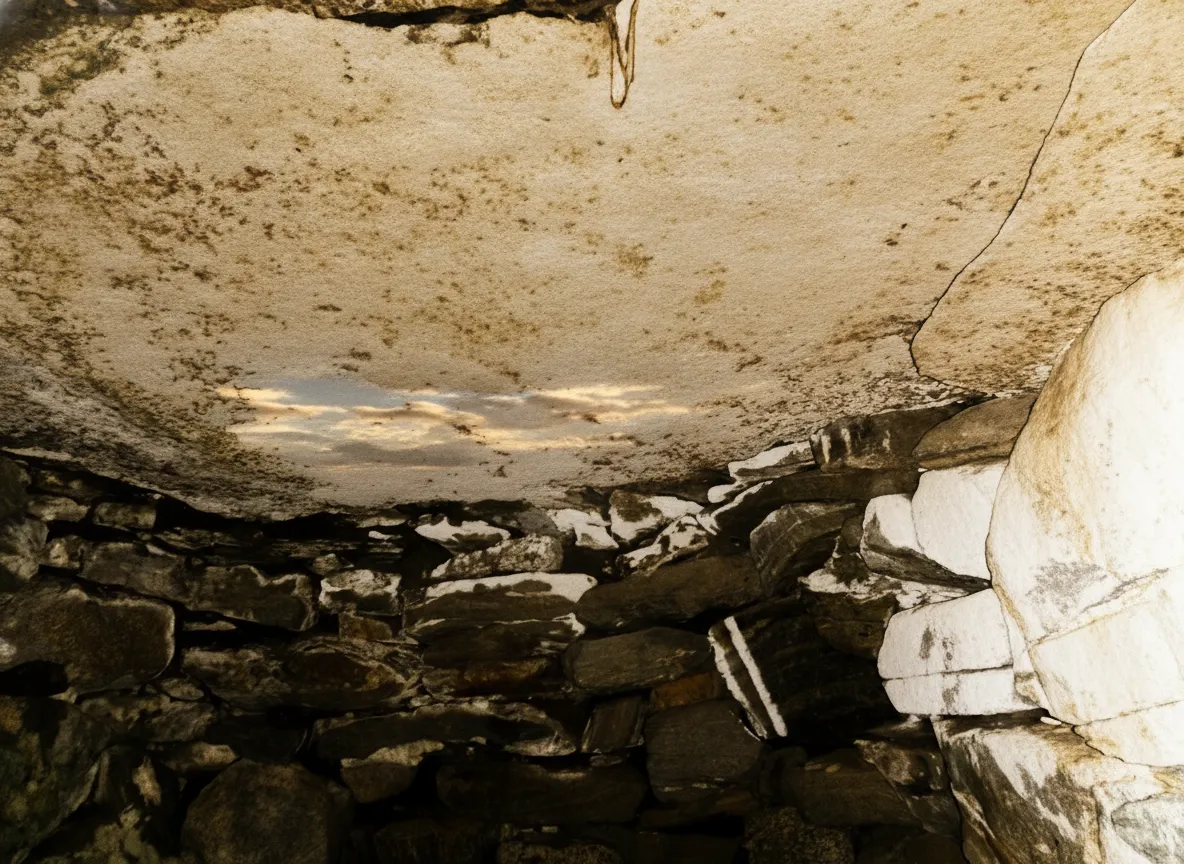
Stepping onto the grounds of America's Stonehenge is like entering a living puzzle. Guided tours, often led by knowledgeable staff, help you navigate the winding paths and interpret structures, though you're also free to explore at your own pace. One of the most famous and intriguing features is the **Oracle Chamber**. This underground chamber, constructed with massive stone slabs, is said to possess unique acoustic properties; a person speaking inside can be heard clearly at a specific point outside, suggesting its use for communication or ritual. It’s an eerie, fascinating experience that truly makes you ponder its original intent.
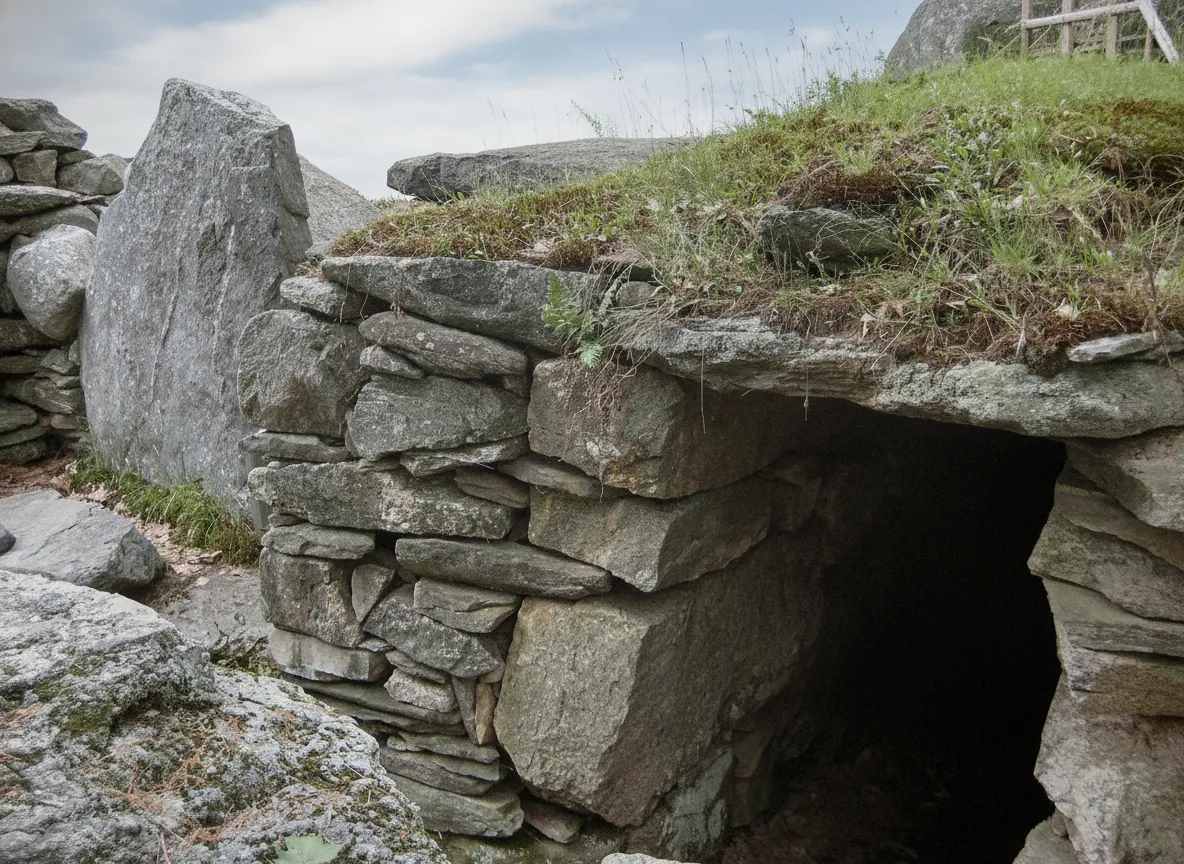
Another highlight is the infamous **Sacrificial Stone**. This massive, flat-topped stone features a carved groove some interpret as a channel for draining liquids, possibly from ancient rituals. While its true purpose is hotly debated – some suggest it was simply a cider press – its presence adds to the site's dark allure and ancient mystique. You'll also encounter numerous other stone chambers, some partially collapsed, others remarkably intact, each with its own proposed function, from ancient dwellings to storage areas.
But perhaps the most compelling elements are the **astronomical alignments**. As you walk around the complex, your guide will point out specific marker stones that align perfectly with the solstices and equinoxes. Imagine standing here at dawn on the summer solstice, watching the sun rise directly over a designated marker stone – a breathtaking reminder of the ancient intelligence embedded in these rocks. These precise, deliberate alignments offer the strongest evidence for the site's role as a sophisticated celestial calendar. You’ll also see other intriguing features like the 'Grooved Stone' and the 'Watch House,' each adding another layer to the site's complex narrative.
Planning Your Expedition: Practical Tips for Visiting America's Stonehenge
Ready to embark on your own journey to America's Stonehenge? Here are a few tips to make your visit as enriching as possible:
Location: America's Stonehenge is located in North Salem, New Hampshire, a picturesque drive about an hour north of Boston, Massachusetts, or 30 minutes south of Manchester, New Hampshire.
Best Time to Visit: Spring, summer, and fall offer the most pleasant weather for exploring the outdoor grounds. The foliage in autumn is particularly stunning, adding another layer of beauty to the ancient stones. If you're keen to experience the astronomical alignments firsthand, consider visiting around the solstices (June 21st and December 21st) or equinoxes (March 20th and September 22nd), as the site often hosts special sunrise/sunset events. Check their official website for details.
What to Bring: Wear comfortable walking shoes, as you'll be traversing uneven terrain, dirt paths, and potentially muddy areas. A camera is a must to capture the unique structures and serene New England scenery. Don't forget water, especially on warmer days. Sunscreen and insect repellent are also good ideas.
Accessibility: While the site is outdoors and involves walking, much of it is relatively accessible. However, some paths are unpaved and uneven, so visitors with mobility challenges should inquire directly with the site regarding specific accessibility options.
Hours and Admission: America's Stonehenge is typically open daily, but hours can vary seasonally. It's always best to check their official website (americasstonehenge.org) for current operating hours, admission fees, and any special event schedules before your visit.
Beyond the Stones: While in North Salem, consider exploring other local attractions. The region offers charming small towns, scenic drives, and opportunities for hiking and enjoying New Hampshire's natural beauty. Make it a full day trip or even a weekend getaway!
America's Stonehenge is more than just an archaeological site; it's an invitation to engage with history on a deeply personal level. It’s a place where the past isn’t neatly packaged, but rather presented as a compelling mystery, waiting for you to ponder its secrets. Whether you leave convinced of its ancient origins or intrigued by the colonial farm theory, one thing is certain: your visit will spark your imagination and challenge your perceptions of America's hidden past. So, next time you're dreaming of ancient wonders, remember that you don't have to cross oceans to find them. A short journey to New Hampshire might just lead you to one of the most enigmatic and awe-inspiring places on Earth.
Essential Travel Information
- Location America's Stonehenge (Mystery Hill), United States
- Best Time Spring, Summer, Fall (especially autumn foliage). Solstice and Equinox events are special.
- Getting There Located in North Salem, New Hampshire. Approximately 1 hour drive north of Boston, MA, or 30 minutes south of Manchester, NH. Best reached by car.
- Airport Manchester-Boston Regional Airport (MHT), Boston Logan International Airport (BOS)
- Budget Budget/Mid-range. Admission fee around $15-20 per adult. Daily cost depends on accommodation and dining choices, but can be kept low for a day trip.
- Language English
Find Places to Stay Near America's Stonehenge (Mystery Hill)
Compare hotels, hostels, and unique stays in United States.
Search AccommodationTours & Experiences Near America's Stonehenge (Mystery Hill)
Book guided tours, day trips, and unique experiences.
Browse Tours