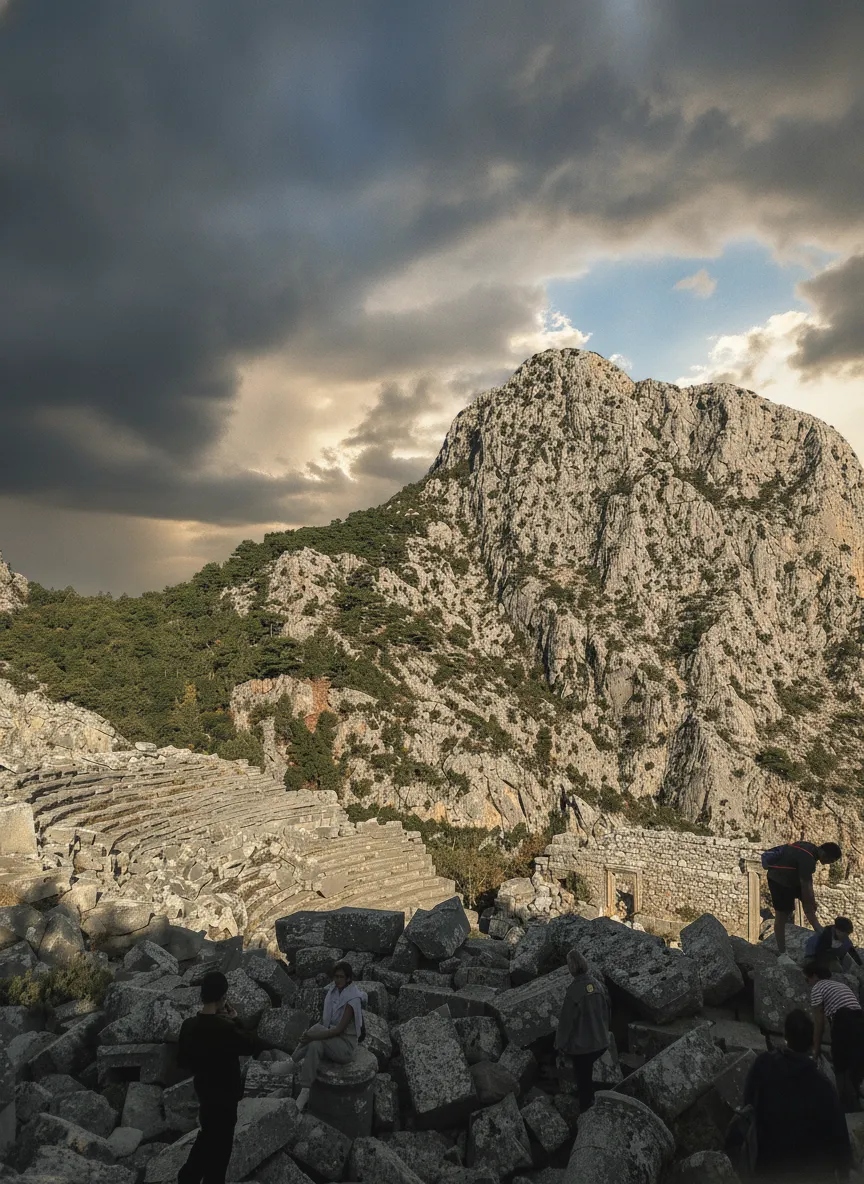
Imagine a place where history isn't just preserved in dusty museums, but breathes through crumbling stones, where ancient spirits whisper on mountain winds, and nature has gently, yet powerfully, begun to reclaim what was once a mighty civilization. Perched precariously atop a rugged peak within a sprawling national park in Turkey, there lies such a marvel: the Ancient City of Termessos. This isn't just another ruin; it's a ghost of a civilization, a testament to indomitable human spirit, and a site so spectacularly unique that it once famously defied the might of Alexander the Great himself. If you're yearning for an adventure that blends breathtaking natural beauty with profound historical intrigue, prepare to be captivated by Termessos – a hidden gem waiting to be rediscovered.
What Makes Termessos an Unforgettable Journey?
In a country brimming with archaeological wonders, Termessos stands out not just for its incredible state of preservation, but for its sheer audacity. Nestled high in the Güllük Dağı National Park, within the dramatic embrace of the Taurus Mountains near Antalya, this isn't a city that's easy to reach, and that's precisely part of its charm. Unlike Ephesus or Pamukkale, you won't find hordes of tour buses here. Instead, you'll embark on a journey that feels like a genuine expedition into the past, where the silence is broken only by the rustling leaves and the distant calls of birds.
What truly sets Termessos apart is its story of defiance. Its inhabitants, the ancient Solymi, were a fierce, independent people who carved their city into the very rock face. Their strategic genius and unyielding resolve were so formidable that in 333 BC, even Alexander the Great, then at the height of his power, was forced to abandon his siege, famously stating, "I would not waste a single day besieging a nest of eagles." This legacy of resilience permeates the air, making every step through its ruins a walk through a narrative of courage and freedom.
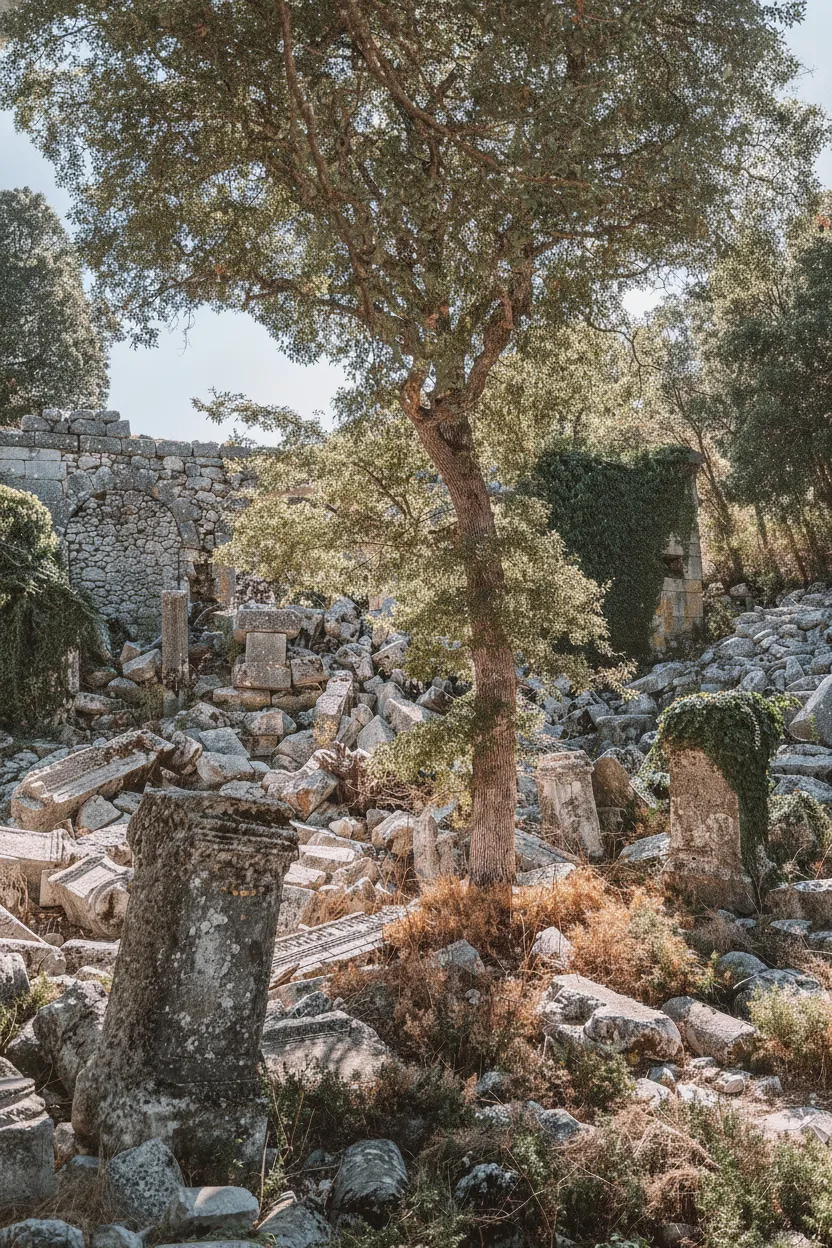
Beyond its gripping history, Termessos offers an aesthetic unlike any other. Here, the impressive Hellenistic and Roman structures – from grand city walls and a vast necropolis to an astonishing amphitheater clinging to a cliff edge – are not merely standing; they are intertwined with nature. Towering pine trees grow through ancient foundations, roots grip sarcophagi, and wildflowers bloom amidst fallen columns. It's a hauntingly beautiful tableau where humanity's ambition meets the relentless, slow power of the natural world, creating an atmosphere of profound serenity and wonder.
A Glimpse into the Past: The History of Termessos
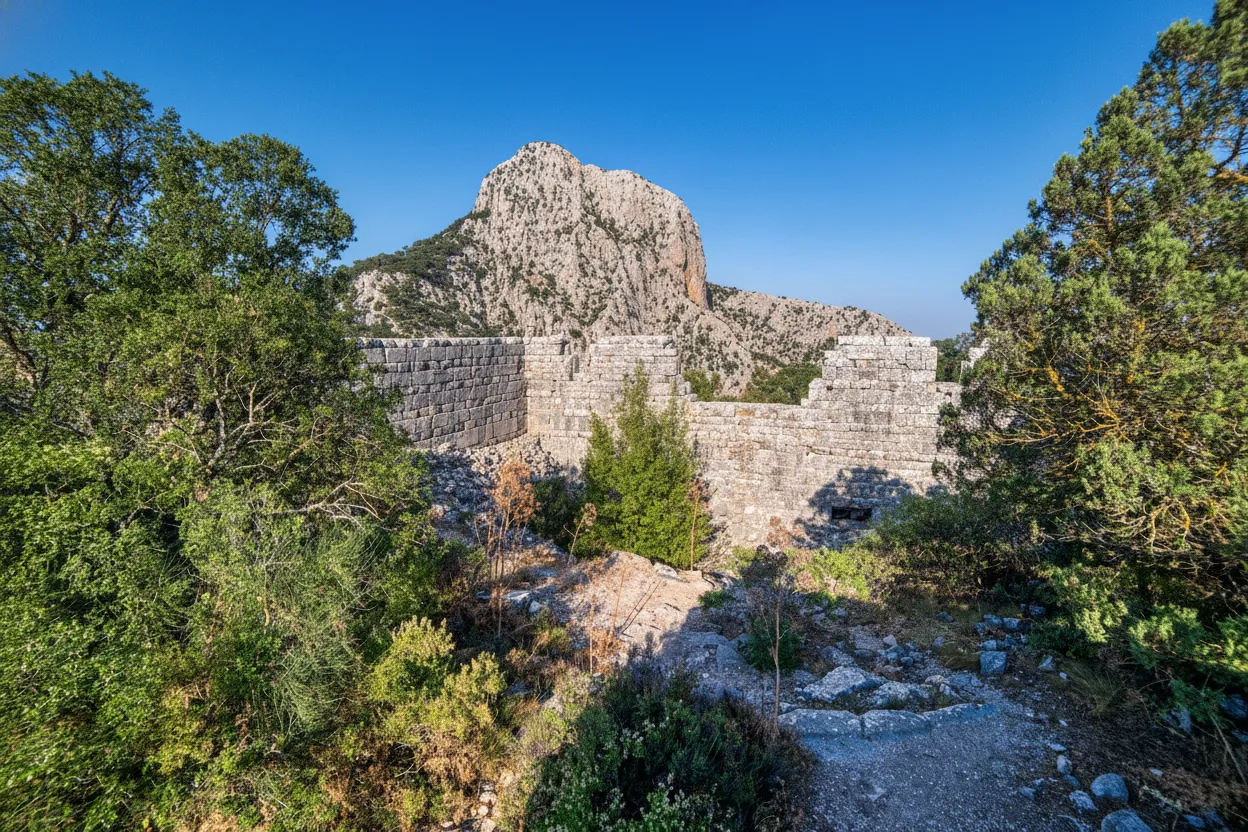
The story of Termessos begins with the Solymi, an indigenous Anatolian people whose roots stretched back millennia. Mentioned even in Homer's Iliad, they were known for their warlike nature and their deep connection to their mountain home. They chose a site of unparalleled natural defense, building their city into the rugged terrain, making it almost impregnable.
The defining moment in Termessos's history, as mentioned, was the siege by Alexander the Great. After conquering most of Asia Minor, Alexander arrived at Termessos expecting another swift victory. However, the Solymi, secure in their formidable mountain fortress and fiercely independent, refused to yield. Alexander, realizing the immense cost in time and lives it would take to conquer such a stronghold, made the pragmatic decision to bypass Termessos and continue his campaign eastward. This act of defiance etched Termessos into the annals of history as one of the few places to successfully resist the Macedonian conqueror.
Despite their independence, Termessos flourished during the Hellenistic and Roman periods. Its strategic location on trade routes, though challenging, allowed it to maintain its autonomy and prosperity. The city developed impressive civic structures, temples, and a sophisticated water system. It was granted special status by the Romans, allowing it to mint its own coins and govern itself with considerable freedom. This golden age saw the construction of many of the magnificent ruins we see today.
The eventual decline of Termessos is not fully understood but is believed to be a combination of factors. Earthquakes likely damaged its infrastructure, particularly its vital water supply system. Over time, as trade routes shifted and political landscapes changed, the city's isolation became a disadvantage rather than a strength. By the 5th century AD, Termessos was gradually abandoned, leaving its impressive ruins to be slowly embraced by the surrounding forest, preserving it as a silent sentinel of a bygone era.
Exploring the Ghost City: What You'll See at Termessos
Your visit to Termessos is an adventure from the moment you begin the ascent. The winding road through Güllük Dağı National Park, flanked by fragrant pine forests, sets the stage. Once you reach the parking area, a well-maintained but uphill path leads you deeper into the ancient city, gradually revealing its secrets.
One of the first and most striking sights you'll encounter is the vast Necropolis. Thousands upon thousands of sarcophagi, many intricately carved, lie scattered amongst the trees, a haunting introduction to the city's past inhabitants. It's a powerful reminder of the sheer scale of life that once thrived here, and the reverence with which the Solymi regarded their dead.
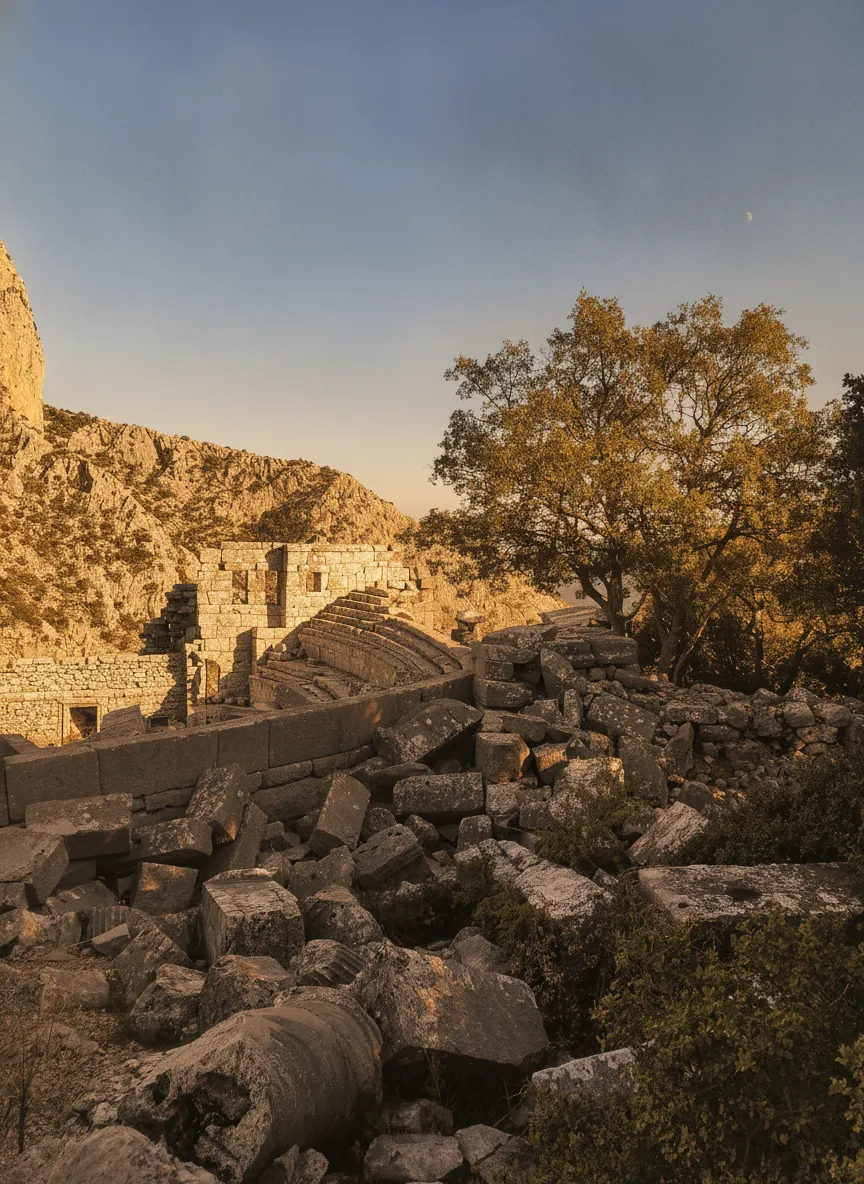
As you continue your climb, you'll discover the remains of the city walls, an Odeon (a small theater), and various temples dedicated to gods like Zeus Solymeus, the city's patron deity. The Agora, or marketplace, still hints at the bustling commercial heart it once was, surrounded by stoas and civic buildings. You can wander through the ruins of the Gymnasium and the Roman baths, imagining the daily routines of the Termessians.
But the true crown jewel, the sight that will undoubtedly take your breath away, is the magnificent Theater. Carved into the mountainside, it offers an absolutely unparalleled panoramic view of the surrounding Taurus peaks and the distant Antalya plain. Standing on its ancient steps, you can almost hear the roar of the crowd, the dramatic performances, and the echoes of history carried on the mountain breeze. It's a moment of profound connection to the past, a place where the human achievement of building such a structure in such a challenging location truly resonates.
Throughout your exploration, notice how nature has become an integral part of the ruins. Trees sprout from ancient walls, roots crack through paving stones, and moss carpets forgotten altars. This organic integration creates a unique atmosphere, a sense of timelessness where the boundaries between human history and the natural world beautifully blur.
Planning Your Expedition: Practical Tips for Visiting Termessos
Visiting Termessos is an adventure that requires a little planning, but the rewards are immense. Here's what you need to know:
- Location: Termessos is located approximately 30 kilometers northwest of Antalya city center, within the Güllük Dağı National Park.
- Getting There: The easiest way to reach Termessos is by rental car. The drive from Antalya is scenic and takes about 45 minutes to an hour. Public transport is not a viable option directly to the site, though you might find taxis willing to take you (negotiate the price for waiting time). Some local tour operators in Antalya may offer guided trips.
- Footwear and Fitness: This is crucial! The site involves significant uphill walking on uneven, rocky terrain. Wear sturdy hiking shoes or comfortable trainers with good grip. A moderate level of fitness is recommended.
- Best Time to Visit: Spring (April-May) and Autumn (September-October) are ideal. The weather is pleasant, and the national park is at its most beautiful. Avoid the scorching summer months (June-August) when temperatures can be very high, making the climb challenging. Winter can be cold, and snow is possible at higher elevations.
- Facilities: Termessos is a natural park and archaeological site, not a commercial tourist attraction. There are very limited facilities. Ensure you bring plenty of water, snacks, and any other essentials you might need. There are usually toilets near the park entrance/parking area, but nothing within the ancient city itself.
- Time Needed: Allocate at least 3-4 hours to explore the main areas of the city at a comfortable pace, plus travel time. If you love photography or want to delve deeper, you could easily spend half a day or more.
- Respect the Site: As a protected national park and archaeological site, it's vital to respect the environment and the ruins. Stay on marked paths, do not climb on fragile structures, and take all your litter with you.
- Combine Your Trip: You could combine a morning at Termessos with an afternoon exploring the natural beauty of Güllük Dağı National Park or head back to Antalya for its vibrant old town (Kaleiçi) and beautiful beaches.
Termessos isn't just a destination; it's an experience. It's a journey back in time, a physical challenge, and a profound encounter with both human history and the raw power of nature. For those who seek beyond the well-trodden paths, for adventurers with a soul for history, and for anyone who loves a good story of defiance, Termessos offers an unparalleled opportunity to walk through the whispers of a lost civilization. Add this breathtaking hidden gem to your travel list – you won't regret discovering the eagle's nest that even Alexander couldn't conquer.
Essential Travel Information
- Location Ancient City of Termessos, Turkey
- Best Time April-May, September-October (Spring and Autumn)
- Getting There Best by rental car from Antalya (approx. 45-60 min drive). Taxis or private tours are alternatives.
- Airport Antalya Airport (AYT)
- Budget Mid-range (Entry fee, car rental, fuel/taxi, snacks. Expect around $50-$100 USD for a day trip excluding accommodation).
- Language Turkish
Find Places to Stay Near Ancient City of Termessos
Compare hotels, hostels, and unique stays in Turkey.
Search AccommodationTours & Experiences Near Ancient City of Termessos
Book guided tours, day trips, and unique experiences.
Browse Tours