What Makes Arroyo Tapiado Mud Caves So Special?
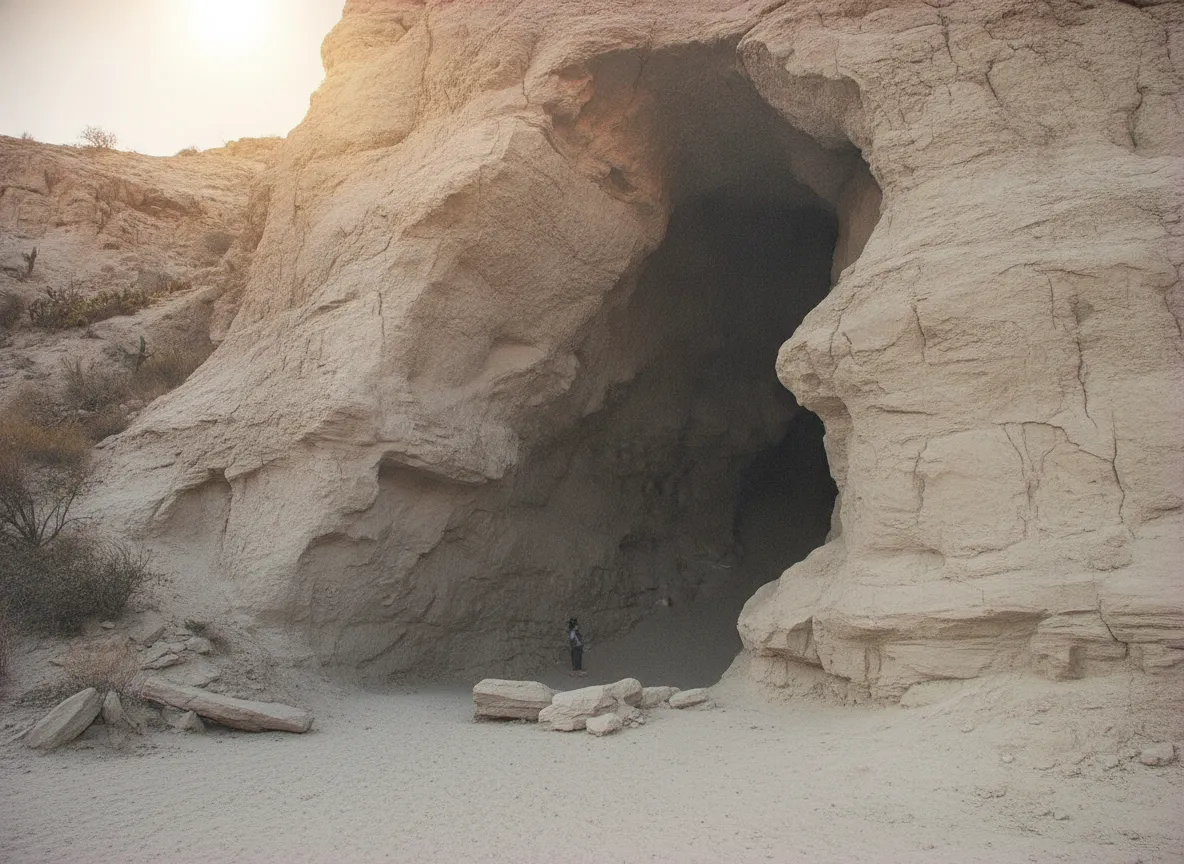
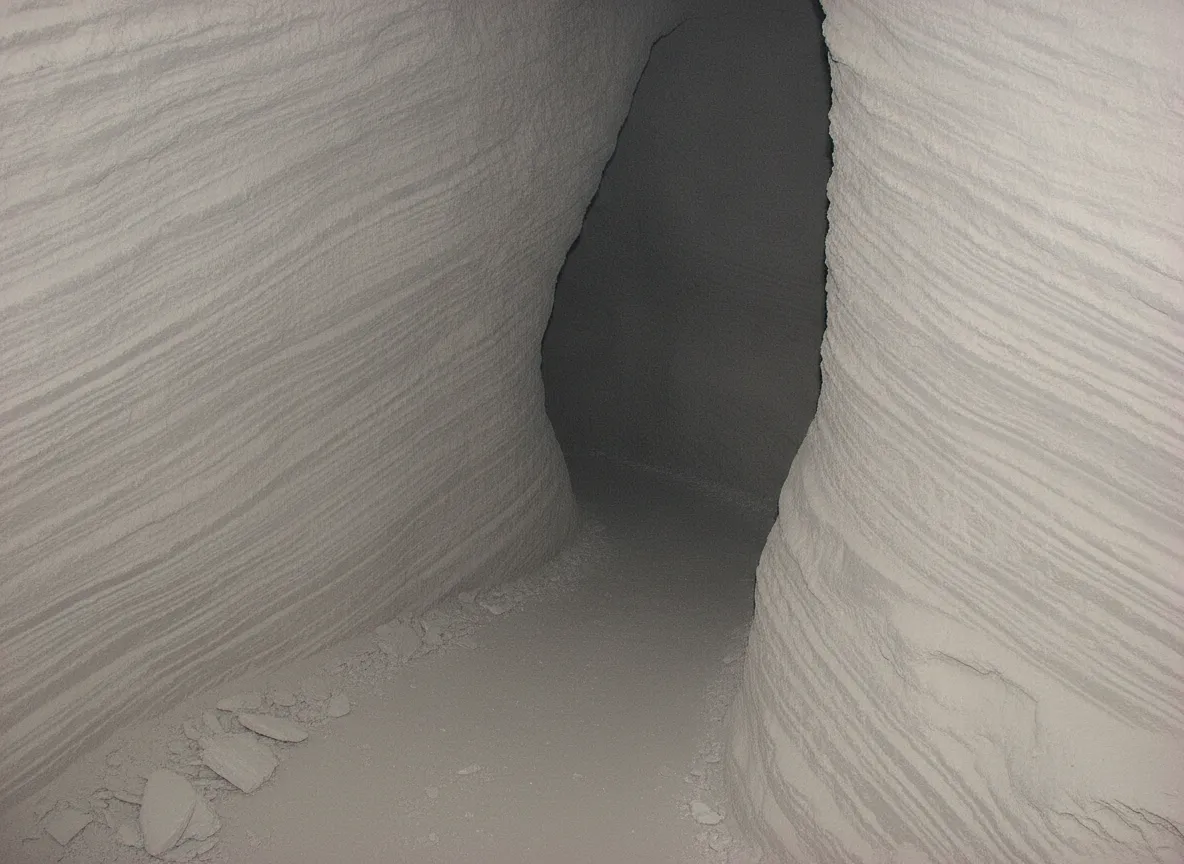
What sets the Arroyo Tapiado Mud Caves apart is their extraordinary composition and formation. Unlike the hard, resilient limestone caves found worldwide, these intricate passages are carved from soft, sedimentary mudstone. Imagine millennia of flash floods and persistent water flow slowly, meticulously eroding channels through layers of compacted mud and silt. This isn't about chemical dissolution; it's about pure, raw erosion, shaping a landscape that is constantly, subtly changing. The result is a honeycomb of interconnected chambers, tunnels, and slot canyons that defy belief. The mud walls, often surprisingly smooth to the touch, showcase the fluid artistry of water, creating organic shapes, undulating ceilings, and surreal formations that seem to ripple around you. There are no glittering crystals here, no ancient fossils encased in stone. Instead, you'll find a living, breathing geological canvas, where the very air is thick with the dust of ancient sediments, and the silence is broken only by the crunch of your boots and the occasional, unsettling whisper of falling particles. It’s a place of profound geological beauty and an undeniable sense of impermanence, making every exploration a truly unique experience.A Journey Through Geologic Time: The Formation Story
The story of the Arroyo Tapiado Mud Caves is written in layers of sand, silt, and clay, deposited over millions of years. The Anza-Borrego Desert, while arid today, has experienced dramatic climatic shifts throughout its history. Ancient rivers, lakes, and deltas once covered this region, laying down thick beds of fine-grained sediments. Over time, these sediments compacted into the soft mudstone we see today. The true architects of the mud caves are the powerful, albeit infrequent, rain events that sweep through the desert. When torrential downpours hit the badlands, the arroyos (ephemeral streambeds) transform into raging torrents. These flash floods, carrying immense volumes of water and sediment, carve directly into the soft mudstone. Over countless cycles of wetting, erosion, drying, and further erosion, the water has sculpted an intricate network of underground passages. Think of it like a natural plumbing system, with water finding the path of least resistance, gradually widening cracks, creating new tunnels, and connecting existing chambers. The relentless power of water, combined with the yielding nature of the mudstone, has created a geological wonder that continues to evolve with every major rain event. This ongoing process means that sections can collapse, new passages can open, and the caves are never truly the same from one visit to the next.Exploring the Crumbling Labyrinth: What You'll Discover Inside
Stepping into the Arroyo Tapiado Mud Caves is like entering another dimension. The desert heat fades, replaced by a cool, earthy embrace. Your headlamp beam cuts through the gloom, revealing a world of unexpected grandeur and tight squeezes. You might start in a "massive hall," a cavernous space where you can stand upright, its ceiling a dizzying dome of sculpted mud. From there, the passages can narrow dramatically, forcing you to stoop, crawl, or even wiggle through incredibly tight slots – often referred to as "squeezes" or "birth canals."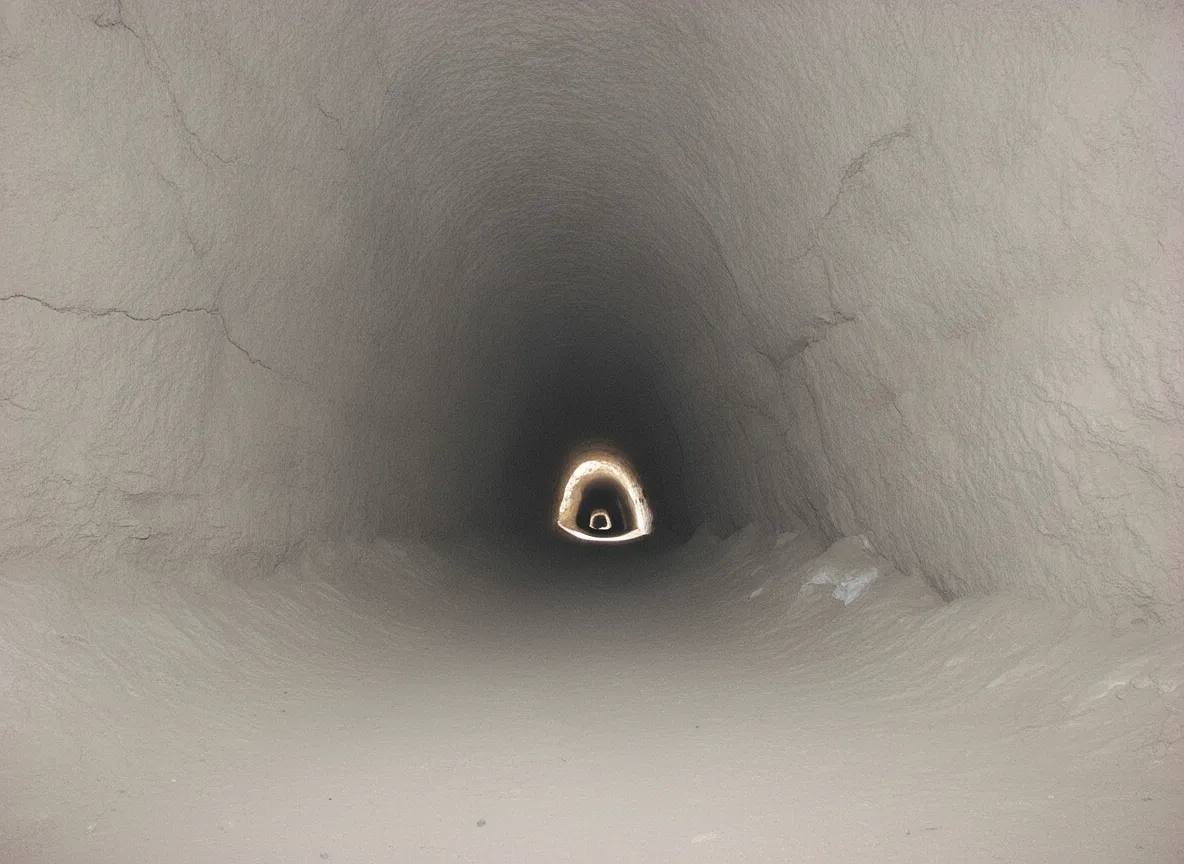 The textures and patterns on the walls are mesmerizing. Water erosion has created flowing lines, swirling patterns, and delicate fluting that resemble abstract art. You might spot small "mud balls" formed by water rolling and accumulating sediment, or notice how different layers of mudstone create subtle variations in color, from light ochre to deep rust. The silence inside is profound, almost oppressive, amplifying the sounds of your own breath and the occasional drip of moisture. It's a primal environment that challenges your senses and your perception of space. You'll encounter dead ends, multiple forks, and interconnected loops, making navigation a constant puzzle and a thrilling exercise in exploration. The feeling of vulnerability, coupled with the sheer wonder of these natural sculptures, creates an unforgettable adventure.
Essential Tips for Your Mud Cave Expedition
Exploring the Arroyo Tapiado Mud Caves is not for the faint of heart, nor should it be undertaken lightly. This is an inherently risky environment, and proper preparation is paramount for a safe and enjoyable experience. * **Safety First, Always:** * **Never Go Alone:** Always explore with at least one other person. In case of an emergency, having a companion is critical. * **Tell Someone Your Plans:** Inform a reliable person of your exact itinerary, including where you're going, your planned route, and your expected return time. * **No Rain, No Go:** Absolutely avoid visiting during or immediately after rain. Flash floods are a severe danger, and wet mud caves are highly unstable and prone to collapse. Check weather forecasts meticulously. * **Leave No Trace:** Pack out everything you pack in. Do not disturb the mud formations or carve on the walls. Preserve this fragile environment for future explorers. * **Essential Gear:** * **Multiple Light Sources:** A primary headlamp is crucial, but you *must* carry at least two additional backup light sources (e.g., a handheld flashlight, another headlamp) with fresh batteries. Total darkness underground is disorienting and dangerous. * **Helmet:** A climbing or caving helmet is highly recommended to protect against bumps and potential falling debris. * **Water and Snacks:** Carry more water than you think you'll need. Dehydration is a serious risk in the desert, even underground. * **Appropriate Clothing:** Wear old clothes that you don't mind getting dirty (and they *will* get dirty!). Long sleeves and pants can protect against scrapes. Layers are good, as cave temperatures can vary. Sturdy hiking boots with good grip are essential. * **Navigation Tools:** A detailed map of the cave system (available online or at the visitor center) is a must. A GPS device or a smartphone with downloaded offline maps (and a power bank) can be invaluable, but remember that GPS signals can be unreliable underground. * **First-Aid Kit:** A basic kit for minor cuts, scrapes, and sprains. * **Getting There:** * **High-Clearance 4WD Vehicle:** The roads leading to the Arroyo Tapiado Mud Caves are unpaved, sandy, and often deeply rutted. A high-clearance 4WD vehicle is absolutely necessary to access the trailheads. * **Directions:** Access is typically from the south, off County Road S2, or from the north, via the badlands near Borrego Springs. Specific routes can change due to erosion, so consult current park maps and conditions.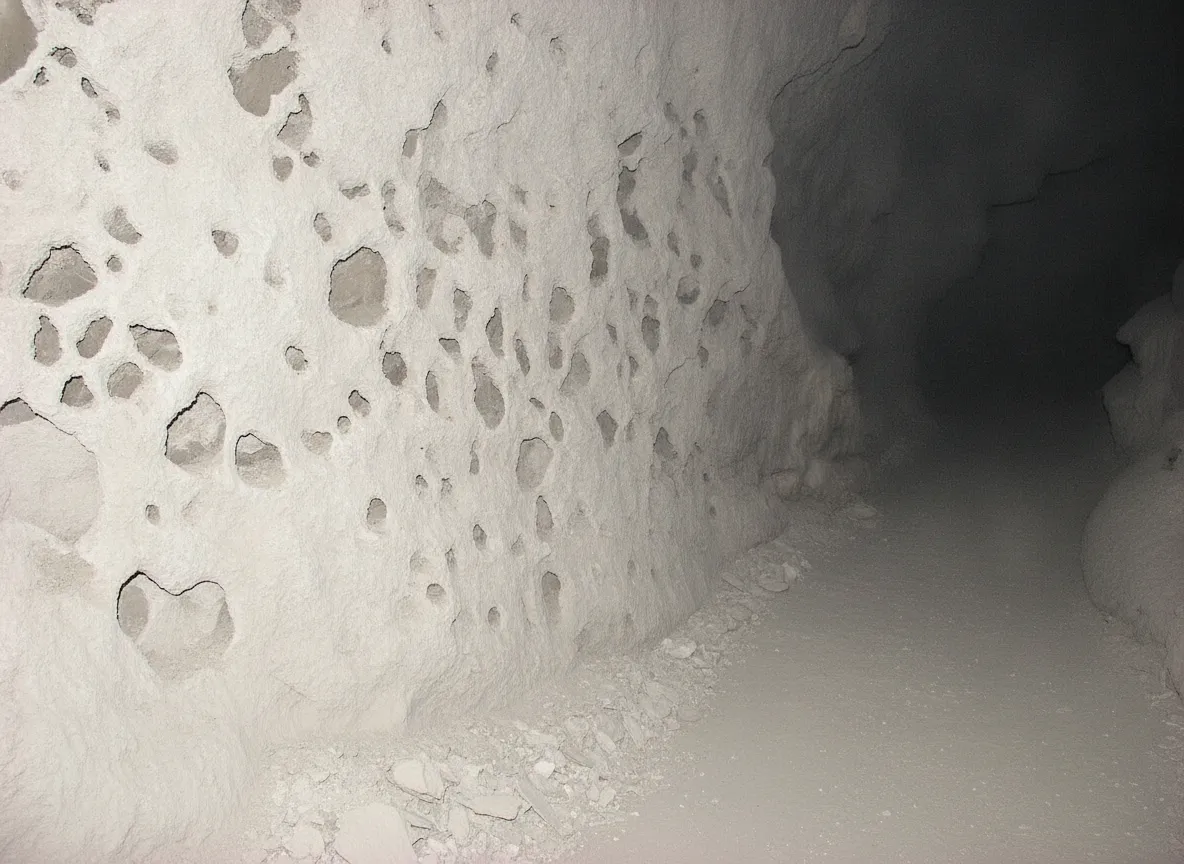 The Arroyo Tapiado Mud Caves offer an unparalleled adventure for those willing to embrace the challenge and respect the environment. It’s a journey into the raw, untamed heart of the desert, a testament to the enduring power of water, and a truly unforgettable experience that will leave you with a profound appreciation for the Earth's hidden wonders. Just remember to tread lightly, explore responsibly, and prepare thoroughly for an adventure unlike any other.
Essential Travel Information
- Location Arroyo Tapiado Mud Caves, USA
- Best Time October to April (cooler months)
- Getting There Requires a high-clearance 4WD vehicle to navigate unpaved, sandy roads off County Road S2 or from Borrego Springs. Consult current park maps for specific access routes.
- Airport San Diego International Airport (SAN)
- Budget Mid-range (approx. $100-$250 per day, excluding significant gear/4WD rental costs)
- Language English
Find Places to Stay Near Arroyo Tapiado Mud Caves
Compare hotels, hostels, and unique stays in USA.
Search AccommodationTours & Experiences Near Arroyo Tapiado Mud Caves
Book guided tours, day trips, and unique experiences.
Browse Tours