A Living Marvel: What Makes Lau Lagoon's Islands So Special?
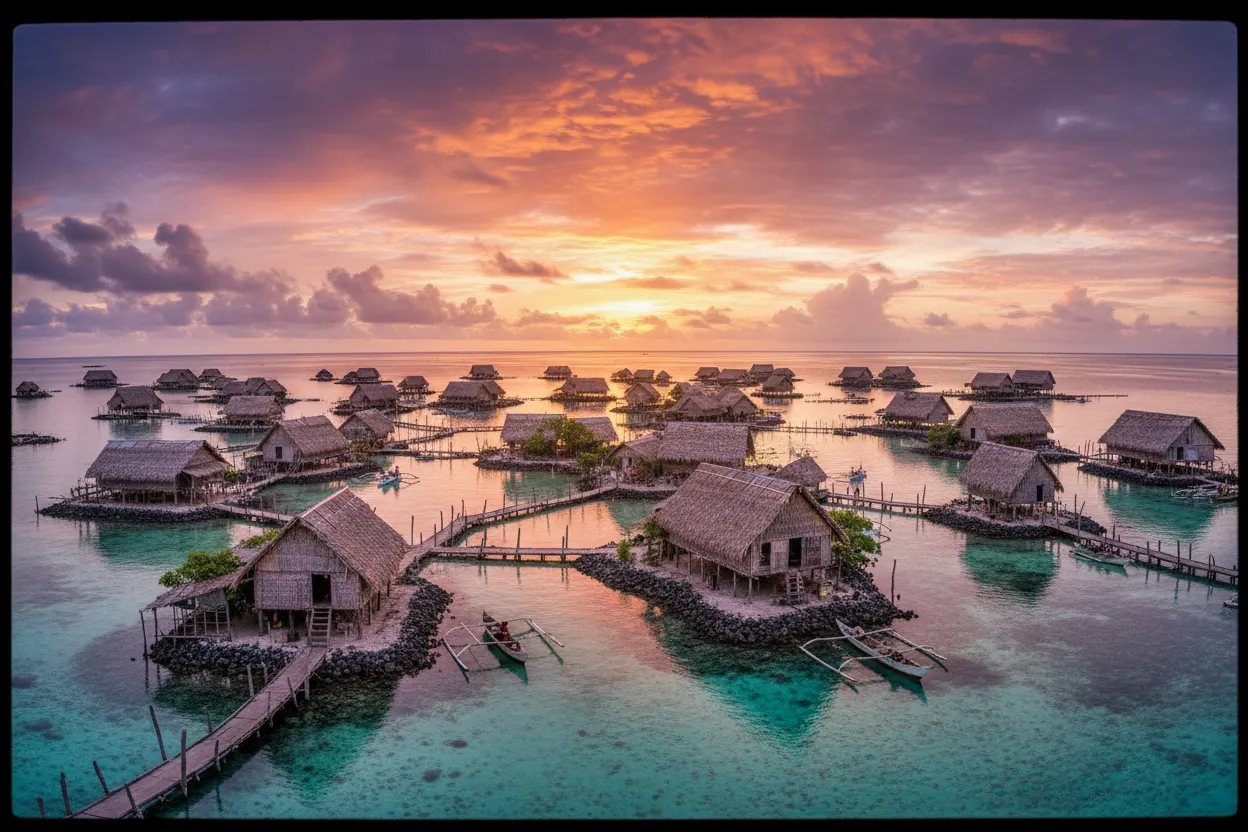
In an era where climate change threatens coastal communities globally, the Artificial Islands of Lau Lagoon stand as a powerful, living example of long-term adaptation and ingenious engineering. For over 400 years, the Kwaio people, specifically the "saltwater people" (as opposed to the "bush people" of the mainland), have been meticulously constructing their homes by piling coral and rock onto shallow reefs. This isn't just about building houses; it's about creating entire landmasses where none existed naturally, transforming a vast, shallow lagoon into a labyrinthine network of interconnected islets, each supporting homes, gardens, and communal spaces.
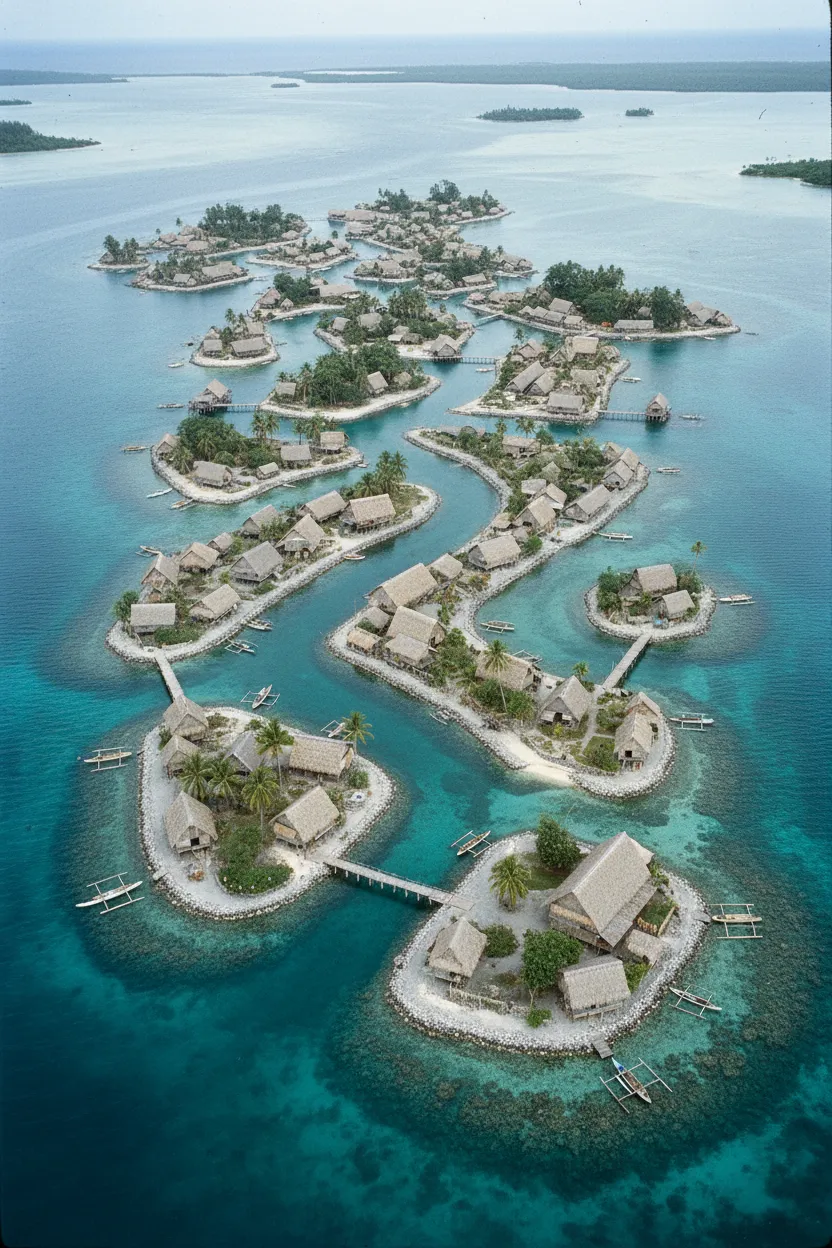
What makes these islands truly extraordinary is their sheer number and the continuous, generational effort involved. Estimates suggest there are hundreds of these islands, ranging from tiny family islets supporting a single hut to larger, more populous communities. Each stone, each piece of coral, has been laboriously gathered from the lagoon floor and carefully placed, creating foundations resilient enough to withstand the relentless Pacific tides and storms. It's a testament to human will and collective effort, a cultural masterpiece built stone by stone, generation after generation.
Beyond the physical construction, these islands represent a unique cultural identity. The Kwaio have developed a distinct way of life intimately tied to the sea, evolving complex social structures, spiritual beliefs, and subsistence practices that set them apart. Their isolation has allowed them to preserve ancient customs and a deep connection to their ancestral heritage, offering a rare glimpse into a civilization that has largely remained untouched by the modern world.
Echoes of the Past: A History Carved in Coral
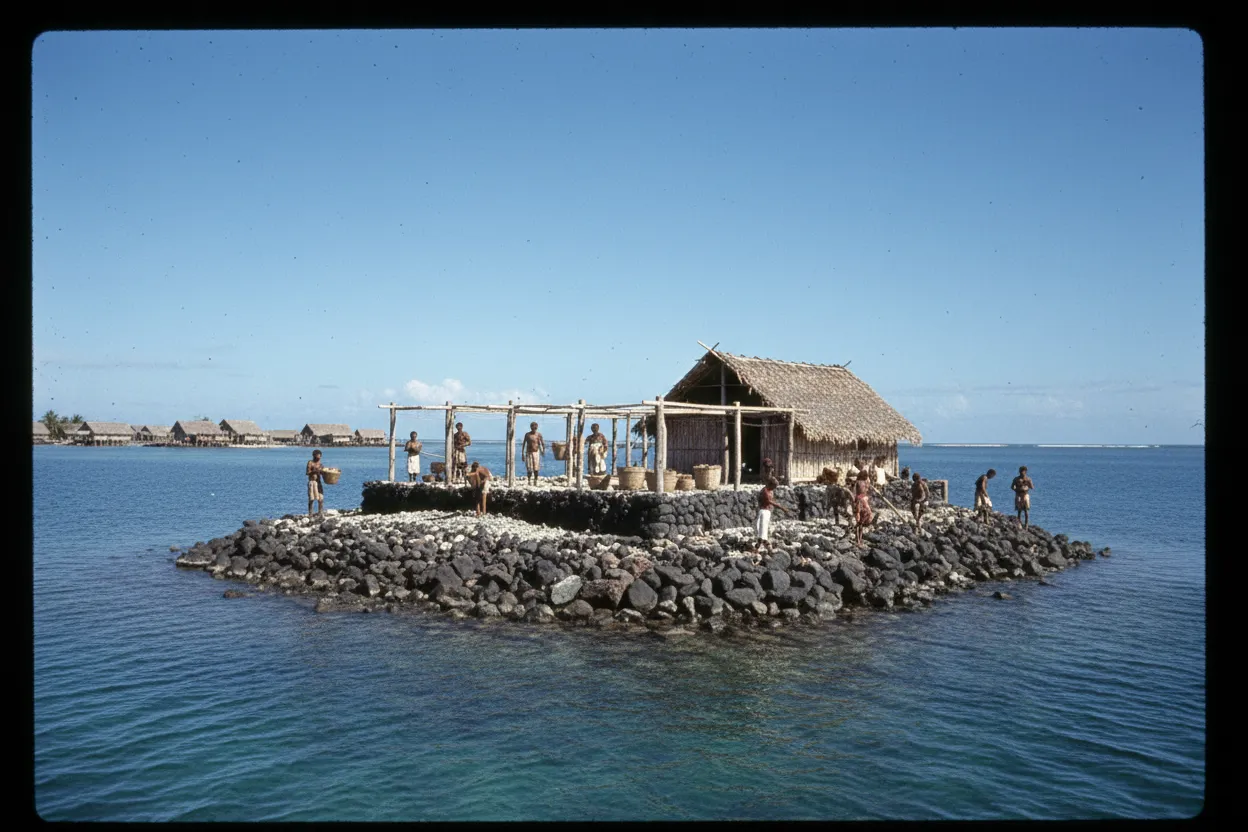
The story of the Artificial Islands of Lau Lagoon is one born of necessity, strategy, and a profound connection to place. Historically, the Kwaio people lived on the rugged interior of Malaita, but faced constant tribal conflicts. Seeking safety and strategic advantage, some groups began to migrate to the coast and, eventually, out into the lagoon. Here, they discovered that by building islands on the shallow reefs, they could create defensible strongholds that were difficult for mainland adversaries to access.
The construction process itself is a marvel. It typically begins with identifying a suitable shallow reef. Large rocks are then ferried by canoe and dropped onto the reef, forming a basic perimeter. Over time, smaller coral fragments, shells, and sand are piled within this perimeter, gradually raising the land above sea level. This painstaking process can take decades, or even centuries, for a single island to reach its full size and stability. The islands are constantly maintained and expanded, a living project that continues to this day.
This shift to a marine existence wasn't just about defense; it also opened up new opportunities for sustenance. The saltwater people became expert fishermen, harvesting the rich marine resources of the lagoon. Their culture evolved around the rhythm of the tides, with canoes becoming their primary mode of transport and communication. Ancestral spirits are believed to reside on and around these islands, reinforcing the deep spiritual significance of their man-made homes. The islands are not just physical structures; they are anchors of identity, history, and community for the Kwaio people.
Stepping into Another World: What You'll Experience
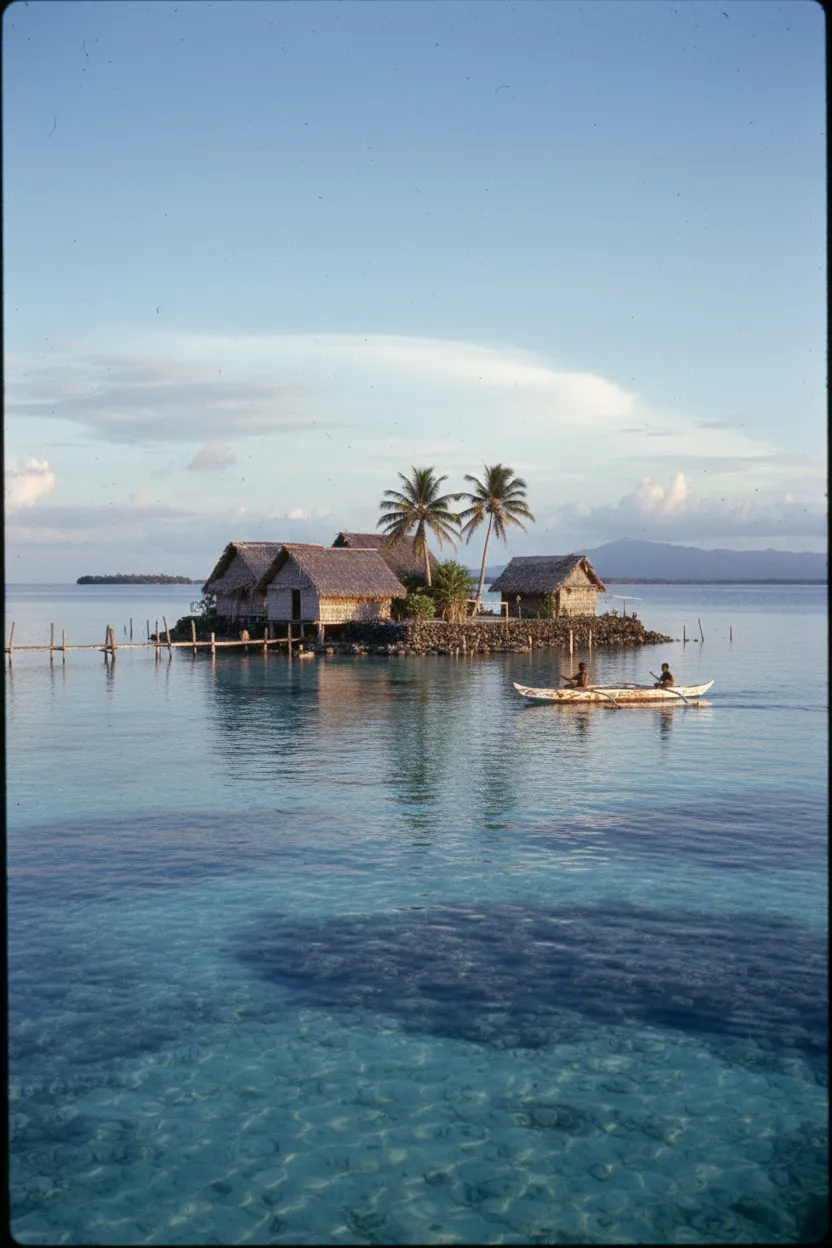
Visiting the Artificial Islands of Lau Lagoon is like stepping back in time, into a vibrant, living museum of human adaptation. As your boat glides through the shimmering turquoise waters, past natural mangrove islets, the first glimpse of the artificial islands is breathtaking. Hundreds of them emerge, each a patchwork of coral and rock, topped with traditional stilt houses made of local timber and thatch. Smoke might curl from cooking fires, and the sounds of children playing or people paddling canoes drift across the water.
Life here is simple, yet profoundly rich. You'll witness daily routines that have remained largely unchanged for generations: men heading out in their dugout canoes to fish, women weaving intricate baskets and mats, and communities gathering for shared meals or ceremonies. The pace is slow, dictated by the sun and the tides. There's a profound sense of peace and community that permeates the lagoon.
Interacting with the Kwaio people is a humbling experience. Their hospitality is genuine, and their willingness to share their unique culture is a privilege. You might be invited to observe a traditional craft, learn about their fishing techniques, or simply sit and listen to stories that weave together history, myth, and daily life. The lagoon itself is teeming with life – vibrant coral reefs, schools of tropical fish, and occasionally, a passing dugong or dolphin. It's a symphony of human resilience and natural beauty, a place that truly leaves an indelible mark on your soul.
Navigating the Unseen: Practical Tips for Visiting Lau Lagoon
While incredibly rewarding, a trip to the Artificial Islands of Lau Lagoon requires careful planning and a deep respect for local culture. This is not a typical tourist destination; it's a remote, culturally sensitive area that demands a responsible approach.
Getting There: Your journey will likely begin by flying into Honiara (HIR) on Guadalcanal, the capital of the Solomon Islands. From Honiara, you'll take a domestic flight to Auki (AKS) on Malaita Island. From Auki, the Lau Lagoon is accessible by boat. It's crucial to arrange transport and a local guide in advance, as independent travel can be challenging and culturally insensitive.
Local Guides & Cultural Protocols: A local guide is absolutely essential. They will facilitate your visit, ensure you respect Kwaio customs, and help you navigate the lagoon. Always ask permission before taking photos, dress modestly (shoulders and knees covered), and be mindful of local traditions. Gifts of basic necessities like rice, sugar, or school supplies are often appreciated, but always offer them respectfully through your guide.
Accommodation: There are no hotels on the artificial islands. Accommodation options are extremely basic, usually guesthouses or homestays in Auki or on the Malaita mainland near the lagoon. Be prepared for rustic conditions, limited electricity, and shared facilities. This is part of the authentic experience.
What to Bring: Pack light but intelligently. Essentials include plenty of water, snacks, sun protection (hat, sunglasses, high SPF sunscreen), insect repellent, a basic first-aid kit, sturdy sandals or water shoes, and a waterproof bag for electronics. A good quality camera is a must, but remember the cultural protocols. Bring cash (Solomon Islands Dollars) as ATMs are non-existent in the lagoon area.
Best Time to Visit: The Solomon Islands generally have a tropical climate. The drier season, typically from May to November, offers more comfortable conditions for travel and exploring the lagoon. However, brief showers can occur year-round.
Responsible Tourism: The Kwaio people have lived in relative isolation for centuries. Your visit is an opportunity to learn and appreciate, not to impose. Tread lightly, minimize your environmental impact, and support local communities directly through your guide and any purchases. Embrace the opportunity to disconnect and immerse yourself in a truly unique way of life.
The Artificial Islands of Lau Lagoon are more than just a destination; they are a profound lesson in human resilience, cultural preservation, and sustainable living. It's a place that challenges our notions of what's possible and reminds us of the incredible diversity of human experience. For the adventurous traveler seeking an authentic, transformative journey, this hidden marvel in the Solomon Islands promises an unforgettable encounter with a civilization that truly built its own world.
Essential Travel Information
- Location Artificial Islands of Lau Lagoon, Solomon Islands
- Best Time May to November (dry season)
- Getting There Fly to Honiara (HIR), then domestic flight to Auki (AKS) on Malaita. From Auki, arrange boat transport with a local guide to Lau Lagoon.
- Airport Auki (AKS)
- Budget Mid-range (due to transport and guide costs) with approximate daily cost of $100-$200 USD (excluding international flights)
- Language Kwaio, Solomon Islands Pijin
Find Places to Stay Near Artificial Islands of Lau Lagoon
Compare hotels, hostels, and unique stays in Solomon Islands.
Search AccommodationTours & Experiences Near Artificial Islands of Lau Lagoon
Book guided tours, day trips, and unique experiences.
Browse Tours