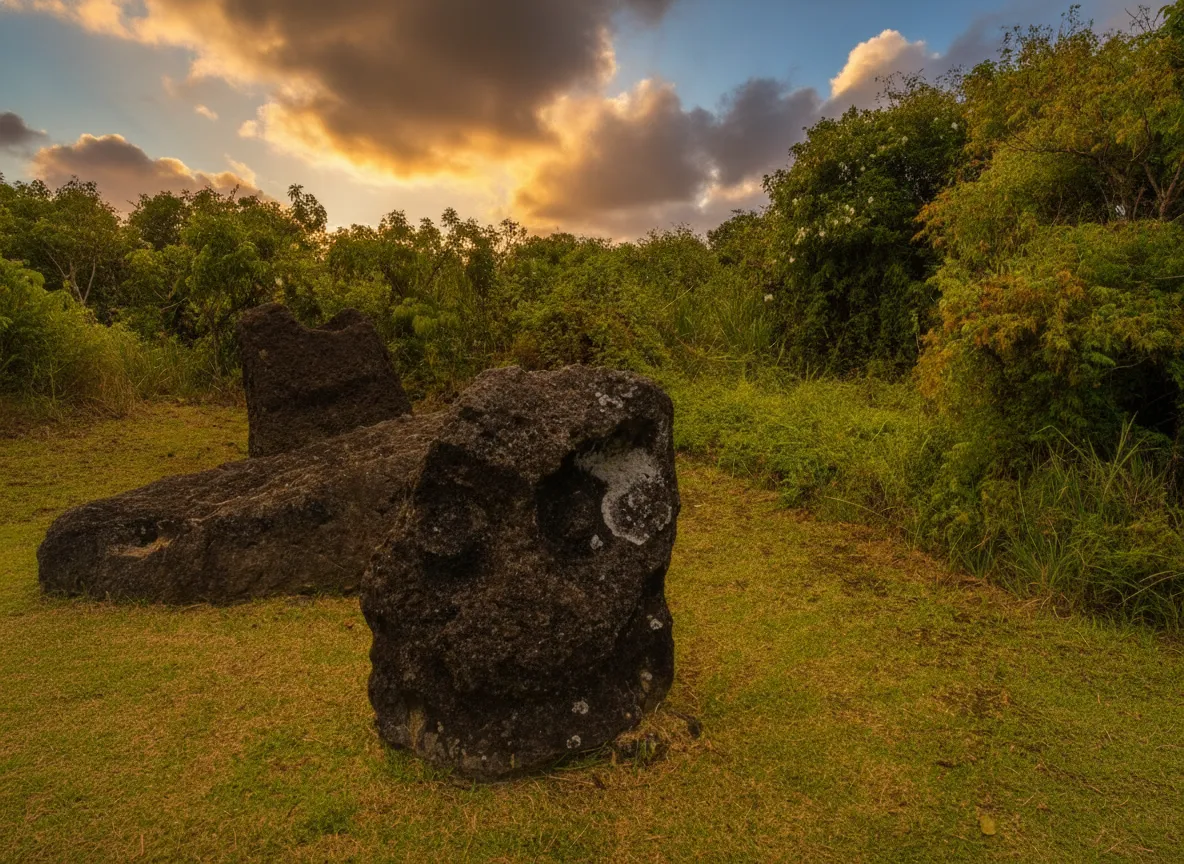
Forget Easter Island. Forget Stonehenge. Imagine a place where, on a remote Pacific island, massive, mysterious stone monoliths, some intricately carved with faces, stand silently in the jungle, whispering tales of an ancient, forgotten civilization. This isn't a fantasy; it's the captivating reality of the Badrulchau Stone Monoliths, a hidden gem nestled on Palau’s largest island, Babeldaob. If you've ever dreamt of uncovering profound archaeological puzzles in an untouched paradise, then prepare to be utterly spellbound by this extraordinary destination.
Unearthing Palau's Ancient Secrets: The Badrulchau Monoliths
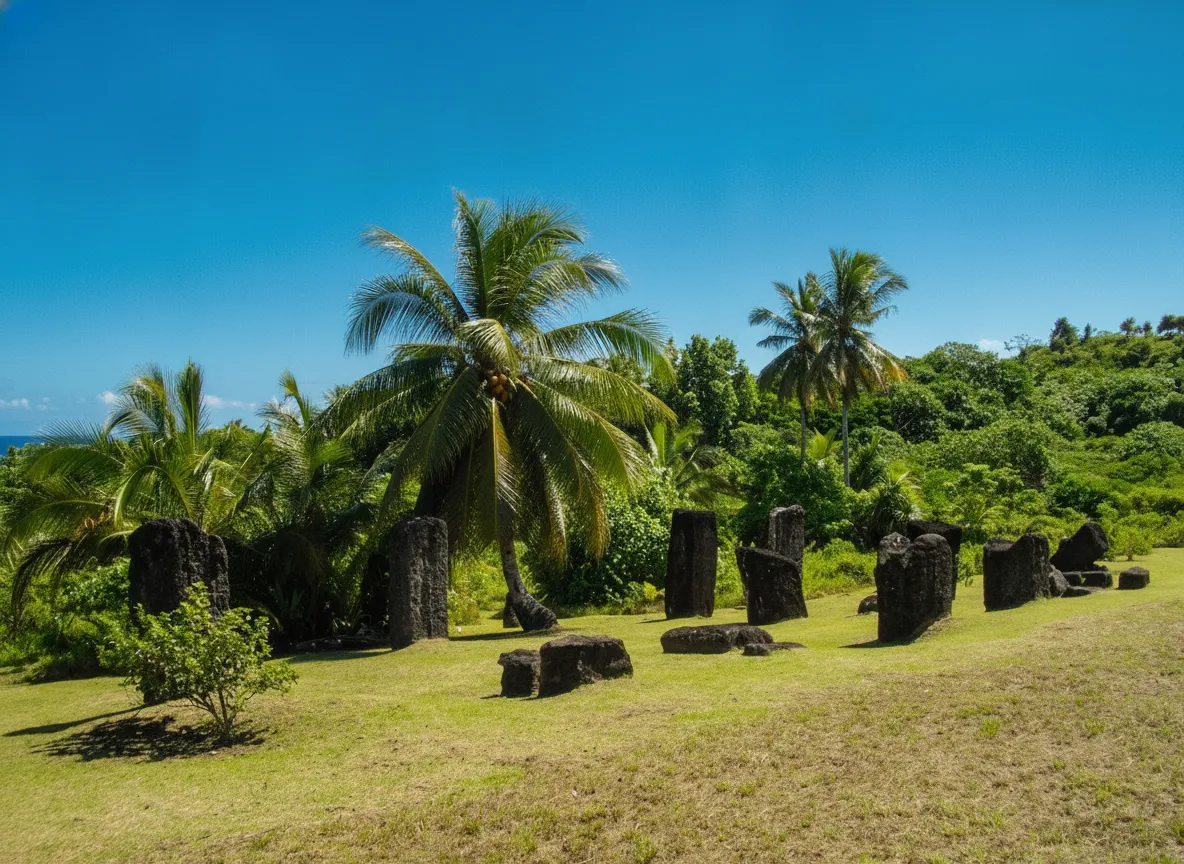
Palau, an archipelago renowned for its pristine marine life and vibrant coral reefs, holds secrets not just beneath its turquoise waters, but deep within its lush, emerald heartland. The Badrulchau Stone Monoliths, located in the Ngarchelong State of Babeldaob, represent one of Micronesia's most astounding and least-understood archaeological sites. Scattered across the verdant landscape, these megalithic basalt structures are an enduring testament to the ingenuity and complex belief systems of ancient Palauan people.
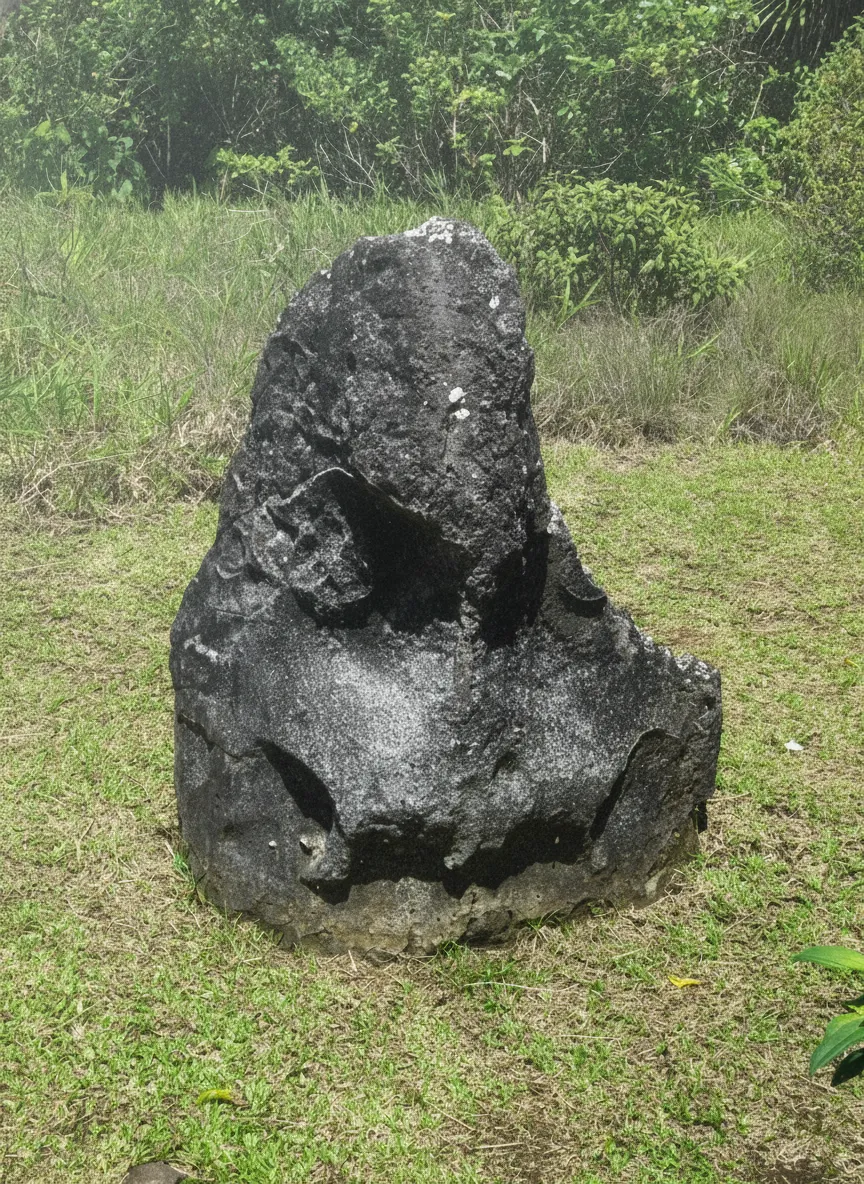
Picture this: colossal stones, some weighing up to five tons and reaching several meters high, meticulously placed thousands of years ago. These aren't just random rocks; many are finely shaped, and some even feature distinct, almost haunting, carved faces. The sheer scale of these structures, erected long before any European contact, is enough to spark a profound sense of wonder. How did these early inhabitants, without modern tools or machinery, quarry, transport, and precisely erect such immense stones? The questions multiply with every step you take through the site, making Badrulchau a truly captivating archaeological puzzle.
The basalt, a dense volcanic rock, speaks volumes about the effort involved. Quarrying such material, shaping it, and then moving it across uneven terrain would have required not only immense physical strength but also a sophisticated understanding of engineering and organization. The very existence of Badrulchau challenges many preconceived notions about the capabilities of ancient Pacific island societies, revealing a level of architectural ambition and societal complexity that is truly remarkable.
A Glimpse into a Forgotten Past: History and Theories
The exact age and purpose of the Badrulchau Monoliths remain shrouded in mystery, fueling their allure. Archaeological estimates suggest these structures were erected anywhere from 100 AD to 1000 AD, possibly even earlier, placing them firmly within a prehistoric era. This makes them a precious window into a time when Palauan society was developing its unique cultural identity, long before the arrival of Spanish, German, or Japanese influences.
While definitive answers are elusive, several fascinating theories attempt to explain the monoliths' existence. One prevailing idea is that they served as celestial observatories, aligning with significant astronomical events. The precise positioning of some stones could have marked solstices or equinoxes, crucial for agricultural cycles or religious ceremonies. Imagine ancient priests or astronomers using these stone sentinels to chart the cosmos, connecting their earthly existence to the vastness of the universe.
Another compelling theory posits that the monoliths represent deities or ancestral chiefs. The carved faces, with their stoic expressions, certainly lend credence to this idea. Perhaps they were erected to honor powerful leaders, to commemorate important events, or to serve as guardians of sacred ground. In many ancient cultures, monumental effigies were believed to embody the spirits of ancestors, providing a tangible link between the living and the spiritual realms. Walking among them, you can almost feel the weight of these ancient beliefs.
Some researchers suggest they might have marked territorial boundaries, served as navigational aids for early voyagers, or even functioned as part of larger ceremonial complexes. What is clear is that their creation was a monumental undertaking, requiring significant communal effort and a shared purpose, indicating a highly organized and sophisticated society. The fact that these structures have stood for centuries, enduring tropical storms and the slow encroachment of the jungle, speaks volumes about their robust construction and the enduring legacy of their creators.
What Awaits You at Badrulchau: Exploring the Stone Sentinels
Visiting Badrulchau is more than just a sightseeing trip; it's an immersive journey into the heart of an ancient enigma. As you trek through the dense, tropical foliage of Babeldaob, the air thick with the scent of damp earth and exotic blossoms, you’ll feel a sense of anticipation building. The path, often narrow and winding, adds to the feeling of discovery, as if you're the first to stumble upon these forgotten giants.
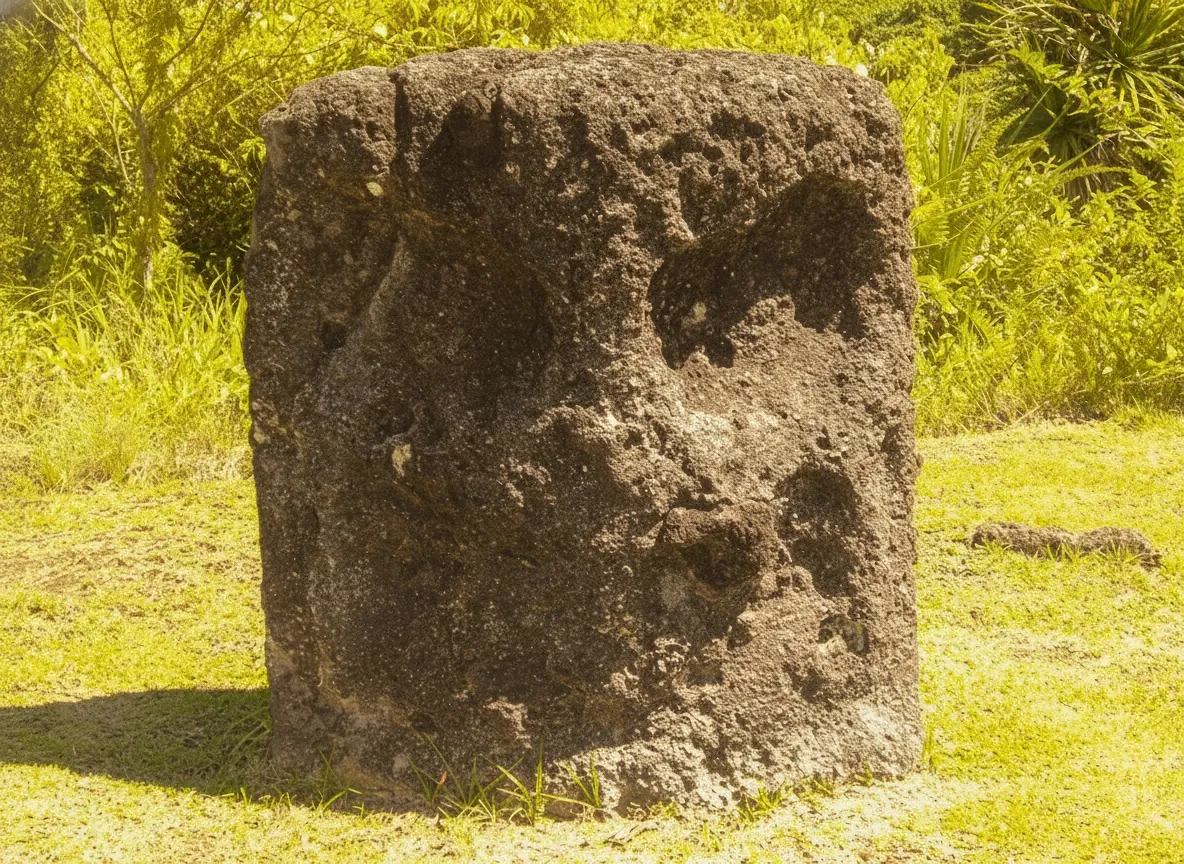
Suddenly, through a clearing, they appear – the Badrulchau Monoliths, standing majestically amidst the towering trees. It's an awe-inspiring sight. The sheer scale is immediately apparent, with some stones reaching heights of over two meters, their dark basalt contrasting beautifully with the vibrant greens of the surrounding jungle. You'll find yourself drawn to the stones with carved faces, their features eroded by time but still discernible, peering out from the past with an unnerving tranquility.
Each monolith tells a silent story. You can trace the lines of the carved eyes, the subtle curve of a mouth, and wonder about the hands that shaped them millennia ago. The site isn't just a collection of stones; it's an open-air museum, where the exhibits are living artifacts, intimately connected to the earth and sky. Take your time to walk among them, to touch the ancient stone, and to absorb the profound sense of history that permeates the air. The atmosphere is one of profound peace, yet also an undeniable sense of mystery, making it a truly unique and spiritual experience.
Practical Tips for Your Badrulchau Adventure
Ready to embark on your own expedition to the Badrulchau Stone Monoliths? Here’s what you need to know to make your visit as smooth and rewarding as possible:
Getting There
Badrulchau is located in Ngarchelong State on Babeldaob Island. The easiest way to reach Babeldaob is by car from Koror, Palau's most populous state and home to the international airport. The drive itself is scenic, traversing the beautiful Babeldaob Compact Road. Once you reach Ngarchelong, the site is typically accessed via a short, well-marked trail. Given the remote location and the historical significance, it is highly recommended to arrange a guided tour. Local guides not only provide transportation but also offer invaluable insights into the history, theories, and cultural importance of the monoliths, enriching your experience immensely.
What to Bring
Palau's tropical climate means humidity and heat. Bring plenty of water to stay hydrated. Good walking shoes are essential, as the paths can be uneven and muddy, especially after rain. Sunscreen and a hat are a must for sun protection, and don't forget insect repellent – the jungle is alive! A camera is indispensable for capturing the stunning scenery and the enigmatic monoliths, but remember to be respectful and mindful of the site's ancient nature.
Respecting the Site
The Badrulchau Monoliths are a sacred and historically significant site. Always practice responsible tourism: do not touch, climb on, or disturb the stones. Stay on marked paths to protect both yourself and the delicate ecosystem. Leave no trace behind – pack out everything you pack in. By respecting the site, you help preserve it for future generations and honor the ancient Palauan heritage it represents.
Combine Your Visit
Babeldaob Island offers more than just Badrulchau. Consider combining your visit with other attractions in Ngarchelong or other states on Babeldaob. Explore ancient terraced villages, discover hidden waterfalls, or visit the Palau National Capitol Building. This allows you to gain a broader appreciation for Palau's diverse history, culture, and natural beauty.
Beyond Badrulchau: The Enduring Legacy
The Badrulchau Stone Monoliths are more than just an archaeological site; they are a profound reminder of humanity's enduring quest for meaning, connection, and permanence. They stand as silent witnesses to millennia of human endeavor, belief, and ingenuity in a corner of the world often overlooked in the grand narratives of ancient civilizations. Visiting Badrulchau is an invitation to step outside the familiar, to ponder the mysteries of a forgotten past, and to connect with the incredible legacy of those who came before us.
As you leave the site, the images of those ancient stone faces will linger in your mind, a powerful testament to the rich tapestry of human history woven across our planet. Badrulchau isn't just a destination; it's an experience that ignites curiosity, fosters respect for ancient cultures, and leaves you with a deep sense of wonder. It’s a hidden jewel, waiting for those intrepid travelers ready to uncover its secrets and contribute to its ongoing story.
Essential Travel Information
- Location Badrulchau Stone Monoliths, Palau
- Best Time November to April (drier season, calmer seas)
- Getting There Fly to Roman Tmetuchl International Airport (ROR) in Koror. From Koror, drive or take a guided tour to Ngarchelong State on Babeldaob Island. The site is accessed via a short trail.
- Airport Roman Tmetuchl International Airport (ROR)
- Budget Mid-range to Luxury (approx. $150-$400+ USD per day, depending on activities and accommodation)
- Language Palauan, English
Find Places to Stay Near Badrulchau Stone Monoliths
Compare hotels, hostels, and unique stays in Palau.
Search AccommodationTours & Experiences Near Badrulchau Stone Monoliths
Book guided tours, day trips, and unique experiences.
Browse Tours