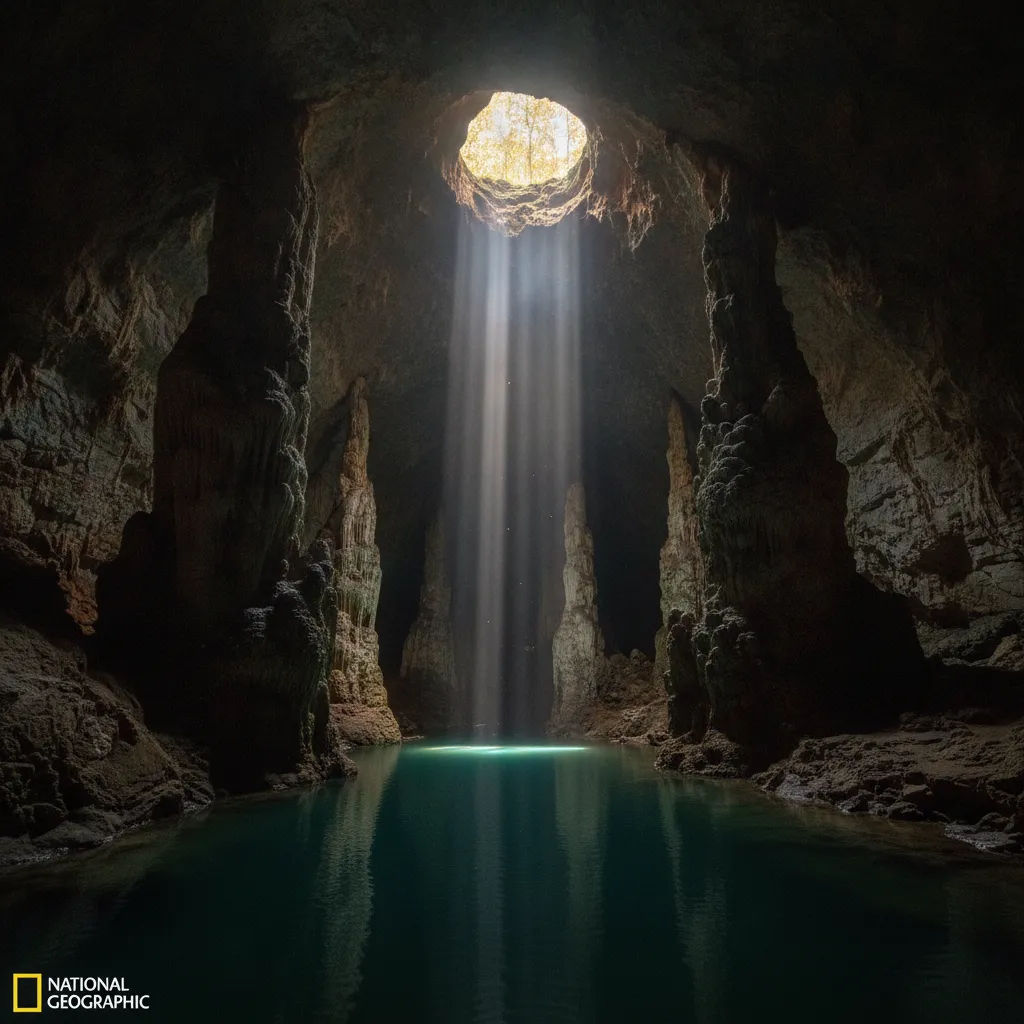
Imagine a place where the earth breathes secrets, where colossal chambers carved by water and time hold not just breathtaking geological wonders, but also the echoes of our most ancient ancestors. Deep within a sacred Tibetan valley in China's remote Gansu Province lies Baishiya Karst Cave, also known as Ganjia Cave – a hidden marvel that is not merely a sight to behold, but a living museum of natural history and human evolution. If you thought you knew the world's great natural wonders, prepare to have your mind expanded. This isn't just a cave; it's a portal to a forgotten past, a testament to nature's artistry, and a crucial piece in the puzzle of humanity's incredible journey.
Unveiling Baishiya: A Nexus of Natural Wonder and Deep History
For centuries, the local Tibetan communities revered Baishiya Cave as a sacred site, a place of pilgrimage and spiritual significance. Yet, beyond its spiritual aura, the cave system remained largely unknown to the outside world, its vastness and profound secrets kept under wraps by its remote location and challenging terrain. Spanning an astonishing 10 kilometers of explored passages, Baishiya Karst Cave is an immense subterranean labyrinth featuring an otherworldly landscape of towering stalagmites, intricate stalactites, shimmering flowstones, and vast underground rivers that carve their way through cathedral-like chambers. Exploring these depths feels like stepping onto another planet, a world of silent majesty where every turn reveals a new, awe-inspiring vista.
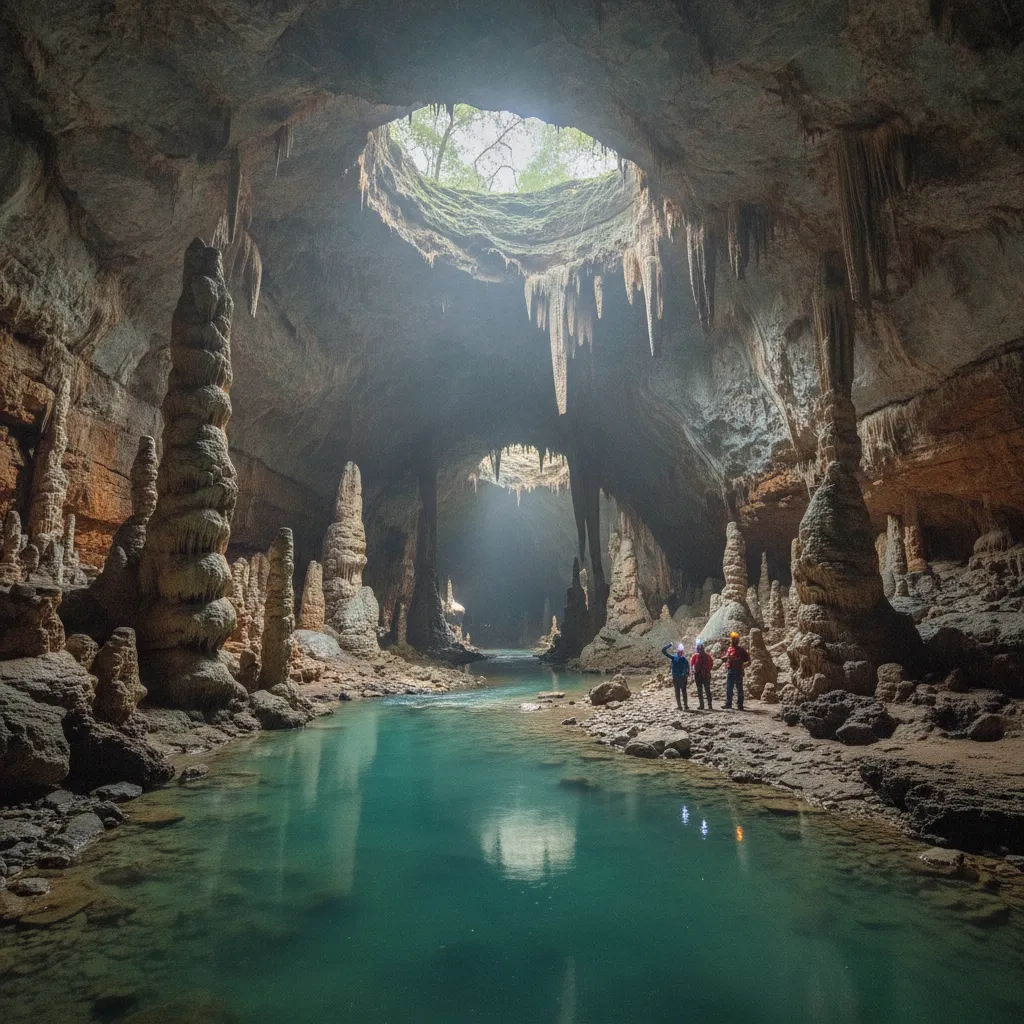
What truly sets Baishiya apart, however, isn't just its immense scale or stunning beauty. It's the groundbreaking scientific discovery made within its silent chambers that has rewritten fundamental chapters of human history. This cave is home to the oldest known human fossil outside Africa from a Denisovan hominin – a jawbone dating back an incredible 160,000 years. This single artifact has revolutionized our understanding of how ancient humans adapted to and thrived in extreme, high-altitude environments like the Tibetan Plateau, pushing back their presence in the region by tens of thousands of years. It’s a place where you can literally feel the weight of deep time, standing where an ancient cousin once stood, gazing at the same timeless formations.
The Denisovan Revelation: Rewriting Human History
The story of the Denisovan mandible found in Baishiya Cave is one of serendipity and scientific triumph. Discovered by a local monk in 1980, the fossil remained largely unstudied for decades until it was brought to the attention of scientists in 2010. It wasn't until 2018, when researchers from Lanzhou University and the Max Planck Institute for Evolutionary Anthropology published their findings, that the world truly understood the significance of this unassuming jawbone. The fossil, identified through ancient protein analysis as belonging to a Denisovan – a mysterious hominin group closely related to Neanderthals – provided the first physical evidence of Denisovans outside the Denisova Cave in Siberia.
This discovery was monumental for several reasons. Firstly, it confirmed that Denisovans were not confined to Siberia but had a much wider geographical range. More importantly, the cave's altitude of over 3,200 meters (10,500 feet) above sea level indicated that these ancient hominins had adapted to low-oxygen environments far earlier than previously thought. Modern Tibetans possess a gene variant (EPAS1) that helps them cope with high altitudes, a variant inherited from Denisovans. The Baishiya mandible provides concrete evidence of this ancient genetic legacy, demonstrating an incredible example of adaptation and survival against extreme odds. Standing in Baishiya Cave, you’re not just witnessing geological time; you’re touching the very roots of human resilience and adaptation.
Journey into the Earth: What You'll Experience
Venturing into Baishiya Karst Cave is an experience that transcends mere sightseeing. As you step through its grand entrance, the outside world fades, replaced by a symphony of dripping water, the gentle rush of underground rivers, and a profound sense of ancient silence. The air grows cooler, carrying the scent of damp earth and minerals, as you move deeper into the earth's embrace.
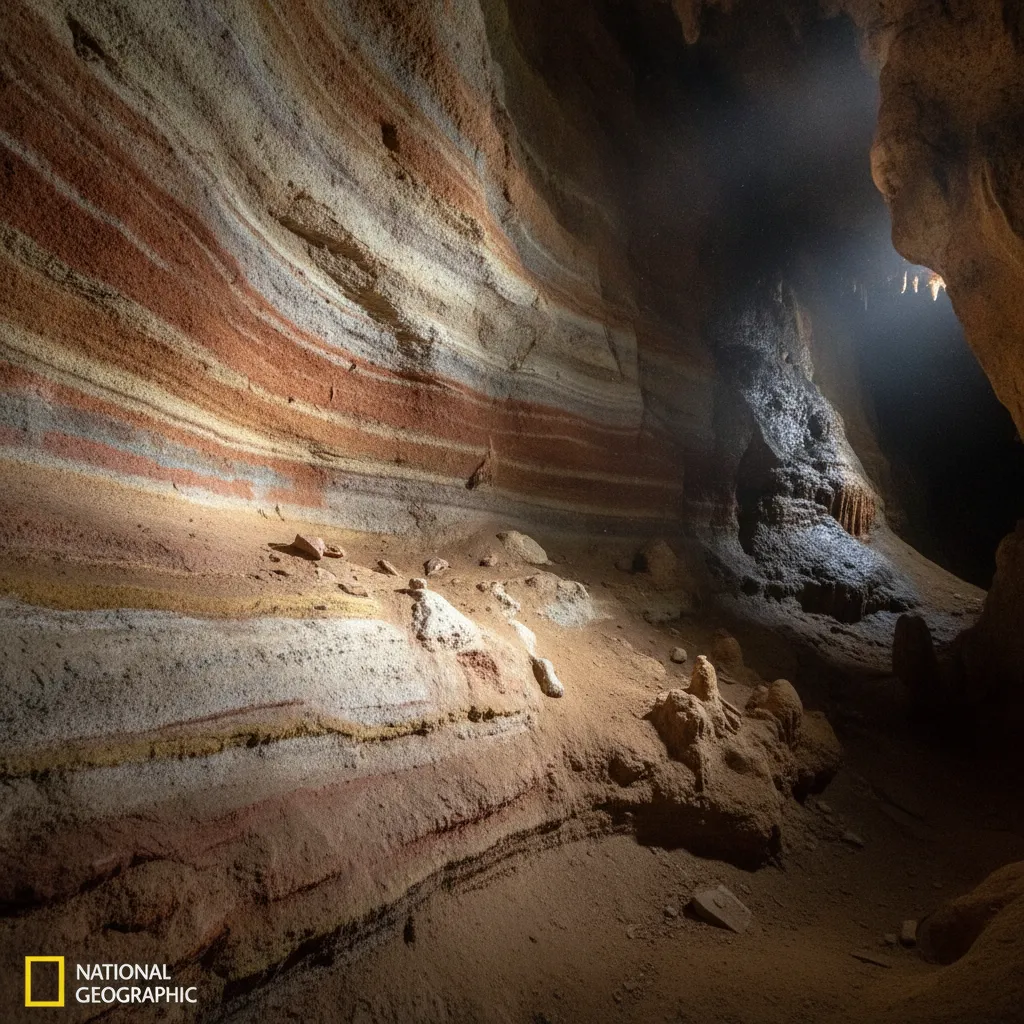
Guided pathways lead you through a series of breathtaking chambers, each with its unique character. You'll marvel at formations that have taken millennia to sculpt: colossal stalagmites reaching for the heavens, delicate stalactites hanging like frozen chandeliers, and intricate flowstones resembling cascading waterfalls turned to stone. Some chambers are so vast they feel like underground cathedrals, their ceilings disappearing into the inky blackness above, their scale inspiring both wonder and humility. The subtle lighting installed in some areas enhances the natural beauty, casting dramatic shadows and highlighting the intricate textures of the rock.
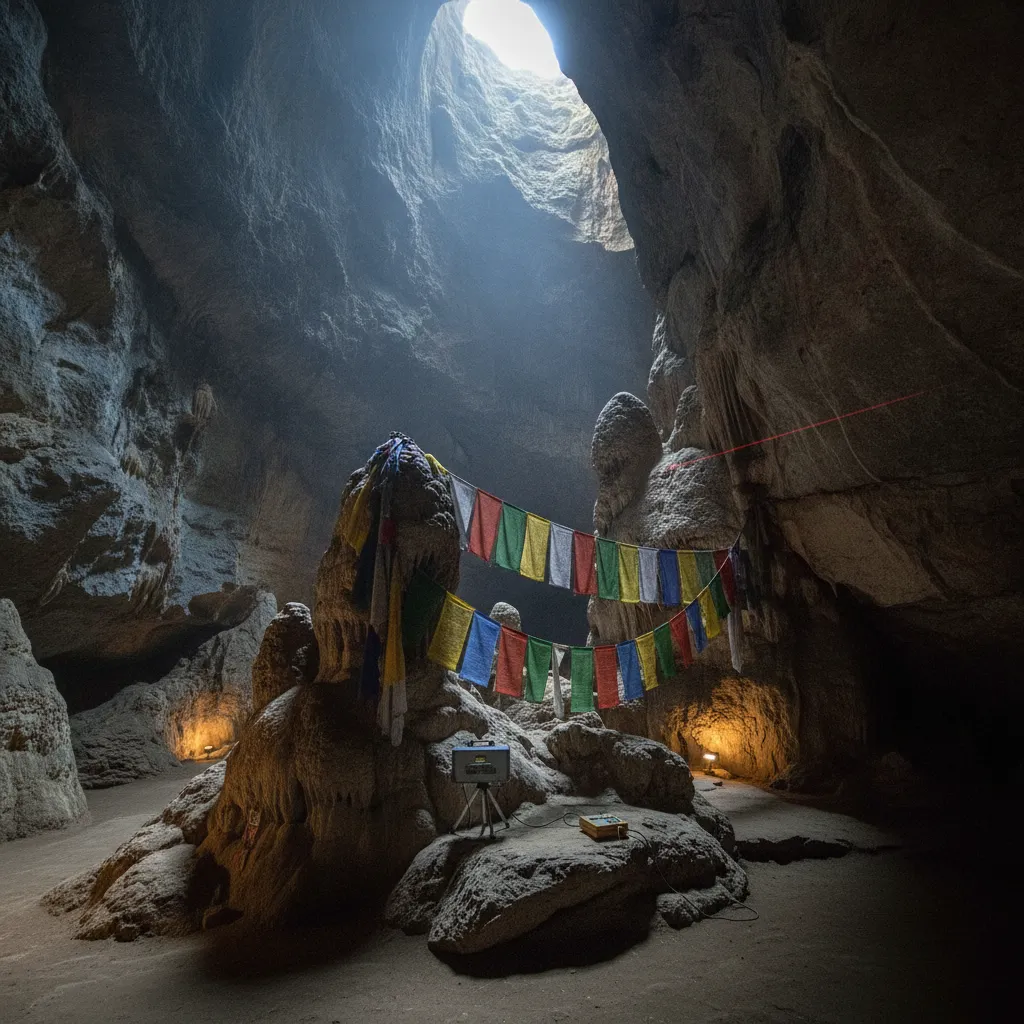
Beyond the visual spectacle, there's a tangible sense of history. Imagine the Denisovan hominin who once sought shelter here, perhaps building fires, foraging for food, and navigating these very passages. The cave is an active archaeological site, and while you won't see artifacts casually lying about, the knowledge that such profound discoveries were made here imbues every step with a sense of reverence. It’s a place where science and spirituality converge, where the beauty of nature is interwoven with the epic saga of human existence.
Practical Tips for Your Baishiya Adventure
Visiting Baishiya Karst Cave is an adventure that requires a bit of planning, but the rewards are immeasurable. Located in the Xiahe County of Gannan Tibetan Autonomous Prefecture, Gansu Province, it's an off-the-beaten-path destination that promises an authentic and unforgettable experience.
Getting There: The nearest major city with an airport is Lanzhou (Lanzhou Zhongchuan International Airport, ZGC). From Lanzhou, you can take a bus or arrange for a private car to Xiahe County, which is a journey of about 4-5 hours. From Xiahe, Baishiya Cave is accessible via a relatively short drive (around 30-45 minutes) to Ganjia township. Local transport options, including shared taxis or hired cars, can be arranged in Xiahe.
When to Visit: The best time to visit Gansu Province and Baishiya Cave is during the spring (May-June) and autumn (September-October). The weather during these months is generally pleasant, with comfortable temperatures and less rainfall. Winters can be harsh with heavy snow, making access challenging, and summers can be warm and sometimes rainy, though still manageable.
What to Bring:
- Warm Layers: Even in summer, the cave's interior temperature remains cool and constant, so bring a jacket or sweater.
- Sturdy Shoes: The cave paths can be damp and uneven, so comfortable, non-slip walking shoes are essential.
- Camera: You'll want to capture the incredible formations, but be mindful of lighting conditions and flash photography rules.
- Water and Snacks: While there might be basic facilities nearby, it’s always wise to carry your own.
- Respectful Attire: Given its spiritual significance, modest clothing is advisable, especially if you plan to visit nearby monasteries.
Local Culture and Etiquette: You'll be in a region with a strong Tibetan cultural presence. Always be respectful of local customs, traditions, and religious sites. If visiting monasteries or engaging with local communities, observe their practices and ask for permission before taking photos of people. Guided tours are highly recommended for the cave, not only for safety but also to gain deeper insights into its geology and archaeological significance.
Baishiya Karst Cave is more than just a destination; it's an immersive journey into the heart of our planet and the very essence of human history. It's a place that challenges perceptions, inspires awe, and leaves an indelible mark on your soul. If you're seeking an adventure that combines breathtaking natural beauty with profound scientific discovery and spiritual resonance, then this hidden gem on the Tibetan Plateau awaits your exploration.
Essential Travel Information
- Location Baishiya Karst Cave (Ganjia Cave), China
- Best Time May-June, September-October (Spring and Autumn)
- Getting There Fly to Lanzhou (ZGC), then bus/private car to Xiahe County (approx. 4-5 hours), followed by a 30-45 minute drive to Ganjia township.
- Airport Lanzhou Zhongchuan International Airport (ZGC)
- Budget Mid-range (approx. $80-150 USD per day, excluding international flights, depending on accommodation and transport choices)
- Language Mandarin Chinese (Standard), local dialects, Tibetan
Find Places to Stay Near Baishiya Karst Cave (Ganjia Cave)
Compare hotels, hostels, and unique stays in China.
Search AccommodationTours & Experiences Near Baishiya Karst Cave (Ganjia Cave)
Book guided tours, day trips, and unique experiences.
Browse Tours