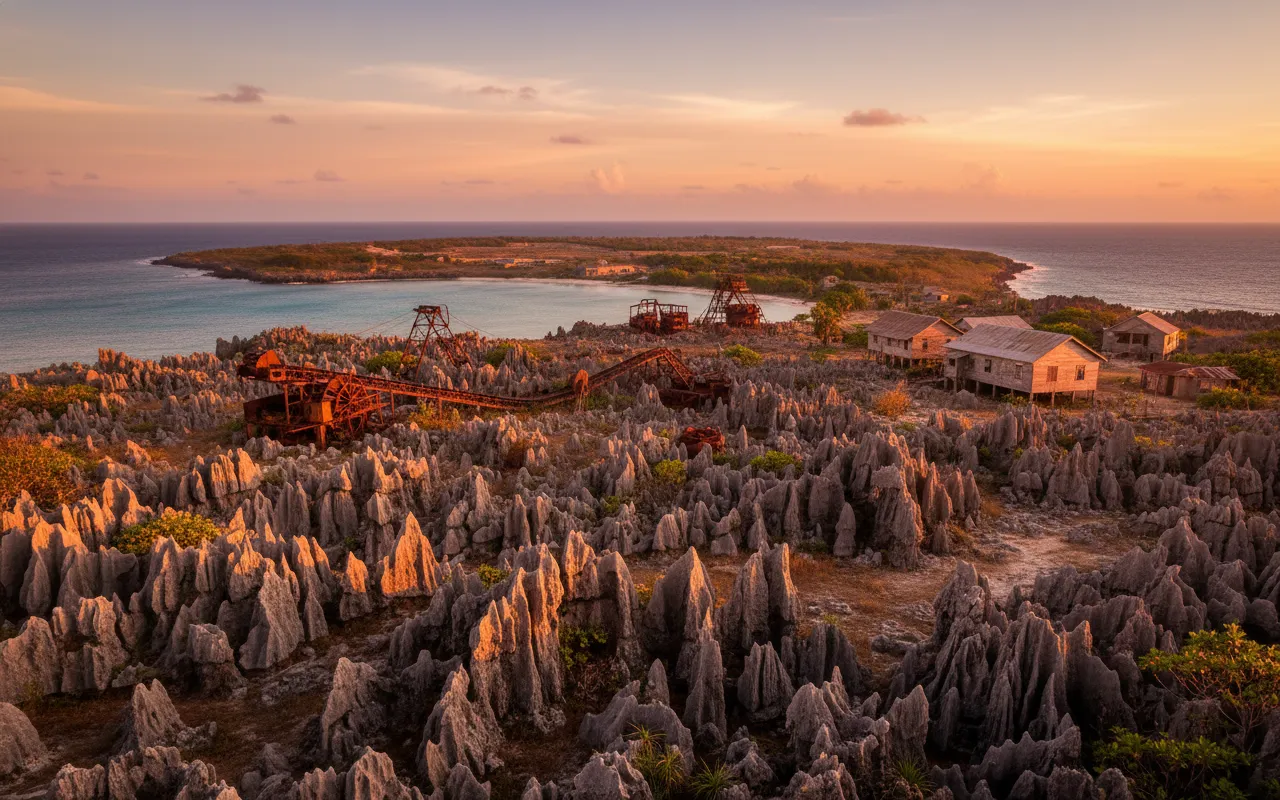
Imagine an entire island transformed into a jagged, skeletal landscape of towering limestone pinnacles and abandoned machinery, an eerie monument to a century of insatiable phosphate mining. This isn't the set of a post-apocalyptic blockbuster; it's a real place, hidden deep within the vast expanse of the Pacific Ocean. Welcome to Banaba Island, a destination so remote, so unique, and so profoundly marked by human history that it challenges every notion of paradise you might hold. This isn't a place of pristine beaches and swaying palms, but rather a hauntingly beautiful testament to the earth's raw power and humanity's enduring impact, offering an adventure unlike any other.
Banaba's Stark Beauty: A Landscape Forged by Exploitation
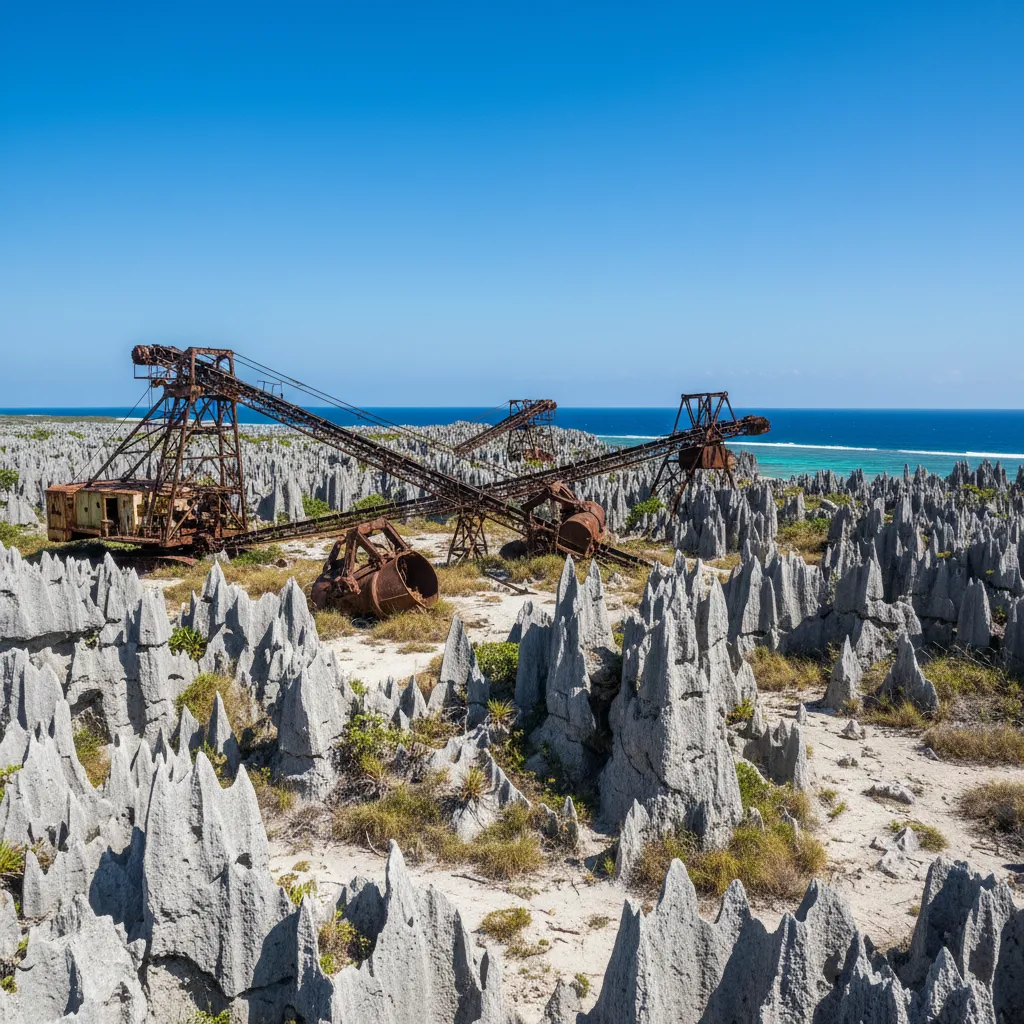
Banaba Island, also known historically as Ocean Island, lies in the Gilbert Islands chain of Kiribati, a nation renowned for its scattered atolls and vibrant marine life. But Banaba stands apart. Here, the typical low-lying coral formations give way to a dramatic, elevated island, once rich with high-grade phosphate. For over 80 years, from the dawn of the 20th century, this precious resource was systematically extracted, leaving behind a terrain so alien it feels like stepping onto another planet. Jagged, razor-sharp limestone pinnacles, some reaching several stories high, pierce the sky, separated by deep gullies and chasms where the soft phosphate once lay. Rusting excavators, conveyor belts, and twisted rail tracks lie scattered like forgotten toys, overgrown with tenacious vegetation, silent witnesses to a bygone industrial era.
This isn't just a geological oddity; it's a living, breathing scar on the face of the earth, a poignant reminder of colonial resource exploitation. The island's original lush interior was literally eaten away, leaving a landscape that feels both desolate and profoundly powerful. For the adventurous traveler, Banaba offers an unparalleled opportunity to witness a land utterly transformed, a place where nature's resilience meets human ambition in a stark, unforgettable embrace. It's a destination that sparks wonder, contemplation, and a deep sense of connection to the planet's intricate story.
A Century of Extraction: The Haunting History of Ocean Island
To understand Banaba today, you must delve into its tumultuous past. Discovered by Europeans in the late 19th century, Banaba's immense phosphate deposits quickly caught the attention of colonial powers. The British Phosphate Commission (BPC), a consortium of British, Australian, and New Zealand interests, began large-scale mining operations in 1900. The island, then a verdant oasis, became a crucial source of fertilizer for agricultural lands across the globe, bringing immense wealth to the colonial powers but devastating consequences for its indigenous inhabitants, the Banabans.
The mining process was relentless. The island's rich soil and underlying phosphate were stripped away, leaving behind the exposed, unmineable coral skeleton we see today. The Banaban people, whose ancestral lands were being devoured, faced forced displacement and resettlement, most notably to Rabi Island in Fiji after World War II. Their struggle for compensation and recognition of their rights against the colonial entities is a harrowing tale of resilience and injustice, a legacy that continues to shape their identity and their relationship with their ancestral home.
Today, a small community of Banabans has returned to the island, navigating life amidst the skeletal remains of their former paradise. They are the custodians of this unique and challenging landscape, living within a monument to their own history, attempting to rebuild and sustain their culture on a land that was literally consumed by progress. Visiting Banaba means engaging with this complex history, understanding the profound human cost behind the geological marvel.
Exploring the Lunar Landscape: What You'll See
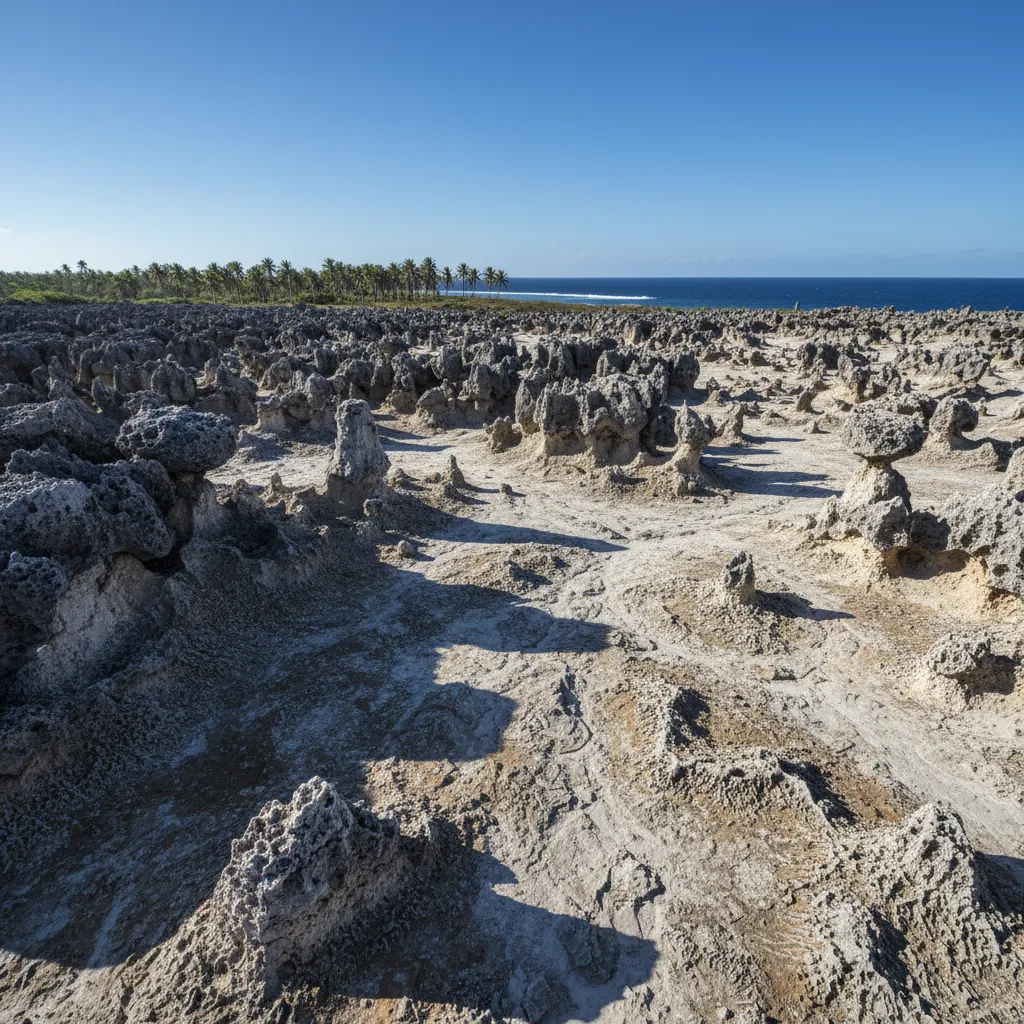
Stepping onto Banaba is like entering a forgotten world. The most striking feature is undoubtedly the dramatic interior. Imagine vast expanses of the aforementioned limestone pinnacles, some rising like ancient totems, others forming intricate, almost labyrinthine formations. These are the exposed coral foundations of the island, left behind after the phosphate was dug out. Navigating this terrain requires careful footing and a sense of adventure, as you traverse deep crevasses and climb over rocky outcrops.
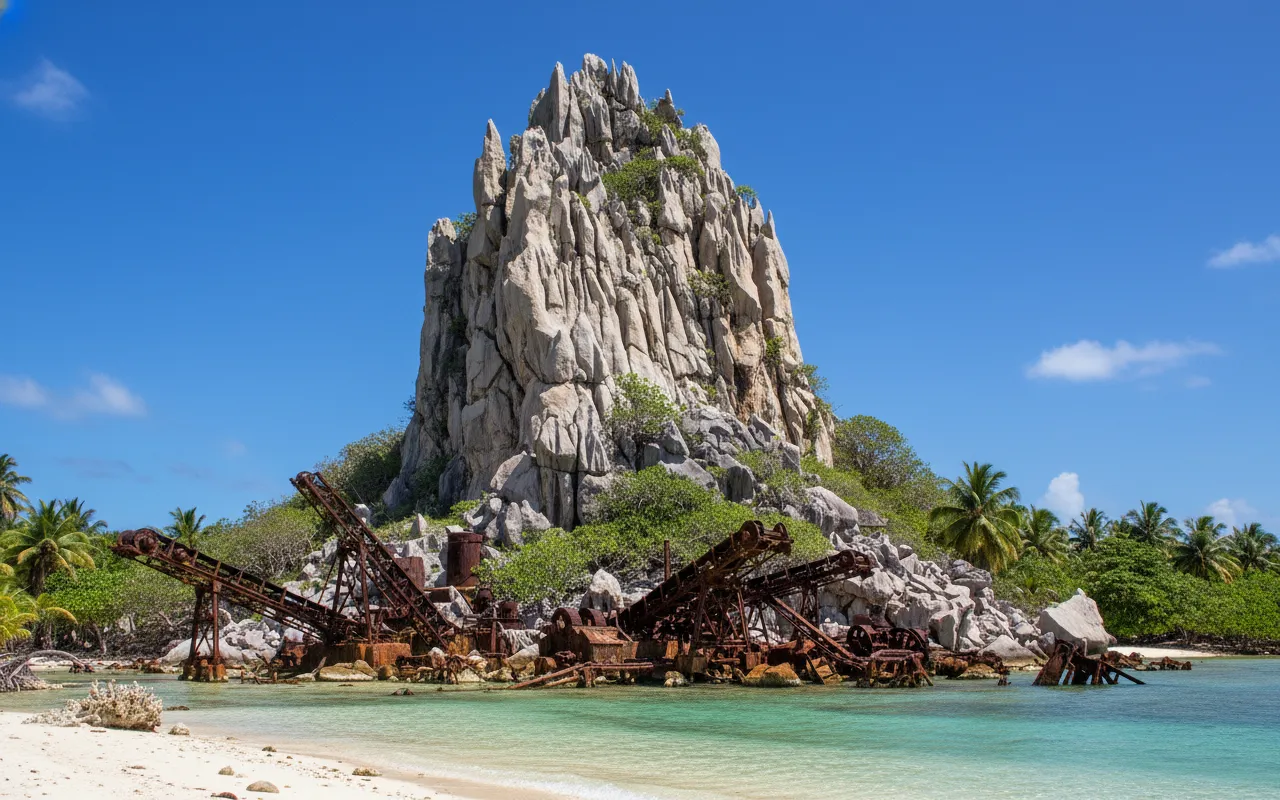
Amidst this geological wonder, you'll encounter the rusting ghosts of the mining era. Giant excavators, their buckets frozen in time, sit half-submerged in overgrown vegetation. Sections of narrow-gauge railway tracks snake through the rock formations, leading to nowhere. Dilapidated buildings, once humming with industrial activity, now stand silent and weathered, providing an eerie backdrop to the stark landscape. These relics offer a tangible connection to the island's industrial past, a stark contrast to the natural beauty that once thrived here.
While the interior is dominated by the mining scars, Banaba also boasts a rugged coastline. Though not famed for pristine sandy beaches, its rocky shores and occasional sheltered coves offer glimpses of the Pacific's raw power. The surrounding waters, relatively untouched by human activity due to the island's isolation, teem with marine life, offering opportunities for snorkeling or diving if conditions and local arrangements permit. The few remaining villages provide a window into the resilient Banaban culture, where traditional ways blend with the challenging realities of life on this extraordinary island.
A Journey for the True Adventurer: Practical Visit Tips
Let's be clear: Banaba Island is not a typical tourist destination. Its extreme remoteness, lack of infrastructure, and complex history make it a destination exclusively for the most intrepid and culturally sensitive travelers. This is an expedition, not a vacation.
Getting There: Reaching Banaba is an adventure in itself. There are no regular commercial flights. Most visitors travel via irregular cargo ships from Tarawa, the capital of Kiribati. These journeys can take several days, are subject to delays, and offer very basic conditions. Occasionally, chartered flights may be arranged, but this is rare and expensive. You'll need to be flexible, patient, and prepared for uncertainty.
Accommodation & Logistics: There are no hotels or guesthouses on Banaba. Visitors will typically stay in basic homestays arranged through local contacts. This offers an incredible opportunity for cultural immersion but requires a willingness to adapt to local customs and limited amenities. It is absolutely essential to arrange your visit, including accommodation, transport, and local guides, well in advance through official channels or trusted local facilitators. Without prior arrangements and permission from the local council, a visit is not feasible.
Respect & Sensitivity: Given the island's poignant history, approaching your visit with the utmost respect and cultural sensitivity is paramount. Engage with the local community, learn about their struggles and resilience, and be mindful of the impact of your presence. This is not just a geological wonder; it's a sacred homeland. A local guide is indispensable not only for navigation but also for cultural understanding and safety.
What to Bring: Be self-sufficient. Pack all necessary medications, a comprehensive first-aid kit, water purification tablets, durable hiking gear, sun protection, insect repellent, and enough cash (local currency, AUD is also often accepted in Kiribati) for your stay. Electricity and communication can be sporadic.
Best Time to Visit: The dry season (roughly May to November) is generally preferred to avoid the heavier rains and stronger winds of the wet season, which can make sea travel even more challenging.
Banaba Island is more than just a place; it's an experience that will challenge your perceptions, stir your emotions, and leave an indelible mark on your soul. It's a journey into the heart of a unique landscape, a testament to human history, and a powerful reminder of our planet's enduring stories. For those seeking an adventure far beyond the ordinary, Banaba awaits.
Essential Travel Information
- Location Banaba Island, Kiribati
- Best Time May to November (dry season)
- Getting There Irregular cargo ships from Tarawa (Kiribati capital); very rarely, chartered flights. Requires significant planning and local permits.
- Airport Bonriki International Airport (TRW) on Tarawa, Kiribati
- Budget Budget/Mid-range (approx. $50-$100+ USD/day, highly variable depending on transport costs and arrangements)
- Language Gilbertese (Te taetae ni Kiribati), English
Find Places to Stay Near Banaba Island
Compare hotels, hostels, and unique stays in Kiribati.
Search AccommodationTours & Experiences Near Banaba Island
Book guided tours, day trips, and unique experiences.
Browse Tours