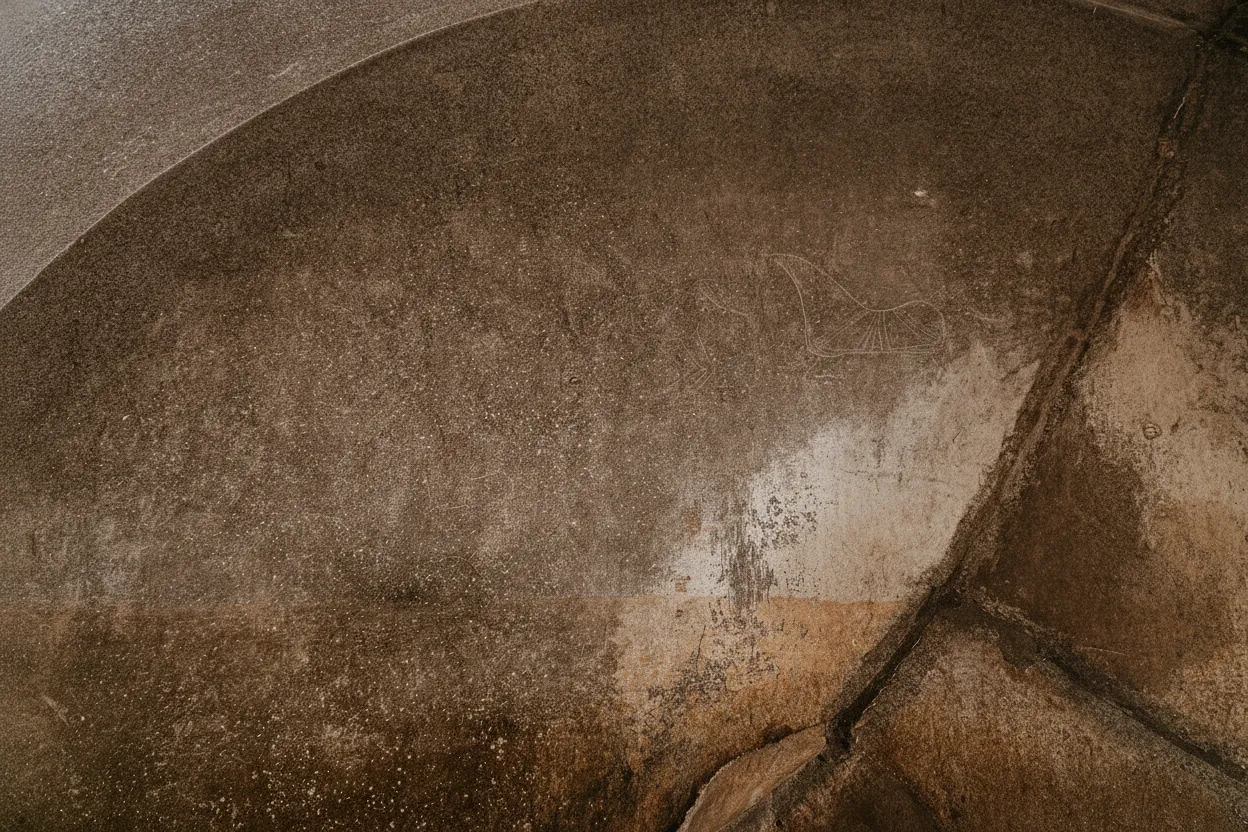
Imagine stepping into an ancient chamber, not built with bricks or blocks, but carved entirely out of a single, colossal piece of granite. Now, imagine that chamber’s walls are so impossibly smooth, so mirror-like, that they reflect your very breath, and every whisper you utter transforms into a profound, reverberating echo, a sound so ethereal it feels like the very stone itself is singing. This isn't a scene from a fantasy novel; it's the breathtaking reality awaiting you at the Barabar Caves, a hidden gem nestled in the heart of Bihar, India, where history, mystery, and an unparalleled acoustic phenomenon converge.
For over 2,300 years, these nine monolithic caves have stood as silent sentinels, testaments to an ancient civilization's mastery over stone and sound. They are not merely old; they are among the oldest rock-cut caves in India, predating many of the more famous Buddhist and Hindu cave complexes by centuries. Yet, despite their profound historical and architectural significance, they remain largely off the well-trodden tourist path, offering a rare opportunity for the intrepid traveler to connect with history in its purest, most awe-inspiring form. Prepare to have your senses awakened and your understanding of ancient engineering challenged, because the Barabar Caves are unlike anything you've ever experienced.
What Makes Barabar Caves So Special?
The Barabar Caves are a symphony of superlatives. Their primary claim to fame lies in their incredible age and the sheer audacity of their construction. Carved during the Mauryan Empire in the 3rd century BCE, under the patronage of Emperor Ashoka, these aren't just caves in the natural sense; they are meticulously sculpted architectural spaces. Each cavern was painstakingly chiseled from a single, massive granite outcrop, a feat that would challenge modern engineers, let alone artisans working with rudimentary tools over two millennia ago.
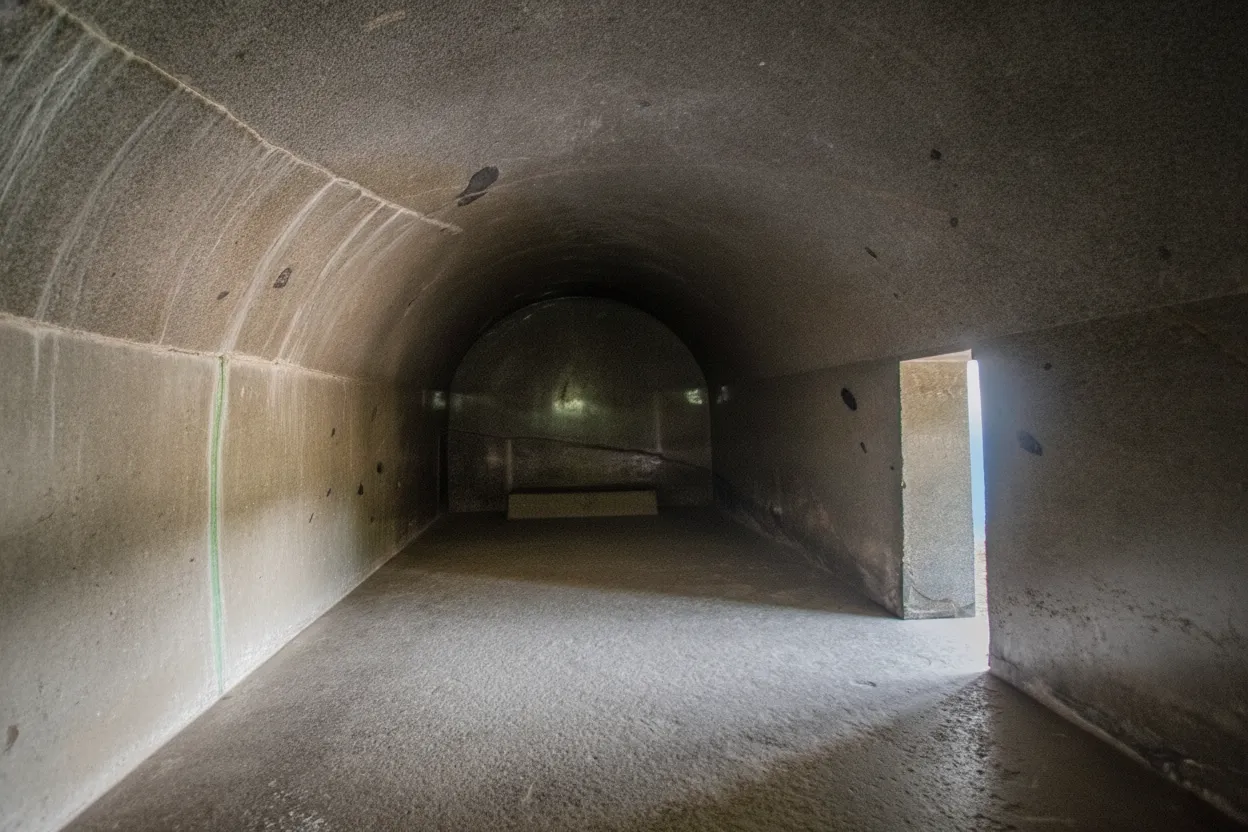
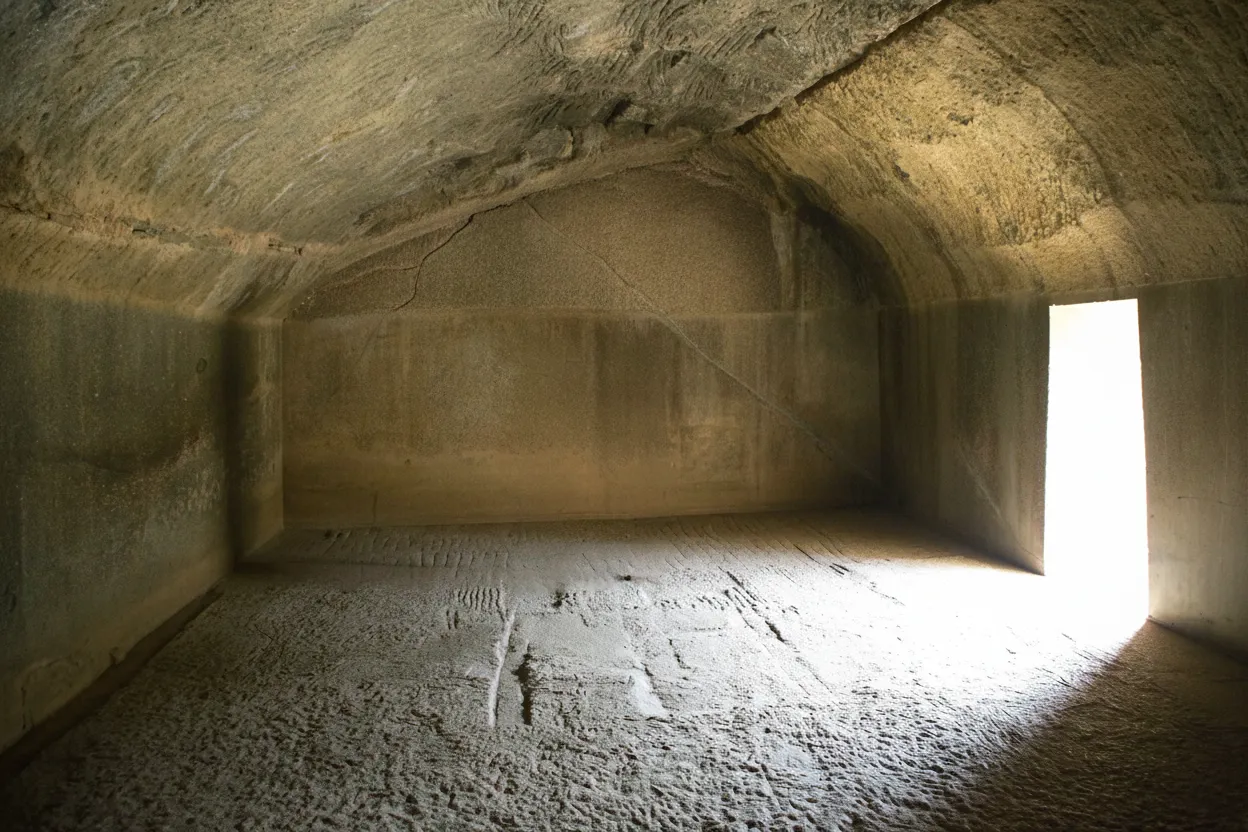
But it's not just the scale that astounds; it's the astonishing level of craftsmanship. The interiors of these caves are burnished to an almost glass-like finish, so reflective that they appear to shimmer. This unique polish, often referred to as "Mauryan polish," has baffled archaeologists and material scientists for decades. How was such a high sheen achieved on granite, one of the hardest rocks known? Was it a secret abrasive paste, an unknown burnishing tool, or perhaps a combination of techniques now lost to time? The debate continues, adding another layer of mystique to an already enigmatic site.
And then there are the acoustics. Step inside, clap your hands, or speak a single word, and prepare for an otherworldly experience. The sound doesn't just echo; it reverberates, bouncing off the perfectly smooth, parabolic surfaces in a way that amplifies and sustains it for several seconds. It's a phenomenon that has earned them the moniker "singing caves." Modern acoustical engineers have studied these chambers, marveling at their ability to create such profound resonance without any of the advanced computational tools available today. It's a testament to the intuitive understanding of sound and space possessed by these ancient builders, transforming solid rock into a living, breathing instrument.
A Glimpse into Ancient India: History of Barabar Caves
To truly appreciate the Barabar Caves, one must understand their historical context. They were primarily dedicated to the Ajivika sect, an ascetic, non-Vedic philosophical movement that flourished in India concurrently with early Buddhism and Jainism. Emperor Ashoka, renowned for his conversion to Buddhism and his promotion of Dharma, also displayed a remarkable tolerance and patronage towards other religious groups, including the Ajivikas. Inscriptions found within the caves clearly state their dedication by Ashoka to these ascetics, offering them shelter during the monsoon season.
The Mauryan Empire (c. 322–185 BCE) was a period of immense consolidation and cultural flourishing in ancient India. Ashoka's reign (c. 268–232 BCE) is particularly significant for its widespread construction of stupas, pillars bearing his edicts, and rock-cut sanctuaries like Barabar. These caves represent some of the earliest examples of rock-cut architecture in India, setting a precedent for the monumental cave temples that would follow in subsequent centuries at places like Ajanta and Ellora. They offer a unique window into the religious landscape and architectural prowess of one of India's most powerful ancient empires.
Exploring the Wonders: What You'll See at Barabar
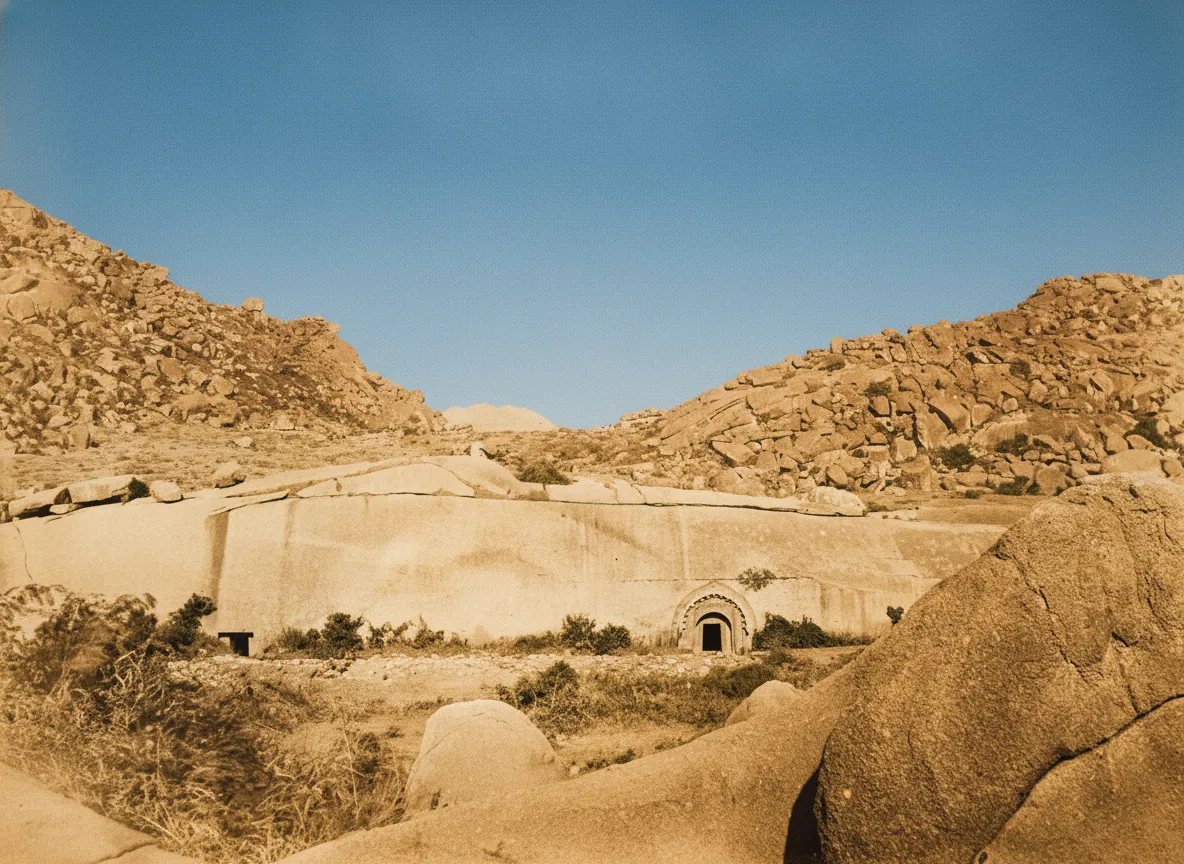
The Barabar complex consists of four caves on the Barabar Hill itself, and three more on the nearby Nagarjuni Hill, about 2 km away. While both are fascinating, the Barabar Hill caves are the most famous and accessible.
Lomas Rishi Cave: This is arguably the most iconic of the Barabar caves, though its interior was never fully finished. Its most striking feature is the magnificent archway entrance, meticulously carved to resemble the wooden and thatch architecture of the time. The facade depicts a row of elephants marching towards stupas, a design motif that would become influential in later Buddhist architecture. Stepping through this "doorway to the past" is a truly humbling experience.
Sudama Cave: Named after one of the Buddha's chief disciples, Sudama Cave is famous for its perfectly polished interior and its unique two-chamber design: a rectangular antechamber leading into a circular, domed inner chamber. This is where the acoustic phenomenon is most pronounced. Stand in the center of the circular chamber, and let your voice be carried and amplified, a sensation that is both eerie and exhilarating.
Karan Chaupar Cave: This cave is a single, rectangular chamber with a highly polished surface. An inscription inside mentions "Karan Chaupar" and dates it to the 19th regnal year of Ashoka. Its simplicity belies the extraordinary effort that went into its creation, and its acoustics are equally impressive.
Visvakarma Cave: Also known as the "Vishwamitra Cave," this is a relatively smaller, single-chamber cave, but it too exhibits the characteristic Mauryan polish and offers a glimpse into the consistent quality of craftsmanship across the complex.
Beyond these four, don't miss the opportunity to explore the three caves on Nagarjuni Hill: Gopi, Vadathi, and Vapika. While slightly less dramatic in their scale, they also bear Ashokan inscriptions and feature the distinctive polished interiors, offering a complete picture of this ancient rock-cut tradition. The walk between the hills is pleasant, offering serene views of the surrounding rural landscape.
Planning Your Barabar Caves Adventure: Practical Tips
Visiting the Barabar Caves is not just a trip; it's an immersion into an ancient mystery. To make the most of your journey, here are some practical tips:
- Best Time to Visit: The cooler, dry months from October to March are ideal. Summers (April-June) can be extremely hot, and monsoons (July-September) make the approach slippery and humid.
- How to Get There: The Barabar Caves are located approximately 25-30 km north of Gaya, Bihar. Gaya is well-connected by rail and has an international airport (Gaya International Airport - GAY). From Gaya, you can easily hire a taxi or an auto-rickshaw for a round trip. Negotiate the fare beforehand. It's a scenic drive through rural Bihar, offering glimpses of local life.
- Where to Stay: Gaya offers a range of accommodation options, from budget guesthouses to mid-range hotels. Many travelers combine a visit to Barabar with a pilgrimage to Bodh Gaya, a significant Buddhist site just a short drive from Gaya.
- What to Bring: Comfortable walking shoes are a must, as you'll be climbing some steps and walking around the hills. Carry plenty of water, especially if visiting outside the peak winter months. A flashlight can be useful for exploring the darker recesses of some caves, though natural light is usually sufficient. Don't forget your camera to capture the unique architecture and reflections!
- Respecting the Site: These are ancient, sacred sites. Please refrain from touching the polished walls (natural oils can degrade the surface over time), maintain silence to appreciate the acoustics, and leave no trace behind.
- Combine with Bodh Gaya: For a truly enriching experience, pair your visit to Barabar with a trip to Bodh Gaya, where Siddhartha Gautama attained enlightenment under the Bodhi Tree. The two sites offer a fascinating contrast and complement each other, showcasing different facets of ancient Indian religious history.
The Barabar Caves offer a rare opportunity to step back in time, to touch the very fabric of ancient Indian civilization, and to witness an architectural and acoustic marvel that continues to defy easy explanation. It's a place that whispers tales of emperors and ascetics, of lost techniques and enduring mysteries. So, if you're seeking an adventure beyond the ordinary, a destination that promises both wonder and introspection, pack your bags and set your sights on Barabar. Let the singing stones tell you their story.
Essential Travel Information
- Location Barabar Caves, India
- Best Time October to March
- Getting There From Gaya (well-connected by rail and air), hire a taxi or auto-rickshaw for the 25-30 km journey.
- Airport Gaya International Airport (GAY)
- Budget Mid-range (approx. $30-70 USD per day, excluding international flights)
- Language Hindi, Magahi, English (in tourist areas)
Find Places to Stay Near Barabar Caves
Compare hotels, hostels, and unique stays in India.
Search AccommodationTours & Experiences Near Barabar Caves
Book guided tours, day trips, and unique experiences.
Browse Tours