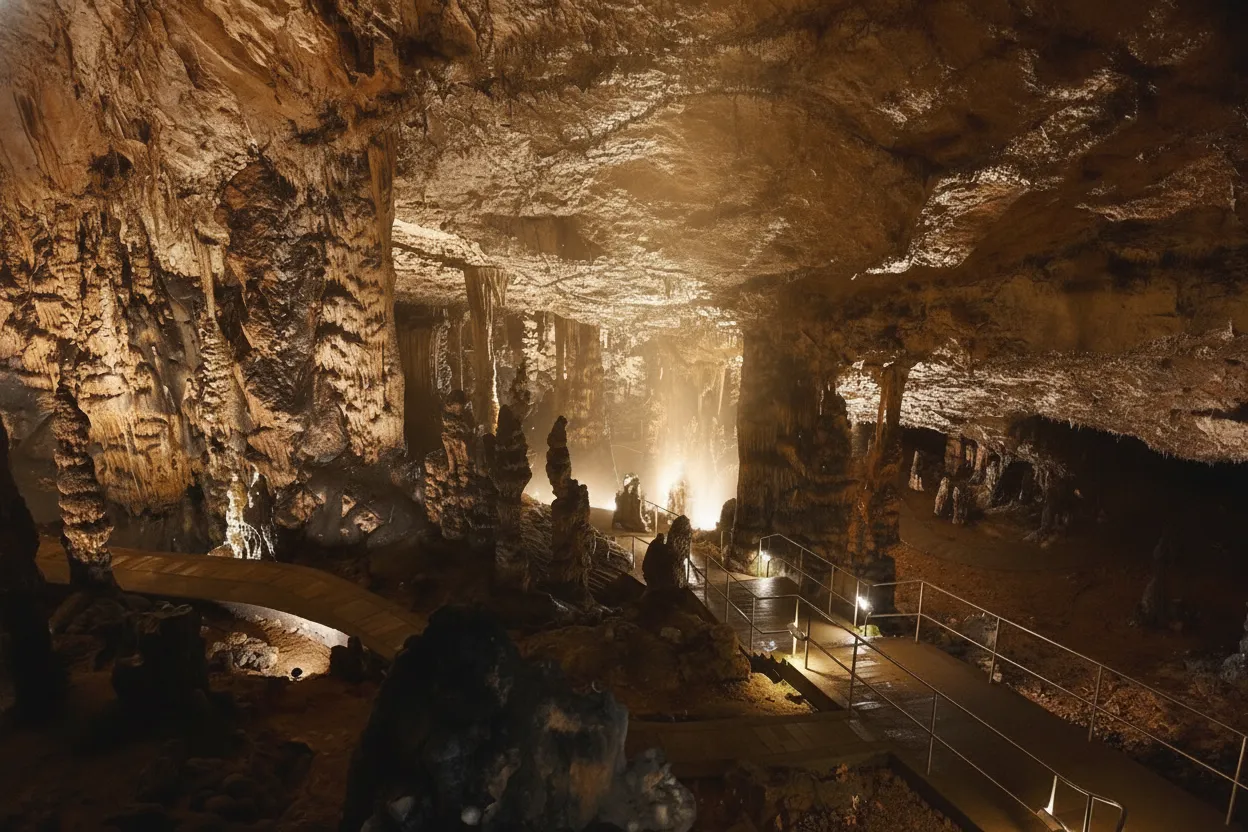
Imagine wandering through an underworld where enormous stalactites create a stunning subterranean cathedral, and ancient rivers carved a labyrinth of geological wonders over millions of years. Picture a place so vast, so intricately adorned by nature, that it feels like stepping into another dimension entirely. This isn't a scene from a fantasy novel; it's a very real, breathtaking experience awaiting you in the heart of Hungary. Tucked away in the serene Aggtelek National Park, close to the Slovakian border, lies the magnificent Baradla Cave, a hidden gem that promises an adventure unlike any other. Prepare to descend into an 'underground palace' where geological artistry meets an almost spiritual silence, interrupted only by the gentle drip of water and, perhaps, the notes of a classical symphony.
Unveiling Europe's Subterranean Masterpiece: The Baradla Cave
The Baradla Cave isn't just any cave; it's a geological marvel of international significance, proudly recognized as part of the Aggtelek Karst and Slovak Karst UNESCO World Heritage site. Stretching over an astounding 25 kilometers, with a significant portion lying beneath Hungary and extending into Slovakia as the Domica Cave, it stands as one of Europe's longest and most spectacular active dripstone cave systems. What does "active" mean? It means the cave is still very much alive, with mineral-rich water constantly shaping and reshaping its interior, adding to the incredible formations that have been growing for millions of years.
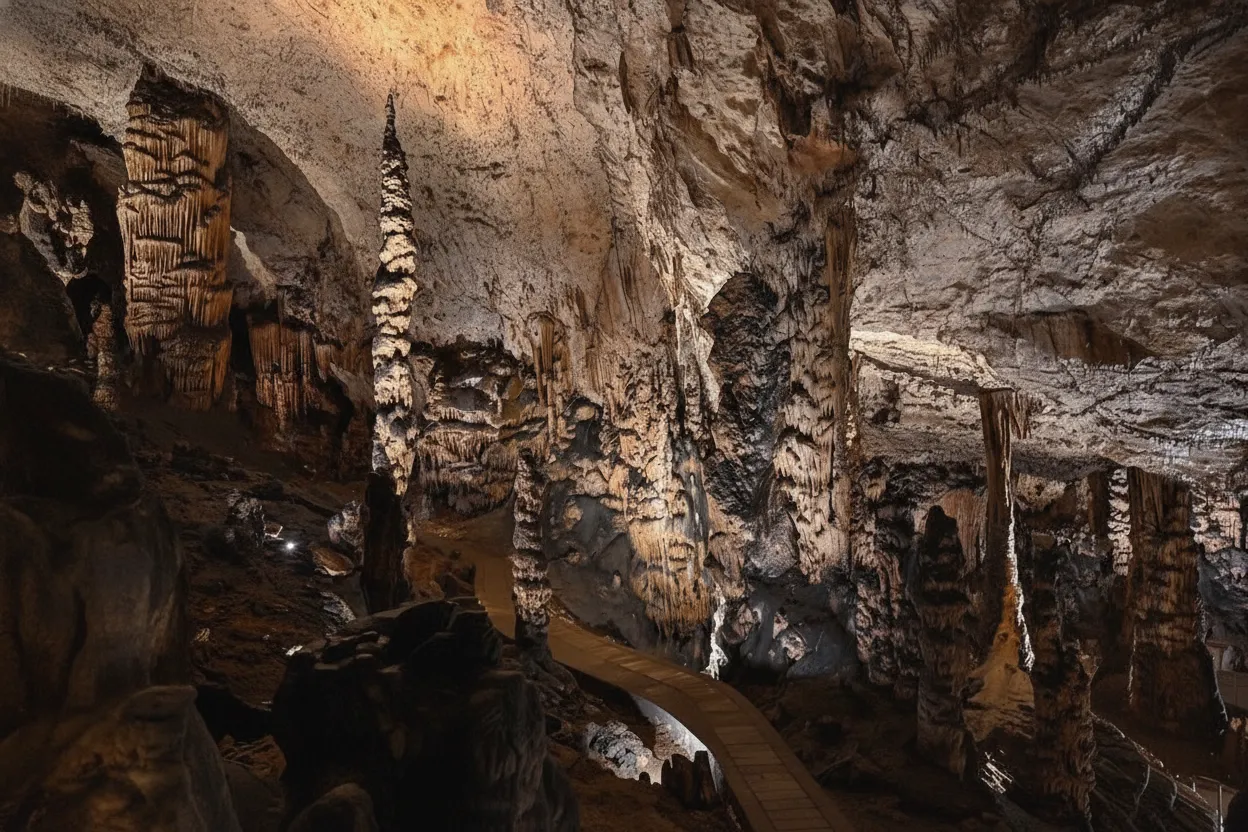
As you step inside, the air changes, becoming cool and moist, carrying a faint earthy scent. Your eyes will struggle to take in the sheer scale of the chambers. Some are so massive they could easily swallow entire buildings, while others are intimate passages leading to further wonders. Everywhere you look, stalactites hang like frozen waterfalls from the ceiling, while stalagmites rise majestically from the floor, some reaching dizzying heights of over 20 meters. These aren't just grey rocks; they are vibrant, colorful sculptures, painted by nature with hues of red, brown, yellow, and white, depending on the minerals present in the seeping water. It's truly like walking through a living, breathing geological artwork, each turn revealing a new, more astonishing masterpiece.
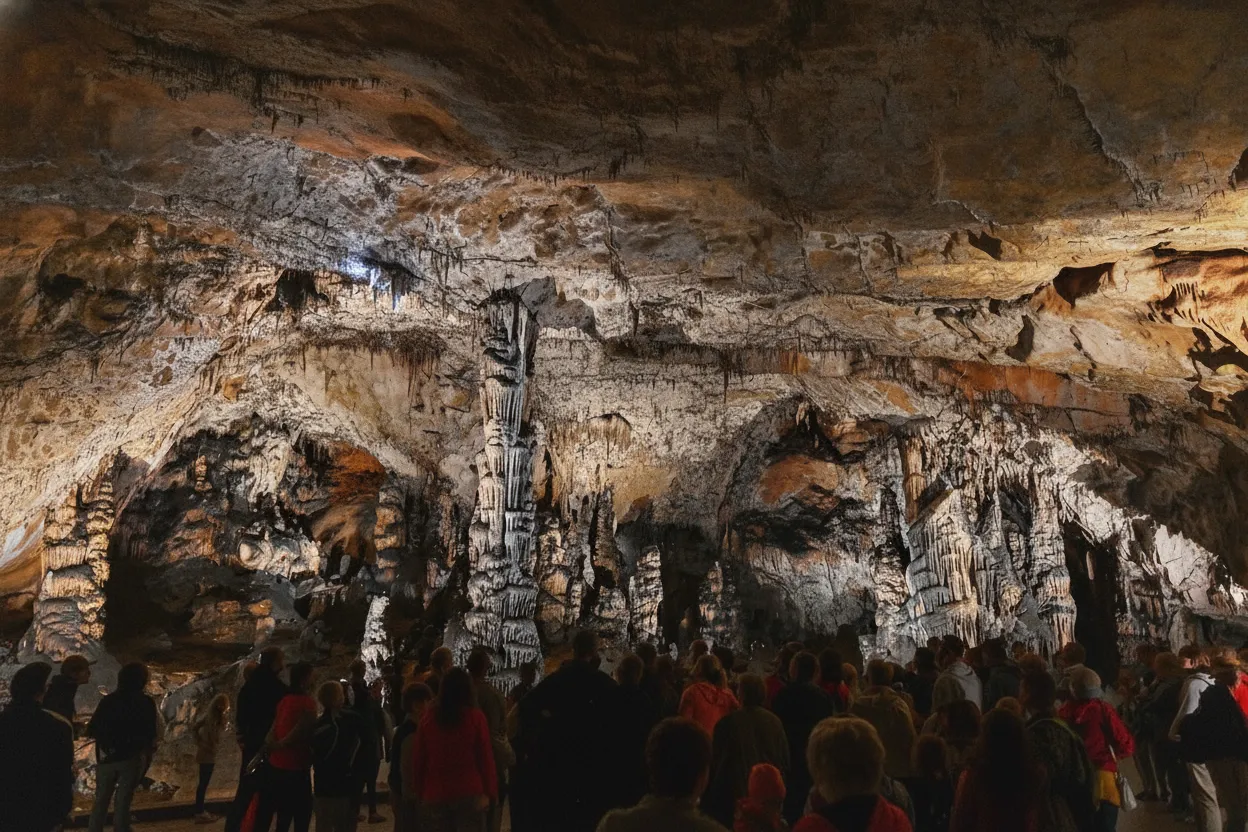
But the Baradla Cave offers more than just visual splendor. Its largest chamber, known as the "Concert Hall" or "Giants' Hall," boasts unparalleled natural acoustics. Imagine sitting deep underground, surrounded by millions of years of geological history, as the notes of a classical orchestra or a choir fill the cavern, reverberating off the ancient rock formations. It's a truly unique sensory experience, a harmonious blend of nature's grandeur and human artistry that leaves an indelible mark on your soul.
A Journey Through Time: The Ancient Story of Baradla
The story of Baradla Cave is etched in stone, a narrative spanning millions of years. Its origins trace back to the Miocene epoch, when tectonic forces uplifted the region's limestone bedrock. Over eons, rainwater, made slightly acidic by dissolved carbon dioxide from the atmosphere and soil, began to seep through cracks and fissures in the limestone. This slightly acidic water slowly dissolved the rock, carving out an intricate network of passages, tunnels, and vast chambers.
The cave's formation is a testament to the relentless, patient power of water. Rivers, both surface and subterranean, played a crucial role, eroding away rock and transporting sediment. The dripstone formations, the stalactites, stalagmites, columns, draperies, and flowstones, are the result of a secondary process. As water drips from the cave ceiling, it loses its dissolved carbon dioxide, causing tiny amounts of calcite (calcium carbonate) to precipitate and accumulate. Slowly, drop by drop, millimeter by millimeter, these incredible formations have grown, some taking hundreds of thousands, even millions, of years to reach their current size.
While nature crafted this masterpiece over geological timescales, humans have been aware of its existence for millennia. Archaeological findings indicate that prehistoric man used the cave as a shelter as far back as 7,000 years ago, leaving behind tools, pottery, and traces of ancient fires. The first documented exploration of the cave system dates back to the early 19th century, with significant mapping and scientific studies commencing in the 1820s by Imre Vass. Since then, Baradla has evolved from a local curiosity into a globally recognized natural wonder, meticulously preserved and carefully opened to visitors who wish to witness its timeless beauty.
Exploring the 'Underground Palace': Your Baradla Adventure
Visiting Baradla Cave is an immersive experience, with different tour options catering to various interests and fitness levels. The main entrance, located in Aggtelek, offers several guided routes, each revealing different facets of the cave's splendor. Whether you opt for a shorter, accessible stroll or a more adventurous, multi-hour trek, you're guaranteed to be awestruck.
- The Aggtelek Tour (Short Route): This is the most popular and accessible option, typically lasting about an hour. It takes you through the most impressive, well-lit sections of the cave, including the stunning "Giants' Hall" and the "Concert Hall." It's perfect for families, those with limited time, or anyone looking for a comfortable introduction to the cave's wonders. You'll walk on well-maintained paths, marveling at formations like the "Tiger's Head," "Pillars of Hercules," and the "Dragon's Head."
- The Jósvafő Tour (Medium Route): Starting from the village of Jósvafő, this route offers a longer, more in-depth exploration, often lasting 1.5 to 2 hours. It traverses different sections of the cave, providing a more comprehensive view of its diverse formations and geological features. You'll experience the transition from narrower passages to grand chambers, witnessing the incredible variety of stalactites, stalagmites, flowstones, and draperies.
- The Red Lake Tour (Long Route): For the truly adventurous, this extended tour can last up to 4-5 hours, sometimes even connecting to the Domica Cave in Slovakia (seasonal and requiring specific arrangements). This route delves into less-visited, more pristine sections, offering a rugged and unforgettable caving experience. It's a journey for those who want to feel like true explorers, venturing deep into the Earth's hidden realms.
During your tour, your guide will illuminate the cave's history, geology, and unique ecosystem. You'll learn about the delicate balance that sustains the cave's life, from microscopic organisms to unique cave-dwelling insects. The sheer scale and intricate details of the formations will captivate you, from delicate soda straws to massive columns formed when a stalactite and stalagmite merge. Keep an eye out for the shimmering "Curtain" formations and the bizarre "Cave Pearls" – tiny, perfectly spherical concretions formed by dripping water.
Plan Your Subterranean Escape: Essential Baradla Cave Tips
Ready to embark on your Baradla adventure? Here’s what you need to know to make your visit seamless and memorable:
Getting There: The Baradla Cave is located within Aggtelek National Park in northeastern Hungary, in Borsod-Abaúj-Zemplén County. The main entrance for visitors is near the village of Aggtelek. While public transport is possible (buses connect from larger towns like Miskolc), renting a car offers the most flexibility to reach the park and explore the surrounding area. The drive itself is scenic, taking you through charming Hungarian countryside.
Best Time to Visit: The Baradla Cave maintains a constant temperature of around 10°C (50°F) year-round, making it a perfect destination in any season. Summer offers pleasant weather for exploring the national park above ground, while a winter visit provides a unique contrast to the frosty landscape outside. It's always a good idea to check the official Aggtelek National Park website for current opening hours, tour schedules, and ticket prices, as these can vary seasonally.
What to Wear: Regardless of the season outside, always bring warm layers – a jacket or sweater is essential due to the cool, constant cave temperature. Comfortable, closed-toe walking shoes with good grip are also a must, as paths can be damp and uneven in places. The tours involve a fair amount of walking and some stairs.
Booking and Tours: Guided tours are mandatory. It's highly recommended to book your preferred tour in advance, especially during peak season, to secure your spot. Tours are typically offered in Hungarian, but English-speaking guides or audio guides are often available. Confirm language options when booking.
Accessibility: The shorter Aggtelek tour is generally the most accessible, with paved paths and fewer stairs. However, due to the natural terrain of a cave, some sections may still present challenges for those with mobility issues. It's best to inquire directly with the park administration if you have specific accessibility concerns.
Beyond the Cave: Don't forget that Baradla Cave is part of the stunning Aggtelek National Park. Dedicate some time to explore the surface karst phenomena, hiking trails, and picturesque landscapes. There are plenty of opportunities for nature walks, birdwatching, and enjoying the tranquility of this protected area.
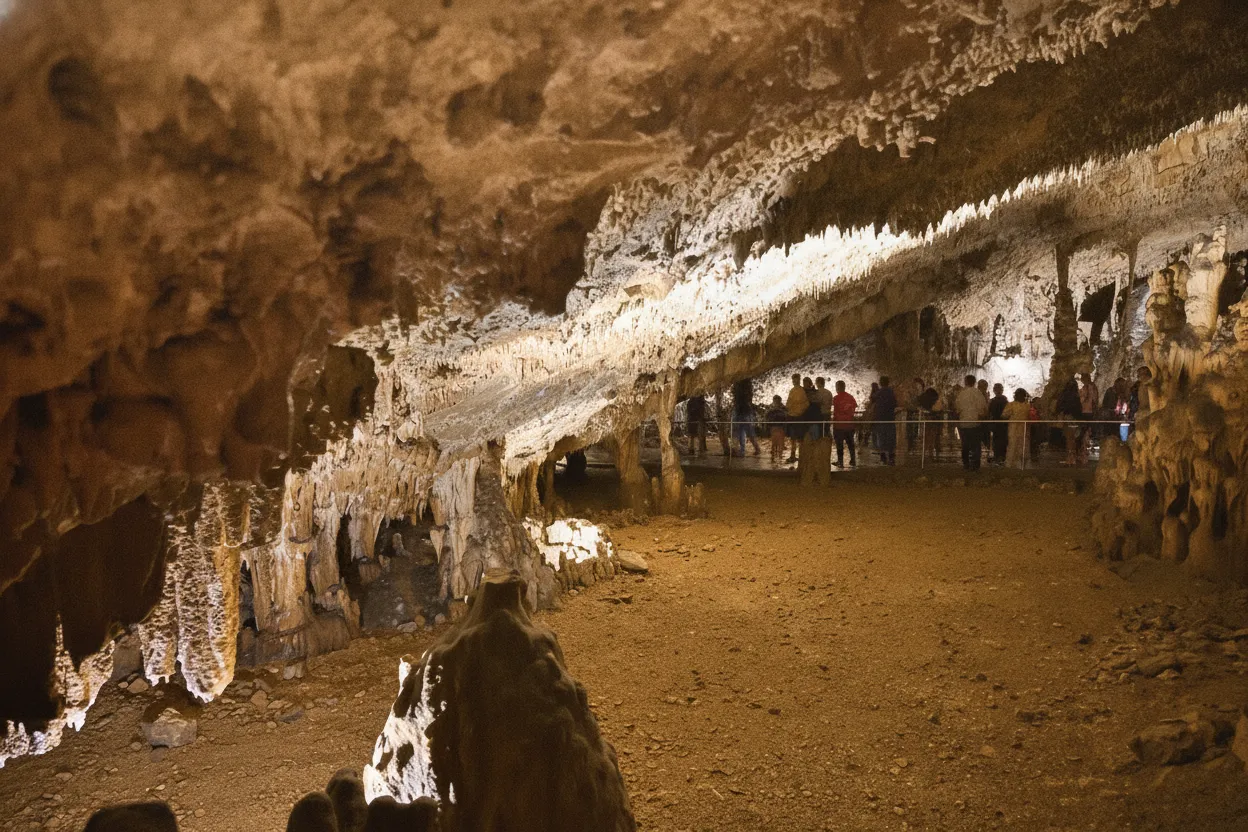
A visit to Baradla Cave is more than just a sightseeing trip; it's an immersive journey into the Earth's ancient past and a powerful reminder of nature's incredible artistry. It's a place where silence speaks volumes, where every drip of water tells a million-year-old story, and where the grandeur of the subterranean world will leave you utterly spellbound. So, pack your sense of wonder and prepare to uncover one of Hungary's most extraordinary hidden treasures.
Essential Travel Information
- Location Baradla Cave (Aggtelek National Park), Hungary
- Best Time Year-round (cave maintains constant 10°C), but spring/summer are ideal for combining with surface activities in Aggtelek National Park.
- Getting There Located in Aggtelek National Park, northeastern Hungary. Best reached by car. Buses connect from Miskolc. Nearest major road is the M3 motorway (then local roads).
- Airport Debrecen International Airport (DEB) - approximately 1.5-2 hours drive; Budapest Ferenc Liszt International Airport (BUD) - approximately 2.5-3 hours drive.
- Budget Mid-range (approx. €50-80 per person per day for accommodation, food, and cave entry, excluding travel to Hungary).
- Language Hungarian (official), English (tour guides often available or audio guides).
Find Places to Stay Near Baradla Cave (Aggtelek National Park)
Compare hotels, hostels, and unique stays in Hungary.
Search AccommodationTours & Experiences Near Baradla Cave (Aggtelek National Park)
Book guided tours, day trips, and unique experiences.
Browse Tours