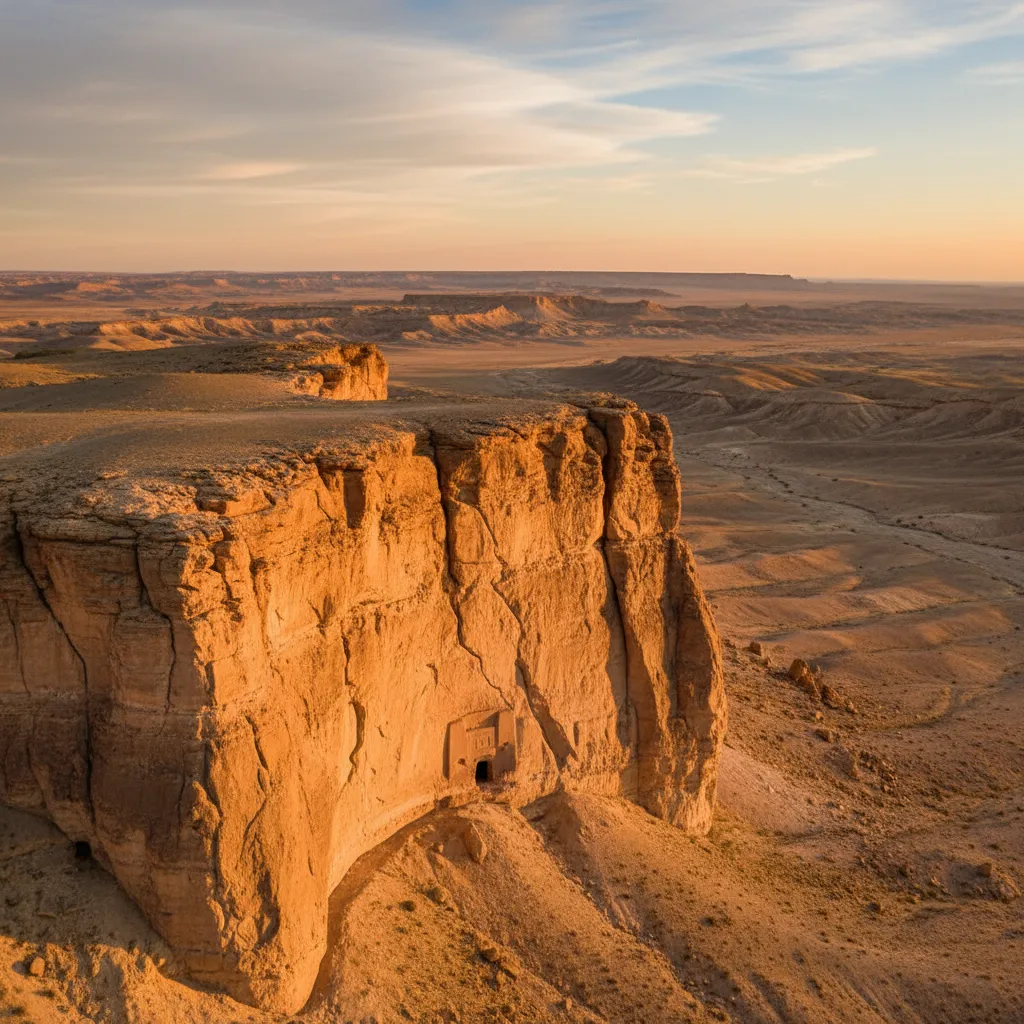
For centuries, this extraordinary site in Kazakhstan's Mangystau region has drawn pilgrims from across Central Asia. It's a place where natural geology meets spiritual devotion in the most unexpected and awe-inspiring way, dedicated to Beket Ata, an 18th-century Sufi mystic revered for his healing powers. To visit is not just a trip; it's an odyssey, a spiritual quest that promises not only breathtaking natural beauty but also a profound connection to history, faith, and the enduring human spirit.
The Journey to the Earth's Embrace
The adventure to Beket Ata begins long before you even catch a glimpse of its hidden entrance. Your starting point will likely be Aktau, a bustling port city on the Caspian Sea. From there, the real journey begins – a multi-day expedition into the heart of the Mangystau region. This isn't your typical scenic drive; it's an immersion into a landscape that feels plucked from another planet. Imagine vast, ochre-colored deserts stretching to the horizon, punctuated by dramatic chalk cliffs sculpted by millennia of wind and water. These aren't just hills; they're monumental natural sculptures, often glowing with an ethereal white or pale yellow hue under the harsh desert sun.
The roads, if you can call them that, are often little more than dusty tracks, requiring a sturdy 4x4 vehicle and an experienced local driver. This remoteness is part of the allure, forging a sense of anticipation and accomplishment with every mile traversed. You'll pass ancient burial grounds, scattered yurts, and perhaps even herds of wild horses or camels, feeling increasingly disconnected from the modern world. The silence of the desert is profound, broken only by the wind and the crunch of tires on gravel, allowing for introspection and a deep appreciation for the raw beauty of nature. This challenging approach isn't a deterrent but an integral part of the pilgrimage, preparing your mind and spirit for the sacred destination ahead.
Beket Ata: A Saint Carved in Stone
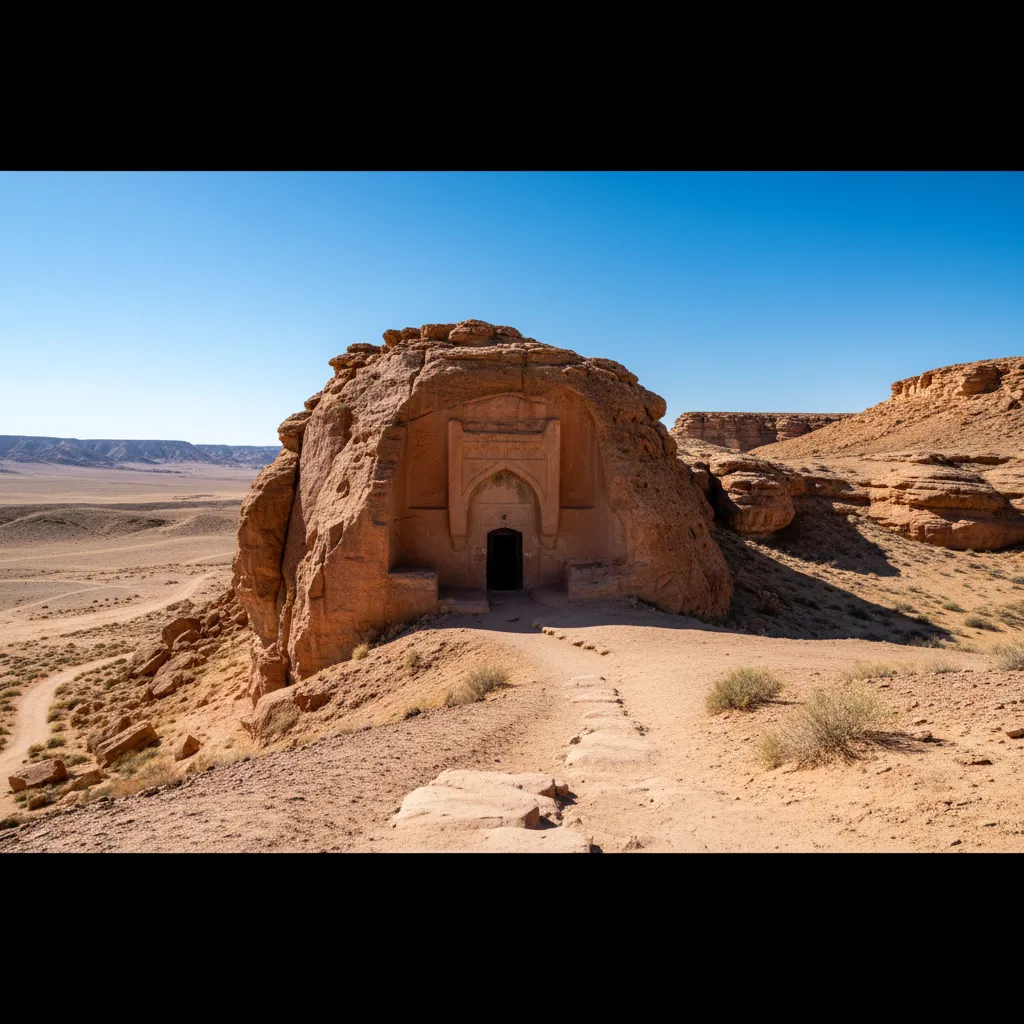
What makes Beket Ata truly special is its astonishing architecture – or rather, its lack thereof. This isn't a structure built upon the earth but one carved *into* it. The entire mosque, from its prayer halls to its smaller chambers, is meticulously sculpted directly from the soft chalk rock of the cliff face. It’s a subterranean sanctuary, cool and silent, providing a dramatic contrast to the scorching desert above. The very act of carving such a complex from the earth speaks volumes about the devotion and ingenuity of those who created and maintained it.
Beket Ata himself was an 18th-century Sufi mystic, healer, and spiritual teacher. Born in the village of Kulsara, he dedicated his life to knowledge, prayer, and helping others. He studied under the renowned Sufi master Shakpak Ata, and his wisdom and healing abilities quickly earned him widespread reverence. Legend has it that he possessed prophetic powers and could even control the weather. He encouraged peace, understanding, and knowledge among the Kazakh people during a turbulent time, earning him the title of "pir" or spiritual guide. After his death, this sacred site became his final resting place and a powerful center of pilgrimage, a mazar where his spirit is believed to reside, offering blessings and healing to those who visit with pure hearts.
The mosque stands as a living testament to Sufi traditions in Central Asia, where saints and holy men are revered, and their resting places become focal points for spiritual journeys. The simple, unadorned beauty of the carved rock interior, bathed in the soft glow of natural light filtering down shafts or from candles, creates an atmosphere of profound peace and introspection. It’s a place where the geological history of the earth intertwines seamlessly with centuries of spiritual devotion, offering a unique glimpse into the soul of Kazakhstan.
Descending into Sacred Silence: What to Expect Inside
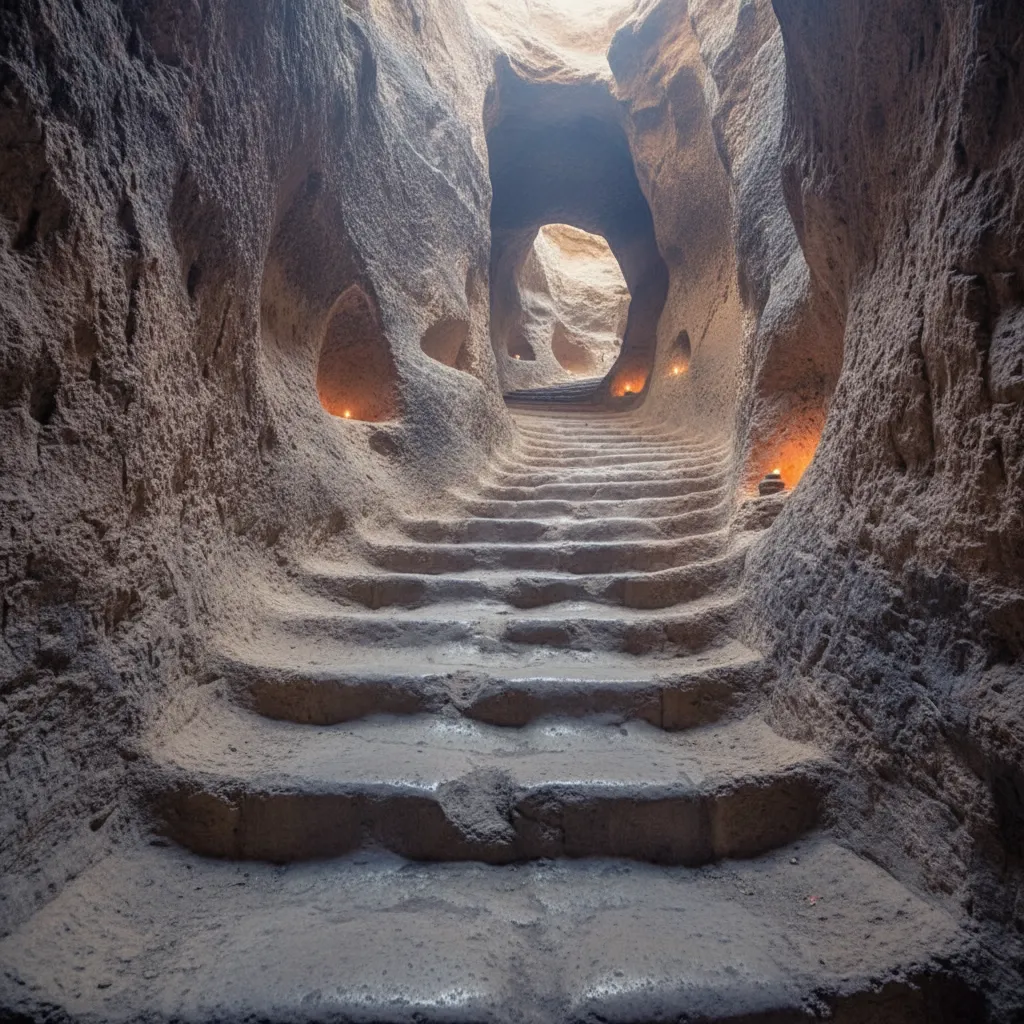
Finally, after your arduous journey across the desert, you arrive at the entrance. The first thing you'll notice is the sheer scale of the cliff face, often gleaming white or pale yellow against the blue sky. Then, you'll see the steps – hundreds of them, winding their way down into the earth. The descent itself is part of the ritual, a symbolic shedding of the outer world as you move closer to the sacred core. Take your time, breathe in the increasingly cool air, and prepare for the transformation.
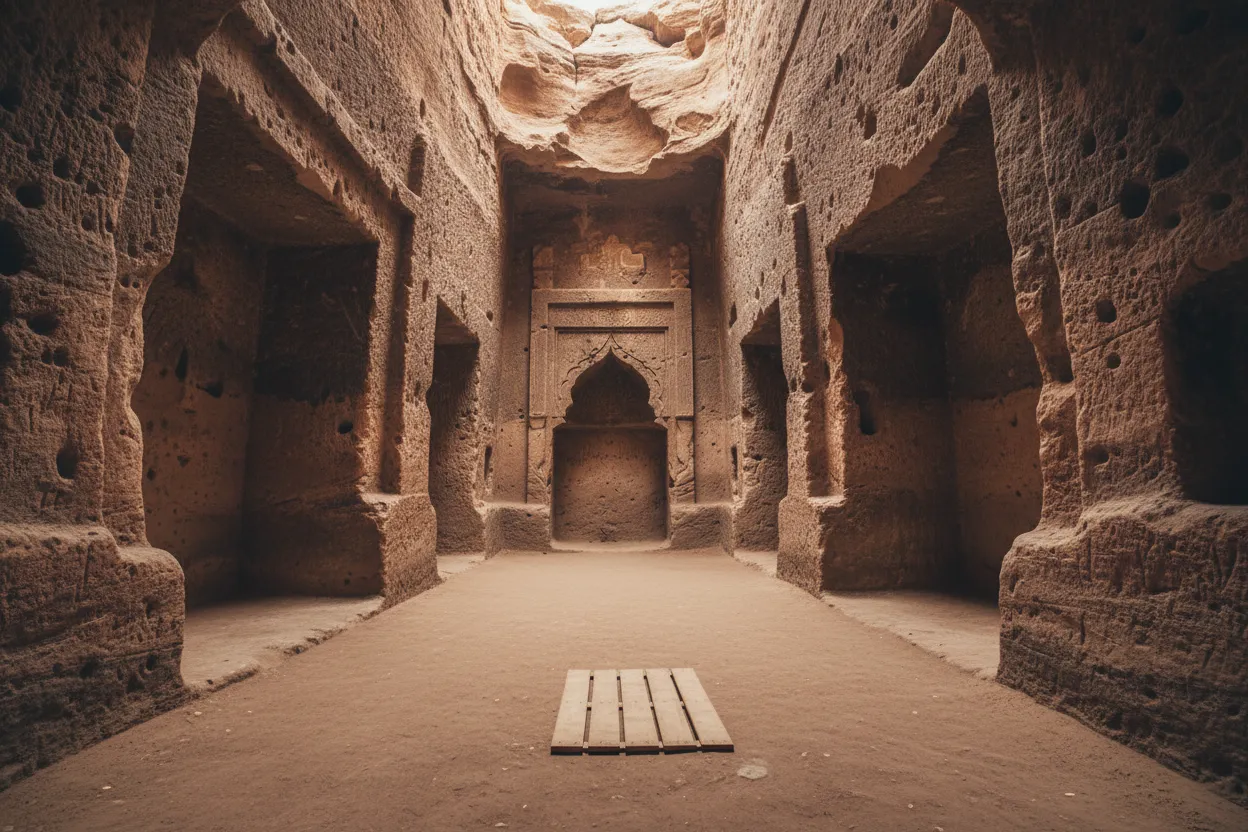
As you step inside, the desert heat instantly dissipates, replaced by a refreshing coolness and an almost palpable silence. The interior of Beket Ata is a network of chambers, prayer rooms, and corridors, all carved with remarkable precision into the rock. The walls are smooth, often bearing the marks of the chisels that shaped them centuries ago. Light, though dim, filters in from openings high above or from small lamps, creating an ethereal glow that highlights the natural textures of the stone.
You’ll find pilgrims from all walks of life here, some deep in prayer, others meditating in quiet contemplation. There are separate areas for men and women to pray, and often a central chamber where offerings are left. The most sacred part is the burial chamber of Beket Ata himself, a place of deep reverence. While the architecture is simple, its power lies in its authenticity and the sheer effort involved in its creation. It’s not about ornate decorations, but about the purity of faith etched directly into the earth. The experience of being so completely enclosed by the earth, yet feeling so spiritually open, is truly unforgettable.
Practical Magic: Tips for Your Beket Ata Pilgrimage
Visiting Beket Ata is an adventure that requires careful planning, but the rewards are immense. Here are some practical tips to help you make the most of your journey:
- Getting There: The most common way to reach Beket Ata is by hiring a private 4x4 vehicle with a local driver/guide from Aktau. This is essential for navigating the challenging desert terrain. The journey typically takes several hours each way, often requiring an overnight stay nearby.
- Best Time to Visit: Spring (April-May) and Autumn (September-October) offer the most pleasant weather. Summers can be intensely hot, and winters bitterly cold with unpredictable snow, making travel difficult.
- Accommodation: There isn't a traditional hotel at Beket Ata. Pilgrims typically stay in a guesthouse (often a simple dormitory-style accommodation) located near the mosque, or some opt for camping. Be prepared for basic facilities.
- What to Bring:
- Water: Lots of it! The desert climate is very dehydrating.
- Snacks/Food: Options are extremely limited once you leave Aktau.
- Modest Clothing: This is a sacred site. Dress respectfully, covering shoulders and knees. Women should bring a headscarf.
- Layers: Despite the desert heat, the underground mosque is cool, and desert nights can be chilly.
- Sturdy Shoes: For walking on uneven terrain and descending many steps.
- Sun Protection: Hat, sunglasses, sunscreen are crucial.
- Small First-Aid Kit: For minor scrapes or ailments.
- Power Bank: For charging devices, as electricity might be limited.
- Respectful Conduct: Remember you are visiting a highly sacred site. Be quiet and respectful, especially inside the mosque. Ask permission before taking photos of people.
- Physical Challenge: The journey itself is long, and descending and ascending the hundreds of steps to the mosque requires a reasonable level of fitness.
- Costs: Factor in the cost of a private 4x4 with a driver/guide, fuel, any overnight stays, and food. It’s not a budget trip, but an investment in an unforgettable experience.
A pilgrimage to Beket Ata is more than just ticking off a hidden destination; it’s an opportunity to step outside your comfort zone, to connect with a profound sense of spirituality, and to witness the incredible resilience of faith etched into the very fabric of the earth. It’s a journey that will stay with you long after you’ve left the silent, sacred chambers and returned to the bustling world above.
Essential Travel Information
- Location Beket Ata Underground Mosque, Kazakhstan
- Best Time April-May (Spring) and September-October (Autumn)
- Getting There Requires a 4x4 vehicle with a local driver/guide from Aktau. Multi-day trip often with an overnight stay.
- Airport Aktau International Airport (SCO)
- Budget Mid-range (due to specialized transport and guide costs) - approx. $150-300+ per day depending on group size and tour quality
- Language Kazakh, Russian
Find Places to Stay Near Beket Ata Underground Mosque
Compare hotels, hostels, and unique stays in Kazakhstan.
Search AccommodationTours & Experiences Near Beket Ata Underground Mosque
Book guided tours, day trips, and unique experiences.
Browse Tours