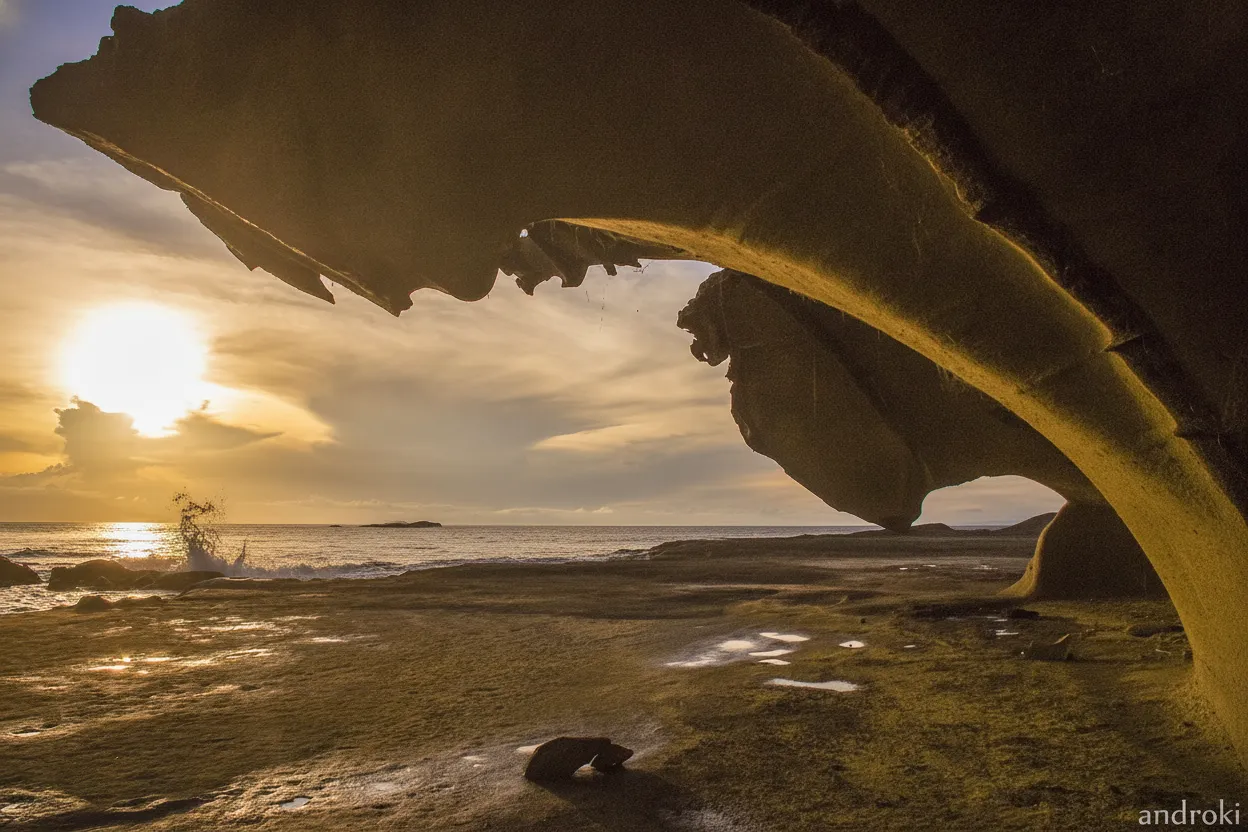
Forget the predictable. Forget the well-trodden paths and the Instagram feeds filled with the same old views. There are corners of our world that defy imagination, places so profoundly unique they feel plucked from the pages of a sci-fi epic. One such place lies hidden in the raw, untamed heart of the Philippines: the Biri Rock Formations in Northern Samar. Imagine a landscape where colossal rock monoliths rise dramatically from the churning Pacific, sculpted by millennia of relentless wind and waves into nature's own brutalist masterpieces. This isn't just a destination; it's an encounter with the sublime, an invitation to witness the earth's raw power and artistry on a scale that will leave you breathless.
Biri Rock Formations: Nature's Brutalist Masterpiece Unveiled
What makes Biri so utterly captivating? It's the sheer, unadulterated drama of it all. Scattered across the remote island of Biri, these seven massive limestone formations stand as sentinels against the vast expanse of the Pacific Ocean. Their names, like Magasang and Bel-at, echo with a quiet majesty, hinting at the ancient forces that forged them. Here, the ocean isn't just a backdrop; it's the primary sculptor, a relentless artist wielding currents and winds as its chisels. Over millions of years, it has gnawed, carved, and polished these immense stones, transforming them into a surreal, otherworldly tableau.
Stepping onto Biri feels like traversing the surface of an alien planet, or perhaps exploring the majestic ruins of a forgotten colossal civilization. The scale is immense, the textures are rugged, and the silence, broken only by the roar of the waves, is profound. Each formation tells a story of geological time, a testament to the earth's ceaseless evolution. You'll find yourself dwarfed by towering natural sculptures, their surfaces etched with intricate patterns and deep crevices. Between these giants, a network of crystal-clear tidal pools emerges at low tide, reflecting the sky and revealing a vibrant microcosm of marine life. These pools, teeming with colorful corals, crabs, and small fish, offer a stark, beautiful contrast to the harsh grandeur of the rocks, inviting quiet contemplation and a chance to dip your toes into nature's private aquariums. It's a place that not only demands your attention but commands your awe, reminding you of the incredible power and beauty that still exists in the wild, untouched corners of our world.
A Glimpse into Biri's Ancient Story
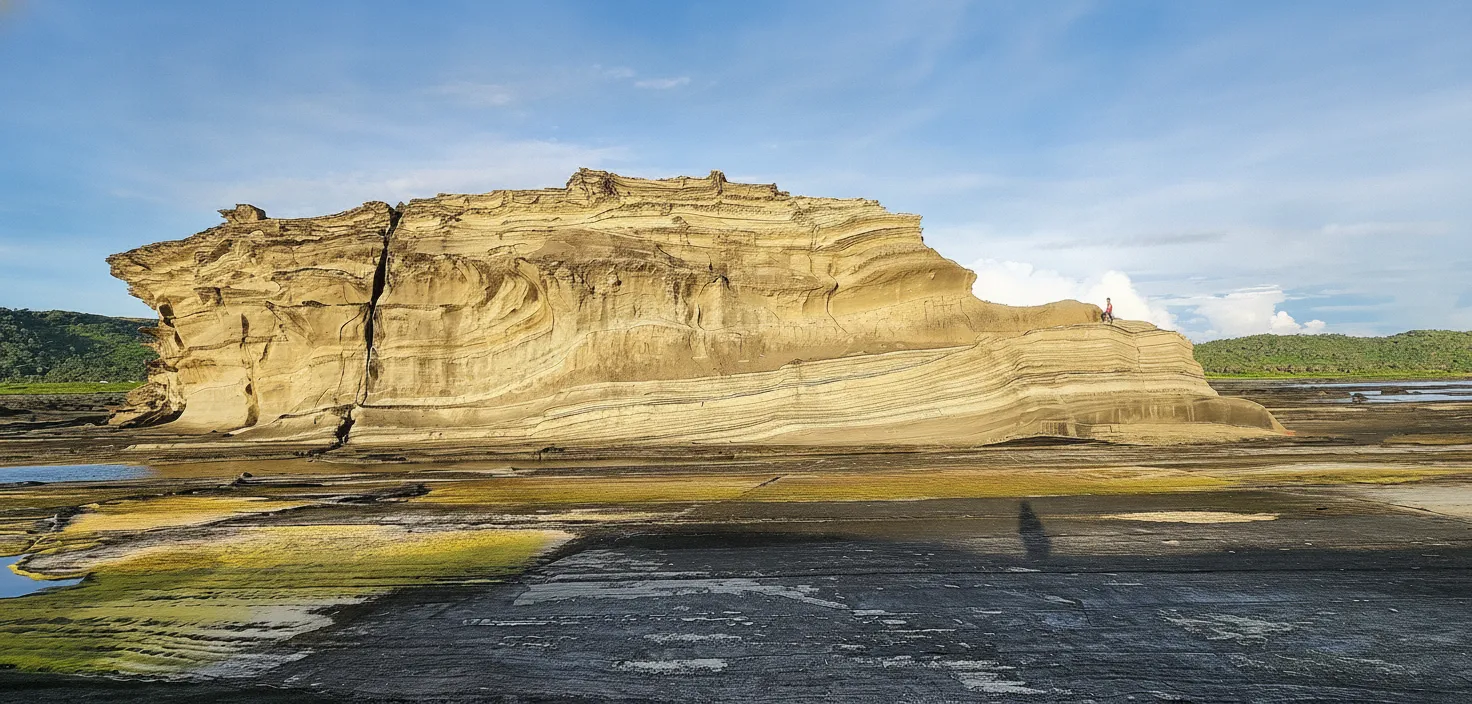
The story of the Biri Rock Formations is written in stone, a narrative spanning epochs. These magnificent structures are primarily composed of limestone, a sedimentary rock formed from the accumulation of marine organisms over millions of years. Imagine a time when this entire area was submerged beneath a vast, ancient sea, slowly depositing layers of calcium carbonate that would eventually solidify into rock. Then, tectonic shifts, the colossal movements of the Earth's crust, gradually uplifted this seabed, exposing the nascent formations to the elements.
Once above water, the true sculpting began. The Biri island, strategically positioned at the edge of the Pacific Ocean, bears the full brunt of its powerful currents and winds. This geographical lottery has been both a blessing and a curse: a blessing for creating such a unique geological marvel, and a challenge for those who seek to reach its remote shores. The relentless erosion by saltwater, wind, and rain has painstakingly carved, undercut, and shaped the limestone into the distinctive brutalist forms we see today. The softer layers of rock have succumbed more easily, leaving behind the more resistant sections to stand as towering monoliths. This continuous process means that Biri is a living, breathing geological exhibit, constantly being reshaped, albeit on a timescale that is imperceptible to the human eye.
While the geological history is the dominant narrative, the human story of Biri is equally compelling in its quiet resilience. The local community, predominantly Waray-speaking, has lived in harmony with these formidable formations for generations. They understand the rhythm of the tides, the moods of the ocean, and the respect due to their natural surroundings. Visiting Biri isn't just about seeing the rocks; it's about experiencing a way of life that is deeply intertwined with this raw, powerful environment, a community that guards this hidden gem with a quiet pride and an innate understanding of its value.
Exploring the Seven Wonders of Biri
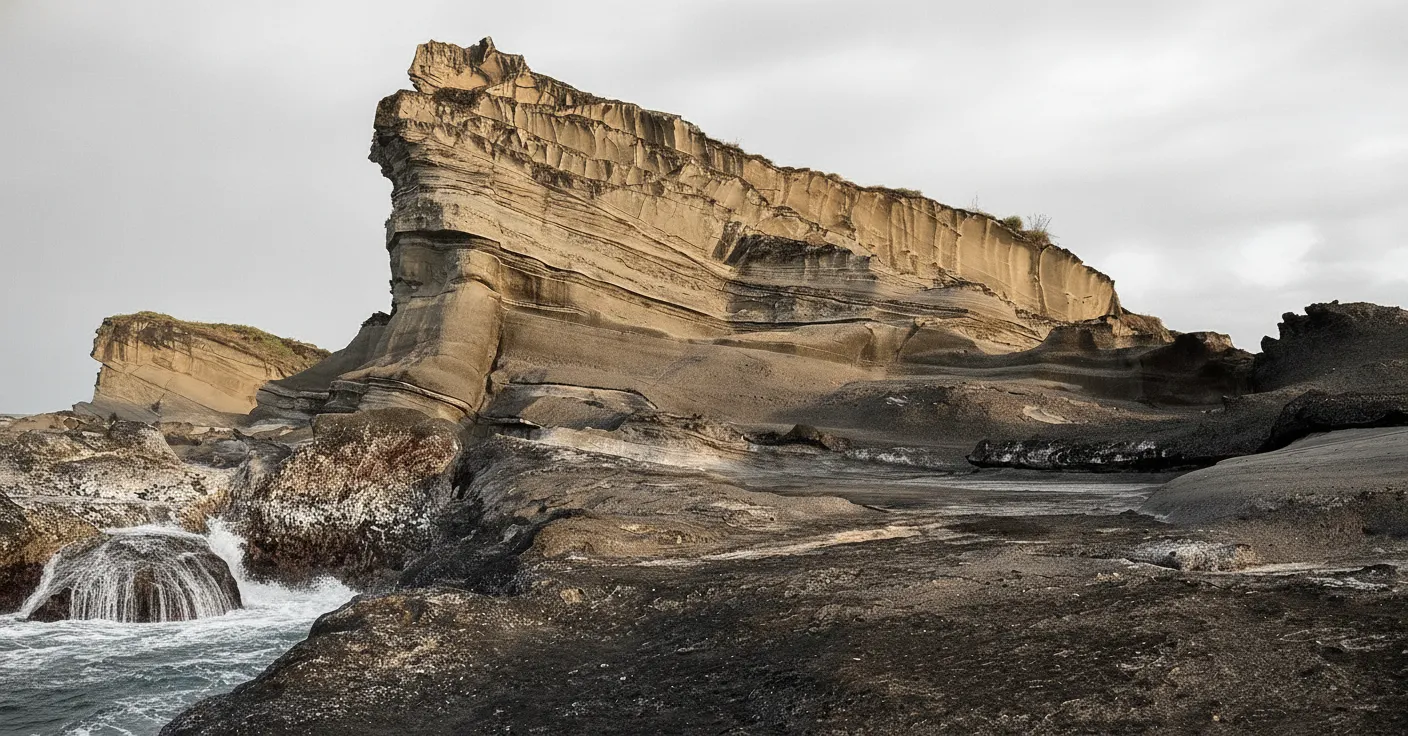
Embarking on an exploration of Biri's rock formations is an adventure for the senses. While there are seven main formations, each with its own character, the most prominent and frequently visited are Magasang and Bel-at. At low tide, the sea recedes to reveal vast expanses of rocky seabed, making it possible to walk among these titans. The journey typically begins with a short boat ride from the main Biri town to the designated jump-off points, followed by a walk across the exposed coral flats and rocky terrain. This walk itself is part of the experience, offering panoramic views of the ocean and the approaching geological giants.
As you approach Magasang, its sheer size and intricate carvings will immediately command your attention. It's a colossal structure, seemingly defying gravity, with layers of rock folded and sculpted into dramatic overhangs and deep caverns. The light plays tricks on its surfaces, creating ever-changing shadows and highlights that make it a photographer's dream. Bel-at, equally impressive, offers a different perspective, often featuring more expansive tidal pools surrounding its base, perfect for wading and discovering tiny marine creatures. The feeling of standing at the base of these formations, with the vastness of the Pacific stretching out before you, is incredibly humbling and exhilarating all at once.
Beyond the main attractions, allow yourself the luxury of simply wandering. Discover hidden coves where the water is calm and clear, perfect for a refreshing dip. Explore the smaller formations, each with its unique nooks and crannies. The tidal pools are an absolute highlight; they are miniature ecosystems, vibrant with life – sea anemones, starfish, colorful fish, and various crustaceans find refuge in their tranquil waters. For the best experience, aim to visit during sunrise or sunset. The golden hour casts an ethereal glow upon the rocks, transforming the already dramatic landscape into something truly magical, painting the sky with fiery hues that reflect off the wet rock surfaces. It's an unforgettable spectacle, a moment where the raw power of nature meets breathtaking beauty.
Your Essential Guide to Visiting Biri Rock Formations
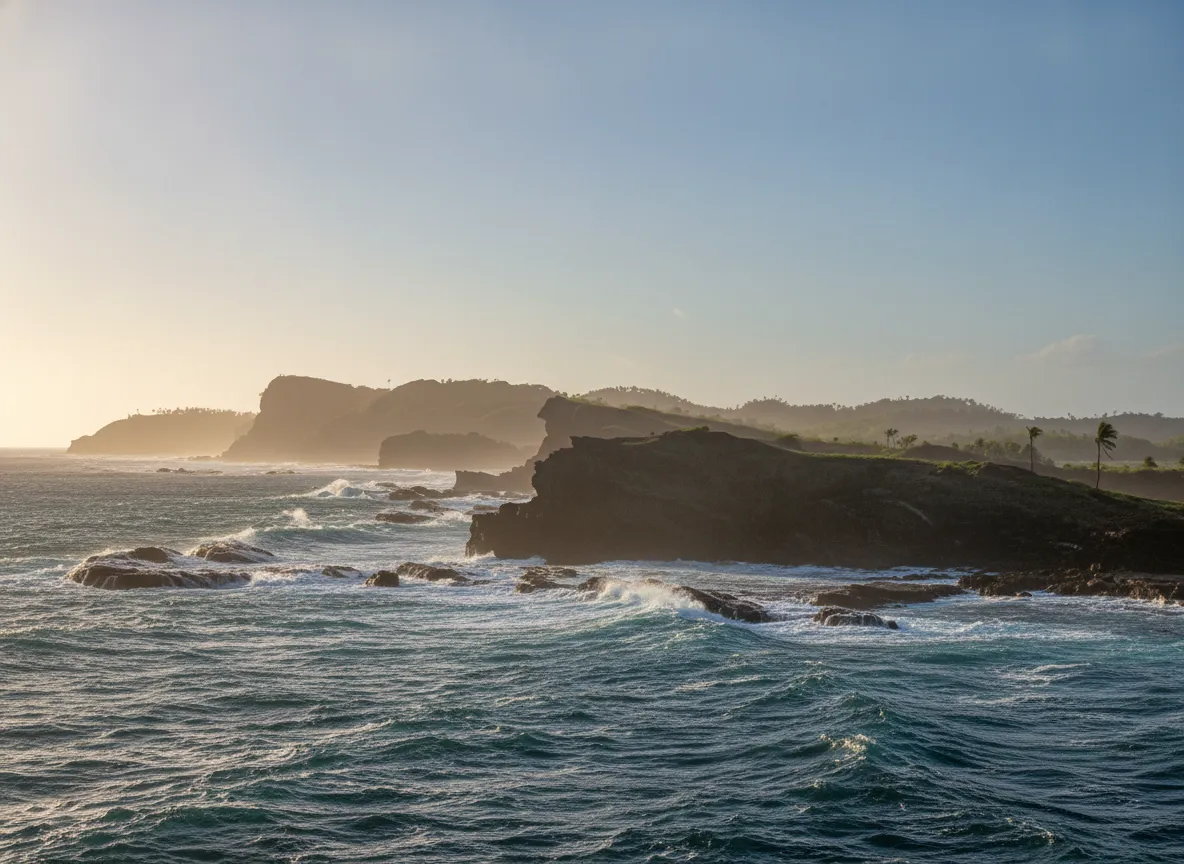
Visiting a place as remote and untouched as Biri requires a bit of planning, but the rewards are immeasurable. Think of it less as a typical tourist destination and more as an expedition into the wild heart of the Philippines.
Getting There: The Journey to Biri
Reaching Biri is an adventure in itself. The nearest major airport is Catarman National Airport (CRM) in Northern Samar. From Catarman, you'll need to take a tricycle or van to Lavezares Port (around 30-45 minutes). From Lavezares, pump boats (small motorized outrigger boats) regularly depart for Biri Island. The boat ride takes approximately 45 minutes to an hour, offering scenic views of the coastline. Once on Biri Island, tricycles are readily available to take you to the jump-off points for the rock formations. It's advisable to arrange transport in advance or upon arrival to ensure a smooth journey.
Best Time to Visit
The dry season, from March to May, is generally considered the best time to visit Biri, as the weather is more stable and the seas calmer, making boat travel easier. However, the shoulder months of February and June can also be good. Crucially, your visit to the rock formations themselves should coincide with low tide, as this is when the rocky seabed is exposed, allowing you to walk among the formations and explore the tidal pools safely. Always check local tide charts before planning your trip to maximize your exploration time.
What to Bring
- **Sun Protection:** The sun can be intense. Bring a wide-brimmed hat, sunglasses, and plenty of high-SPF sunscreen.
- **Appropriate Footwear:** Water shoes, reef shoes, or sturdy sandals with good grip are essential for walking on the rocky, uneven, and often slippery surfaces.
- **Water & Snacks:** There are limited facilities at the formations, so bring enough hydration and energy-boosting snacks.
- **Camera:** You'll want to capture the incredible landscape! Consider waterproof protection for your camera.
- **Lightweight Rain Gear:** Tropical weather can be unpredictable.
- **First-Aid Kit:** For minor scrapes or cuts.
- **Dry Bag:** To protect your electronics and valuables from sea spray.
Accommodation and Guides
Accommodation on Biri Island is mostly simple guesthouses and homestays, offering a comfortable but no-frills experience. It's recommended to book in advance, especially during peak season. Hiring a local guide is highly recommended and often mandatory. Not only do they know the safest paths through the formations and the best spots for photos, but they also contribute to the local economy and can share insights into the area's culture and ecology. They are invaluable for navigating the complex tidal patterns and ensuring your safety.
Respecting the Environment
Biri Rock Formations are a pristine natural wonder. Please practice responsible tourism:
- **Leave No Trace:** Take all your trash with you.
- **Stay on Designated Paths:** To protect fragile ecosystems and for your safety.
- **Do Not Disturb Marine Life:** Observe tidal pool inhabitants without touching or removing them.
- **Support Local:** Engage local guides, buy from local vendors, and respect local customs.
A journey to the Biri Rock Formations is more than just a trip; it's an immersion into a landscape that challenges perceptions and inspires profound wonder. It's a reminder that some of the most extraordinary beauty on Earth lies just beyond the horizon, waiting to be discovered by those brave enough to seek it out.
Essential Travel Information
- Location Biri Rock Formations, Philippines
- Best Time March to May (dry season), coinciding with low tide for exploration.
- Getting There Fly to Catarman National Airport (CRM). Take a tricycle/van to Lavezares Port, then a pump boat to Biri Island. Tricycles on Biri take you to the formations.
- Airport Catarman National Airport (CRM)
- Budget Budget/Mid-range (approx. $30-70 USD per day excluding flights)
- Language Waray-Waray, Filipino, English
Find Places to Stay Near Biri Rock Formations
Compare hotels, hostels, and unique stays in Philippines.
Search AccommodationTours & Experiences Near Biri Rock Formations
Book guided tours, day trips, and unique experiences.
Browse Tours