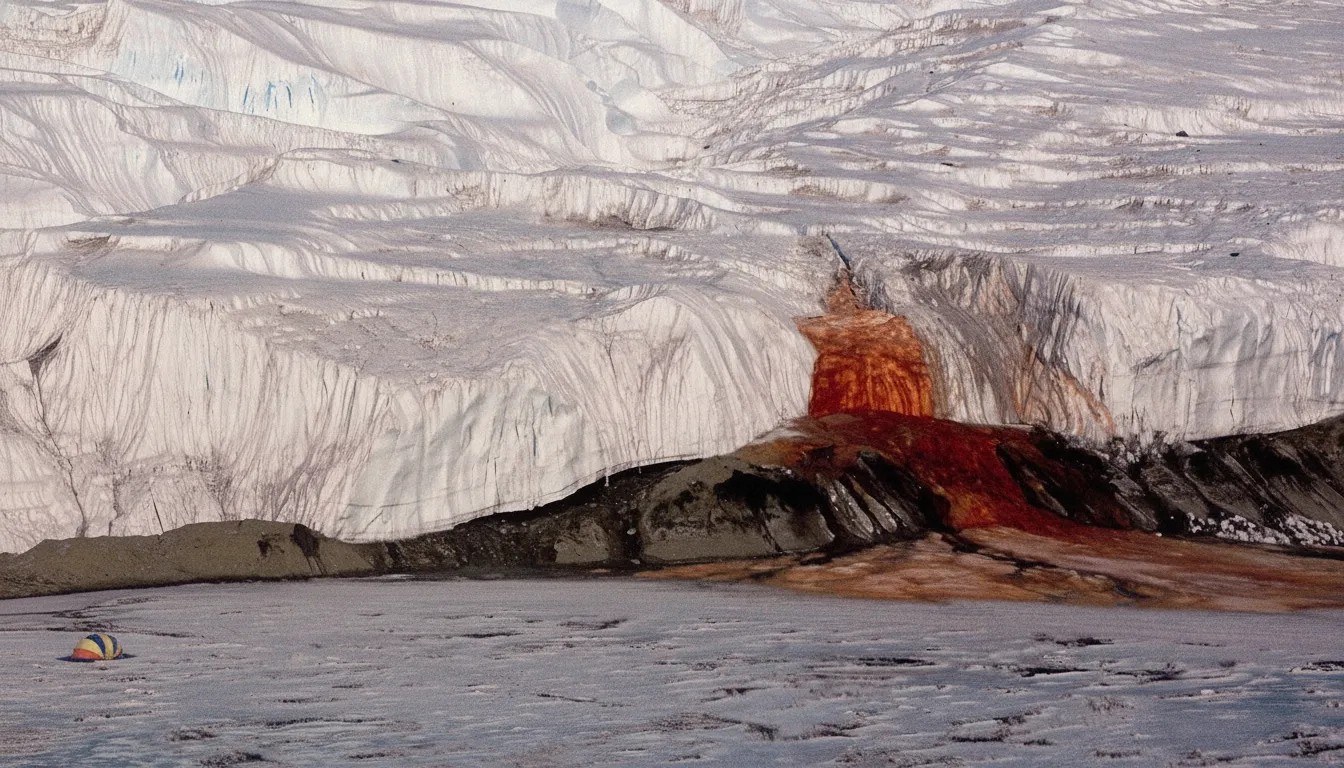
Imagine a glacier that bleeds. Not metaphorically, but literally, with a constant stream of iron-rich red water, staining the pristine white ice of Antarctica with a surreal, crimson flow. This isn't a scene from a sci-fi movie; it's the breathtaking reality of Blood Falls, one of Earth's most enigmatic and visually striking natural wonders, hidden deep within the frozen heart of Victoria Land. If you thought Antarctica was just endless white, prepare to have your perception shattered by this bizarre, beautiful, and profoundly significant phenomenon that hums with ancient secrets and hints at life beyond our world.
Tucked away in the stark, otherworldly landscape of the McMurdo Dry Valleys, Blood Falls is a stark reminder that even in the most extreme environments, life finds a way. It’s a place where science fiction meets geological reality, where a secret history flows forth from beneath a colossal ice sheet, painting the landscape in hues you’d never expect. This isn't just a sight to behold; it's a living laboratory, a window into processes that have unfolded over millions of years, and a potential blueprint for understanding life on other planets.
What Makes Blood Falls So Special?
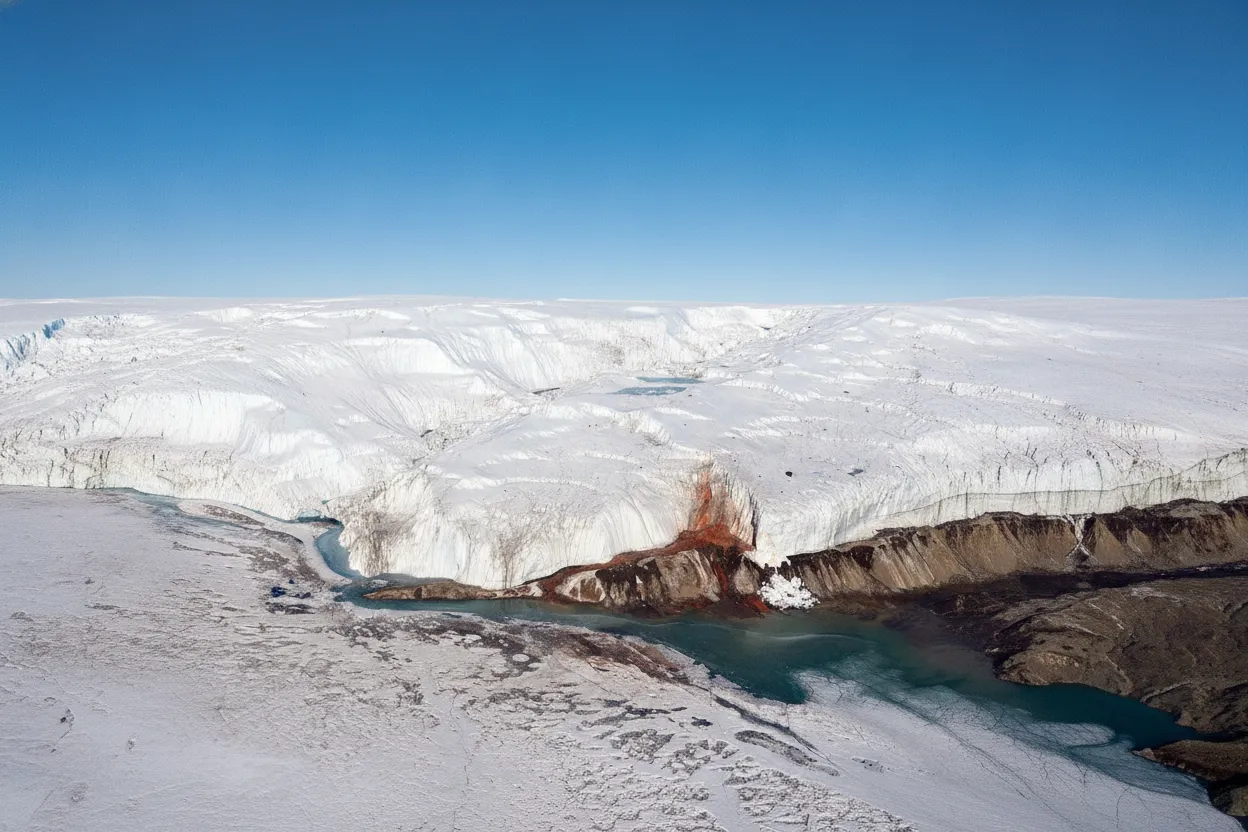
At first glance, the sight of Blood Falls is utterly disorienting. A vibrant, rust-red cascade pours forth from a fissure in the snout of the majestic Taylor Glacier, contrasting violently with the surrounding stark white and blue ice. It truly looks like the glacier itself is weeping blood. But the truth, as always, is far more fascinating than fiction. This bizarre natural phenomenon isn't some mystical occurrence; it's the result of an extraordinary geological and biological interplay that has been unfolding for millennia.
The source of this crimson flow is a subglacial lake, trapped beneath the Taylor Glacier for an estimated 1.5 to 2 million years. This isn't just any lake; it's an incredibly saline, iron-rich brine, completely isolated from the atmosphere and sunlight. When this ancient, super-salty water finally seeps out through cracks in the ice and makes contact with the air, the dissolved ferrous iron within it rapidly oxidizes, much like rust forming on metal. This chemical reaction creates the vivid, blood-red color that gives the falls its dramatic name. It's a geological timer, marking the emergence of water from a truly ancient past.
But the story doesn't end with geology. What makes Blood Falls truly special is the incredible microbial ecosystem thriving within this subglacial lake. Scientists have discovered a unique community of bacteria that survive without light or organic nutrients, instead metabolizing sulfates and ferric iron. These are organisms living in conditions previously thought impossible for complex life – extreme cold, complete darkness, and high salinity. Studying these "extremophiles" offers invaluable insights into the limits of life on Earth and provides crucial clues for astrobiologists searching for potential life on other icy celestial bodies, like Jupiter's moon Europa or Saturn's moon Enceladus, which are thought to harbor similar subglacial oceans.
A Glimpse into Antarctica's Ancient Past: The History Behind the Flow
The discovery of Blood Falls dates back to 1911, when Australian geologist Griffith Taylor, part of Robert Falcon Scott's ill-fated Terra Nova Expedition, first stumbled upon this astonishing sight. Taylor and his team initially attributed the red color to red algae, a common misconception that persisted for decades. The remote and harsh environment meant that detailed scientific investigation was slow to come by, and the true nature of the falls remained largely a mystery.
It wasn't until the early 21st century that advanced research techniques began to unravel the secrets of Blood Falls. In 2003, researchers confirmed the presence of the subglacial lake and its unique microbial inhabitants. Further studies, including radar mapping, revealed the vast network of brine channels beneath the glacier, confirming the ancient origins of the water. The Taylor Glacier, like many in Antarctica, has advanced and retreated over millennia, trapping pockets of seawater that gradually became enriched with minerals and isolated from the rest of the world.
This isolation is key. For millions of years, the subglacial lake has been a time capsule, preserving a unique chemical and biological environment. The microbes within have adapted to these extreme conditions, evolving in complete separation from surface life. Their existence challenges our understanding of habitability and resilience, demonstrating that life can persist and even thrive in environments that would be instantly fatal to most known organisms. Blood Falls, therefore, isn't just a geological curiosity; it's a living, breathing testament to the incredible tenacity of life on Earth and a profound lesson in evolution under pressure.
What You'll Witness at This Crimson Wonder
Visiting Blood Falls is an experience that transcends mere sightseeing; it's an immersion into a landscape that feels utterly alien, yet profoundly beautiful. As you approach, the sheer scale of the McMurdo Dry Valleys unfolds around you – a vast, ice-free polar desert, one of the driest places on Earth, carved by winds and time. It’s a place of stark contrasts, where towering, snow-capped mountains meet barren, rock-strewn valleys, and the silence is so profound it almost hums.
Then, suddenly, the crimson ribbon of Blood Falls emerges. Against the backdrop of the colossal, ancient Taylor Glacier, the red flow is an almost unbelievable sight. The vibrant color, ranging from deep rust to a startling blood-orange, cascades down the ice face, creating intricate patterns as it freezes and thaws, constantly reshaping its path. You'll feel an immediate sense of wonder, perhaps even a touch of unease, at this vivid anomaly in an otherwise monochromatic world. The air itself feels ancient, carrying the scent of raw geology and pristine wilderness.
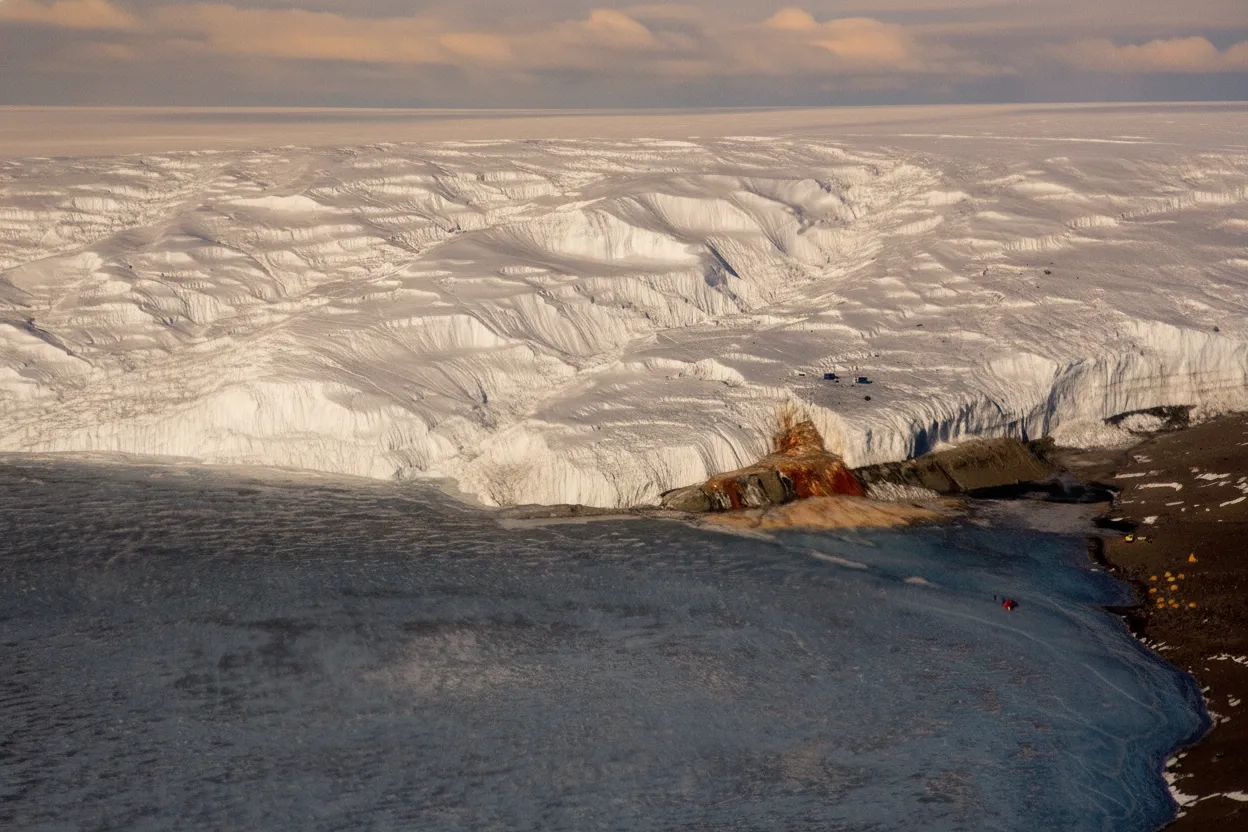
Beyond the visual spectacle, what you’ll witness is the raw power of nature and the subtle persistence of life. You might see scientists at work, carefully collecting samples, their presence a stark reminder of the global significance of this remote location. The surrounding landscape of the Dry Valleys is equally captivating, with mummified seals and unique geological formations, offering further glimpses into Antarctica's extraordinary past. It’s a place that makes you feel small, yet incredibly connected to the vast, ongoing story of our planet.
Planning Your Expedition to Earth's Most Alien Landscape: Practical Tips
Let's be upfront: Blood Falls is not a typical tourist destination. Its extreme remoteness, harsh conditions, and scientific importance mean that visiting requires significant planning, resources, and a spirit of true adventure. This is not a place you simply book a flight to; it's an expedition.
Accessibility and How to Get There: Blood Falls is located in one of the most protected and least accessible regions of Antarctica. Access is almost exclusively via scientific expeditions, often departing from McMurdo Station, the largest U.S. research station in Antarctica. A handful of highly specialized, luxury expedition cruises might offer fly-in options or specific itineraries that include the McMurdo Dry Valleys, but these are rare and extremely expensive. Expect to travel by specialized aircraft (like ski-equipped Twin Otters) and potentially overland vehicles designed for polar conditions.
Permits and Regulations: Antarctica is governed by the Antarctic Treaty System, and all activities are strictly regulated by the International Association of Antarctica Tour Operators (IAATO) for tourism, and national scientific programs for research. You cannot visit Blood Falls independently. Any visit will require extensive permits and adherence to strict environmental protocols, including "Leave No Trace" principles to protect the pristine environment.
Best Time to Visit: The Antarctic summer (roughly November to February) is the only feasible time to visit. During these months, temperatures are "warmer" (still well below freezing, but less extreme), and there are extended periods of daylight, making travel and exploration possible. Outside of this window, the region is plunged into continuous darkness and extreme cold, making access virtually impossible and incredibly dangerous.
What to Pack: Think extreme cold weather gear, and then some. Multiple layers of high-quality thermal clothing, waterproof and windproof outer shells, insulated boots rated for sub-zero temperatures, specialized gloves, hats, and balaclavas are essential. Sun protection (high SPF sunscreen and glacier glasses) is crucial due to the intense UV reflection off the ice and snow, even in cold temperatures. Specialized photography gear capable of withstanding extreme cold is also recommended if you wish to capture its beauty.
Cost and Budget: Visiting Blood Falls is an ultra-luxury expedition. The cost will be substantial, easily running into tens of thousands of dollars, reflecting the incredible logistical challenges, specialized transport, expert guides, and the limited availability of such trips. This is a once-in-a-lifetime journey for the most dedicated and well-resourced adventurers.
What to Expect: Expect raw, untouched wilderness. Facilities will be basic, if present at all, often involving tented camps or temporary scientific shelters. Be prepared for unpredictable weather, including whiteouts and high winds. The experience will be physically demanding but immensely rewarding. Most importantly, expect a profound sense of isolation, wonder, and an unparalleled connection to a truly unique corner of our planet.
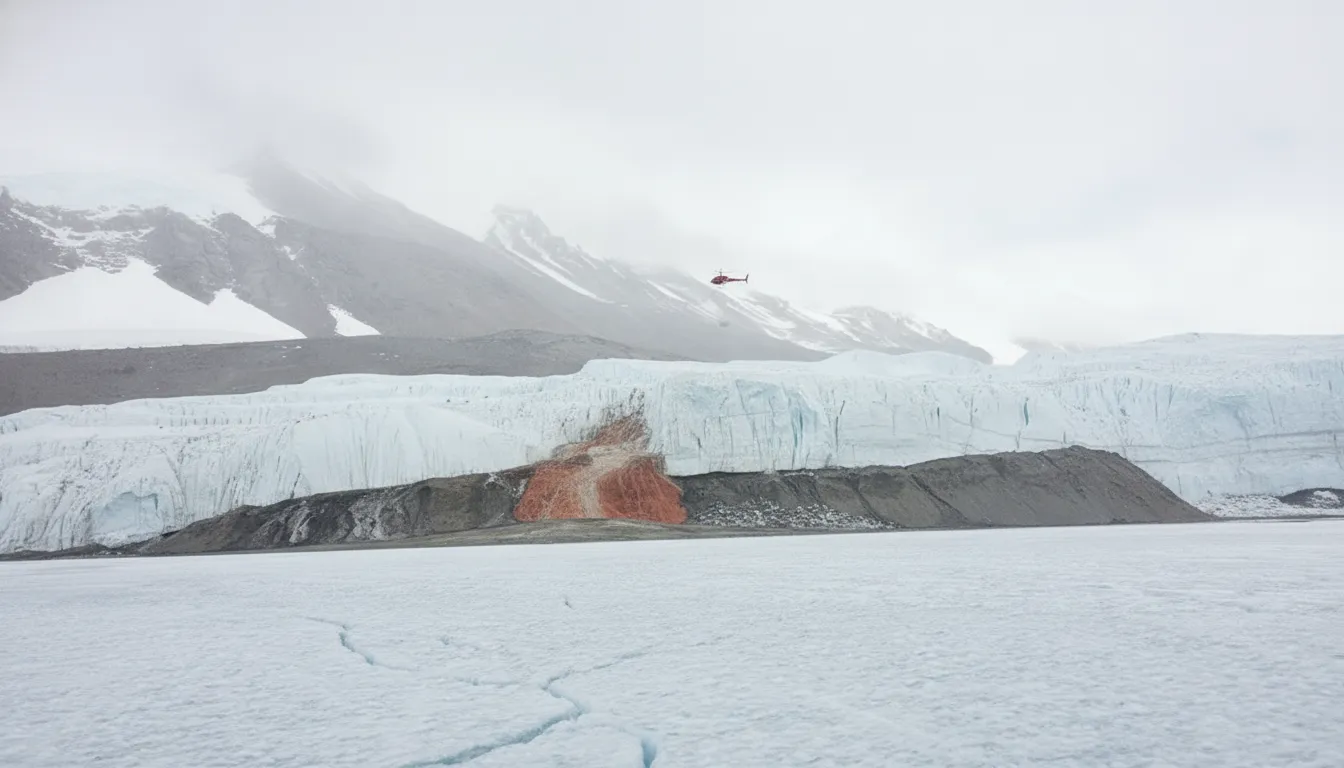
Blood Falls is more than just a peculiar geological feature; it's a testament to the Earth's enduring mysteries and the incredible adaptability of life. It’s a place that challenges assumptions, inspires scientific inquiry, and leaves an indelible mark on anyone fortunate enough to witness its crimson flow. If you ever have the extraordinary opportunity to visit this hidden gem of Antarctica, prepare for an experience that will redefine your understanding of our planet and perhaps, even life itself.
Essential Travel Information
- Location Blood Falls, Antarctica
- Best Time November to February (Antarctic summer)
- Getting There Primarily via scientific expeditions or highly specialized luxury expedition cruises departing from Ushuaia (Argentina) or Christchurch (New Zealand) to McMurdo Station, then by specialized aircraft/overland vehicles.
- Airport McMurdo Station (NZIR - unofficial, military/scientific use only, not commercial)
- Budget Luxury (approx. $25,000 - $100,000+ for an expedition)
- Language No local language; English is common among scientific and expedition personnel.
Find Places to Stay Near Blood Falls
Compare hotels, hostels, and unique stays in Antarctica.
Search AccommodationTours & Experiences Near Blood Falls
Book guided tours, day trips, and unique experiences.
Browse Tours