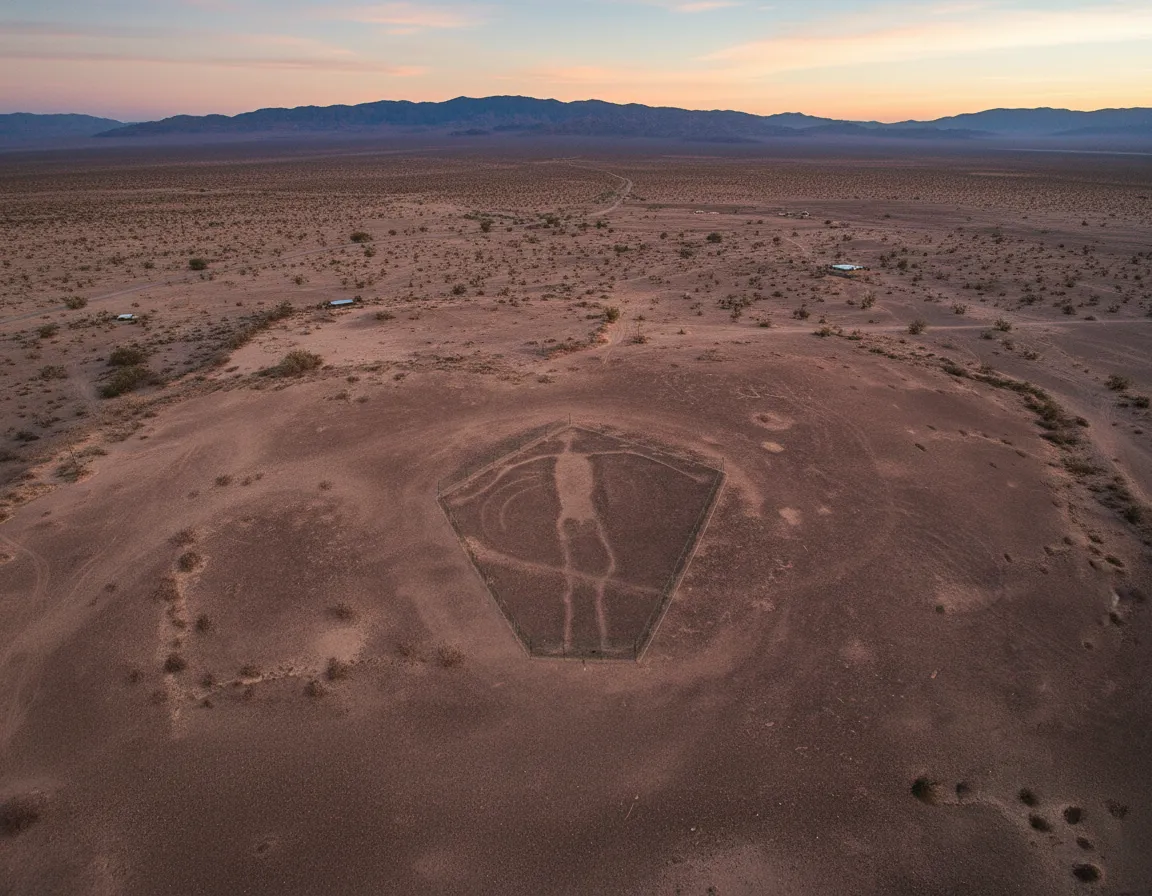
Imagine soaring high above the sun-baked California desert, a vast expanse of ochre and rust stretching to the horizon. Suddenly, an impossible sight emerges from the ancient earth below: colossal figures, etched with breathtaking precision, so immense that they are truly discernible only from this bird's-eye vantage point. You're not looking at modern art or a secret military experiment; you're gazing upon the **Blythe Intaglios**, a profound archaeological enigma that whispers tales from an ancient past, a testament to human ingenuity and spiritual connection with the land. If you're a traveler who craves genuine wonder, who seeks out the mysteries etched into our planet, then buckle up – because I'm about to tell you about one of North America's most astounding, yet often overlooked, hidden treasures.
What Makes the Blythe Intaglios So Special?
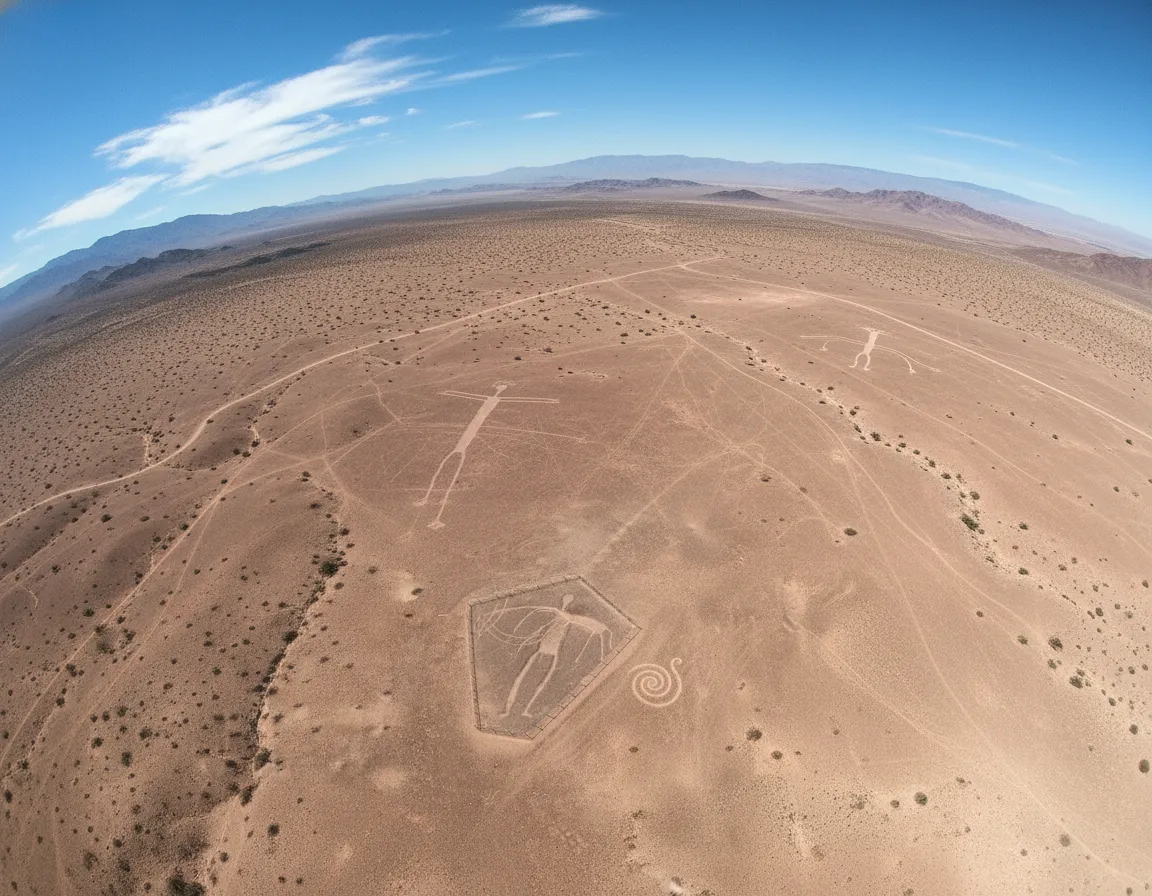
What sets the Blythe Intaglios apart from almost any other ancient site you might visit is their sheer scale and the unique way they demand to be seen. These aren't carvings on a rock face or structures you walk through; they are gargantuan artworks meticulously scraped into the desert pavement itself. Some figures stretch over 170 feet long – that's longer than an Olympic swimming pool! Created by indigenous peoples perhaps 900 to 2,000 years ago, these immense geoglyphs depict human-like forms, powerful animals like mountain lions, and intricate geometric patterns. The most famous is undoubtedly the "Giant Man" (also known as the "Blythe Giant"), a striking anthropomorphic figure that commands attention even from thousands of feet up.
Their true magic lies in their elusiveness. Stand on the ground next to one, and you might just see a series of shallow depressions and scattered rocks. But ascend into the sky, and the fragmented lines coalesce into magnificent, coherent images. It's a humbling thought: an ancient culture, without the benefit of hot air balloons or drones, created these masterpieces, presumably with a full understanding of their aerial appearance. This profound foresight and skill make the Blythe Intaglios not just archaeological wonders, but truly a marvel of ancient engineering and artistic vision, waiting for the curious modern explorer to unveil their secrets.
Whispers from an Ancient Past: History and Background
The story of the Blythe Intaglios is one of enduring mystery. While their exact creators remain nameless, archaeological evidence points to various indigenous groups, including the ancestors of the Mohave and Quechan peoples, as the likely artists. Imagine the painstaking effort: using simple tools, these ancient artisans cleared away the darker, gravelly desert pavement, exposing the lighter soil beneath. They meticulously outlined and filled in these vast figures, enduring the harsh desert sun, driven by a purpose we can only hypothesize about today.
For centuries, perhaps millennia, these figures lay largely unnoticed by the outside world, blending into the vastness of the Colorado Desert. It wasn't until 1932, when a pilot flying between Las Vegas and Blythe spotted them, that their existence was officially brought to modern attention. This "rediscovery" highlighted their unique nature – creations seemingly intended for an audience that could fly, or perhaps for celestial beings. Were they sacred ceremonial sites? Astronomical calendars tracking the movements of the sun or stars? Messages to sky spirits or gods? Or perhaps they marked tribal territories or important pathways? While archaeologists continue to study and debate their meaning, the lack of definitive answers only deepens their allure, inviting us to ponder the profound spiritual and cultural lives of those who created them.
What You'll See (and How You'll See It!)
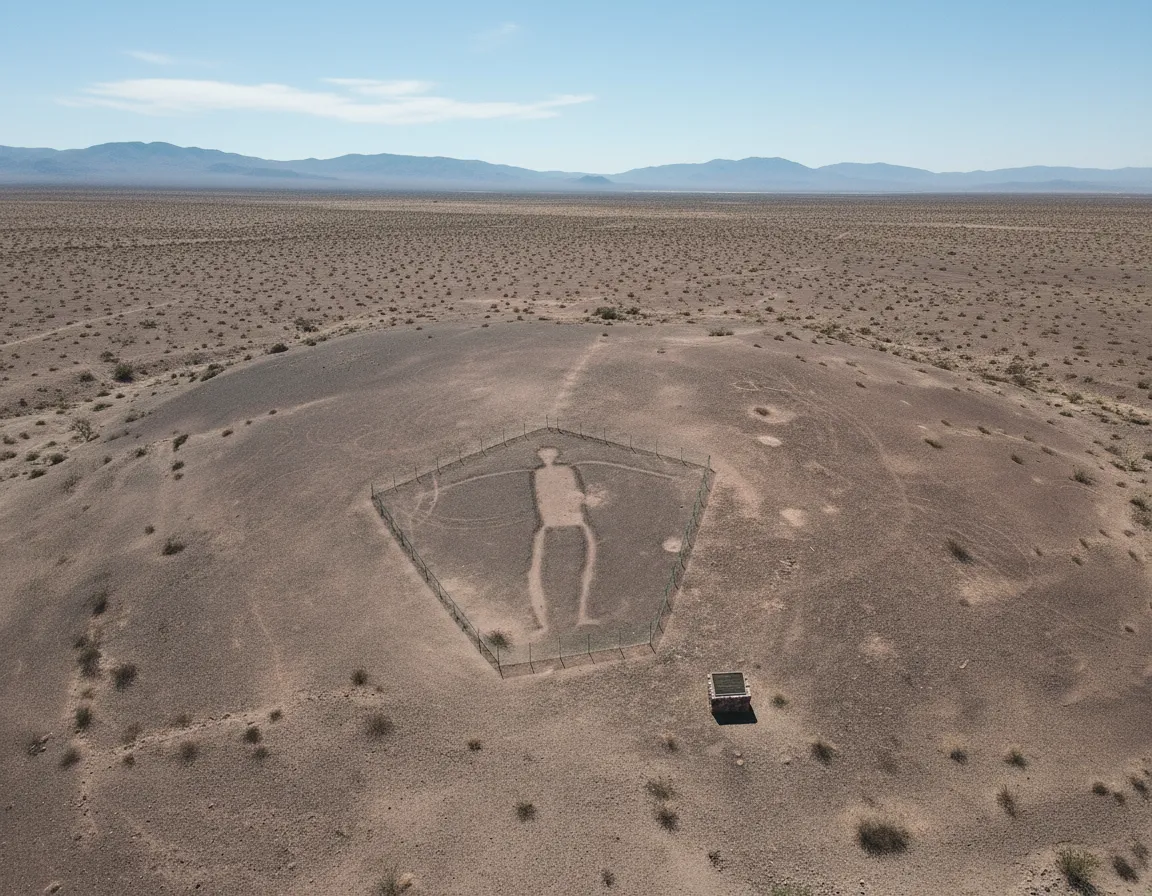
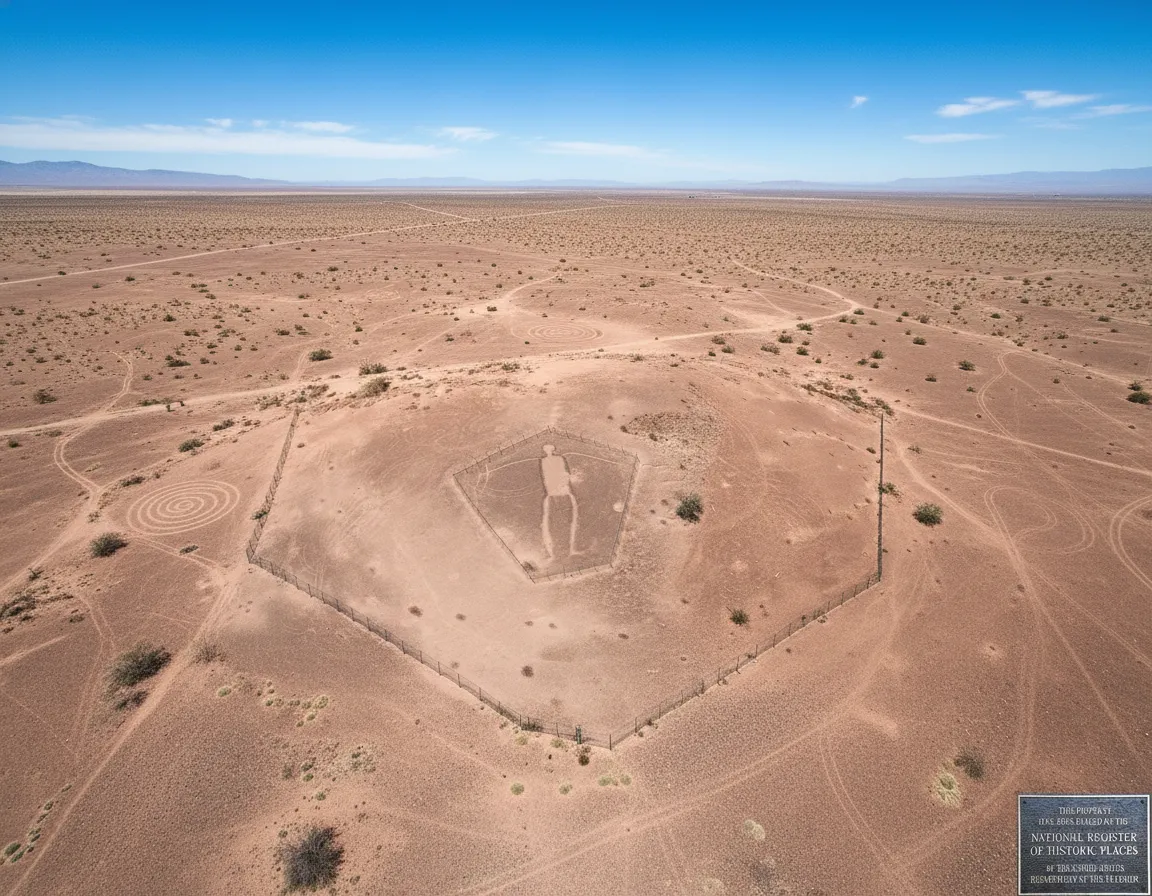
Visiting the Blythe Intaglios is a truly unique experience, a journey into both ancient history and the vastness of the California desert. The primary viewing site for the most prominent figures – the human-like giant, a mountain lion, and a spiral – is located about 15 miles north of Blythe, just west of Highway 95. When you arrive, you'll find a small, fenced area with a viewing platform. From this ground-level perspective, you can walk along the perimeter and begin to discern the outlines of the figures. It’s a fascinating exercise in perception, seeing the individual lines and understanding the immense scale of the work, even if the full image isn't immediately obvious.
To truly grasp the magnificence of the Intaglios, however, an aerial view is unparalleled. While a private plane or helicopter tour might be out of reach for most, even reviewing high-resolution satellite images or drone footage before or after your visit will profoundly enhance your appreciation. Standing on the desert floor, knowing that just above you, these colossal figures are perfectly formed, creates a powerful sense of wonder and connection to an ancient, mysterious world. It's a place that asks you to look beyond the immediate, to imagine the unseen, and to marvel at the enduring legacy of a long-vanished culture.
Planning Your Desert Expedition: Practical Visit Tips
Ready to embark on your own journey to uncover the secrets of the Blythe Intaglios? Here's what you need to know to make your visit unforgettable:
Best Time to Visit
The Colorado Desert can be scorching. The **best time to visit is during the cooler months, from late fall (October) through early spring (April)**. Winter days are typically mild and pleasant, perfect for exploring. Avoid the intense heat of summer.
How to Get There
The Intaglios are remote, so a car is essential. From Blythe, California, head north on Highway 95 for approximately 15 miles. There will be a well-marked dirt road turn-off leading to the viewing site. The dirt road is generally well-maintained but can be dusty. Always check road conditions, especially after heavy rains.
What to Bring
- **Water, Water, Water:** The desert is unforgiving. Bring more than you think you'll need.
- **Sun Protection:** Hat, sunglasses, and high-SPF sunscreen are non-negotiable.
- **Sturdy Shoes:** You'll be walking on uneven desert terrain.
- **Binoculars:** While the figures are large, binoculars can help you pick out details from the ground-level viewing platform.
- **Camera:** Capture the vastness and the subtle details.
- **Snacks:** There are no amenities at the site.
Respecting the Site
These are incredibly fragile and sacred archaeological sites. Please adhere to the following:
- **Stay on Designated Paths:** Do not walk on the intaglios themselves. The cleared lines are easily damaged.
- **Leave No Trace:** Pack out everything you pack in.
- **Respect the History:** Remember you are on sacred ground.
The Blythe Intaglios offer a unique opportunity to connect with an ancient culture and ponder the enduring mysteries of human history. Their colossal scale, their enigmatic purpose, and their hidden nature make them a truly compelling destination for any intrepid explorer. So, pack your sense of adventure, fill up your water bottles, and prepare to be amazed by one of California's most remarkable and least-known treasures. It's an experience that will stay with you long after you've left the desert dust behind, a reminder of the incredible stories etched into our planet, just waiting to be discovered.
Essential Travel Information
- Location Blythe Intaglios, USA
- Best Time Late Fall (October) through Early Spring (April)
- Getting There Drive north on Highway 95 from Blythe, CA for approximately 15 miles, then turn onto a marked dirt road.
- Airport Palm Springs International Airport (PSP)
- Budget Budget/Mid-range, ~$70-150 per day (excluding major airfare, including gas, basic food, and modest accommodation in Blythe)
- Language English
Find Places to Stay Near Blythe Intaglios
Compare hotels, hostels, and unique stays in USA.
Search AccommodationTours & Experiences Near Blythe Intaglios
Book guided tours, day trips, and unique experiences.
Browse Tours