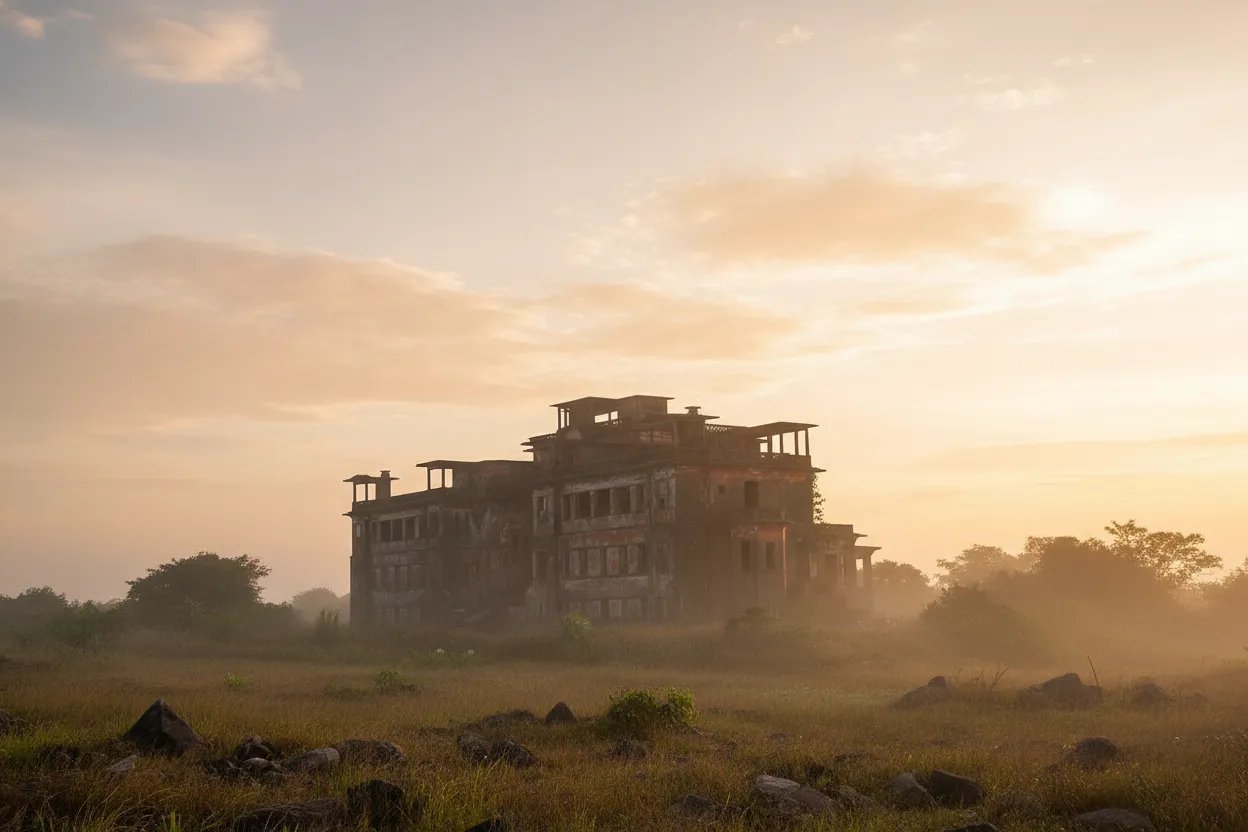
Perched high in the mist-shrouded Cambodian mountains, a journey into the past awaits. Imagine an eerie ghost town of crumbling French colonial grandeur, slowly but relentlessly being reclaimed by the tenacious jungle. This isn't a scene from a movie; it's Bokor Hill Station, a place that whispers tales of forgotten luxury, political turmoil, and a haunting beauty that will captivate your soul. If you're seeking an adventure beyond the ordinary, a destination steeped in mystery and atmospheric charm, then pack your bags – we're heading to Bokor.
I remember my first visit, the air growing cooler with every hairpin bend, the jungle pressing in, until suddenly, through a swirling veil of fog, the skeletal outline of a grand building emerged. It felt like stepping into a dream, or perhaps a waking nightmare, where time had stood still for decades. This isn't just a collection of old buildings; it's a monument to ambition, abandonment, and the relentless power of nature. It’s a place that truly gets under your skin, compelling you to explore every moss-covered corridor and wind-battered balcony, each corner holding another untold story.
What Makes Bokor Hill Station So Uniquely Special?
Bokor Hill Station stands alone as one of Southeast Asia's most captivating and enigmatic destinations. What sets it apart isn't just its age or its abandonment, but the sheer dramatic beauty of its setting in the Cardamom Mountains of Kampot Province. Built as a luxurious escape from the oppressive heat of Phnom Penh for French colonists in the 1920s, it was designed to be a paradise – a European-style resort complete with a grand hotel, casino, church, royal residences, and even a post office. Today, it presents a stark, almost poetic contrast to its original purpose.
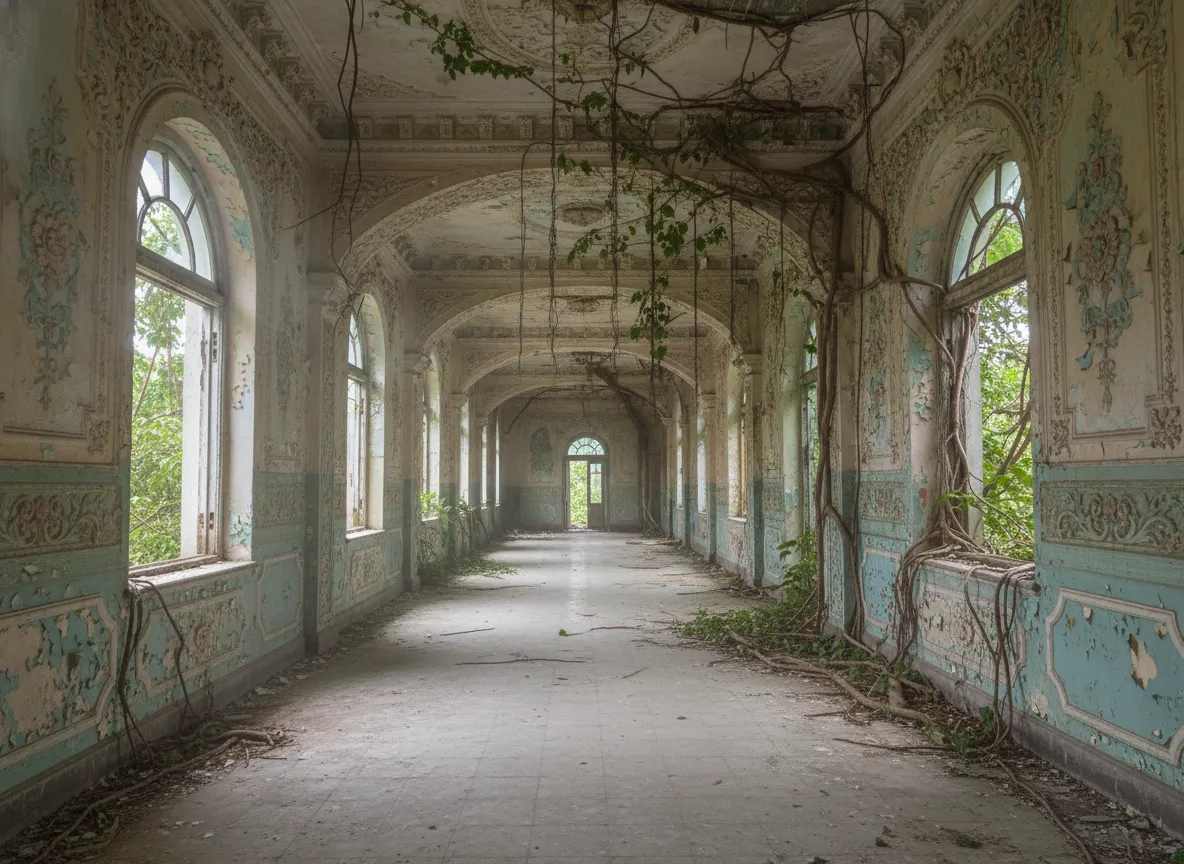
The allure lies in this dichotomy: the faded elegance battling against the encroaching wilderness. You walk through what were once opulent ballrooms and lively casinos, now silent and cavernous, their windows staring out at endless misty vistas. The thick fog that often blankets the peak adds an almost supernatural layer to the experience, transforming familiar structures into ghostly silhouettes. It’s a photographer’s dream and a historian’s delight, offering a tangible connection to Cambodia's complex past, far removed from the bustling temples of Angkor Wat or the vibrant streets of Phnom Penh. It's a place where you don't just see history; you feel it in the chilling mountain air.
A Glimpse into a Storied Past: Bokor's Tumultuous History
The story of Bokor Hill Station is as dramatic as its landscape, marked by cycles of ambition, opulence, and devastating abandonment. Its genesis began in 1921, when the French colonial administration envisioned a cool, high-altitude retreat. Construction was arduous, claiming the lives of many Cambodian laborers due to the harsh conditions. By 1925, the magnificent Bokor Palace Hotel & Casino opened its doors, a beacon of European luxury amidst the Cambodian wilderness. French elite flocked here, gambling, dancing, and escaping the lowland heat.
This golden era, however, was short-lived. The first abandonment came in the late 1940s during the First Indochina War, as the Viet Minh insurgency made the remote outpost unsafe. For a time, the jungle began its slow reclamation.
A brief resurgence occurred in the 1960s, a period of relative peace and prosperity for Cambodia under King Sihanouk. The hotel was renovated, a new casino built, and the area once again welcomed visitors, including the Cambodian royal family who had their own summer palace, the Black Palace, on the hill. This was a time of vibrant life, a second chapter for Bokor.
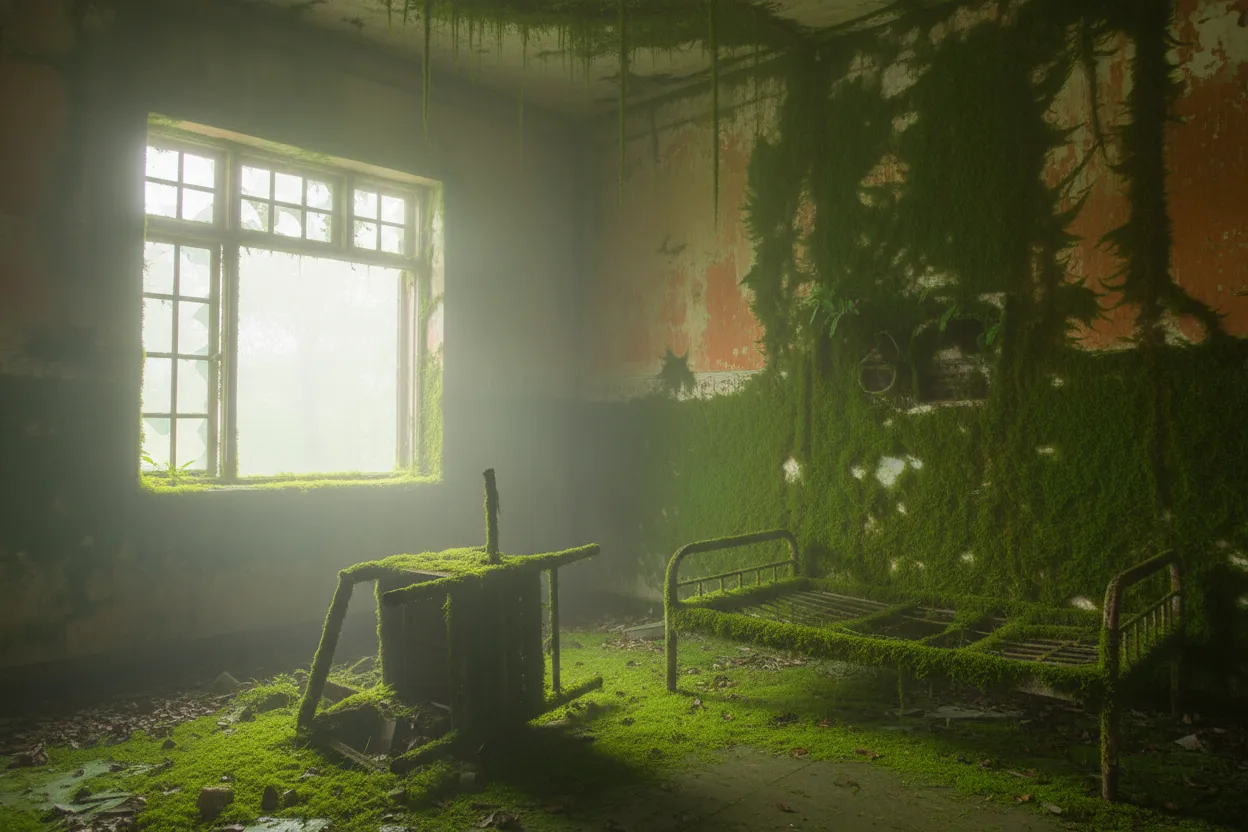
But history, as it often does, repeated itself with even greater tragedy. The rise of the Khmer Rouge in the 1970s led to Bokor’s second and most devastating desertion. The hill station became a strategic stronghold for various factions during the Cambodian Civil War, including the Khmer Rouge, who used the sturdy French buildings as defensive positions. The area was heavily mined, and the ghosts of its past became intertwined with the very real specters of war. For decades, it remained a dangerous, forbidden zone, frozen in time and slowly devoured by the jungle, a poignant symbol of Cambodia’s suffering.
In recent years, the landscape around Bokor has seen new development, including a modern casino and resort complex. However, the original French colonial ruins, the true heart of the ghost town, have been preserved and remain accessible, allowing visitors to connect directly with this incredible, layered history.
Exploring the Haunting Beauty: What You'll See There
Visiting Bokor Hill Station is an immersive experience, a journey through architectural relics and breathtaking natural beauty. As you ascend the well-paved road, the air cools, and the jungle canopy thickens, setting the stage for what’s to come.
The Bokor Palace Hotel & Casino
This is the undisputed star of the show. Standing sentinel at the highest point, the Bokor Palace Hotel is a vast, imposing structure that dominates the landscape. Its concrete shell, once painted white, is now stained with moss and lichen, its windows gaping like empty eyes. Exploring its vast, echoing halls, the former grand ballroom, and the chillingly silent casino floor is an experience unlike any other. You can almost hear the faint echoes of laughter, the clinking of glasses, and the rustle of silk gowns from a century ago. The views from its upper floors, especially on a clear day, stretch out to the Gulf of Thailand and the distant Vietnamese island of Phu Quoc.
The Old Catholic Church
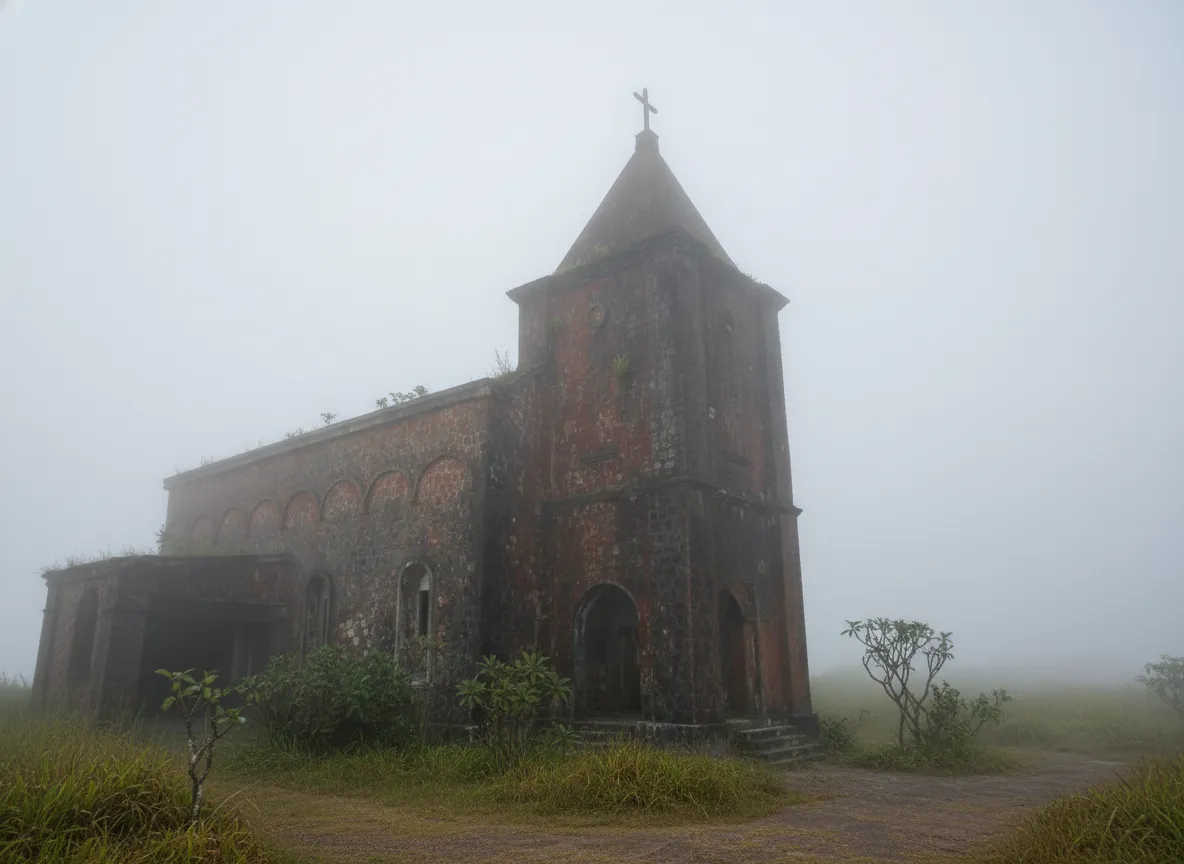
A short walk from the hotel stands the old Catholic Church, another iconic and eerily beautiful ruin. Its stone walls are remarkably intact, but the interior is open to the elements, with trees and shrubs pushing through cracks in the floor. Often shrouded in mist, it feels like a sacred, forgotten space, offering a profound sense of peace amidst the decay. From its vantage point, you get incredible panoramic views, often through swirling clouds, making it a favorite spot for photographers.
The Black Palace (King Sihanouk's Summer Residence)
Further along the plateau, you’ll find the remnants of the Black Palace, a more modest but equally historically significant dwelling. Built for King Sihanouk, this residence offers a glimpse into royal life during Bokor’s brief revival in the 1960s. Though less grand than the hotel, its simpler architecture and secluded location evoke a sense of quiet contemplation.
Wat Sampov Pram
In contrast to the ruins, Wat Sampov Pram is an active Buddhist pagoda perched dramatically on a cliff edge. Its vibrant colors and golden statues offer a striking visual contrast to the muted tones of the ghost town. The views from here are simply spectacular, looking out over the vast expanse of jungle and sea, often above the cloud line. It’s a spiritual oasis and a perfect spot for reflection.
Popokvil Waterfall
Depending on the season, you might also visit Popokvil Waterfall. "Popokvil" means "swirling clouds" in Khmer, a fitting name for a waterfall often veiled in mist. While it may not be a thundering cascade, its tranquil beauty, especially during the rainy season, provides a refreshing natural counterpoint to the man-made ruins. It's a lovely spot for a picnic or a moment of quiet appreciation for the jungle's power.
Practical Tips for Your Bokor Hill Station Adventure
Ready to embark on this extraordinary journey? Here's what you need to know to make your visit smooth and memorable:
Getting There
Bokor Hill Station is located in Kampot Province, Cambodia, making Kampot town the ideal base for your visit. The journey up the mountain is now incredibly smooth, thanks to a well-maintained paved road. You have a few options:
- Scooter/Motorbike: For the adventurous, renting a scooter in Kampot offers flexibility and a thrilling ride. The road is excellent, but be mindful of the steep inclines and occasional fog.
- Taxi/Tuk-tuk: You can hire a taxi or a tuk-tuk for a round trip from Kampot. Negotiate the price beforehand, and ensure they understand you want to visit the *old* Bokor ruins, not just the new resort.
- Organized Tour: Many guesthouses and tour operators in Kampot offer day trips to Bokor. This is often the most convenient option, as it includes transport and a guide who can share more insights into the history.
Best Time to Visit
Bokor is captivating year-round, but the experience changes with the seasons:
- Rainy Season (May to October): This is when the mountain truly lives up to its "mist-shrouded" reputation. The fog is thicker, the atmosphere more dramatic, and Popokvil Waterfall is at its most impressive. Be prepared for rain and cooler temperatures.
- Dry Season (November to April): You'll likely enjoy clearer skies and panoramic views stretching to the coast. It can still be cool at the top, but the chances of sunshine are higher.
What to Bring
- Layers: It's significantly cooler at the summit than in Kampot. Bring a jacket or sweater, even in the dry season.
- Comfortable Walking Shoes: You'll be exploring ruins and potentially uneven terrain.
- Water & Snacks: While there are some vendors at the top (especially near the new resort), it's wise to bring your own supplies.
- Camera: This place is incredibly photogenic.
- Rain Gear: A light rain jacket or umbrella is always a good idea, especially during the rainy season.
- Sun Protection: On clear days, the sun can be strong.
Entrance Fees & Time Needed
There's typically a small entrance fee to Bokor National Park. A half-day trip is usually sufficient to see the main ruins, but a full day allows for a more relaxed exploration, time at the waterfall, and soaking in the atmosphere.
Bokor Hill Station is more than just a tourist attraction; it's a profound journey into Cambodia's soul. It's a place where history, nature, and mystery converge, leaving an indelible mark on every visitor. So, if you're yearning for an adventure that transcends the ordinary, a chance to witness a truly unique landscape where forgotten grandeur meets untamed wilderness, make your way to this extraordinary ghost town in the clouds. You won't regret stepping back in time.
Essential Travel Information
- Location Bokor Hill Station, Cambodia
- Best Time Dry Season (November-April) for clear views; Rainy Season (May-October) for dramatic mist and waterfalls.
- Getting There From Kampot town, by rented scooter, private taxi/tuk-tuk, or organized tour up a paved mountain road.
- Airport Sihanoukville International Airport (KOS) - approx. 1.5-2 hours drive; Phnom Penh International Airport (PNH) - approx. 3.5-4 hours drive.
- Budget Mid-range (approx. $30-50 USD per day for transport/food, not including accommodation in Kampot)
- Language Khmer (English widely spoken in tourist areas)
Find Places to Stay Near Bokor Hill Station
Compare hotels, hostels, and unique stays in Cambodia.
Search AccommodationTours & Experiences Near Bokor Hill Station
Book guided tours, day trips, and unique experiences.
Browse Tours