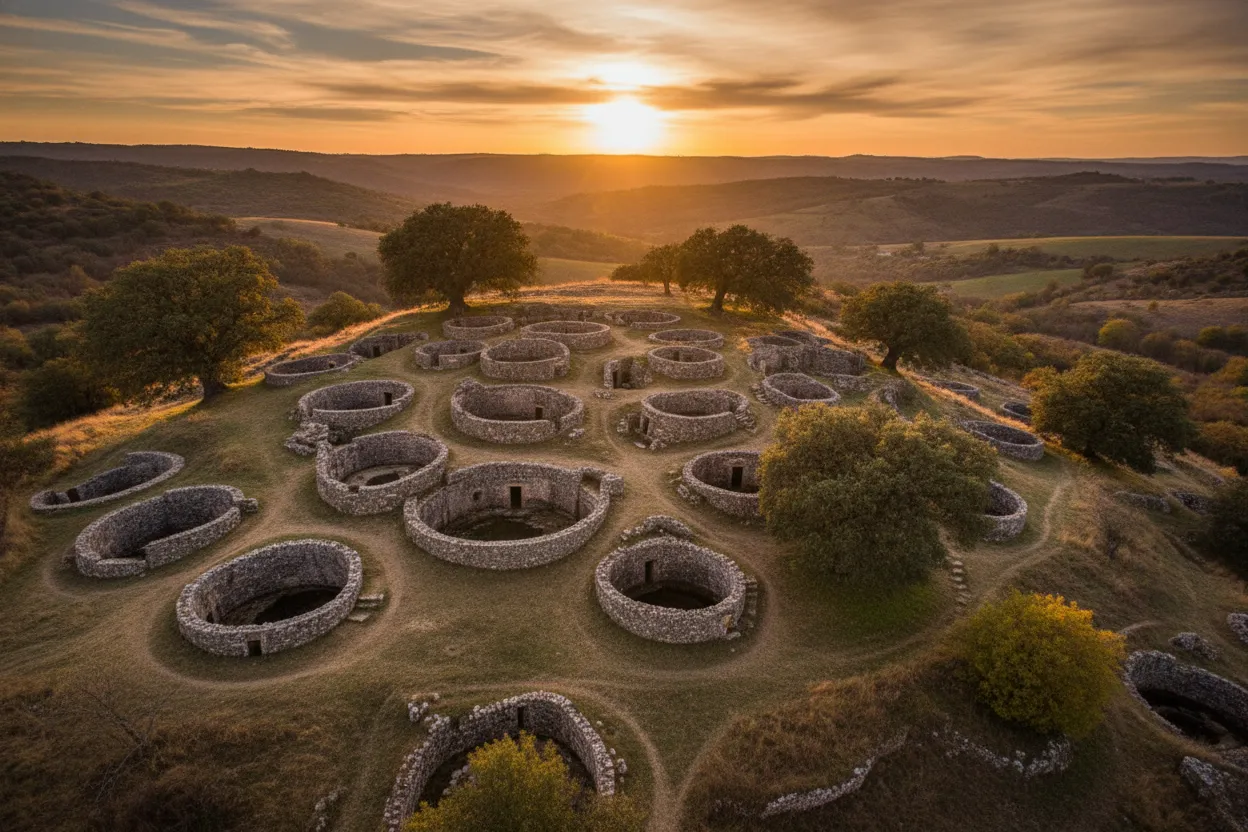
Imagine stumbling upon a landscape that defies logic, a place where the earth itself seems to have been sculpted into a whimsical, ancient settlement. Tucked away in the rugged, sun-baked heart of Basilicata, southern Italy, lies just such a marvel: Borgo dei Palmenti in Pietragalla. This isn’t just another charming Italian village; it’s a surreal, almost otherworldly 'village' where over 100 tiny, semi-subterranean dwellings are carved directly into soft tufa rock. Prepare to step into a forgotten world, a place that feels like a secret whispered through centuries, waiting for intrepid souls to uncover its magic.
Borgo dei Palmenti isn't just fascinating; it's a testament to human ingenuity and adaptation. These extraordinary rock-cut structures, known locally as 'Palmenti', create a bizarre, almost hobbit-like landscape that will ignite your imagination. Historically, these humble earth-hewn homes served farmers and shepherds, offering shelter and storage perfectly attuned to their environment. Today, they stand as a rare, poignant glimpse into a vernacular building tradition, a silent symphony of stone and earth that promises an unforgettable journey into Italy's hidden soul.
Unearthing the Enigma: What Makes Borgo dei Palmenti So Special?
What sets Borgo dei Palmenti apart from any other place you've ever encountered? It's the sheer density and unique character of its rock-cut dwellings. As you approach, the landscape begins to undulate, revealing a series of small, often irregular openings in the tufa rockface. These aren't caves; they are meticulously carved structures, each with a distinct entrance, sometimes a small window, and an interior that feels surprisingly cozy despite its raw, geological origins. Picture a honeycomb of human endeavor, where each cell tells a story of survival, simplicity, and a deep connection to the land.
The Palmenti defy conventional architecture. There are no straight lines or uniform dimensions here; each dwelling is a unique response to the specific contours and quality of the tufa. Some are single-room affairs, others have multiple chambers, perhaps a small alcove for sleeping or a deeper recess for storing provisions. Walking among them, you'll notice the cool, damp air emanating from their interiors, a natural air-conditioning system that would have been invaluable during Basilicata's hot summers. It’s a place that instantly transports you to a different era, evoking images of ancient communities thriving in harmony with their geological surroundings.
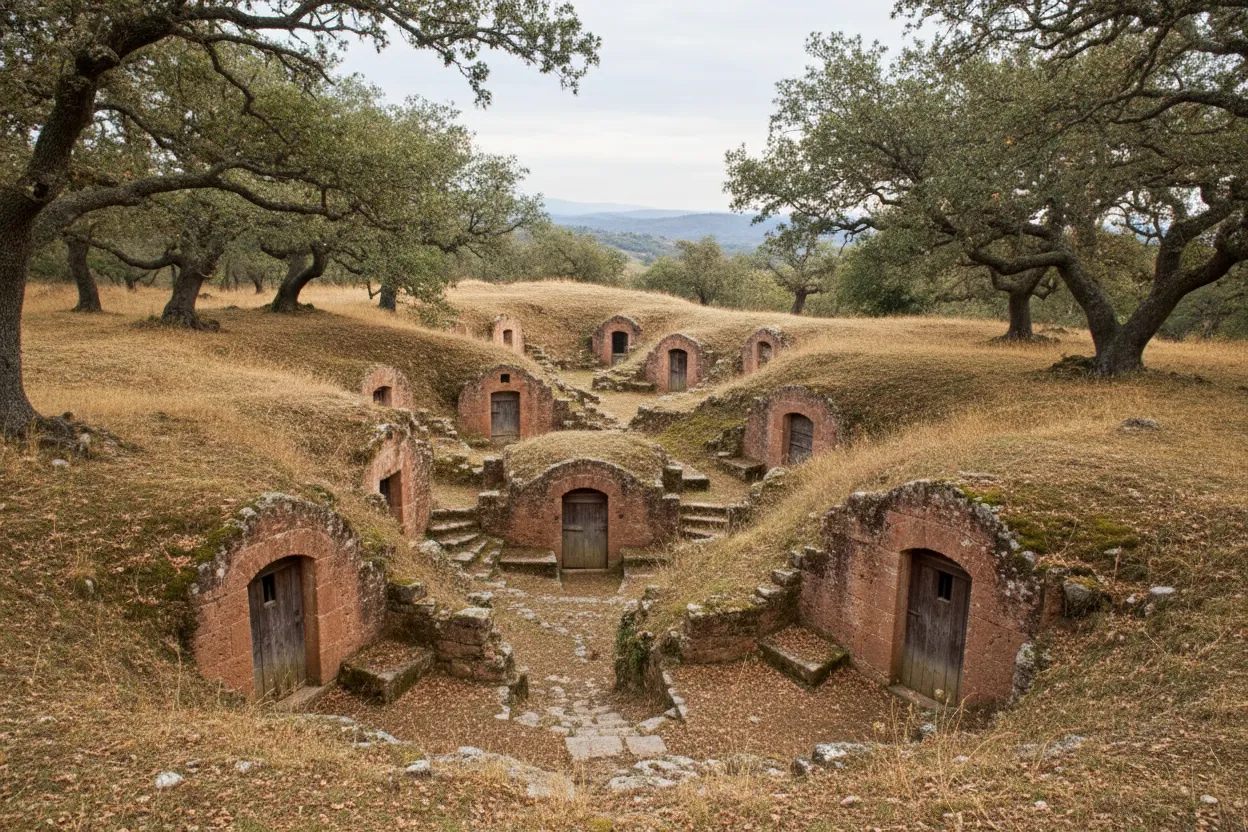
This isn't merely a historical site; it's an experience. The Borgo dei Palmenti feels alive with the echoes of its past inhabitants, a place where you can almost hear the chatter of families, the bleating of sheep, and the clinking of tools as these humble abodes were maintained. It’s a marvel of sustainable living before the concept even existed, a testament to how humans can adapt, thrive, and even create beauty in the most unexpected ways.
Whispers from the Past: A Glimpse into Palmenti History
The story of the Palmenti is deeply rooted in the agricultural and pastoral traditions of Basilicata. While the exact origins of these specific structures are not definitively dated, their architectural style and function point to a long history of human settlement in rock-cut dwellings across the region, a tradition famously exemplified by the Sassi di Matera, though on a much grander and more complex scale. The Palmenti of Pietragalla, however, offer a more intimate and perhaps even more raw insight into this way of life.
These structures were primarily functional. Farmers and shepherds, working the land around Pietragalla, needed convenient places for storage – perhaps for tools, harvested crops, or even wine. They also needed temporary shelters from the elements, especially during planting and harvesting seasons, or when tending their flocks far from the main village. The soft tufa rock, easily workable with simple tools, provided the perfect material. It was readily available, offered natural insulation, and could be excavated to create surprisingly durable and secure spaces.
The name 'Palmenti' itself is intriguing. While 'palmento' often refers to a wine press or vat, suggesting a potential link to viticulture, in this context it seems to have broadened to describe these particular rock-cut structures. They represent a fascinating example of vernacular architecture, evolving not from grand designs or academic theories, but from practical necessity, local materials, and generations of accumulated wisdom. They tell a story of self-sufficiency, resilience, and a profound understanding of the local environment. Visiting them is like stepping into a living history book, where every carved niche and worn threshold has a tale to tell.
Wandering Through a Dream: What to Expect on Your Visit
Your visit to Borgo dei Palmenti is less about ticking off famous landmarks and more about immersive exploration. As you wander through the 'village,' you'll find yourself on narrow, winding paths that meander between the rock-cut dwellings. The experience is incredibly tactile and sensory. The air is often cooler inside the structures, offering a refreshing respite from the Italian sun. The light plays tricks, creating dramatic contrasts between the sun-drenched exteriors and the shadowy, mysterious interiors.
Take your time to peek into the various Palmenti. Some are open, allowing you to step inside and marvel at the hand-hewn walls and ceilings. Imagine a small fire burning in a corner, a family huddled together, or a shepherd storing his cheese. Each structure has its own personality, its own slight variations in shape and size. You'll notice the subtle artistry in the carving, the way the rock has been shaped to create functional spaces, sometimes with shelves, benches, or even rudimentary sleeping platforms carved directly from the stone.
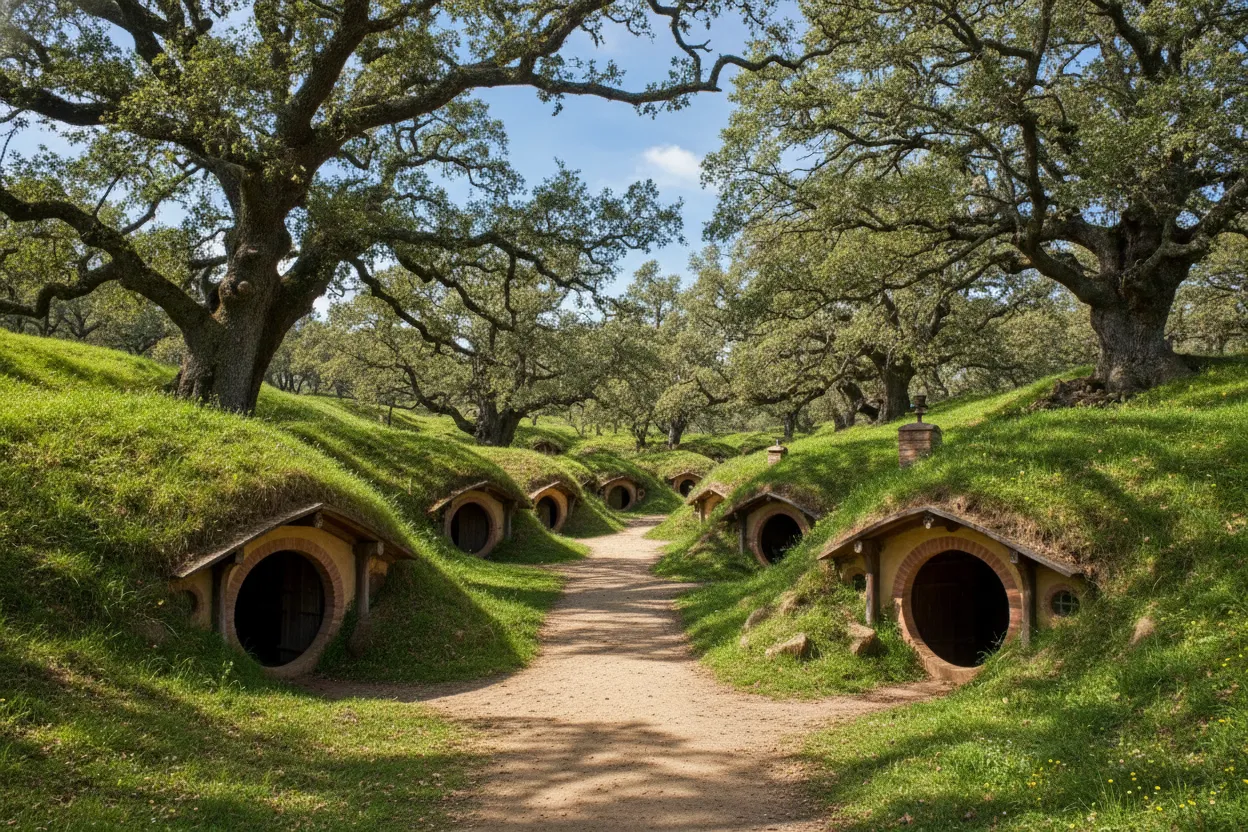
Beyond the Palmenti themselves, the surrounding landscape offers breathtaking views of the Basilicata countryside. Rolling hills, olive groves, and vineyards stretch out into the distance, reminding you of the agricultural context in which these unique dwellings once thrived. It's a place that encourages quiet contemplation, a space where you can disconnect from the modern world and connect with a simpler, more elemental way of life.
Beyond the Borgo: Exploring Pietragalla and Basilicata
While the Borgo dei Palmenti is undoubtedly the star attraction, the charming town of Pietragalla itself is worth exploring. Like many Basilicatan towns, it offers a glimpse into authentic southern Italian life, with its historic center, local trattorias serving hearty regional cuisine, and a welcoming atmosphere. It’s an opportunity to experience Italy away from the well-trodden tourist paths, where genuine interactions and local flavors abound.
Basilicata as a region is a treasure trove of hidden gems. From the dramatic Dolomiti Lucane mountains with their "Flight of the Angel" zipline, to the ancient cave city of Matera (a UNESCO World Heritage site and European Capital of Culture), and the pristine beaches of its Ionian coast, Basilicata offers an incredible diversity of experiences. The Borgo dei Palmenti is just one captivating facet of this rugged, beautiful, and often overlooked region. It’s a place for adventurers, for those who seek authenticity, and for travelers who delight in discovering places that truly feel unique.
Your Expedition Guide: Practical Tips for Visiting Borgo dei Palmenti
Ready to embark on this extraordinary journey? Here are a few practical tips to help you make the most of your visit to Borgo dei Palmenti:
- Getting There: Pietragalla is a small town, and public transport options can be limited. The easiest and most recommended way to reach Borgo dei Palmenti is by rental car. This gives you the flexibility to explore at your own pace and combine your visit with other attractions in Basilicata. The drive itself through the Basilicatan countryside is scenic and enjoyable.
- Best Time to Visit: Spring (April-May) and Autumn (September-October) offer the most pleasant weather for exploring. The temperatures are mild, and the landscapes are at their most beautiful. Summer (June-August) can be hot, but the cool interiors of the Palmenti offer a welcome respite. Winter can be chilly and potentially wet, but also offers a stark, atmospheric beauty.
- What to Bring: Wear comfortable walking shoes, as you'll be navigating uneven terrain. Bring water, especially during warmer months. A camera is a must to capture the unique beauty of the Palmenti. If you're visiting in cooler months, a light jacket is advisable.
- Respect and Preservation: Remember that Borgo dei Palmenti is a historical site. While many structures are accessible, please treat them with respect. Do not disturb any artifacts, litter, or damage the rock formations. Leave no trace behind, allowing future visitors to enjoy the same sense of wonder.
- Accommodation and Food: Consider staying in Pietragalla itself or one of the nearby towns. You'll find charming B&Bs and agriturismi (farm stays) that offer an authentic taste of Basilicatan hospitality. Don't miss the opportunity to savor the local cuisine, which is hearty, flavorful, and based on fresh, regional ingredients.

Borgo dei Palmenti isn't just a destination; it's an invitation to rediscover wonder, to touch history, and to experience a side of Italy that few ever see. It’s a place that will linger in your memory long after you’ve returned home, a testament to the enduring magic of hidden places and the incredible stories they hold. So, pack your bags, ignite your adventurous spirit, and prepare to be utterly captivated by this extraordinary subterranean village in the heart of Basilicata.
Essential Travel Information
- Location Borgo dei Palmenti, Pietragalla, Italy
- Best Time April-May or September-October (mild weather)
- Getting There Best reached by rental car from major airports like Bari.
- Airport Bari Karol Wojtyła Airport (BRI)
- Budget Mid-range (approx. €80-150 per person per day including accommodation, food, and car rental)
- Language Italian
Find Places to Stay Near Borgo dei Palmenti, Pietragalla
Compare hotels, hostels, and unique stays in Italy.
Search AccommodationTours & Experiences Near Borgo dei Palmenti, Pietragalla
Book guided tours, day trips, and unique experiences.
Browse Tours