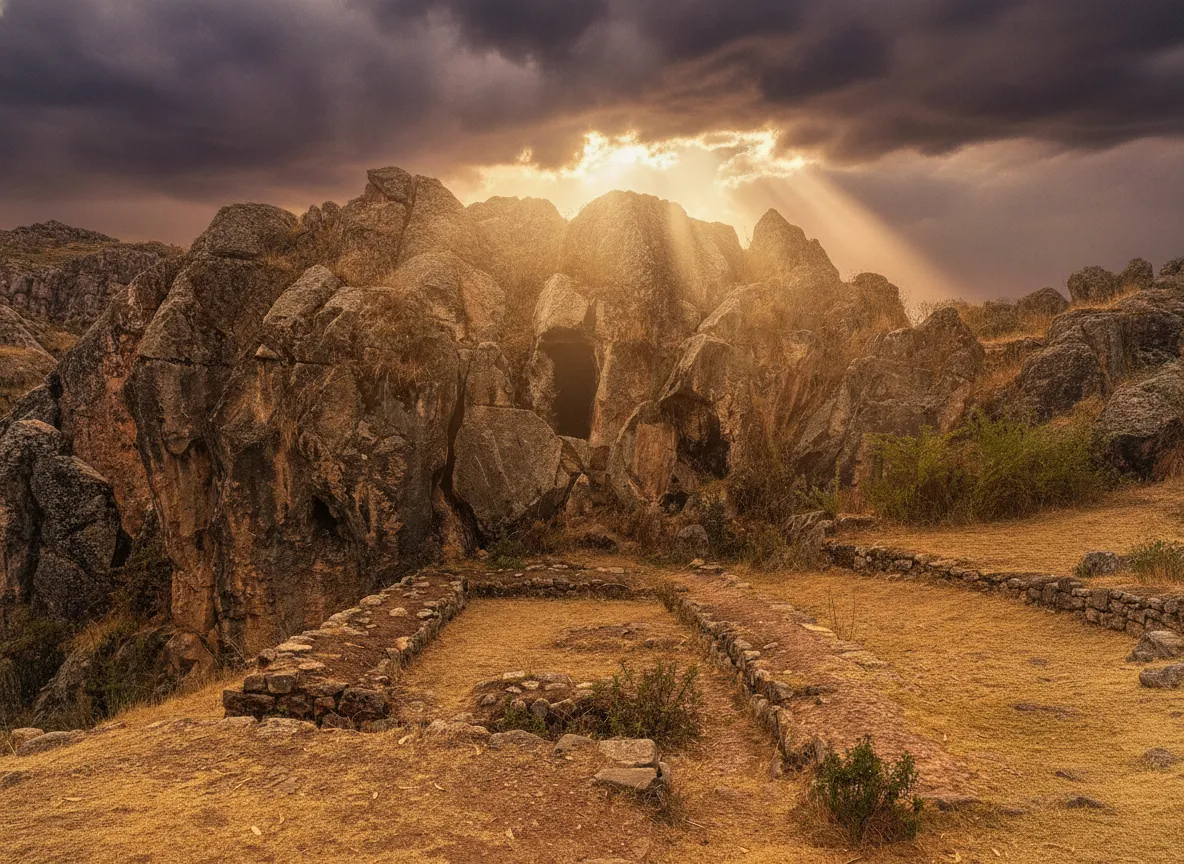
Imagine standing at the edge of one of Peru’s most iconic Incan fortresses, Sacsayhuaman, and thinking you’ve seen it all. But what if I told you that just beyond its colossal walls lies a secret world, a mind-bending, labyrinthine 'stone forest' where colossal rocks appear to melt and swirl, hiding ancient Incan secrets? Welcome to the Bosque de Rocas de Sacsayhuaman, the Stone Forest of Sacsayhuaman, a place so surreal and captivating it feels like stepping onto another planet, yet it remains astonishingly overlooked by most visitors to Cusco. Prepare to venture beyond the familiar and discover a realm of geological wonder and forgotten history.
Beyond the Walls: Discovering Sacsayhuaman's Secret Stone Forest
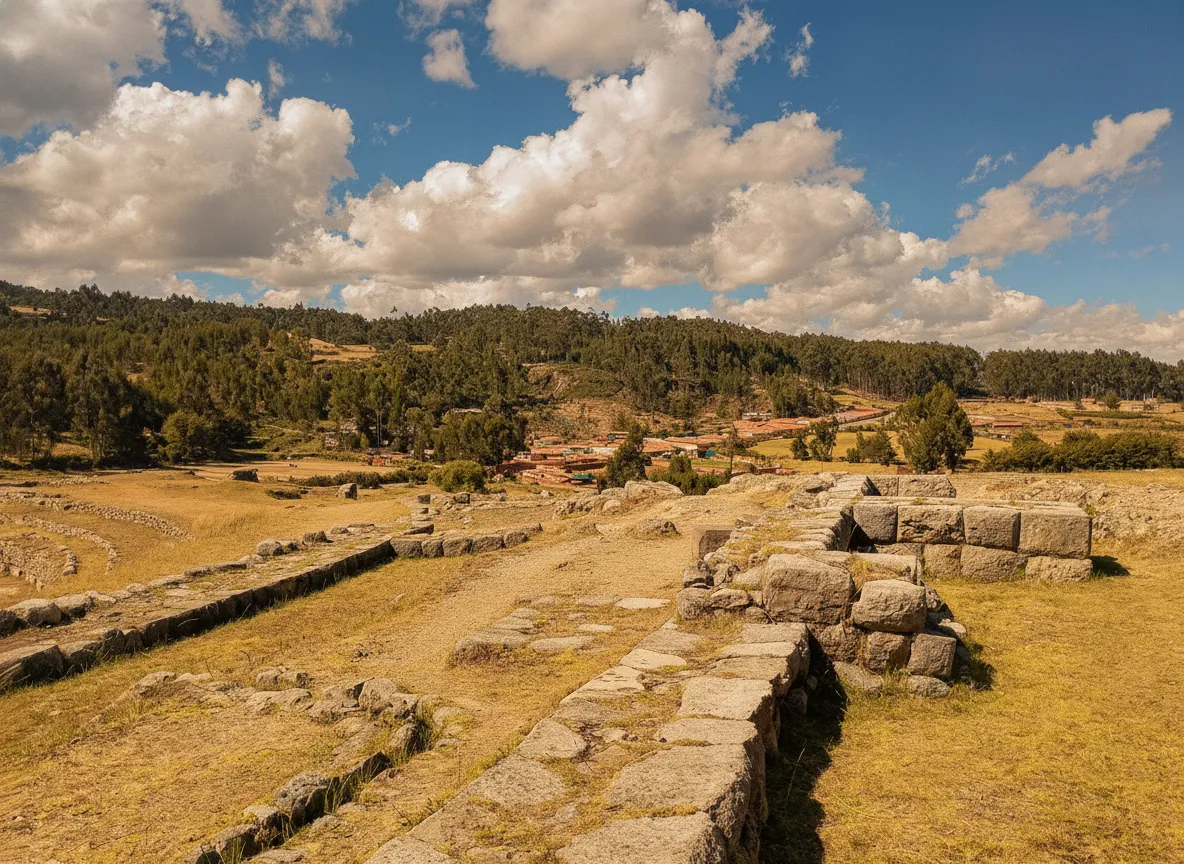
Most travelers arrive at Sacsayhuaman, gaze in awe at its immense zigzagging walls, snap a few photos, and then head back to Cusco. But for those with a keen sense of adventure and a desire to truly connect with the spirit of the Andes, a different path beckons. Just a short walk from the main fortress, the landscape dramatically shifts, transforming into something out of a geological dream. Here, the meticulously crafted Incan stonework gives way to a wild, organic spectacle: the Bosque de Rocas.
This isn't your typical forest of trees. Instead, you're greeted by an incredible expanse of naturally sculpted limestone boulders, some towering like ancient sentinels, others intricately carved by millennia of wind and water. It’s a place that immediately challenges your perception of what natural rock formations can be. The stones here don't just sit; they flow, they undulate, they swirl in frozen motion, creating an otherworldly tapestry that feels both ancient and alive. It's an experience that truly redefines the idea of a "hidden gem" right on Cusco's doorstep.
A Geological Marvel Meets Incan Ingenuity
The magic of the Bosque de Rocas lies in its duality: a breathtaking natural phenomenon subtly interwoven with the indelible touch of the Inca. Geologically, this landscape is a testament to the power of erosion. Over countless millennia, water, wind, and seismic activity have sculpted the soft limestone into an astonishing array of shapes. You’ll find rocks that resemble abstract art, others that take on the forms of animals, and many that simply defy easy description, appearing as if a giant hand had kneaded and twisted the earth itself.
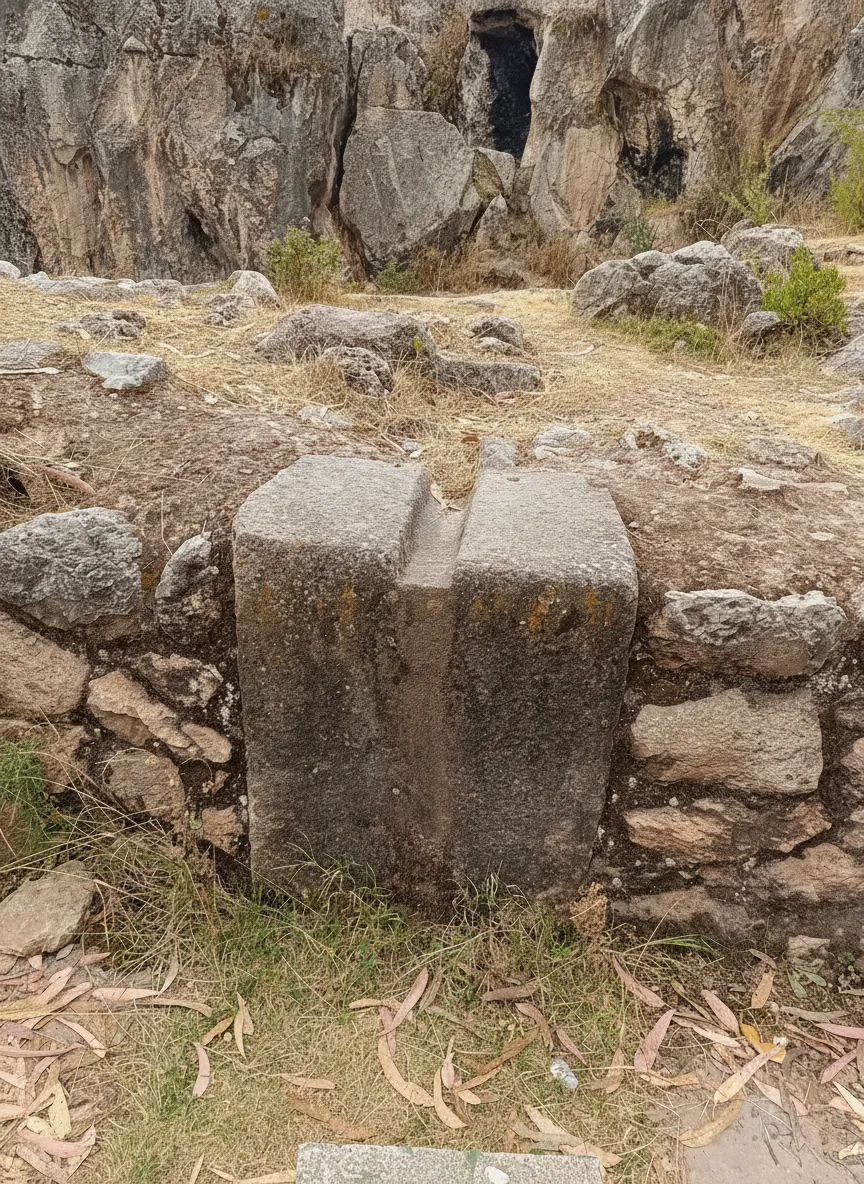
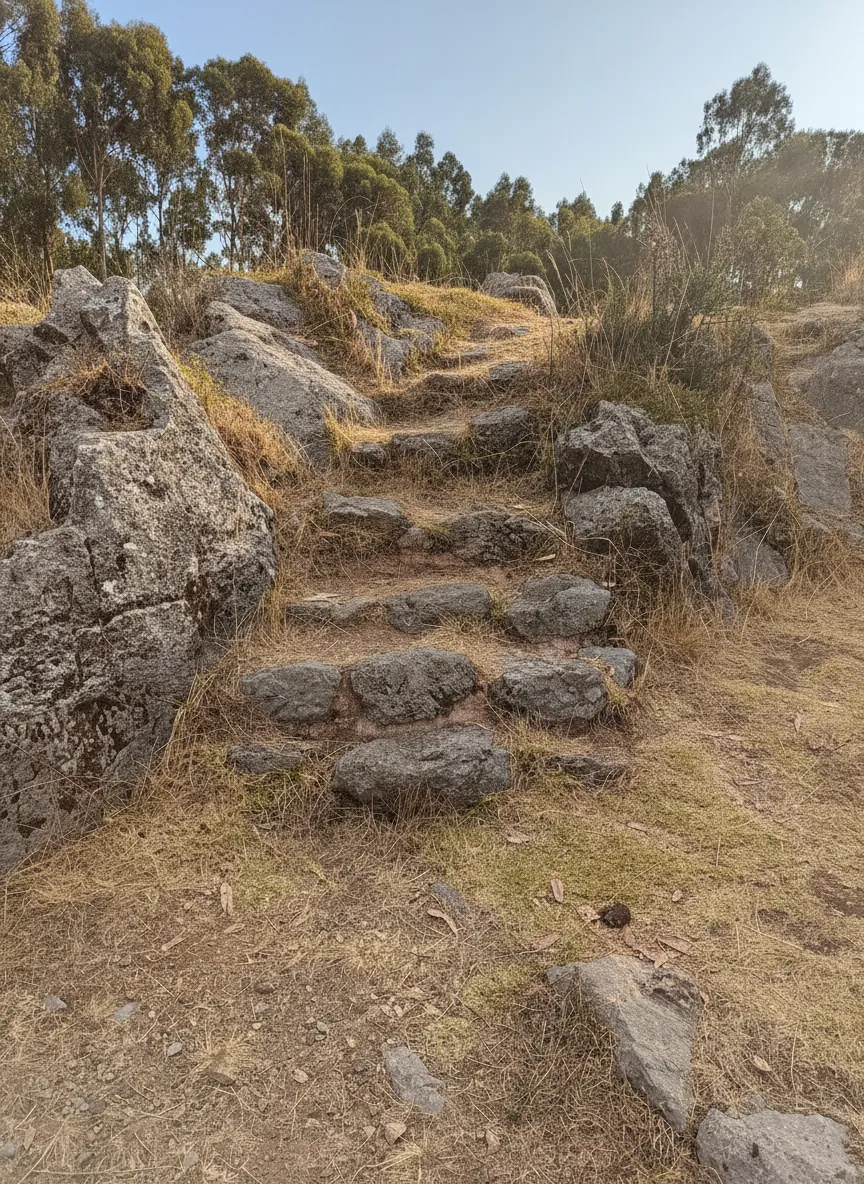
What makes it truly special, however, is how the Inca perceived and interacted with this already mystical landscape. Rather than imposing their will upon it entirely, they worked *with* the stone. You'll notice subtle modifications: smooth benches carved into rock faces, small altars, ceremonial niches, and even steps that seem to emerge organically from the boulders. These aren't grand architectural statements like Sacsayhuaman's walls, but rather intimate, reverent enhancements that speak volumes about the Inca's profound connection to Pachamama, Mother Earth. They saw the sacred in the natural, and this stone forest was undoubtedly a place of deep spiritual significance, perhaps a natural temple or a site for esoteric rituals, long before the Spanish arrived.
What Awaits You in the Labyrinth
To truly experience the Bosque de Rocas is to get lost within its labyrinthine passages. There’s no single defined path here, but rather a network of winding trails that invite exploration. You can spend hours simply wandering, letting your curiosity guide you through tight squeezes between colossal boulders, into shadowy cave openings, and out onto sun-drenched clearings. Each turn reveals a new vista, a new rock formation that will spark your imagination.
Peer into the hidden caves, some shallow enough to simply duck into, others leading to deeper, darker chambers. These were likely places of shelter, contemplation, or even ritualistic offerings for the Inca. Marvel at the sheer variety of rock textures and colors, from cream to grey, often dappled with moss and lichen, adding to their ancient feel. You’ll find yourself touching the cool, smooth surfaces, feeling the energy of the earth beneath your fingertips.
From certain vantage points within the "forest," you'll catch breathtaking glimpses of the Cusco Valley stretching out below, a striking contrast between the wild, primeval landscape you’re in and the bustling city beyond. The quietude here is profound, broken only by the whisper of the wind or the distant call of a bird. It’s a place that encourages introspection, a quiet communion with nature and history, far from the crowds that often characterize other Incan sites.
Whispers of the Past: History and Mystery
While definitive historical records are scarce for such an informal site, the presence of Incan modifications strongly suggests the Bosque de Rocas played a significant role in their worldview. It's easy to imagine priests performing ceremonies amidst these natural altars, perhaps tracking celestial events from specific rock formations, or even using the caves for vision quests. The fluid, organic shapes of the rocks themselves might have been seen as manifestations of powerful deities or spirits, making the entire area a living, breathing sacred space.
Some theories even suggest that parts of the Bosque de Rocas served as a quarry for the nearby Sacsayhuaman fortress, though the primary quarry was likely closer. The irregular shapes and natural fractures might have made extraction difficult, but the sheer abundance of stone makes it a plausible resource. More compelling, however, is the idea of this place as an extension of Sacsayhuaman's spiritual and defensive network, a natural stronghold or a sacred precinct where the line between man-made and natural sacred spaces blurred.
The true "secrets" hidden within the Bosque de Rocas are not necessarily tangible artifacts, but rather the echoes of ancient beliefs and the profound sense of mystery that permeates every corner. It's a place that invites you to ponder the ingenuity and spiritual depth of the Inca, and to consider how deeply they understood and revered the land they inhabited. It’s a reminder that their world was not just about grand temples and fortresses, but also about intimate, powerful connections with the natural world.
Planning Your Journey to the Stone Forest
Discovering the Bosque de Rocas de Sacsayhuaman is an essential addition to any Cusco itinerary for the curious traveler. Here’s how to make the most of your visit:
- Location: The Stone Forest is located just north of the main Sacsayhuaman fortress, easily accessible from Cusco.
- How to Get There: You can walk from Cusco (it's an uphill climb, about 30-45 minutes from Plaza de Armas), take a taxi directly to Sacsayhuaman and then walk a bit further, or include it as part of a half-day tour that covers other nearby sites like Q'enqo, Puka Pukara, and Tambomachay.
- Best Time to Visit: The dry season (April to October) offers the most pleasant weather for exploring, with clear skies and less chance of muddy paths. However, the wet season (November to March) brings lush greenery and fewer crowds, though paths can be slippery.
- What to Bring:
- Good Walking Shoes: The terrain is uneven, with loose rocks and occasional inclines.
- Water: Stay hydrated, especially if walking from Cusco.
- Sun Protection: The Andean sun is strong – hat, sunglasses, and sunscreen are a must.
- Layers: Weather can change quickly in the mountains.
- Camera: You'll want to capture the surreal beauty!
- Snacks: There are no vendors directly within the stone forest.
- Difficulty: The exploration involves moderate walking over uneven ground. There are no extreme climbs, but a reasonable level of fitness is recommended.
- Guides: While you can explore independently, hiring a local guide (available in Cusco or at Sacsayhuaman) is highly recommended. They can point out subtle Incan carvings, explain the geological features, and share fascinating stories and theories about the site's history and significance. Their insights will deepen your appreciation immensely.
- Respect the Site: As with all archaeological and natural sites, please stick to marked paths where possible, do not climb on fragile formations, and take all your trash with you.
Don't let the crowds at Sacsayhuaman distract you from this incredible secret. The Bosque de Rocas is more than just a collection of rocks; it's a profound journey into the heart of the Andes, a place where geology, history, and spirituality converge in a truly unforgettable way. Step off the beaten path, embrace the wonder, and let the Stone Forest of Sacsayhuaman reveal its ancient secrets to you.
Essential Travel Information
- Location Bosque de Rocas de Sacsayhuaman (Stone Forest of Sacsayhuaman), Peru
- Best Time April to October (Dry Season)
- Getting There Walk from Cusco (30-45 min uphill), taxi to Sacsayhuaman then short walk, or as part of a half-day tour.
- Airport Alejandro Velasco Astete International Airport (CUZ)
- Budget Budget/Mid-range (approx. $30-70 USD daily, excluding tours)
- Language Spanish, Quechua
Find Places to Stay Near Bosque de Rocas de Sacsayhuaman (Stone Forest of Sacsayhuaman)
Compare hotels, hostels, and unique stays in Peru.
Search AccommodationTours & Experiences Near Bosque de Rocas de Sacsayhuaman (Stone Forest of Sacsayhuaman)
Book guided tours, day trips, and unique experiences.
Browse Tours