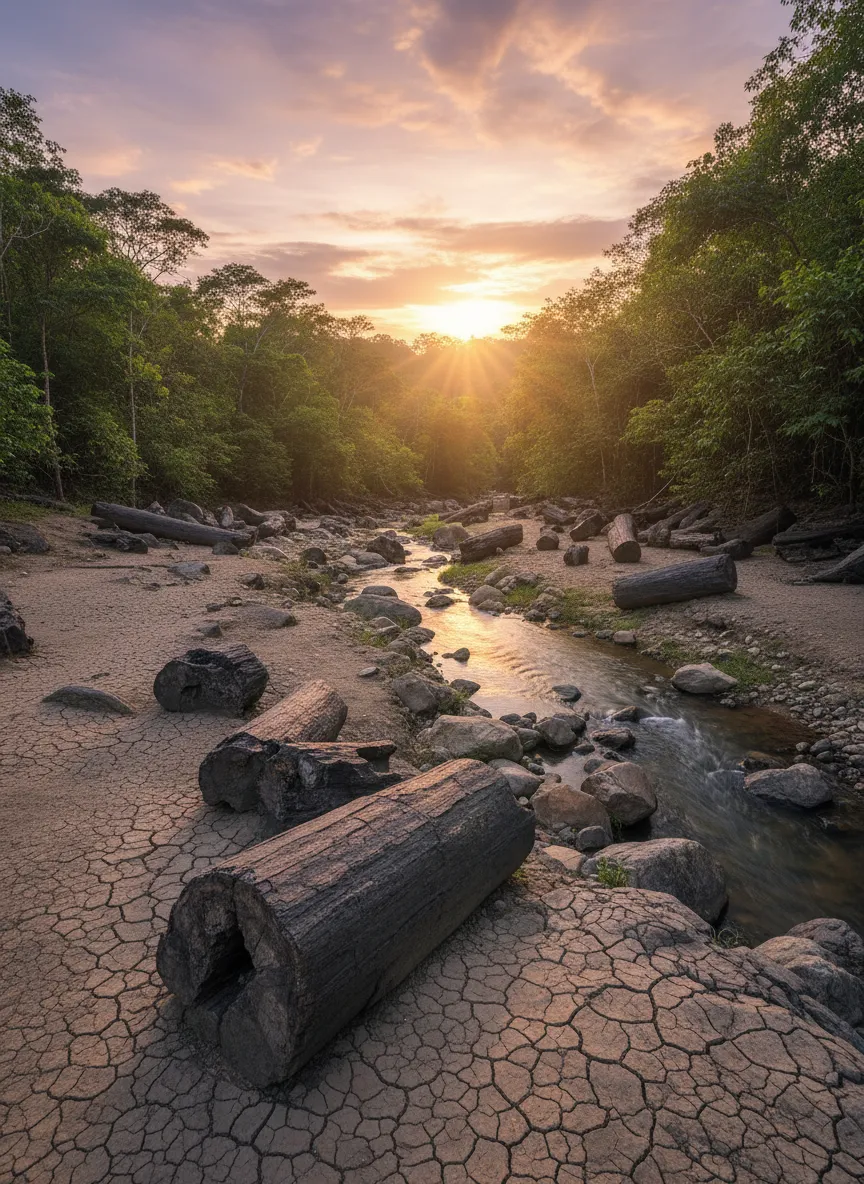
Imagine stepping into a world that time forgot, where ancient giants lie slumbering, their forms frozen in stone for 100 million years. Picture walking through a forest older than the dinosaurs, where trees, once towering and vibrant, now rest calcified, perfectly preserved as if caught mid-fall in a prehistoric catastrophe. This isn't a scene from a sci-fi movie; it's the breathtaking reality of Bosque Petrificado Puyango, a hidden geological wonderland tucked away in the remote Loja Province of Ecuador.
Far off the well-trodden tourist trails, Puyango offers an unparalleled journey back to the Cretaceous period. It's a place where the Earth's deep history is laid bare, inviting the curious and the adventurous to witness a landscape unlike any other. If you're yearning for an authentic, awe-inspiring encounter with the planet's ancient past, prepare to be captivated by Ecuador's most extraordinary hidden gem.
Step Back in Time: What Makes Puyango So Special?
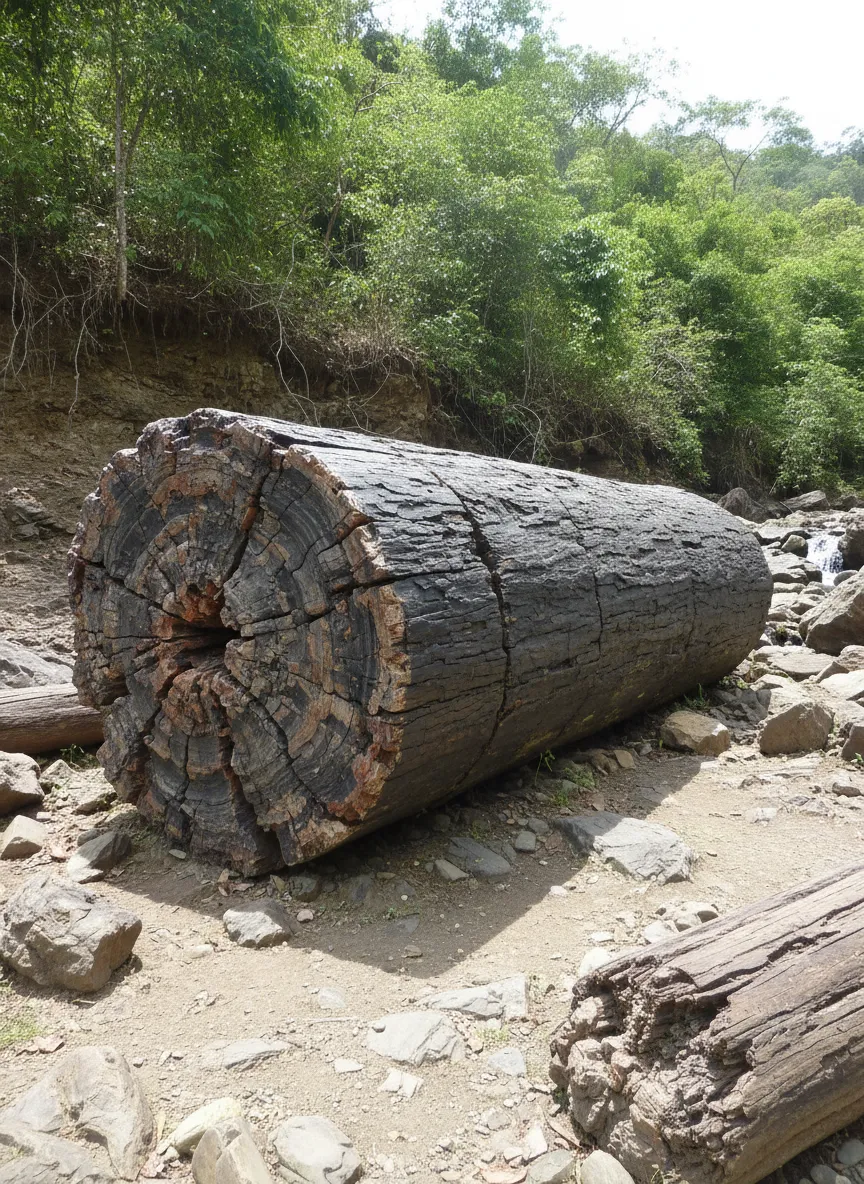
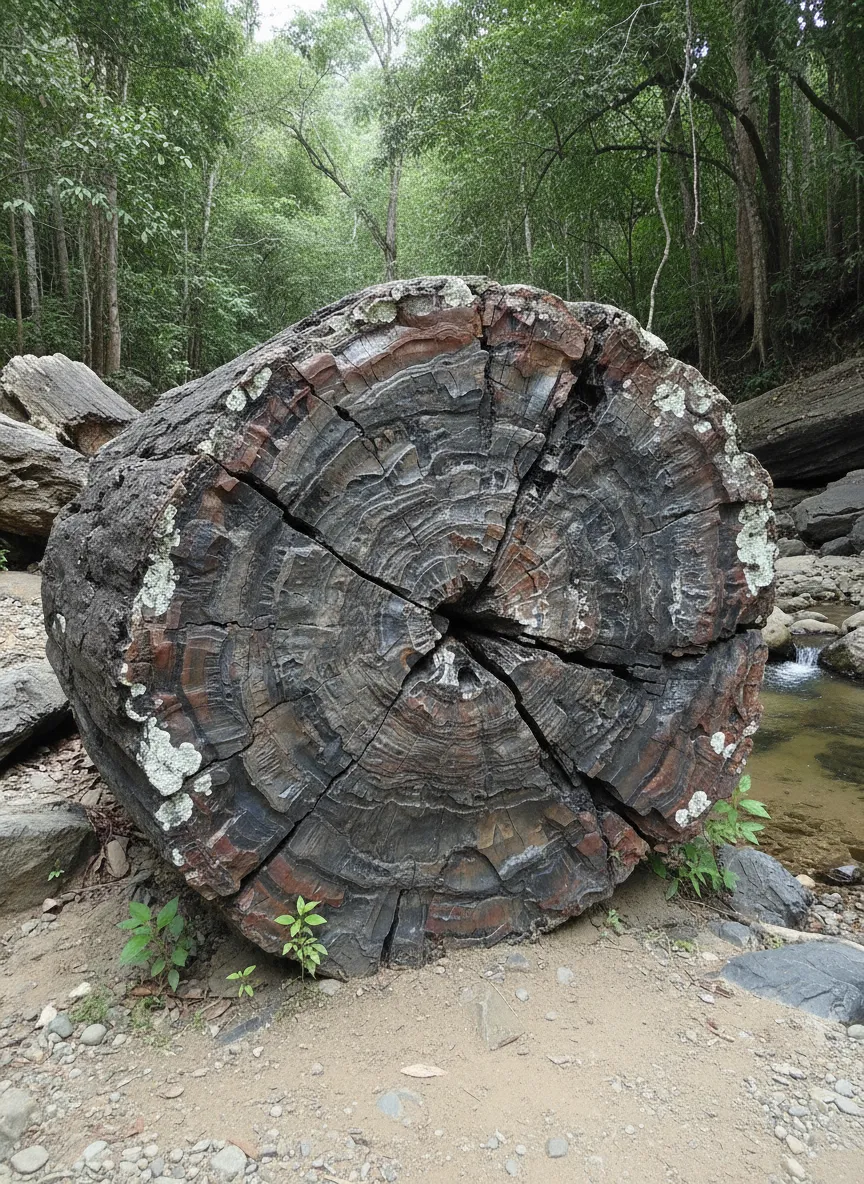
What sets Bosque Petrificado Puyango apart isn't just its age, but its sheer scale and the incredible detail of its preservation. This isn't just a few scattered fossils; it's one of the largest concentrations of petrified wood in South America, a true forest turned to stone. As you wander the well-maintained trails, you'll encounter colossal fossilized trunks, some measuring over two meters in diameter, their intricate bark patterns and growth rings still visible, defying the passage of eons.
These ancient giants date back to the Cretaceous period, making them approximately 100 million years old. To put that into perspective, many of these trees were growing when dinosaurs like the Tyrannosaurus Rex and Triceratops roamed the Earth! Standing beside one of these colossal relics, you can almost feel the whispers of a prehistoric world, a tangible link to a time when different flora and fauna dominated the planet. It's a humbling experience that shrinks human history to a mere blink of an eye.
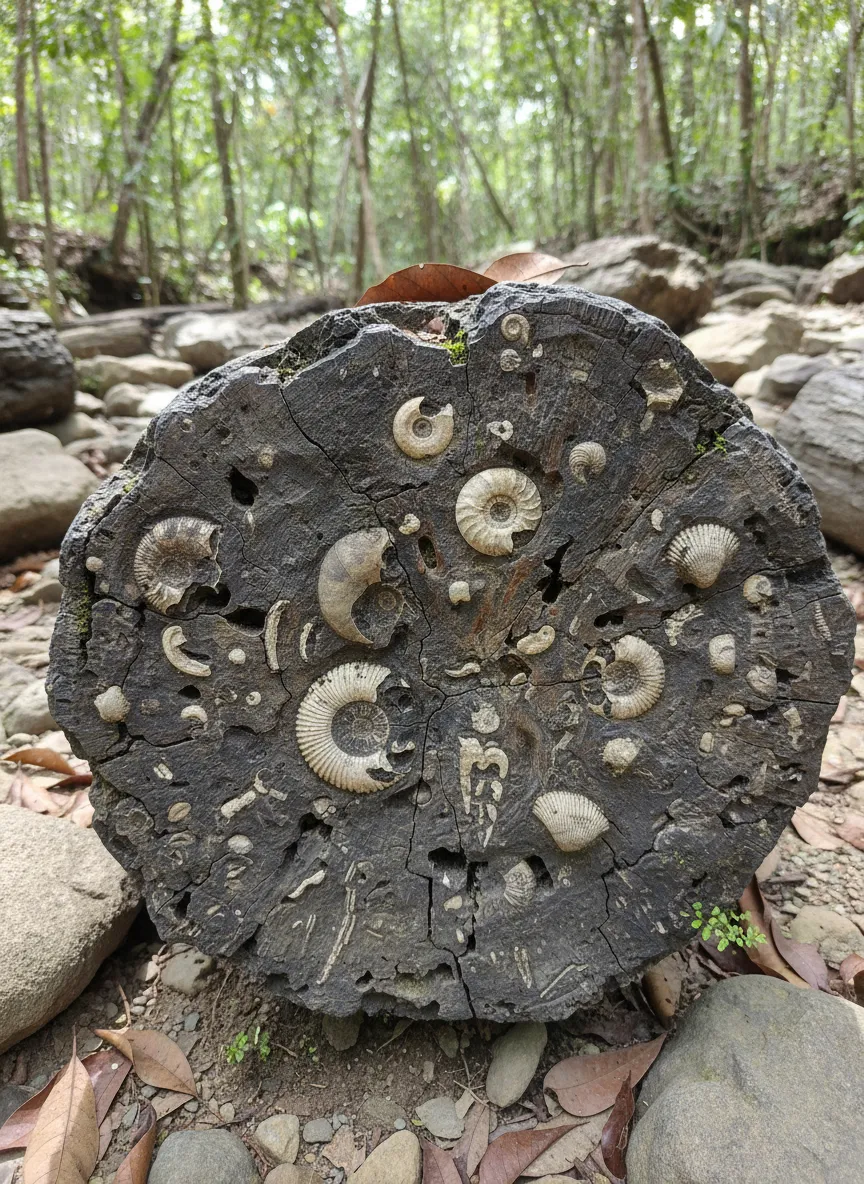
But the marvels of Puyango don't stop at petrified trees. Adding another layer to its geological intrigue, the area also reveals numerous marine fossils. Imagine a landscape where towering trees grew, only for it to later be submerged beneath a vast sea. The presence of ammonites, bivalves, and other ancient marine life embedded in the surrounding rocks tells a dramatic story of shifting continents, rising and falling sea levels, and the dynamic forces that have shaped our planet over countless millennia. It's a dual testament to both terrestrial and aquatic ancient ecosystems, making Puyango a truly unique geological classroom.
A Geological Masterpiece: The History of Puyango's Ancient Giants
The transformation of a living forest into a stony graveyard is a process of incredible patience and specific geological conditions. Picture a lush forest thriving near an ancient river or lake. When these trees died, they were quickly buried under layers of sediment, mud, and volcanic ash. This rapid burial protected them from decomposition, cutting off oxygen that would otherwise break down the organic material.
Over millions of years, mineral-rich groundwater, particularly rich in silica (the main component of quartz), seeped into the buried wood. As the water moved through the cellular structure of the trees, it gradually replaced the organic matter, molecule by molecule, with silica. This slow, meticulous process is known as petrification. The silica crystallized, forming quartz, chalcedony, and opal within the wood, perfectly replicating the tree's original structure right down to its microscopic details. The result is a stone replica so faithful, you can still trace the grain of the wood and even the individual cell structures.
The presence of marine fossils alongside the petrified wood adds an extra layer of complexity to Puyango's geological narrative. It suggests that after the initial petrification process occurred on land, the area later underwent significant geological changes, including periods of marine transgression where the land was submerged under ancient seas. Subsequent tectonic activity, including the uplift of the Andes, eventually brought these buried treasures back to the surface, where erosion slowly revealed them to the modern world. The sheer improbability of such a perfect sequence of events makes Puyango an even more astounding natural wonder.
Exploring the Petrified Wonderland: What You'll See and Do
Visiting Bosque Petrificado Puyango is an immersive experience. The park has several well-marked trails that wind through the living forest, eventually leading you to the exposed areas of petrified wood. As you walk, the air is alive with the sounds of modern nature – birdsong, the rustle of leaves – creating a striking contrast with the ancient silence of the fossilized landscape.
The main attraction is, of course, the petrified trunks. You'll encounter them in various states: some partially buried, others fully exposed, stretching for meters across the forest floor. Take your time to examine the incredible detail – the rings that tell the story of a tree's life, the bark texture, the sometimes vibrant colors of the minerals that replaced the wood. It’s like a natural art gallery, each piece a unique sculpture crafted by time and geology.
Beyond the magnificent trees, keep an eye out for the smaller, equally fascinating discoveries. Fragments of petrified wood litter the ground in certain areas, offering a closer look at the crystalline structure. Your guide, highly recommended for this journey, will also point out the marine fossils – ammonites, clams, and snails – embedded in the surrounding rock formations, helping you connect the dots of Puyango's incredible geological history. The surrounding living forest is also home to diverse birdlife and local flora, adding another layer of natural beauty to your visit.
Beyond the Petrified Trees: A Glimpse into Local Life
Part of Puyango's charm lies in its remoteness. This isn't a bustling tourist hub; it's a quiet, authentic corner of Ecuador where life moves at a different pace. The journey to Puyango often involves passing through small, picturesque towns, offering a glimpse into rural Ecuadorian life. You might see farmers tending their fields, children playing in dusty streets, or local markets bustling with activity. This immersion into the local culture adds another rich layer to your adventure, reminding you that you're truly off the beaten path.
The communities surrounding Puyango are often involved in the park's conservation efforts and benefit from the limited tourism it attracts. Engaging with local guides not only enhances your understanding of the site but also directly supports these communities. It’s a chance to connect with the people who live alongside this ancient wonder, hearing their stories and perspectives on this unique landscape.
Your Adventure Awaits: Practical Tips for Visiting Bosque Petrificado Puyango
Ready to embark on this extraordinary journey? Here are some practical tips to make your visit to Bosque Petrificado Puyango as smooth and enjoyable as possible:
- Getting There: Puyango is remote, which is part of its allure. The nearest major cities are Loja (about 5-6 hours by bus/car) and Machala (about 3-4 hours). From these cities, you'll likely take a bus or hire a private vehicle to reach the small town of Las Lajas, near the park entrance. Consider combining a visit with other attractions in Loja Province, like the charming mining town of Zaruma.
- Best Time to Visit: The dry season, typically from May to December, offers the most comfortable weather for hiking and exploring the trails. While the park is open year-round, heavy rains in the wet season (January-April) can make trails muddy and less accessible.
- What to Bring: Sturdy walking shoes are a must. Carry plenty of water, a hat, sunscreen, insect repellent, and a camera to capture the incredible sights. Light, comfortable clothing is advisable.
- Accommodation: Options directly near the park are very basic or non-existent. Most visitors stay in nearby towns like Las Lajas (limited basic options) or travel from Zaruma, Catamayo, or even Loja for a day trip. Planning ahead is key.
- Guides: Hiring a local guide at the park entrance is highly recommended. Their knowledge of the geology, history, and local flora and fauna will significantly enrich your experience. Plus, it supports the local community.
- Respect the Site: This is a protected natural area. Stick to marked trails, do not touch or remove any fossils, and take all your trash with you. Help preserve this ancient wonder for future generations.
- Food & Drink: There might be very basic food stalls or small restaurants near the park entrance, but it's wise to bring your own snacks and sufficient water, especially if you plan on extended exploration.
Bosque Petrificado Puyango is more than just a destination; it's a journey through geological time, a testament to the Earth's incredible past, and a reminder of the hidden wonders that still await discovery. If you're an intrepid traveler seeking a truly unique and profound experience, make your way to this ancient forest in Ecuador. You'll leave with a deeper appreciation for our planet's history and memories that will last a lifetime.
Essential Travel Information
- Location Bosque Petrificado Puyango, Ecuador
- Best Time May to December (dry season)
- Getting There Access via bus or private transport from Loja (5-6 hrs) or Machala (3-4 hrs) to Las Lajas, then local transport to the park.
- Airport Catamayo Airport (LOH) - Loja
- Budget Budget/Mid-range (approx. $30-60 USD/day, excluding major transport)
- Language Spanish
Find Places to Stay Near Bosque Petrificado Puyango
Compare hotels, hostels, and unique stays in Ecuador.
Search AccommodationTours & Experiences Near Bosque Petrificado Puyango
Book guided tours, day trips, and unique experiences.
Browse Tours