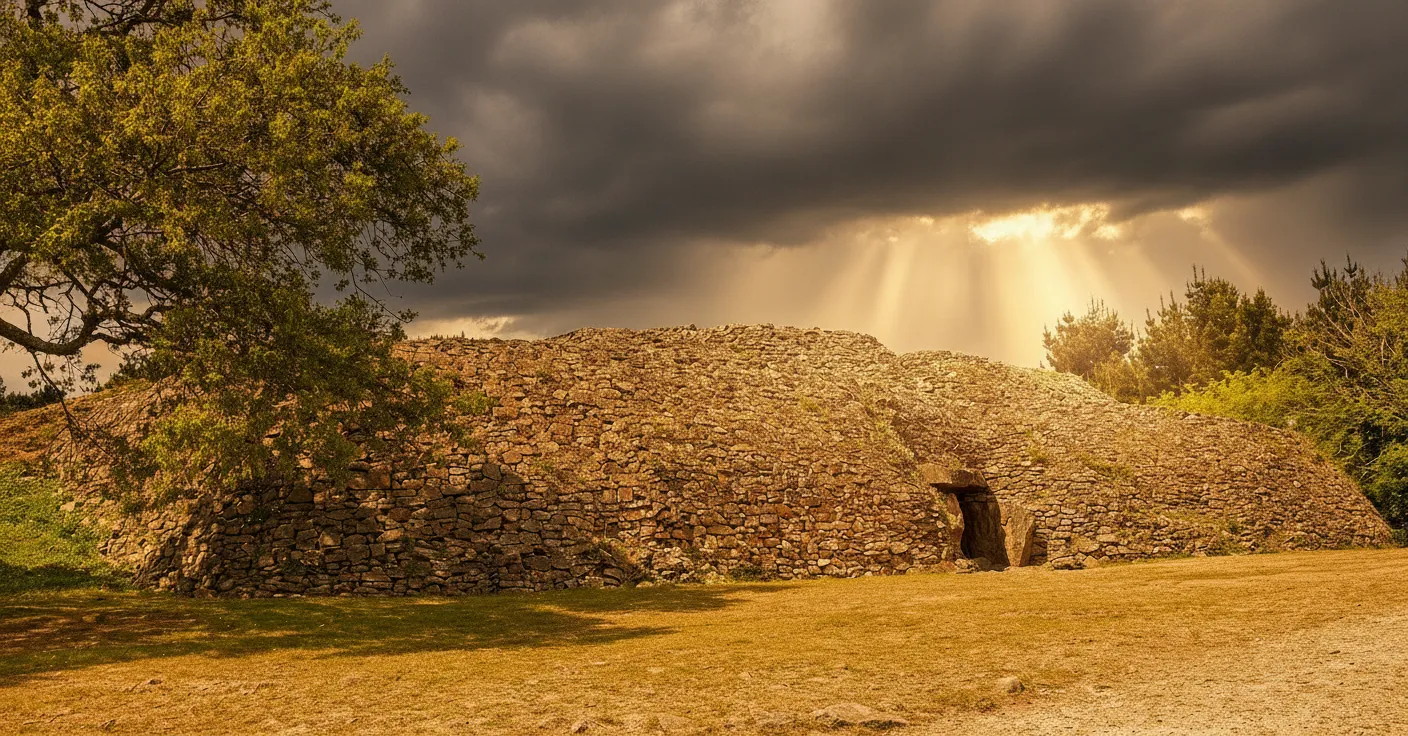
This isn't your typical tourist hotspot, and that's precisely its allure. Accessible only by a charming boat journey, the expedition to Gavrinis is an adventure in itself, slowly carrying you away from the modern world and towards a profound connection with our ancient past. As you approach the island, the sheer scale of the cairn emerges, a colossal mound of earth and stone, hinting at the incredible human effort and sophisticated knowledge required to construct such a monument. But it's what lies within that truly astounds: a meticulously crafted passage tomb, a sacred space where artistry and engineering converged in a way that continues to baffle and inspire archaeologists to this day.
What Makes Cairn de Gavrinis So Special?
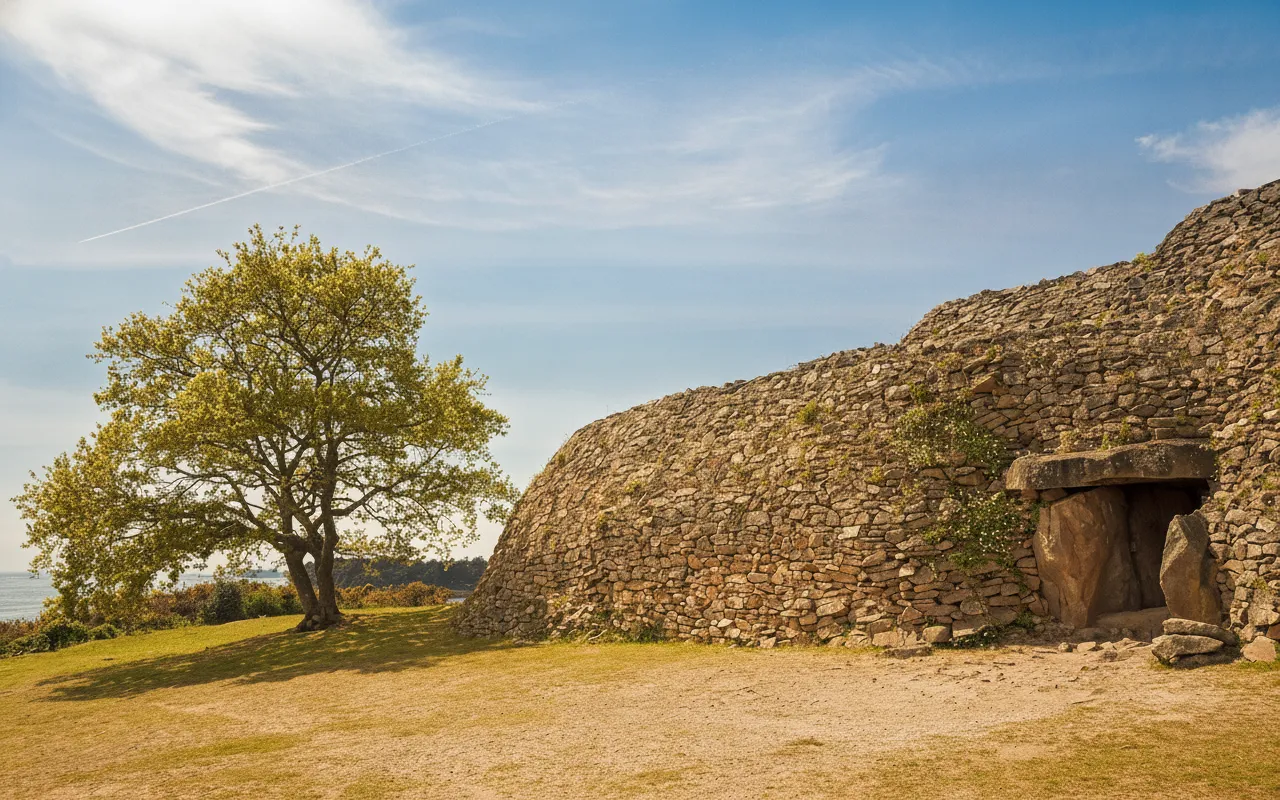
Gavrinis isn't just old; it's *ancient*. Built around 3500 BCE, during the Neolithic period, it stands as a testament to the advanced capabilities of a civilization long vanished. What sets it apart from countless other megalithic sites across Europe is its extraordinary collection of megalithic art. As you venture into its narrow, echoing passage, you're immediately enveloped by a gallery of prehistoric masterpieces. Massive orthostats – the upright stones forming the walls – are intricately etched with a bewildering array of geometric patterns: spirals, chevrons, zigzags, concentric circles, and wave-like motifs. These aren't crude scratchings; they are deliberate, sophisticated designs, demonstrating a remarkable artistic sensibility.
Beyond the abstract, you'll also find symbolic representations that spark endless debate among scholars. Stylized axes, often interpreted as symbols of power or status, appear frequently. But it's the more enigmatic symbols – the serpentine forms, the "shield" motifs, and other unidentifiable figures – that truly capture the imagination. What did these symbols mean to their creators? Were they religious iconography, astronomical charts, territorial markers, or perhaps a complex form of narrative that we are now utterly unable to decipher? The mystery is a core part of Gavrinis's enduring fascination.
Then there's the engineering. The sheer scale of the stones used is astonishing, some weighing many tons, transported and precisely placed without the aid of modern machinery. The cairn's construction showcases an ingenious architectural understanding, particularly in how the roof of one chamber often serves as the base for another, creating a remarkably stable and enduring structure. This wasn't just a burial site; it was a carefully planned and executed architectural marvel, designed to last for millennia. To walk through its passages is to marvel at the ingenuity of a people who, despite their "primitive" tools, achieved feats of construction that rival those of much later civilizations.
A Journey Through Time: History & The Enigma of Gavrinis
The story of Gavrinis begins in the late Stone Age, a period of significant transformation in human history. Communities were shifting from nomadic hunter-gatherer lifestyles to settled agriculture, leading to the development of more complex social structures and, crucially, monumental architecture. The construction of Gavrinis would have been an undertaking requiring immense communal effort, planning, and a deep understanding of geology and construction techniques. It wasn't built in a day, or even a year; it was likely a multi-generational project, a continuous act of reverence and remembrance.
While often referred to as a "passage tomb," the precise purpose of Gavrinis remains a subject of intense archaeological discussion. Was it solely a communal burial ground for an elite class? A sacred temple dedicated to a forgotten deity? A place for ancestor worship? Or perhaps a calendrical device, aligning with solstices or equinoxes, its symbols mapping the cosmos? The absence of written records from this era leaves us to piece together its story from the stones themselves, making every carving a potential clue to a lost belief system.
Gavrinis was likely abandoned and forgotten for millennia, eventually becoming covered by earth and vegetation, blending into the island's natural landscape. It wasn't until the early 19th century that its significance began to be rediscovered, and systematic excavations in the mid-20th century fully revealed its breathtaking interior. Today, rigorous conservation efforts ensure that this fragile masterpiece is protected for future generations, allowing us to still gaze upon the very same art created over 5,500 years ago.
The island itself is part of a broader landscape rich in megalithic history. The Gulf of Morbihan is dotted with numerous other ancient sites, including the world-famous Carnac alignments and the massive Grand Menhir Brisé at Locmariaquer. Gavrinis, however, stands out for the sheer density and artistic quality of its internal carvings, offering a unique window into the spiritual and artistic world of its builders. It’s a place that not only showcases incredible prehistoric art but also poses profound questions about the origins of human creativity, belief, and engineering prowess.
Stepping Inside: What You'll See on Your Visit
Your visit to Gavrinis truly begins the moment you board the small ferry from Port-Blanc, Larmor-Baden. The short, scenic boat ride across the tranquil waters of the Gulf of Morbihan sets a contemplative mood, allowing you to shed the distractions of the modern world. As you disembark on the tiny, uninhabited island, the massive, grass-covered mound of the cairn dominates the landscape, an imposing yet inviting presence.
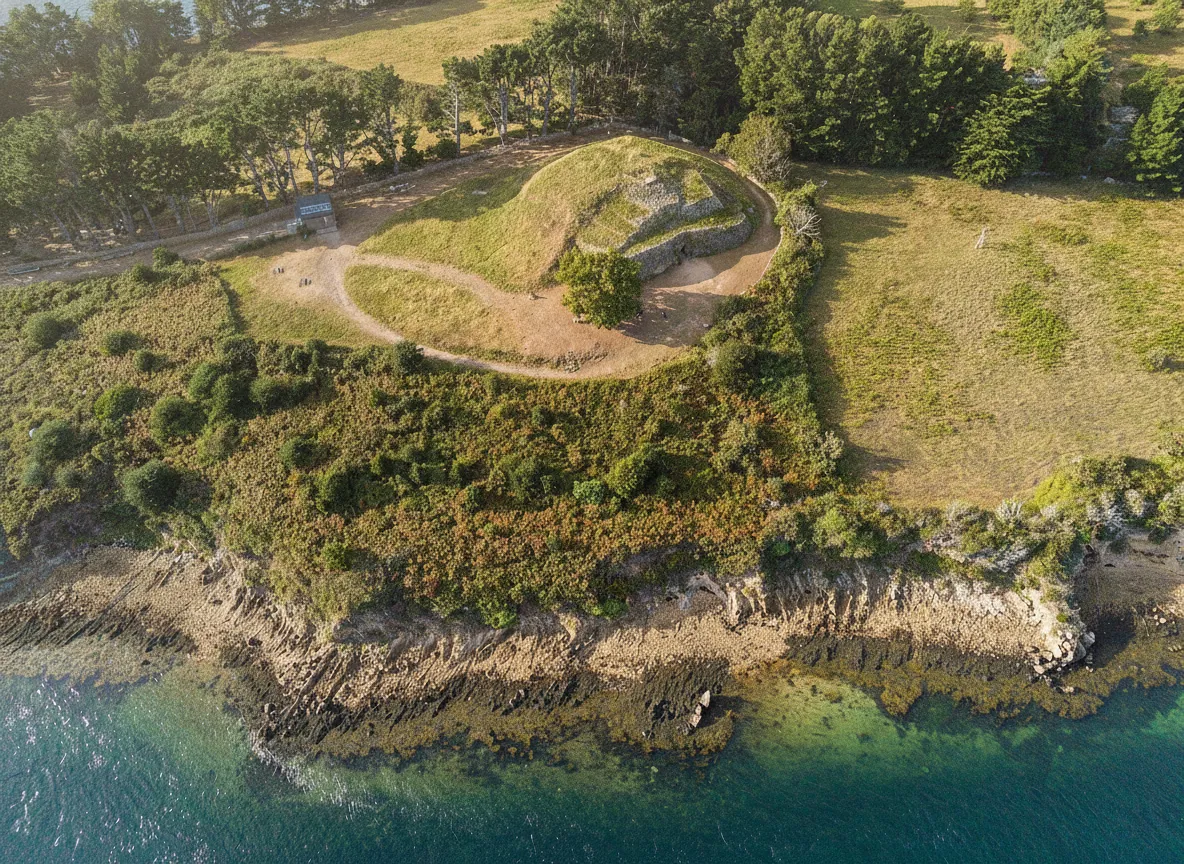
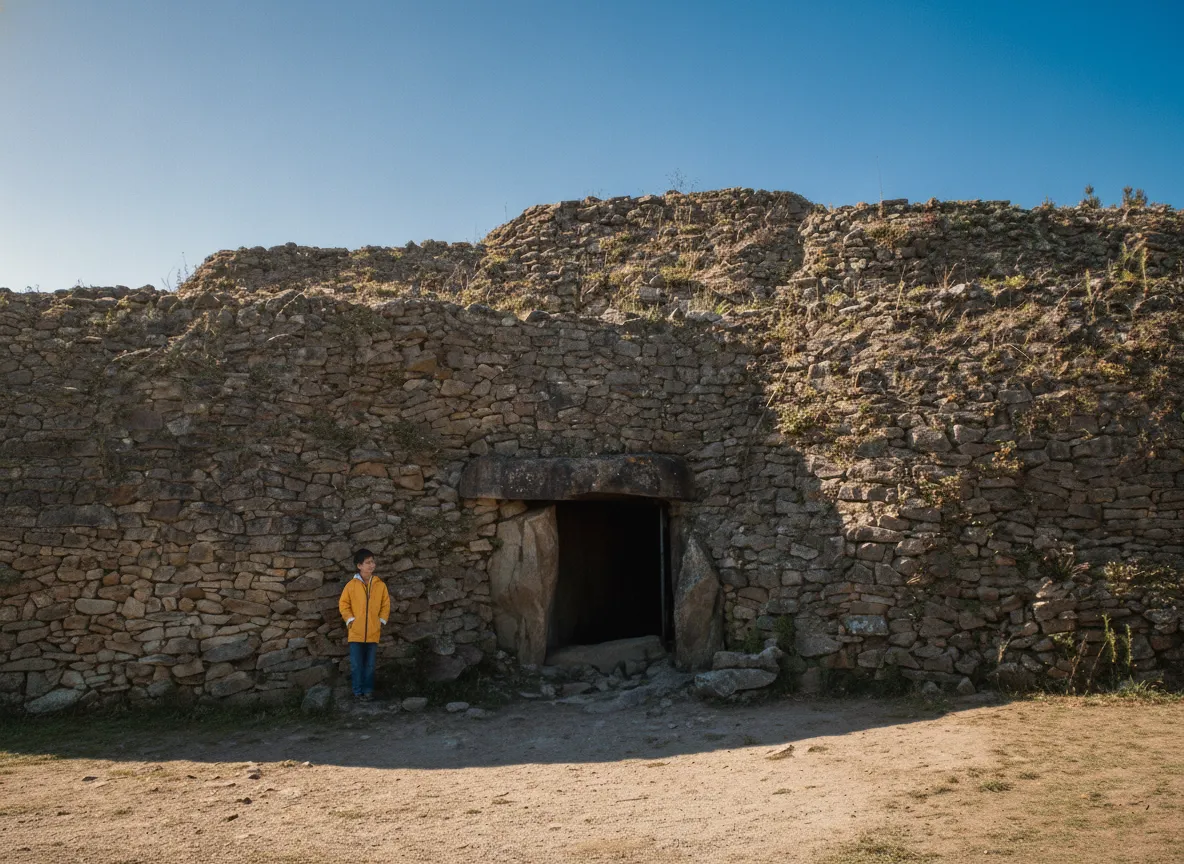
A guided tour is essential here, providing invaluable context and insights into the monument's history and significance. Your guide will lead you to the entrance of the passage, a relatively narrow opening that beckons you into the heart of the cairn. As you step inside, the temperature drops slightly, and the outside world fades away. The air becomes still, hushed, filled with a sense of ancient reverence.
The passage itself is approximately 14 meters long, lined with 29 massive orthostats. It's here that the true magic unfolds. Each stone is a canvas, meticulously carved with an astonishing array of patterns. The geometric designs – spirals that seem to swirl with cosmic energy, zigzags that ripple like water, and intricate latticework – are incredibly well-preserved. Your guide will point out specific details, helping you to discern the subtle differences in style and technique, and perhaps offering theories about their potential meanings.
The passage culminates in a small, cruciform chamber. This central space is the emotional core of the monument, where the atmosphere feels particularly potent. Here, the sheer artistry and engineering prowess reach their peak. You'll notice how some of the capstones (the massive slabs forming the roof) bear carvings on their underside, suggesting they were once part of an older, dismantled structure, repurposed and incorporated into Gavrinis. This ingenious recycling speaks volumes about the builders' resourcefulness and perhaps their reverence for even older sacred stones.
Spending time within the chamber, bathed in the soft, controlled lighting designed to protect the carvings, is a truly profound experience. You're not just looking at ancient art; you're standing in a space designed by human hands over five millennia ago, a place that held deep spiritual significance for its creators. It's a moment of connection, a tangible link to a world far removed from our own, yet one that speaks to universal human desires for meaning, memory, and legacy.
Planning Your Expedition: Practical Tips for Visiting Gavrinis
Visiting Cairn de Gavrinis requires a bit of planning, but the effort is richly rewarded. Remember, this isn't a drive-up attraction; the journey is part of the adventure.
Getting There: The only way to reach Gavrinis is by boat. Ferries depart regularly from Port-Blanc in Larmor-Baden, a charming village on the mainland. It's highly recommended to book your boat tickets and guided tour in advance, especially during peak season (summer months) as capacity is limited. The entire excursion, including the boat ride and the guided tour on the island, typically lasts around 2-3 hours.
Best Time to Visit: The shoulder seasons – late spring (May-June) and early autumn (September-October) – offer the most pleasant experience. The weather is generally mild, the crowds are thinner than in July and August, and the natural beauty of the Gulf of Morbihan is at its best. While the interior of the cairn maintains a consistent cool temperature, the boat ride and walk on the island are more enjoyable in good weather.
What to Bring: * Comfortable Shoes: You'll be walking a short distance from the boat landing to the cairn. * Camera: While photography inside the cairn is often restricted or requires special permission to protect the fragile carvings, you'll want to capture the stunning exterior and the beautiful coastal scenery. Always check current rules. * Light Jacket: Even on a warm day, the interior of the cairn can be cool and damp. * Water: There are no facilities on the island, so bring your own refreshments. * Curiosity and Wonder: These are your most essential companions!
Accessibility: The boat journey and the walk to the cairn involve some uneven terrain. The passage into the cairn is narrow and not wheelchair accessible. It's best to check with the tour operator for specific accessibility concerns if you have them.
Nearby Exploration: After your visit to Gavrinis, take time to explore the picturesque villages around the Gulf of Morbihan, such as Larmor-Baden, Vannes, or Auray. The region is renowned for its seafood, charming markets, and, of course, its wealth of other prehistoric sites. A trip to Gavrinis can easily be part of a larger, unforgettable journey through ancient Brittany.
Beyond the Stones: The Enduring Allure of Gavrinis
Leaving Gavrinis, you carry with you more than just memories and photographs. You leave with a profound sense of connection to a distant past, a deeper appreciation for the ingenuity of early humans, and a lingering sense of wonder at the mysteries that still elude us. The intricate symbols etched into those ancient stones continue their silent vigil, inviting us to ponder the beliefs, fears, and aspirations of a people who lived so long ago.
Cairn de Gavrinis is more than an archaeological site; it's a portal to a forgotten world, a place where history isn't just read in books but felt in the cool, echoing passages and seen in the timeless beauty of its art. It's a reminder that even in our hyper-connected modern age, true magic and profound discovery can still be found in the hidden corners of our planet, waiting to be explored by those willing to venture off the beaten path. So, when you plan your next adventure, consider Brittany, and allow yourself to be captivated by the ancient, enigmatic allure of Gavrinis – a true gem of human heritage.
Essential Travel Information
- Location Cairn de Gavrinis, France
- Best Time Late spring (May-June) or early autumn (September-October)
- Getting There By boat from Port-Blanc, Larmor-Baden (reservations essential)
- Airport Nantes Atlantique Airport (NTE)
- Budget Mid-range (~€100-150 daily, including accommodation, food, and activities)
- Language French
Find Places to Stay Near Cairn de Gavrinis
Compare hotels, hostels, and unique stays in France.
Search AccommodationTours & Experiences Near Cairn de Gavrinis
Book guided tours, day trips, and unique experiences.
Browse Tours