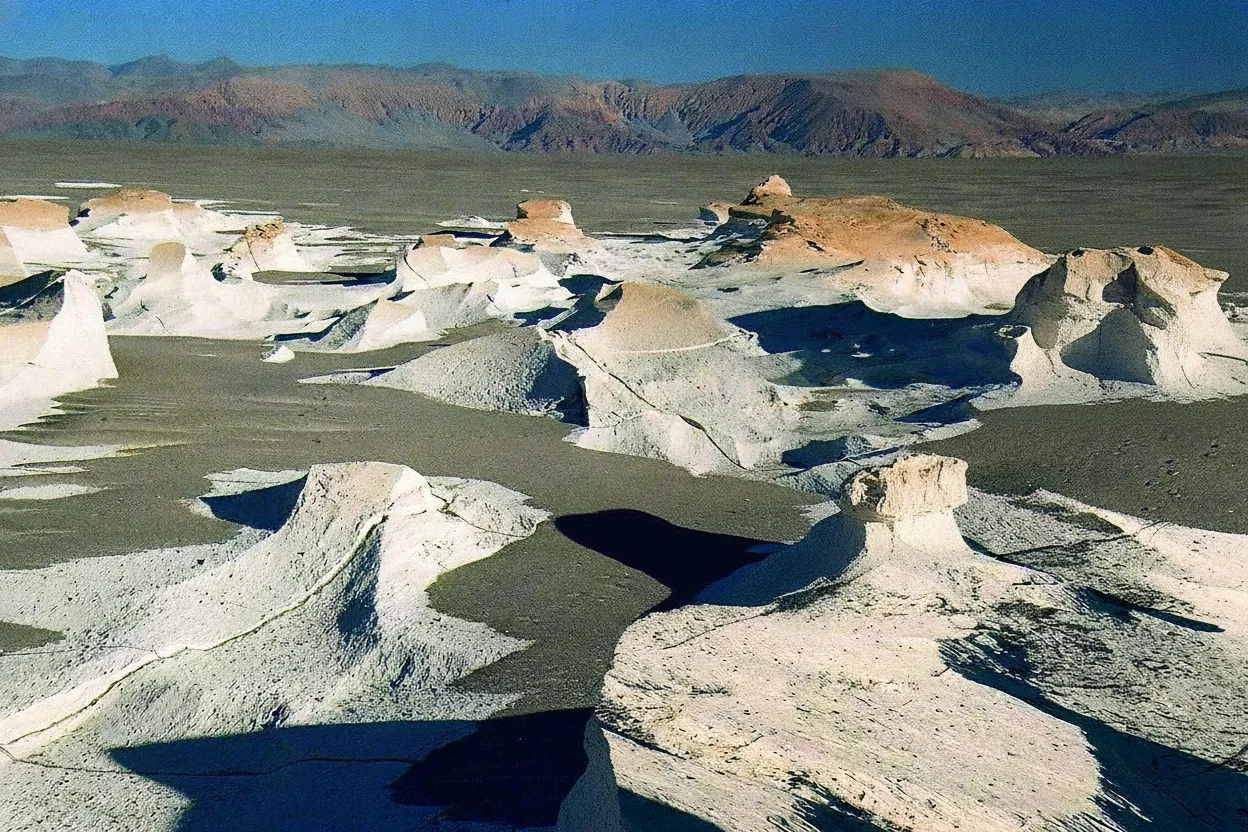
Imagine stepping onto another planet in Argentina's high desert, where an entire landscape is sculpted from impossibly white, volcanic pumice, forming a surreal, moon-like labyrinth. This isn't a scene from a sci-fi film, but a real, breathtaking wonder hidden deep within the remote reaches of Catamarca. Welcome to Campo de Piedra Pómez, a place so utterly unique and profoundly isolated that it remains one of Earth's best-kept secrets. For the intrepid traveler, the curious explorer, or anyone yearning for an encounter with the truly extraordinary, this vast, silent expanse offers an experience that transcends mere tourism – it's an expedition into the heart of geological artistry, a journey to a landscape that feels both ancient and futuristic.
My friend, if you've ever dreamt of discovering a place where the ordinary rules of nature simply don't apply, then pack your bags and prepare for an adventure that will redefine your understanding of beauty. Campo de Piedra Pómez isn't just a destination; it's a testament to the raw, creative power of our planet, sculpted by fire and wind into a masterpiece that will leave you speechless.
What Makes This Alien Landscape So Special?
The moment you arrive at Campo de Piedra Pómez, the sheer scale and otherworldly beauty of it hit you. You're not just looking at a few interesting rocks; you're standing amidst an ocean of porous, snow-white volcanic pumice, stretching as far as the eye can see. This isn't sand, nor is it snow, but a solidified foam of volcanic glass, incredibly lightweight and fragile, yet forming monumental structures that defy belief. What makes it truly special is the artistry of nature: millennia of wind and erosion have carved this soft, malleable rock into an infinite variety of bizarre shapes. You'll wander through towering, mushroom-like formations, delicate arches, and abstract sculptures that resemble everything from mythical beasts to modern art installations.
There’s an almost spiritual quality to the silence here, broken only by the whisper of the wind as it continues its tireless work of sculpting. The dazzling white of the pumice contrasts starkly with the deep blue of the high desert sky, creating a visual spectacle that's unlike anything else on Earth. It's a place that forces you to slow down, to observe, and to marvel at the intricate details etched into every surface. Due to its extreme isolation in the Puna de Catamarca, very few people ever get to witness this geological marvel, making your visit feel like a privileged expedition to a lost world. It's truly an Argentine hidden gem, waiting to be discovered by those brave enough to venture off the beaten path.

A Geological Masterpiece: The History and Background
To truly appreciate Campo de Piedra Pómez, it helps to understand the incredible forces that brought it into being. This isn't just a random collection of rocks; it's the geological masterpiece born from an ancient, cataclysmic volcanic eruption. Millions of years ago, this region of Catamarca, part of the immense Andean plateau known as the Puna, was a hotbed of volcanic activity. A particularly explosive eruption from a nearby caldera, likely the Antofalla volcano, ejected vast quantities of pumice – a type of igneous rock formed when superheated, pressurized molten rock (lava) is violently ejected from a volcano. As it cools rapidly, the gases within the lava escape, leaving behind a highly vesicular (full of holes) and extremely lightweight rock.
Once settled, these enormous deposits of pumice were then subjected to the relentless sculpting power of the elements. The high desert winds, carrying fine particles of sand and dust, acted like a natural sandpaper, slowly but surely carving away at the softer parts of the pumice. Over countless millennia, this process of aeolian erosion chiseled the landscape into the fantastical shapes we see today. The varying hardness of the pumice layers, combined with the direction and intensity of the wind, led to the creation of the delicate pedestals, the 'mushroom' caps, and the intricate patterns that make this volcanic landscape so visually arresting. It's a living geology lesson, showcasing the incredible patience and power of nature.
Exploring the Labyrinth: What You'll See and Experience
Stepping into Campo de Piedra Pómez is like entering a dreamscape. The experience is incredibly immersive. As you walk through the labyrinthine paths, the formations constantly change, revealing new perspectives and shapes with every turn. You'll find yourself reaching out to touch the impossibly light, porous rock, feeling its unique texture. The sheer scale is difficult to grasp from photographs; some formations are small enough to hold, while others tower several meters high, casting dramatic shadows that dance and shift with the sun.
Photography here is an absolute dream. The stark white of the pumice provides a perfect canvas for the intense blue sky, and the play of light and shadow throughout the day is mesmerizing. Sunrise and sunset are particularly magical, as the low-angle light bathes the pumice in warm, golden hues, making the textures and contours pop with incredible drama. Beyond the visual feast, the profound silence of this remote area is a rare gift. It allows for introspection, for a deep connection with the vastness of the natural world, and for a humbling realization of our small place within it. At night, far from any light pollution, the Puna's skies explode with millions of stars, making it an incredible spot for stargazing, adding another layer of wonder to your adventure. While flora and fauna are sparse in this extreme environment, you might spot a resilient vicuña in the distance, or a high-altitude bird soaring overhead, adding a touch of life to the stark beauty.

Practicalities for Your Expedition: Planning Your Visit
Visiting Campo de Piedra Pómez is not a casual day trip; it's an expedition that requires careful planning and a spirit of adventure. Its extreme isolation is part of its charm, but also its challenge. This remote travel Argentina destination is best accessed from small towns like El Peñón or Antofagasta de la Sierra in Catamarca. There are no paved roads leading directly to the pumice field, and the terrain is rough, sandy, and rocky. This means a sturdy 4x4 vehicle is absolutely essential, and more importantly, an experienced local guide who knows the routes and understands the unpredictable high desert conditions. Self-driving without prior experience in this specific terrain is strongly discouraged and potentially dangerous.
**How to Get There:** Most travelers fly into a larger city like Salta (SLA) or Catamarca (CTC), then connect via bus or rental car to towns like Belén, and from there, arrange a multi-day guided tour with a 4x4 from El Peñón or Antofagasta de la Sierra. These tours often include meals, accommodation in rustic guesthouses, and transport to other nearby attractions in the Puna.
**Best Time to Visit:** The high desert climate means extreme temperatures. The best time to visit is during the shoulder seasons (spring: September-November, and autumn: March-May) when temperatures are milder. Summers (December-February) can be very hot, and winters (June-August) can be extremely cold, with potential for snow and strong winds, making some roads impassable.
**What to Bring:** Given the remote nature, you must be self-sufficient. Pack plenty of water, high-energy snacks, sun protection (hat, high SPF sunscreen, sunglasses), layers of clothing (temperatures can fluctuate wildly between day and night), sturdy hiking boots, and a first-aid kit. Remember, you'll be at high altitude (around 2500-3000 meters / 8,200-9,800 feet), so allow time for acclimatization and be aware of the symptoms of altitude sickness. Respect this fragile environment by practicing "Leave No Trace" principles – carry out everything you carry in.

Is Campo de Piedra Pómez Calling Your Inner Explorer?
Campo de Piedra Pómez is more than just a destination; it's an experience that will challenge your perceptions and reward you with memories to last a lifetime. It's for those who crave genuine adventure, who seek out the truly unique, and who aren't afraid to venture far beyond the well-trodden path. This incredible volcanic landscape in Argentina's Catamarca region stands as a testament to Earth's boundless capacity for wonder, a stark, silent, and utterly beautiful world that few are lucky enough to witness. If the idea of exploring a moon-like labyrinth, sculpted by ancient eruptions and millennia of wind, ignites your wanderlust, then Campo de Piedra Pómez is undoubtedly calling your name. Prepare for an unforgettable journey to one of the planet's most surreal and captivating landscapes.
Essential Travel Information
- Location Campo de Piedra Pómez, Argentina
- Best Time Spring (September-November) and Autumn (March-May) for milder temperatures.
- Getting There Requires a 4x4 vehicle and experienced local guide, typically from El Peñón or Antofagasta de la Sierra after reaching the area from major cities like Salta or Catamarca.
- Airport Salta International Airport (SLA) or Catamarca Airport (CTC)
- Budget Mid-range (due to specialized guided tours and 4x4 hire), approx. $150-300+ USD per day for guided tours.
- Language Spanish
Find Places to Stay Near Campo de Piedra Pómez
Compare hotels, hostels, and unique stays in Argentina.
Search AccommodationTours & Experiences Near Campo de Piedra Pómez
Book guided tours, day trips, and unique experiences.
Browse Tours