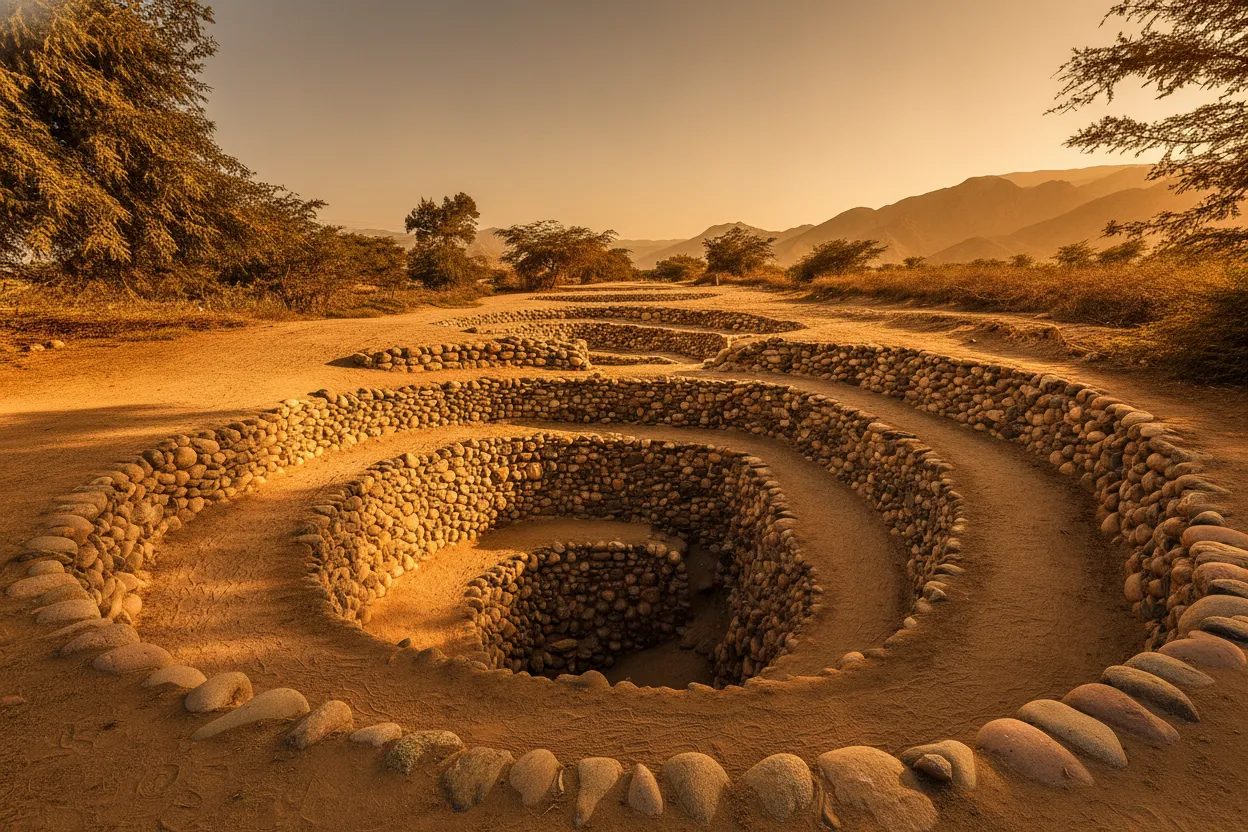
Beneath the seemingly barren, sun-baked plains of the Nazca desert in Peru, where colossal geoglyphs sprawl across the landscape, lies an even more astonishing secret. Forget what you think you know about ancient Nazca; while the Lines capture the imagination, it's what lies *underneath* that truly defines their genius. Imagine descending into the earth, not into a dark cave, but into a spiral well, perfectly engineered, leading to a sprawling subterranean aqueduct system built millennia ago that still functions flawlessly today. This isn't science fiction; this is Cantalloc Puquios, the Nazca Aqueducts, a testament to an ancient civilization's unparalleled mastery of hydraulic engineering, waiting to astound you.
Unveiling Nazca's Hidden Water World: The Cantalloc Puquios
Most travelers venturing to the Ica Region of Peru arrive with one iconic image in mind: the mysterious Nazca Lines. And while these colossal geoglyphs are undeniably awe-inspiring, they represent only one facet of the Nazca civilization's incredible legacy. Far less known, yet arguably more vital to their survival and success, are the Cantalloc Puquios. These aren't just ancient wells; they are an intricate network of underground aqueducts, a sophisticated hydraulic system that allowed a thriving agricultural society to flourish in one of the driest deserts on Earth for over 1,500 years.
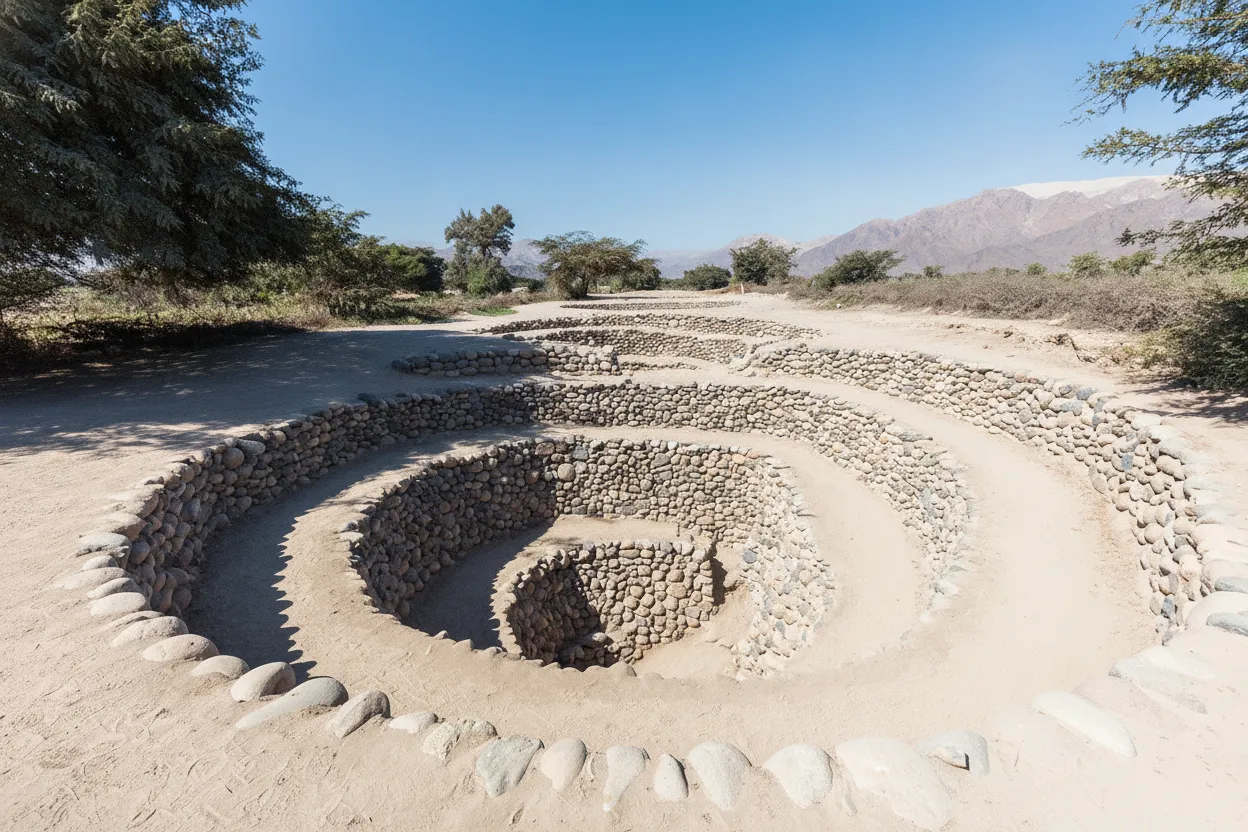
What makes the puquios so utterly fascinating is their sheer ingenuity. Picture this: a civilization, without modern tools or engineering principles as we understand them, managed to tap into subterranean water tables, channel water through miles of underground conduits, and bring it to the surface for irrigation. The "puquios" themselves are the distinctive, spiral-shaped access points that dot the landscape. These aren't just decorative; their unique design serves multiple critical functions: they allow easy access for maintenance, prevent sand from blowing into the channels, and, most remarkably, create a natural ventilation system that keeps the water fresh and flowing. It's a marvel that continues to baffle and impress modern engineers, who struggle to replicate such a system without the aid of advanced technology.
While the Nazca Lines speak of astronomical observations or spiritual beliefs, the puquios speak of sheer, practical survival and an incredible understanding of their environment. They are a tangible link to the daily lives of the Nazca people, a testament to their dedication to sustaining life in an unforgiving landscape. To visit them is to step into a living museum of ancient innovation, an experience that deepens your appreciation for human ingenuity far beyond the famous lines.
A Journey Through Time: The History of the Nazca Aqueducts
The story of the Cantalloc Puquios begins with the Nazca civilization itself, a pre-Incan culture that thrived in the valleys of the Rio Grande de Nazca and the Ica River between approximately 200 BC and 800 AD. This was a people who not only etched monumental art into the desert floor but also mastered the art of survival in an extremely arid environment. The Nazca region receives very little rainfall, making agriculture a constant challenge. To overcome this, the Nazca people turned their gaze not to the skies, but beneath their feet.
It's believed that the construction of the puquios began around 200-300 AD, coinciding with the peak of the Nazca civilization. Faced with an increasing population and the need for reliable water sources, they embarked on an ambitious project: to access the abundant groundwater flowing through the porous alluvial deposits beneath the desert. They didn't just dig wells; they engineered an entire network of underground channels, known as *galerías filtrantes* (filtering galleries), which collected water from the water table and transported it, by gravity, to agricultural fields. The spiral puquios, or "eyes of the water," were strategically placed along these channels.
The sheer scale and precision of this undertaking are mind-boggling. Imagine digging miles of underground tunnels, often several meters deep, without precise surveying equipment. How did they maintain the subtle gradient required for water to flow consistently? How did they ensure structural integrity? These are questions that continue to puzzle archaeologists and hydrologists. What is certain is that the puquios were not just a temporary solution; they were built to last. And last they have, continuing to supply water to local communities and irrigate fields to this very day, a living legacy that has outlasted empires and weathered centuries of change.
What You'll Discover at Cantalloc: A Glimpse into Ancient Genius
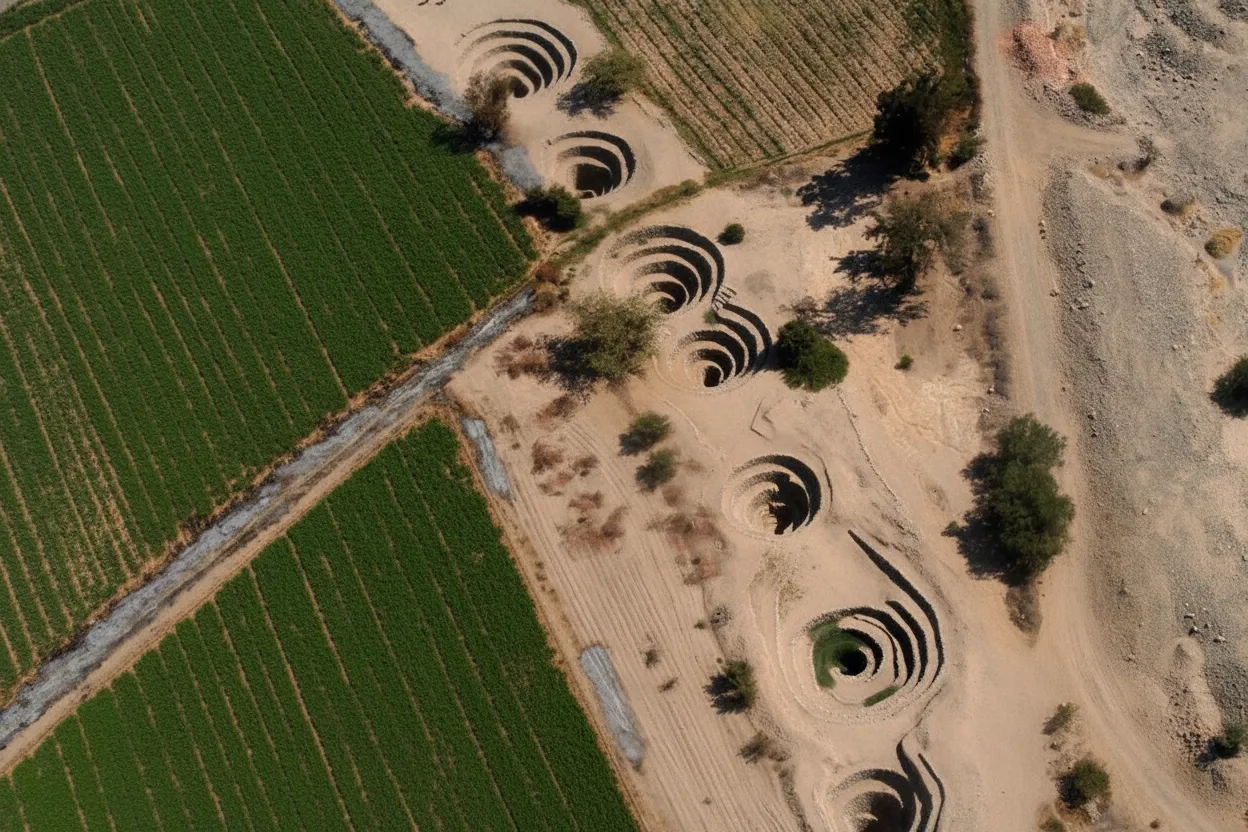
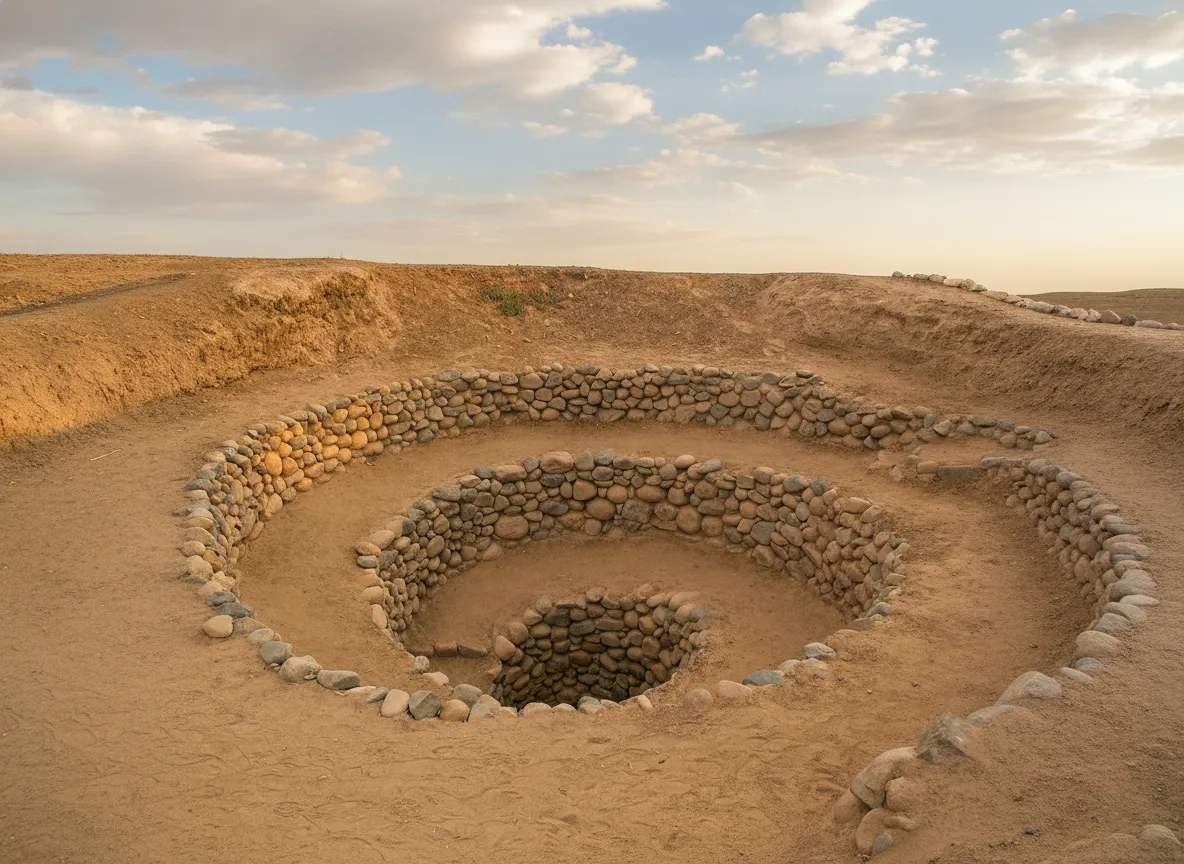
Visiting Cantalloc Puquios is an experience unlike any other in Peru. As you approach the site, you'll first notice the distinctive, funnel-shaped depressions in the earth, spiraling downwards like giant corkscrews. These are the *puquios* themselves, the access points to the hidden world beneath. It's an immediately striking sight, a stark contrast to the flat, dusty terrain around them.
Your guide (and I highly recommend going with one to truly appreciate the site) will explain the intricate mechanics of this ancient system. You'll learn how the Nazca people dug horizontal tunnels, sometimes miles long, into the water-bearing strata. These tunnels, lined with river stones and wooden supports (originally huarango wood, known for its resilience), gently slope to allow water to flow by gravity. The spiral puquios you see on the surface are vertical shafts connecting the underground channels to the open air. These shafts are crucial; they provide fresh air, ventilating the subterranean tunnels and preventing stagnation. They also allow for easy access, so maintenance crews could descend to clear any blockages or perform repairs, ensuring a continuous flow of precious water.
You'll have the opportunity to descend into one of these puquios, feeling the cool, damp air as you go. Looking down into the dark opening, you can almost hear the echoes of ancient Nazca workers, toiling to bring life to their desert home. It's a humbling experience to realize that the water flowing through these channels has been doing so for over a millennium, sustaining generations. Walking along the surface, you'll see the open channels where the water emerges from the ground, flowing freely into a complex system of irrigation ditches that feed nearby fields. It's here that you truly grasp the impact of this engineering marvel: lush green crops flourishing against the backdrop of an otherwise arid landscape, a vibrant testament to the Nazca's enduring legacy.
Planning Your Expedition: Practical Tips for Visiting the Puquios
Ready to uncover Nazca's secret water world? Here's what you need to know to make your visit to Cantalloc Puquios seamless and unforgettable:
Location: The Cantalloc Puquios are located just a few kilometers east of the city of Nazca, Peru, in the Ica Region. They are easily accessible from the town.
How to Get There: Most visitors base themselves in Nazca. You can hire a taxi directly to the site, which is usually a short 15-20 minute drive. Alternatively, many local tour operators in Nazca offer combined tours that include the puquios along with other nearby attractions like the Nazca Lines observation tower and Cahuachi pyramids. A guided tour is highly recommended as the historical and engineering context greatly enhances the experience.
Best Time to Visit: Nazca has a desert climate, meaning it's generally hot and dry year-round. The dry season (May to October) is often preferred for travel in Peru, but the puquios are accessible and impressive any time of year. Mornings are usually cooler and offer softer light for photography.
What to Bring:
- Water: It's a desert environment, so stay hydrated.
- Hat and Sunscreen: Protection from the intense sun is crucial.
- Comfortable Walking Shoes: You'll be walking on uneven terrain.
- Camera: You'll want to capture the unique spirals and the contrasting green fields.
- Cash: For entrance fees, tips, and any local purchases.
Entrance Fee: There is a small entrance fee to access the site, which usually goes towards its maintenance and local community. Your tour operator might include this in their package.
Respect the Site: These are ancient, still-functioning structures. Follow any guidelines from your guide, stick to designated paths, and do not litter. Remember, you're visiting a vital part of a living ecosystem and historical heritage.
Beyond the Lines: Why the Puquios Deserve Your Attention
While the Nazca Lines continue to draw visitors from around the globe, etching their mysterious patterns onto the popular imagination, the Cantalloc Puquios offer a different, perhaps even deeper, kind of wonder. They are not grand statements to the sky, but humble, brilliant solutions to fundamental human needs. They speak volumes about the ingenuity, resilience, and profound understanding of nature possessed by the Nazca people.
In a world increasingly concerned with sustainable living and resource management, the puquios stand as a timeless lesson from the past. They remind us that innovative, eco-friendly solutions are not a modern invention but a legacy passed down through millennia. To witness a 1,500-year-old hydraulic system still providing water to communities today is nothing short of extraordinary. So, when you plan your trip to Peru, look beyond the famous geoglyphs. Dare to descend, to explore the hidden depths of Nazca's genius, and you'll discover a truly unforgettable wonder that continues to flow with life and history.
Essential Travel Information
- Location Cantalloc Puquios (Nazca Aqueducts), Peru
- Best Time May to October (dry season, though accessible year-round)
- Getting There From Nazca city, take a 15-20 minute taxi ride or join a local guided tour, often combined with other Nazca attractions.
- Airport Maria Reiche Neuman Airport (NZC) - Nazca, or larger Alejandro Velasco Astete International Airport (CUZ) - Cusco / Jorge Chávez International Airport (LIM) - Lima with connecting travel.
- Budget Mid-range (approx. $50-100 USD daily for local transport, food, accommodation, and tours)
- Language Spanish, Quechua (less common in Nazca), English (limited in tourist areas)
Find Places to Stay Near Cantalloc Puquios (Nazca Aqueducts)
Compare hotels, hostels, and unique stays in Peru.
Search AccommodationTours & Experiences Near Cantalloc Puquios (Nazca Aqueducts)
Book guided tours, day trips, and unique experiences.
Browse Tours