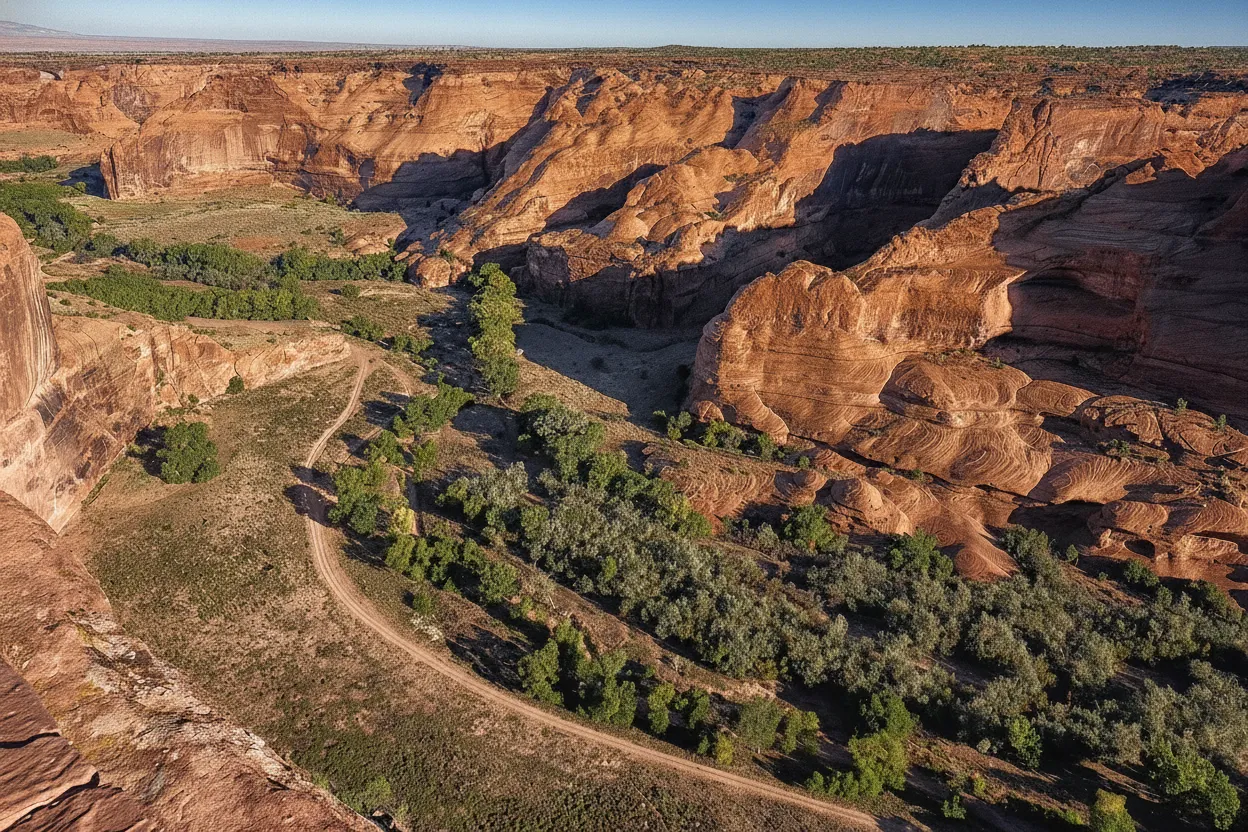
Imagine discovering a canyon carved not just by the patient hand of water and wind, but by centuries of human life. A place where ancient cliff dwellings, etched into the soaring sandstone walls, aren't just archaeological relics, but vibrant homes still occupied by families today. This isn't a fantasy; it's the breathtaking reality of Canyon de Chelly National Monument in the heart of Arizona, a destination that will challenge everything you thought you knew about history, culture, and resilience.
Most archaeological sites whisper tales of a bygone era, their inhabitants long departed. Canyon de Chelly, however, sings a living song. Here, deep within its sacred embrace, Navajo families continue to farm the canyon floor, tend their livestock, and live in profound harmony with the ancestral ruins built into the very cliffs they call home. This isn't just a place to observe the past; it's a vibrant, breathing cultural landscape where time bends, and the ancient and the modern intertwine in a breathtaking display of enduring tradition.
What Makes Canyon de Chelly So Utterly Unique?
Canyon de Chelly stands apart from every other national park or monument in the United States. It's not solely managed by the National Park Service; it's co-managed with the Navajo Nation, whose deep spiritual and historical ties to this land are paramount. This unique arrangement means that much of the canyon floor is still private land, home to approximately 40 Navajo families whose ancestors have lived here for generations. This isn't a museum; it's a living, breathing community that has maintained its traditions, language, and way of life for centuries.
The sheer scale of the canyon is awe-inspiring – a vast network of gorges, some over a thousand feet deep, stretching for miles. But it's the human story that truly captivates. Walking (or riding) into the canyon is like stepping into a time capsule, where the echoes of ancient Puebloan people, who carved incredible dwellings into the sheer rock faces, blend seamlessly with the sounds of contemporary Navajo life. You might see sheep grazing near a 1,000-year-old ruin, or smoke curling from a hogan (traditional Navajo home) nestled beside an ancient agricultural field. It's a testament to human adaptation, spiritual connection, and an unbroken chain of heritage.
A Journey Through Time: History & Heritage
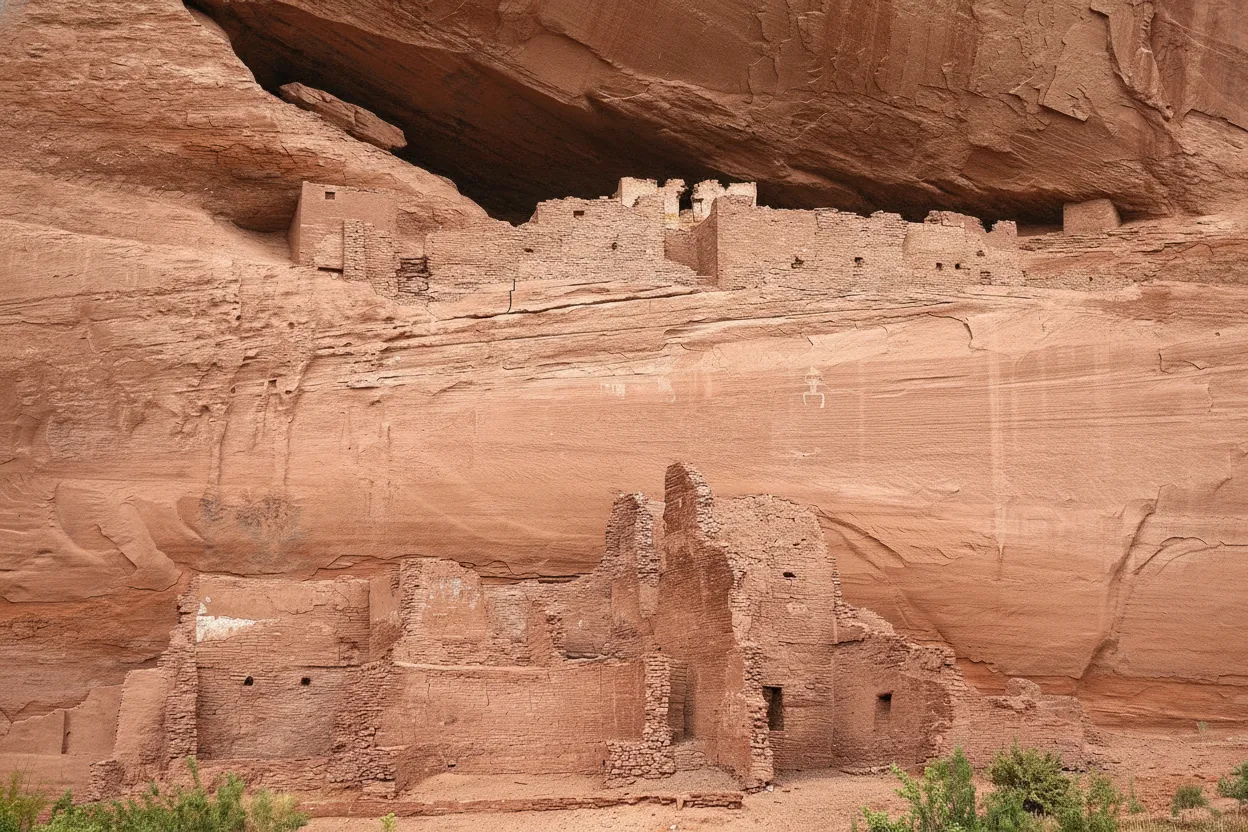
The human story of Canyon de Chelly stretches back over 5,000 years, making it one of the longest continuously inhabited landscapes in North America. The earliest evidence points to hunter-gatherers, but it was the Ancestral Puebloans (often referred to as Anasazi) who left the most dramatic mark, beginning around 350 AD. These ingenious people, masters of adaptation, built incredible multi-story cliff dwellings high in alcoves, utilizing the natural protection of the canyon walls. Sites like White House Ruin, Mummy Cave, and Antelope House are stunning examples of their architectural prowess and sophisticated society.
Around 1300 AD, for reasons still debated by historians, the Ancestral Puebloans departed, leaving their magnificent structures behind. Not long after, the Navajo people (Diné) migrated into the region, establishing their own deep roots and spiritual connection to the canyon. They embraced the fertile canyon floor for farming, cultivated corn, beans, and squash, and adapted the existing structures or built their own hogans. The canyon became a sanctuary, a place of refuge, and a spiritual heartland for the Diné.
This history isn't without its shadows. In the mid-19th century, during the "Long Walk" period, the U.S. Army, led by Kit Carson, pursued the Navajo into Canyon de Chelly, destroying their crops and forcing many into exile. Yet, the Navajo returned, their resilience unwavering, and their connection to this sacred land stronger than ever. Today, the canyon stands as a powerful symbol of survival, cultural continuity, and deep respect for the land.
What You'll See & Experience
Visiting Canyon de Chelly is an experience unlike any other, offering a blend of stunning natural beauty, profound history, and vibrant living culture.
The Rim Drives: Views from Above
You can explore the canyon from above via two scenic rim drives: the North Rim Drive and the South Rim Drive. These paved roads offer numerous overlooks, providing breathtaking panoramic views into the canyon. Each viewpoint comes with interpretive signs explaining the geology, history, and significance of the sites below. Don't miss:
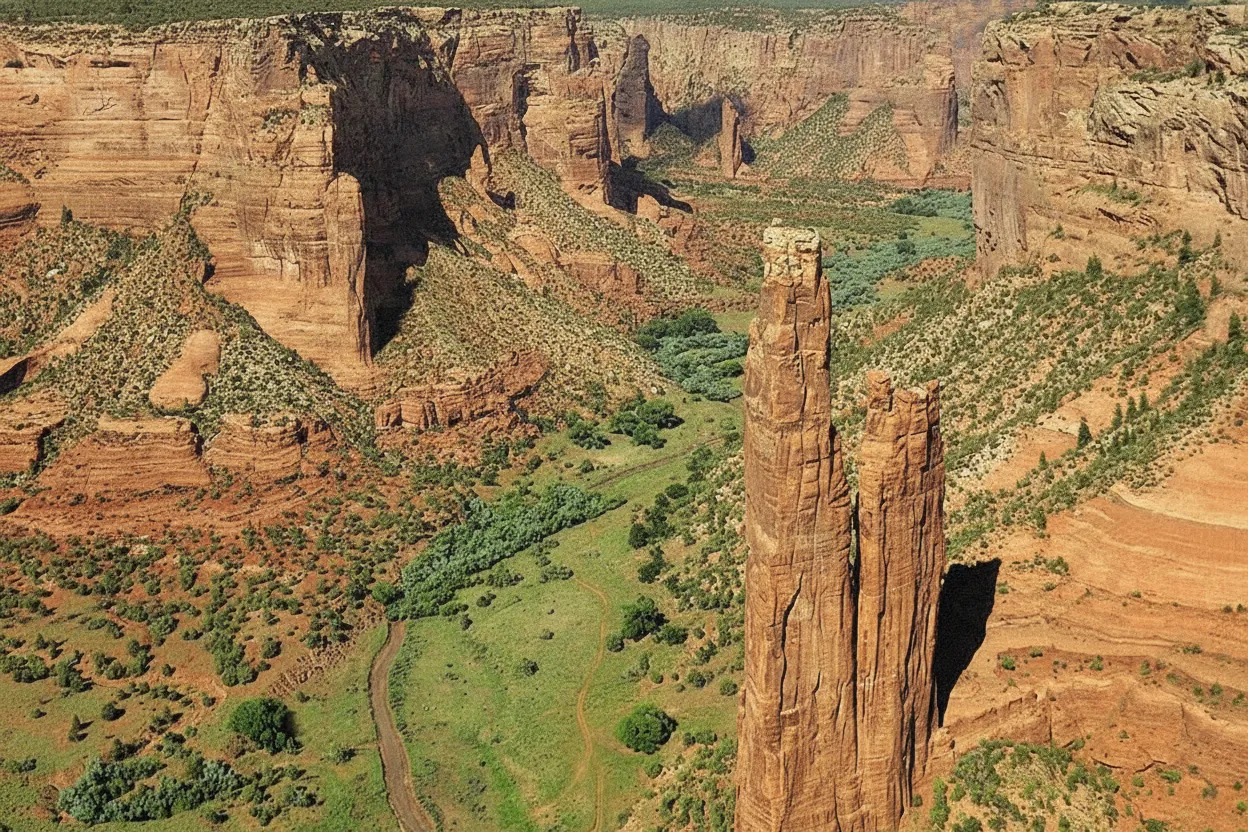
- South Rim Drive: Offers views of White House Ruin (the only ruin accessible by an unguided trail), Sliding House Overlook, and the iconic Spider Rock Overlook. Spider Rock is a magnificent 800-foot sandstone spire, steeped in Navajo legend as the home of Spider Woman, a revered deity.
- North Rim Drive: Provides access to overlooks for Antelope House Ruin, Mummy Cave Ruin, and other significant sites, often with fewer crowds.
Descending into the Sacred Canyon: Guided Tours
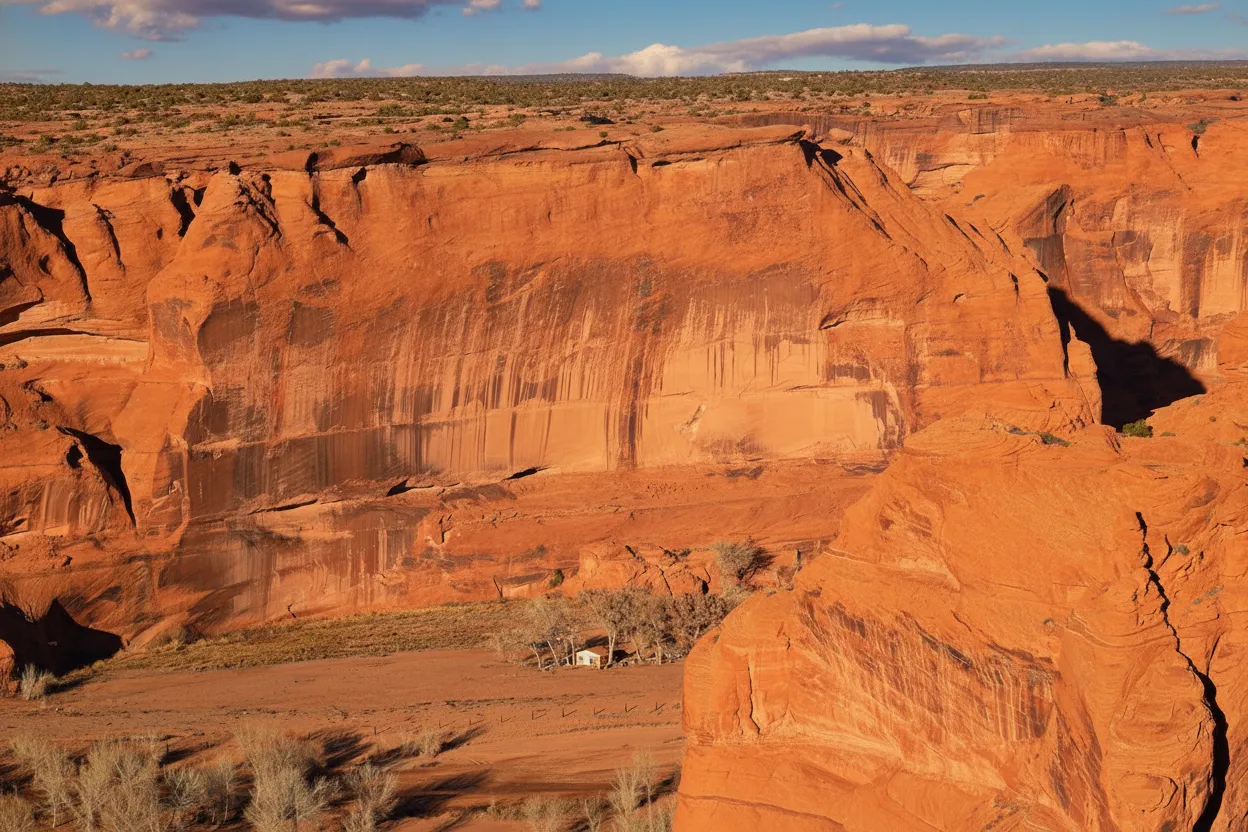
To truly experience Canyon de Chelly, you must descend to the canyon floor. This is where the magic truly unfolds, but it comes with a crucial requirement: **you must be accompanied by an authorized Navajo guide.** This isn't just a rule; it's a way of honoring the private land and sacred nature of the canyon, ensuring respectful interaction with its residents and preservation of its cultural integrity.
Guided tours can be arranged at the Canyon de Chelly Visitor Center or through local Navajo tour operators in Chinle. Options include:
- Jeep or 4x4 Tours: The most popular way to cover significant ground and access various ruins and living areas. Your guide will share ancestral stories, explain the plants and wildlife, and introduce you to the rhythms of canyon life.
- Horseback Riding Tours: A truly immersive and unforgettable way to experience the canyon, allowing you to connect with the landscape in a traditional manner.
- Hiking Tours: For the adventurous, some guides offer hiking expeditions, allowing for a more intimate exploration of specific areas.
Once on the canyon floor, you'll witness the incredible juxtaposition of past and present. You'll see ancient cliff dwellings up close, walk among petroglyphs and pictographs left by ancient hands, and pass by active farms and hogans. Your guide will be your bridge to understanding, sharing stories of their ancestors, explaining traditional practices, and often introducing you to family members living in the canyon. It’s an incredibly personal and moving experience that transcends typical tourism.
Practical Tips for Your Visit
To make your trip to Canyon de Chelly as enriching and respectful as possible, keep these tips in mind:
- Book a Guide: This cannot be stressed enough. For any trip to the canyon floor, a certified Navajo guide is mandatory. Book in advance, especially during peak season, through the Visitor Center or directly with local tour operators in Chinle.
- Respect Local Customs: You are visiting a living community and a sacred place. Always be respectful. Ask permission before photographing people or their private property. Do not disturb artifacts or ruins. Stay on designated paths and follow your guide's instructions implicitly.
- Best Time to Visit: Spring (April-May) and Fall (September-October) offer the most comfortable temperatures for exploring. Summer can be very hot, and winter can be chilly, though fewer crowds can be a plus.
- What to Bring: Plenty of water, sun protection (hat, sunscreen), sturdy hiking shoes, binoculars for spotting distant ruins or wildlife, and a good camera. Dress in layers, as temperatures can fluctuate.
- Accommodation: The nearest town is Chinle, Arizona, which offers several hotels and motels, as well as dining options.
- Leave No Trace: Pack out everything you pack in. Do not pick plants or disturb natural features. Help preserve this pristine environment for future generations.
- Accessibility: The rim drives and overlooks are generally accessible. Descending into the canyon, particularly on foot or horseback, requires a reasonable level of physical fitness.
Canyon de Chelly isn't just a destination; it's an immersion. It's a profound journey into a landscape where the past isn't buried but breathes, where ancient traditions thrive, and where the resilience of a people echoes through every canyon wall. Prepare to be humbled, inspired, and utterly transformed by this truly hidden gem of the American Southwest.
Essential Travel Information
- Location Canyon de Chelly National Monument, United States
- Best Time Spring (April-May) and Fall (September-October)
- Getting There Access from Chinle, AZ, via US-191. Rim drives are self-guided; canyon floor requires a Navajo guide.
- Airport Gallup Municipal Airport (GUP) - ~1.5 hours, Flagstaff Pulliam Airport (FLG) - ~3 hours, Phoenix Sky Harbor International Airport (PHX) - ~5 hours
- Budget Mid-range, ~$150-$300/day (includes accommodation, food, and essential guided tour costs)
- Language English, Navajo (Diné Bizaad)
Find Places to Stay Near Canyon de Chelly National Monument
Compare hotels, hostels, and unique stays in United States.
Search AccommodationTours & Experiences Near Canyon de Chelly National Monument
Book guided tours, day trips, and unique experiences.
Browse Tours