The Geological Marvel: What Makes Castellfollit de la Roca So Special?
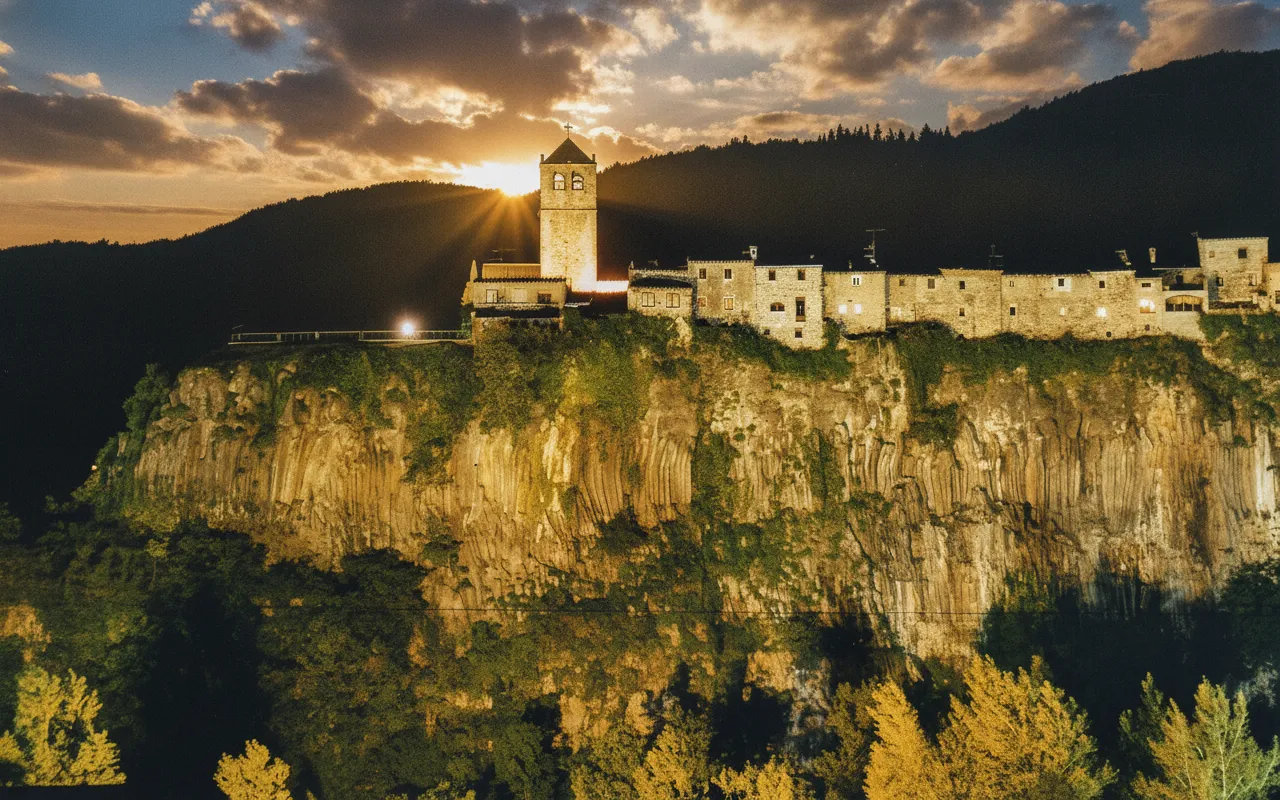
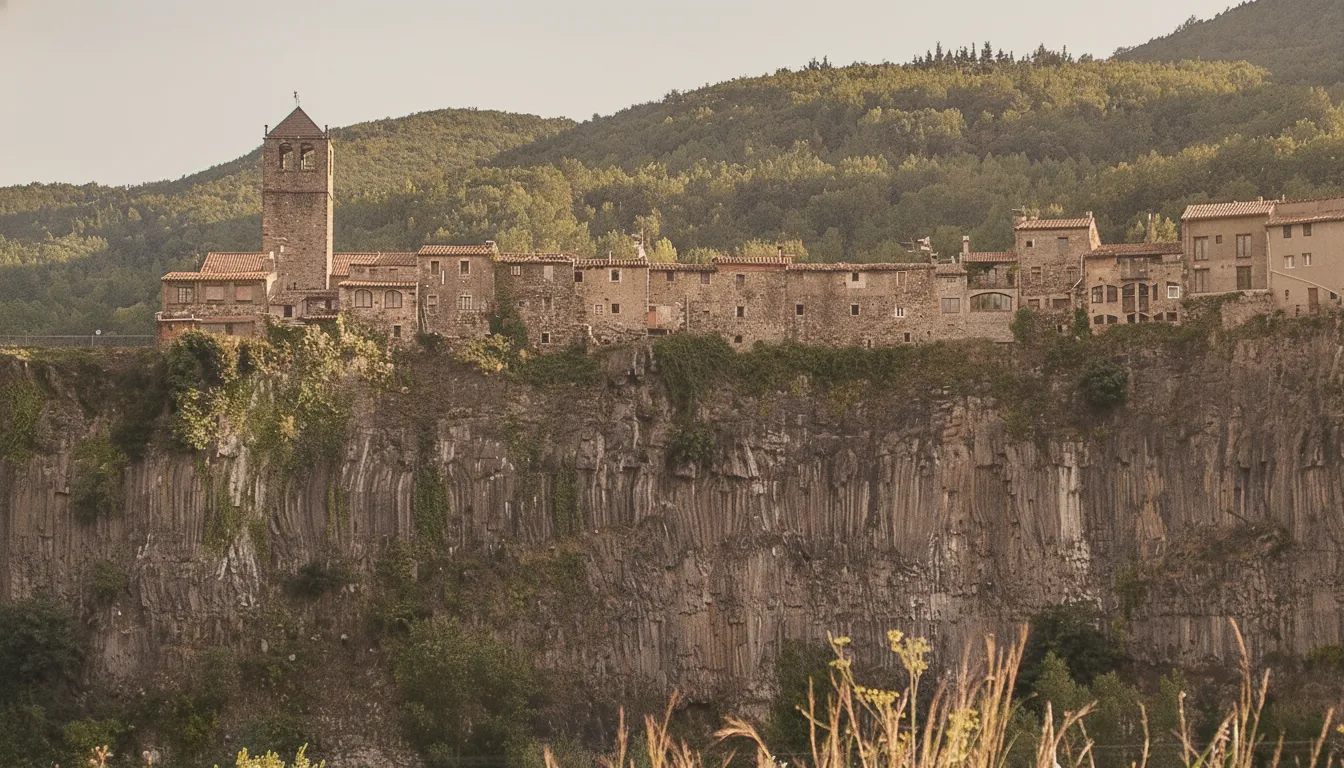
What sets Castellfollit de la Roca apart isn't just its charm; it's its sheer audacity. This isn't merely a village on a hill; it's a village *on the edge*. Perched atop a narrow, 50-meter-high basaltic crag, the village appears to defy gravity. This dramatic cliff face, stretching nearly a kilometer long, is a testament to ancient geological forces. Millennia ago, powerful lava flows from the nearby Garrotxa Volcanic Zone cooled and solidified, then were subsequently eroded by the Fluvià and Toronell rivers, carving out this incredible natural pedestal. The result is a vertical wall of hexagonal basalt columns, a geological masterpiece that serves as the very foundation for human habitation.
The magic truly happens where the man-made meets the natural. The houses, built from the very volcanic rock of the region, seem to seamlessly extend the cliff face itself. Walking through the narrow streets, you'll feel an exhilarating sense of being suspended between earth and sky. It's one of Spain's smallest municipalities, a compact labyrinth of ancient stone, where every turn offers another jaw-dropping vista. This isn't just a picturesque spot; it's an immersive experience that challenges your senses and leaves an indelible mark on your memory. It’s a place that whispers tales of perseverance, inviting you to marvel at both the power of nature and the enduring spirit of humanity.
A Glimpse into the Past: History Carved in Stone
The story of Castellfollit de la Roca is as ancient as the rocks it stands upon. While its exact origins are shrouded in time, the strategic advantage of its elevated position would not have been lost on early settlers. The village's name itself offers a clue: "Castellfollit" likely derives from "Castell Fulgit," meaning "solid castle" or "castle forged from rock," a fitting description for a settlement so inextricably linked to its geological foundation. The earliest written records of the village date back to the 11th century, indicating a long and rich history.
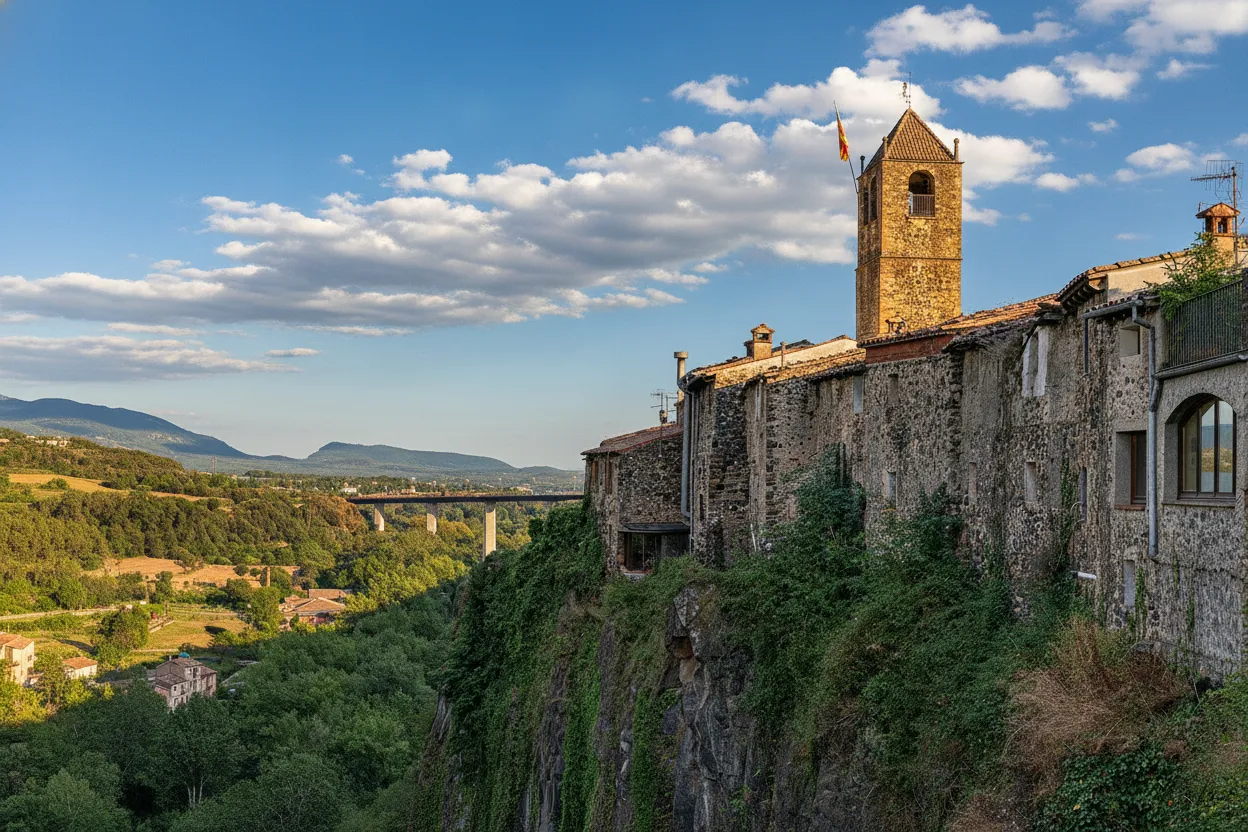
Life here has always been dictated by the unique topography. Over centuries, the inhabitants adapted, building their homes and infrastructure directly into and onto the basaltic crag. The village's most prominent historical landmark, the Church of Sant Salvador, stands proudly at the very edge of the cliff. Though the current structure dates primarily from the 12th century, with later Baroque additions, its foundations undoubtedly rest on even older sacred ground. Imagine the lives lived within these walls – generations witnessing the same spectacular sunrises and sunsets over the Garrotxa valley, enduring the elements, and finding solace in their extraordinary home.
Castellfollit de la Roca wasn't just a dwelling; it was a silent sentinel, overlooking the fertile plains below. Its history is interwoven with the broader narrative of Catalonia, reflecting periods of stability, conflict, and adaptation. Today, it stands as a living museum, a testament to medieval ingenuity and the enduring human desire to make a home, no matter how improbable the location. Exploring its nooks and crannies is like stepping back in time, feeling the echoes of lives lived precariously, yet profoundly, on this magnificent rock.
Exploring the Heights: What You'll See and Do
While small, Castellfollit de la Roca offers an abundance of sights and experiences for the curious traveler. Your journey will undoubtedly begin with the iconic panoramic view from the Mirador de Castellfollit de la Roca. This is where you'll truly grasp the village's impossible beauty, seeing its homes and the venerable Church of Sant Salvador seemingly melt into the cliff face. It’s a view that demands your camera, but more importantly, demands your quiet contemplation.
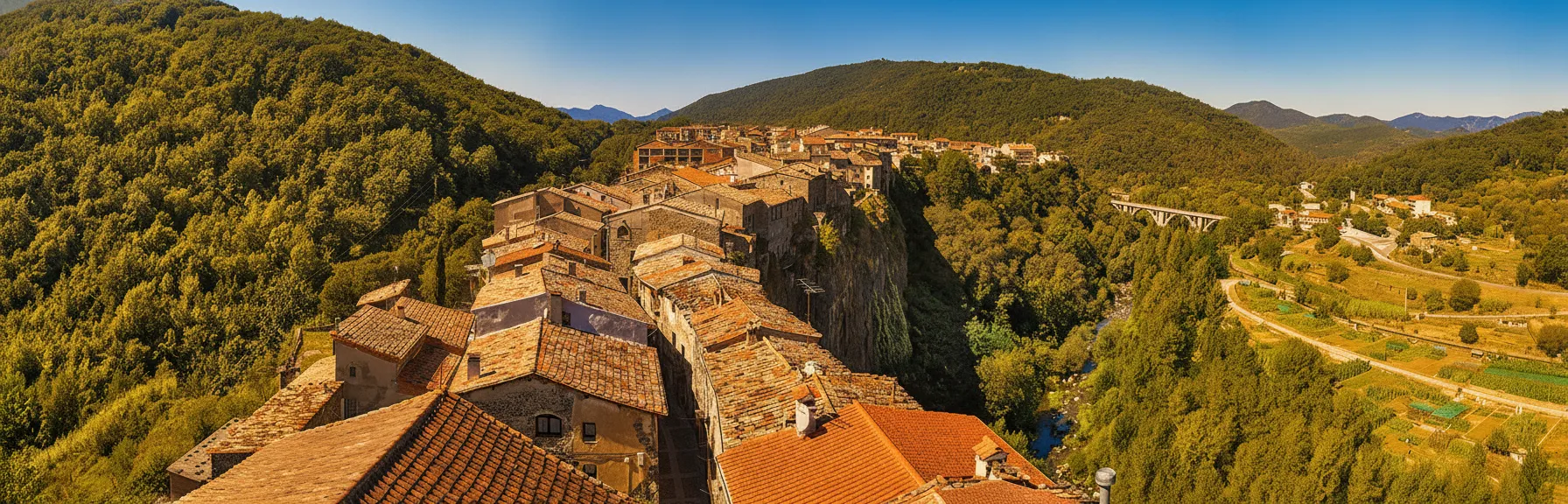
Once you've soaked in the grand vista, it's time to venture into the village itself. The historic old town, or "Barri Antic," is a maze of narrow, cobbled streets. Lose yourself in paths like Carrer de l'Església and Carrer del Pont, where traditional houses with their characteristic volcanic stone facades and vibrant flower-filled balconies create an atmosphere of timeless charm. You'll find yourself constantly pausing, not just for photos, but to simply absorb the unique ambiance.
The Church of Sant Salvador, perched at the very tip of the cliff, is an absolute must-see. Its bell tower, a prominent landmark, offers incredible views if you're lucky enough to find it open for climbing. Even from the outside, the church is a marvel, its ancient stones telling tales of centuries past. Nearby, you might discover the Basaltic Cliffs Interpretation Centre (Centro de Interpretación del Basalto), where you can delve deeper into the geological history of the crag and understand the volcanic forces that shaped this unique landscape.
Beyond the village, the surrounding Garrotxa Volcanic Zone Natural Park beckons. This region is a paradise for nature lovers, offering numerous hiking and cycling trails through ancient forests, past dormant volcanoes, and alongside scenic rivers like the Fluvià. You can combine your visit to Castellfollit de la Roca with explorations of other charming medieval villages like Besalú or Santa Pau, or even a hike to one of the nearby volcanic craters. Indulge in the local Catalan cuisine at one of the village's cozy eateries, savoring traditional dishes made with fresh, regional ingredients. Whether you spend an hour or a full day, Castellfollit de la Roca promises an unforgettable journey into a world where nature and history intertwine in the most spectacular way.
Your Journey to the Edge: Practical Visit Tips
Ready to embark on your adventure to this incredible Catalan village? Here are some practical tips to help you plan your visit:
Best Time to Visit
The shoulder seasons of **spring (April-May)** and **autumn (September-October)** are ideal. The weather is pleasantly mild, perfect for exploring, and the crowds are generally thinner than in the peak summer months. Spring brings lush greenery and wildflowers, while autumn paints the surrounding forests in stunning hues. Summer (June-August) can be hot, but still enjoyable, especially if you plan your explorations for the cooler mornings or late afternoons. Winter offers a quieter, more atmospheric experience, though some services might have reduced hours.
How to Get There
Castellfollit de la Roca is best accessed by car, which allows for maximum flexibility to explore the surrounding Garrotxa Volcanic Zone. It's located:
- Approximately 1 hour from Girona.
- About 1.5 hours from Barcelona.
- Around 20 minutes from Olot, the capital of La Garrotxa.
There are also bus services connecting Olot with Girona and Barcelona, and then local buses to Castellfollit de la Roca, though these are less frequent. Parking is available just outside the main village area, usually free or for a small fee.
Where to Stay
While Castellfollit de la Roca itself has limited accommodation options (a few charming guesthouses), you'll find a wider range in nearby towns. **Olot** is an excellent base, offering hotels, B&Bs, and restaurants. Other fantastic options include the medieval town of **Besalú** (about 20 minutes away) or the larger city of **Girona** (about an hour away), which offers more extensive choices and is a destination in itself.
What to Wear & Bring
Comfortable walking shoes are essential, as you'll be navigating cobbled streets and potentially uneven paths. Dress in layers, especially during spring and autumn, as temperatures can vary. Don't forget your camera (with extra battery!), a water bottle, and sunscreen, particularly during warmer months.
Duration of Visit
You can comfortably explore the core village of Castellfollit de la Roca in **1-2 hours**. However, to truly appreciate its charm and delve into the geological center, or to combine it with a short hike in the surrounding natural park, allow for **half a day to a full day**. It's perfect for a scenic stop on a wider tour of Catalonia.
Accessibility
Due to its ancient, narrow, and cobbled streets, the village may present challenges for those with mobility issues or strollers. The main viewpoints are generally accessible, but exploring the upper village requires navigating steps and uneven surfaces.
Castellfollit de la Roca is more than just a place to visit; it’s an experience that will challenge your perceptions and fill you with wonder. It's a testament to the extraordinary beauty and resilience found in the hidden corners of our world. So, pack your bags, embrace your adventurous spirit, and prepare to be utterly spellbound by this gravity-defying marvel in Catalonia.
Essential Travel Information
- Location Castellfollit de la Roca, Spain
- Best Time Spring (April-May) and Autumn (September-October) for mild weather and fewer crowds.
- Getting There Best by car (approx. 1hr from Girona, 1.5hrs from Barcelona). Limited bus services from Olot.
- Airport Girona-Costa Brava Airport (GRO)
- Budget Budget/Mid-range (approx. €50-€100 per day, excluding accommodation if staying nearby)
- Language Catalan, Spanish
Find Places to Stay Near Castellfollit de la Roca
Compare hotels, hostels, and unique stays in Spain.
Search AccommodationTours & Experiences Near Castellfollit de la Roca
Book guided tours, day trips, and unique experiences.
Browse Tours