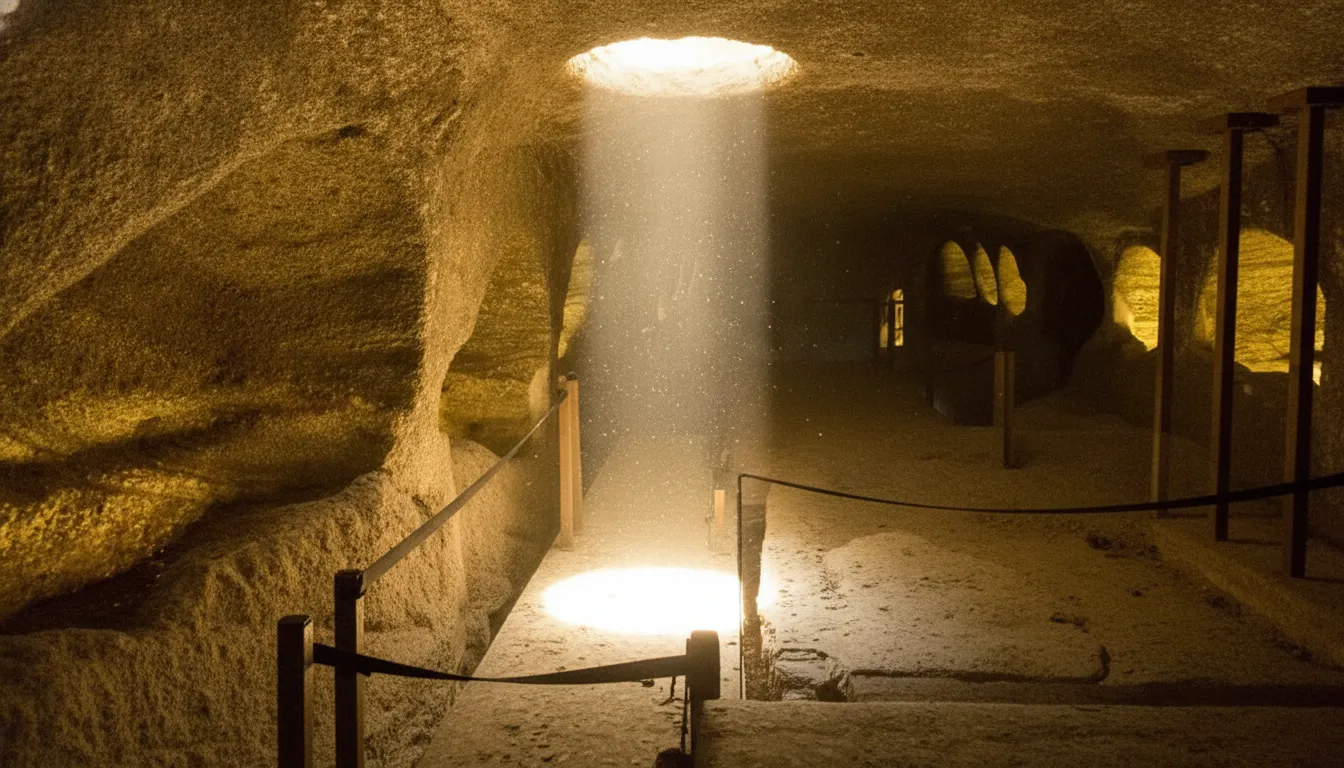
Imagine this: you've spent your days basking in the Aegean sun, swimming in turquoise waters, and savoring fresh seafood on a picturesque Greek island. But beneath this idyllic facade, a secret world awaits, a labyrinth carved into the earth thousands of years ago, holding stories of faith, persecution, and resilience. Welcome to the Catacombs of Milos, a hidden gem that promises to be one of the most profound and awe-inspiring discoveries of your travels.
Forget everything you thought you knew about ancient Christian sites. While Rome's catacombs often steal the spotlight, Milos holds a secret that predates them, offering an unparalleled glimpse into the very dawn of Christianity. This isn't just another archaeological site; it's a journey back in time, a silent testament to the unwavering spirit of early believers who found solace and sanctuary beneath the tranquil surface of this Cycladic paradise.
What Makes the Catacombs of Milos an Unforgettable Journey?
The Catacombs of Milos are not merely old; they are ancient in the most significant sense, dating back to the 1st to 5th centuries AD. This makes them one of the oldest and most important early Christian burial sites in the entire world, predating even the famed Roman catacombs. Picture that: a sprawling underground network, meticulously hand-carved into the soft volcanic rock, stretching for hundreds of meters beneath the unassuming village of Tripiti.
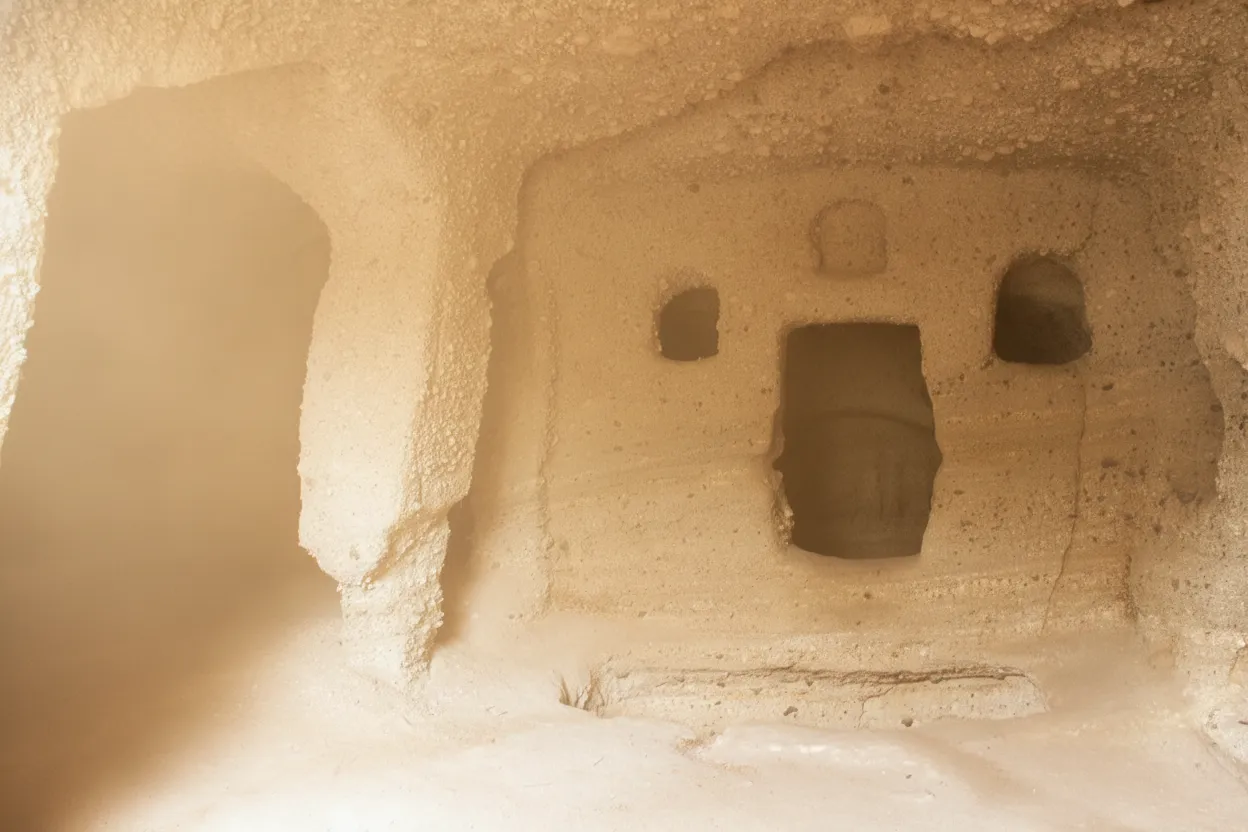
What truly sets them apart is their scale and significance. Within this subterranean maze, over 2,000 early Christians found their final resting places. Each niche, each arcosolium (an arch-shaped tomb), whispers tales of a community living under the shadow of persecution, practicing their faith in secrecy, and burying their dead with dignity and hope. It’s an intimate, almost spiritual experience, far removed from the grand basilicas and monumental churches that would come centuries later. Here, you connect directly with the raw, foundational moments of a global religion, seeing where it literally took root underground.
The feeling of stepping into these catacombs is unlike any other. The cool, quiet air, the subtle scent of damp earth, and the ancient stone walls transport you to a different era. You're not just observing history; you're immersed in it, walking the same paths, feeling the same hushed reverence that early Christians must have felt. It's a powerful, humbling experience that truly makes you pause and reflect on the enduring human spirit.
Echoes of Early Christianity: A Glimpse into the Past
To truly appreciate the Catacombs of Milos, it helps to understand the tumultuous era in which they were created. In the 1st to 5th centuries AD, Christianity was a nascent faith, often misunderstood and brutally persecuted by the Roman Empire. Christians were seen as a threat to traditional Roman gods and imperial authority, leading to widespread arrests, torture, and executions.
It was during these dark times that communities like the one on Milos sought refuge and privacy. The catacombs served multiple purposes: primarily as burial grounds, but also likely as secret meeting places for worship, instruction, and community gatherings. The soft, easily workable volcanic tuff of Milos made it ideal for carving these extensive networks, allowing the community to create a hidden world beneath the surface, safe from prying eyes and hostile authorities.
The Catacombs of Milos were accidentally discovered in 1840 by a farmer, and systematic excavations began shortly after. What they unearthed was a sprawling complex of three large chambers, connected by long, narrow corridors, with smaller rooms branching off. The sheer dedication and effort required to carve such an extensive necropolis by hand is astonishing, a testament to the profound faith and communal strength of these early Christians.
Historians and archaeologists continue to study the site, piecing together the lives of those buried within. Inscriptions, symbols, and the very layout of the tombs offer clues about their beliefs, social structures, and daily lives. It's a continuous archaeological detective story, and you get to walk right through its pages.
What You'll See and Experience on Your Visit
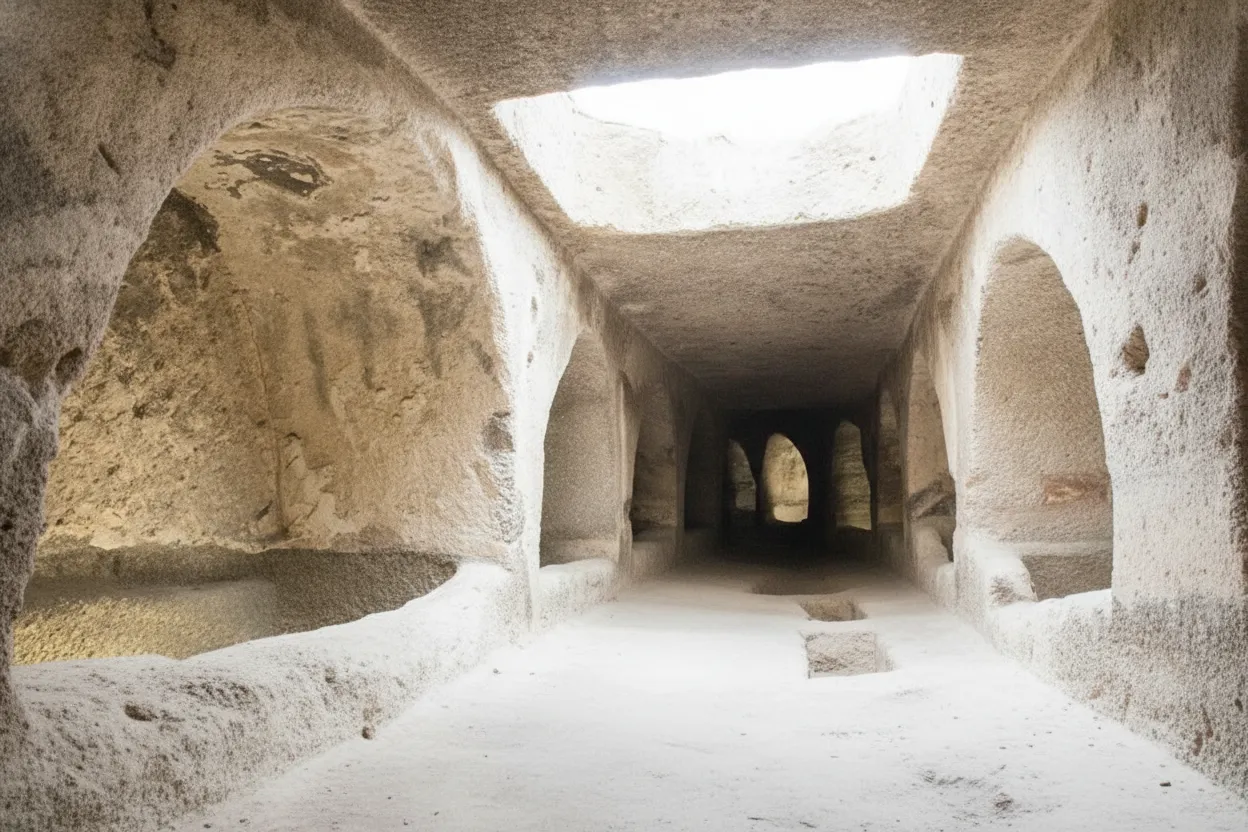
As you descend into the Catacombs, guided by the soft glow of interior lighting, the atmosphere immediately shifts. The air becomes cooler, quieter, and a profound sense of solemnity settles upon you. The main passageways are surprisingly spacious in parts, while others narrow, creating a sense of intimate discovery.
You'll walk through corridors lined with thousands of burial niches, known as loculi, carved directly into the rock walls. These were sealed with slabs of stone or marble, often bearing simple inscriptions or Christian symbols like the fish (ichthys), the anchor, or the dove. You'll also see arcosolia, more elaborate, arch-shaped tombs carved into the walls, often used for families or prominent members of the community.
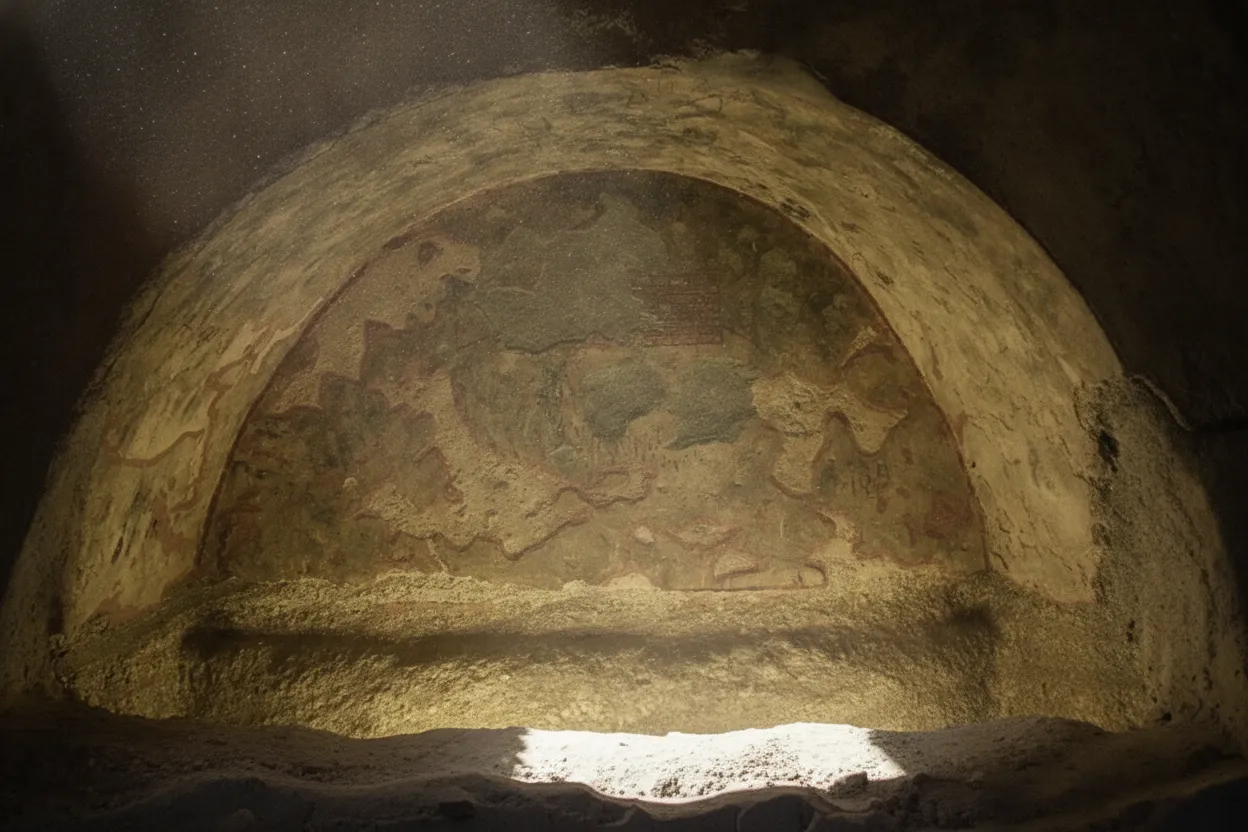
Keep an eye out for the occasional lamp niche, where oil lamps would have once cast flickering shadows, illuminating the sacred space for mourners and worshippers. Though sparse, some areas might still reveal faint traces of plaster or even remnants of simple frescoes, offering a rare glimpse into the decorative practices of the era. One notable chamber is often referred to as the "Martyrs' Chamber," believed to have been a significant site for the early community.
Your visit will likely be part of a guided tour, which is invaluable. The knowledgeable guides bring the silent stones to life, explaining the history, the burial customs, the Christian symbolism, and the daily struggles of the people who created and used these catacombs. Without a guide, you might simply see ancient holes in the wall; with one, you'll hear the whispers of two millennia.
It's an incredibly powerful experience to stand in these ancient chambers, imagining the hushed ceremonies, the secret prayers, and the unwavering faith that permeated these very walls. It’s a testament to human spirit and devotion, a journey that transcends mere sightseeing and touches something deeper within.
Practical Tips for Your Visit to the Catacombs of Milos
Ready to explore this incredible piece of history? Here are some friendly tips to make your visit smooth and memorable:
- Location: The Catacombs are located just outside the picturesque village of Tripiti, on the road leading to Klima. It’s easily accessible by local bus or taxi from Adamas, the port town of Milos.
- Best Time to Visit: Milos is beautiful year-round, but spring (April-May) and autumn (September-October) offer pleasant weather for exploring, avoiding the intense summer heat and crowds. The catacombs themselves maintain a cool, consistent temperature regardless of the season.
- What to Wear: Wear comfortable walking shoes, as there are steps and uneven surfaces within the catacombs. Even on a hot day, bring a light jacket or sweater; the underground temperature is consistently cool.
- Guided Tours: Visits are typically guided and often mandatory for safety and preservation. Check the official opening hours and tour schedules in advance, especially during off-peak seasons. The insights provided by the guides are truly essential for understanding the site's significance.
- Photography: Check current photography rules. Flash photography is usually prohibited to protect the delicate surfaces, and sometimes photography may be restricted altogether in certain areas.
- Combine Your Visit: The Catacombs are conveniently located near other significant Milos attractions. Just a short walk away, you'll find the ancient Roman Amphitheater, offering stunning views, and the charming fishing village of Klima with its colorful "sirmata" (boat houses). Make a day of it and immerse yourself in Milos's rich history.
- Respect the Site: Remember that this is a sacred burial site. Maintain a respectful demeanor, speak in hushed tones, and follow all instructions from your guide.
The Catacombs of Milos are more than just an archaeological marvel; they are a profound journey into the origins of a faith, a testament to human endurance, and a truly unique experience that will stay with you long after you've resurfaced into the bright Greek sunshine. So, when you plan your next Greek island adventure, make sure to delve beneath the surface of Milos – you won't regret discovering this extraordinary hidden world.
Essential Travel Information
- Location Catacombs of Milos, Greece
- Best Time April-May (spring) or September-October (autumn)
- Getting There Fly to Milos Island National Airport (MLO) from Athens, or take a ferry from Piraeus (Athens). From Adamas port/airport, take a bus or taxi to Tripiti village. The catacombs are a short walk from Tripiti.
- Airport Milos Island National Airport (MLO)
- Budget Mid-range (approx. €80-150 per person per day, excluding flights)
- Language Greek
Find Places to Stay Near Catacombs of Milos
Compare hotels, hostels, and unique stays in Greece.
Search AccommodationTours & Experiences Near Catacombs of Milos
Book guided tours, day trips, and unique experiences.
Browse Tours