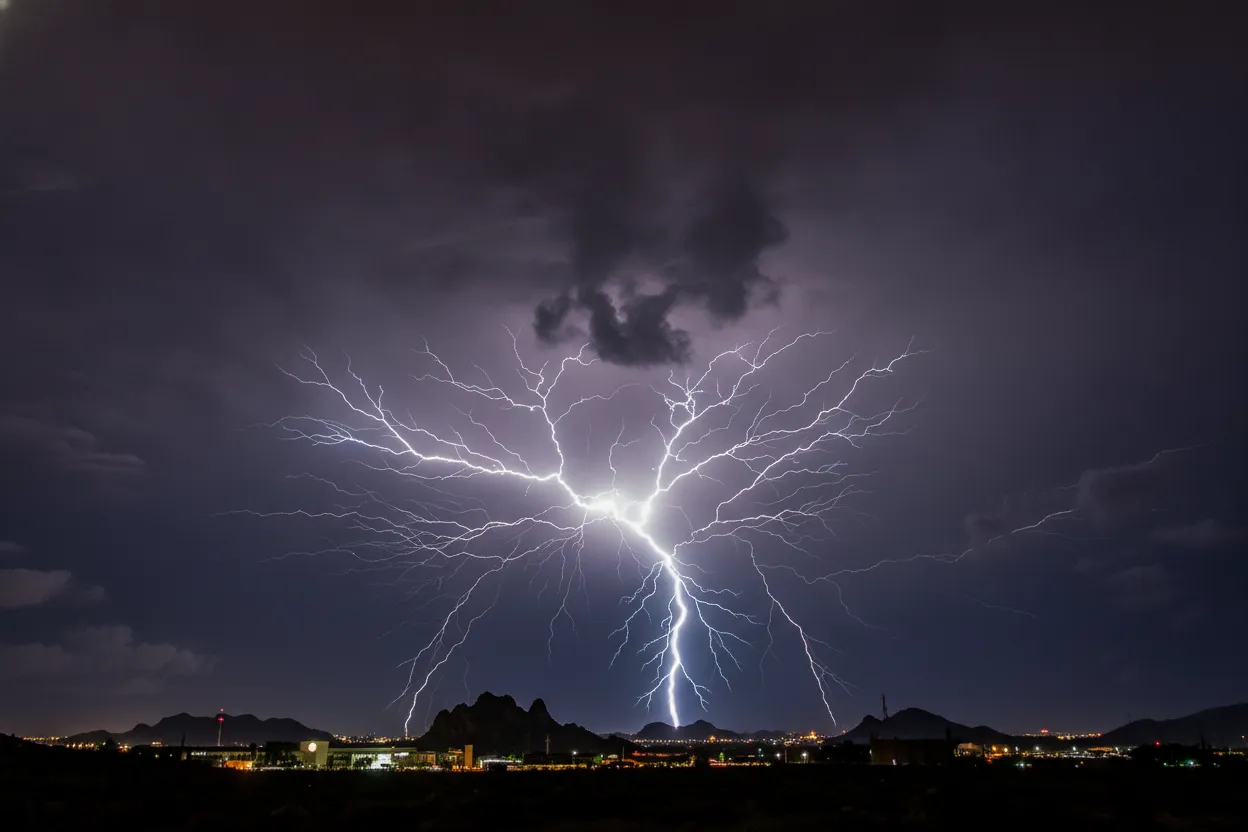
Imagine a place where the sky isn't just a canvas for stars, but a stage for an nightly, relentless ballet of light. A place where lightning doesn't just crackle and fade, but dances continuously, silently, for hours on end, painting the horizon with an otherworldly glow. This isn't a fantasy; it's the Catatumbo Lightning, a natural phenomenon so unique, so powerful, it feels like peering into the very heart of a storm goddess. Tucked away in the remote corners of Venezuela, where the Catatumbo River spills into Lake Maracaibo, lies a hidden gem that promises an experience you'll never forget – the world's most persistent and powerful lightning storm.
For centuries, this atmospheric anomaly has captivated sailors, indigenous tribes, and now, a select few adventurous travelers. Up to 280 flashes per minute illuminate the night, not just for a fleeting moment, but for up to 10 hours, some 160 nights a year. From a distance, this 'eternal storm' often lights up the sky without a whisper of thunder, creating a mesmerizing, silent light show that generates more tropospheric ozone than any other single source on Earth. If you've ever dreamt of witnessing nature's raw power in its most spectacular form, prepare to be utterly spellbound.
The Eternal Storm: A Natural Wonder Unlike Any Other
What makes the Catatumbo Lightning so utterly unique? It's a perfect storm of geographical and meteorological conditions, a symphony of nature's elements conspiring to create a perpetual spectacle. Picture this: the Catatumbo River, flowing from Colombia, empties into Lake Maracaibo, South America's largest lake. This vast, warm body of water is cradled by the towering peaks of the Andes Mountains on three sides, forming a natural basin that traps heat and moisture.
As evening descends, the warm, moist air from the lake and surrounding wetlands rises, creating powerful updrafts. When this humid air collides with the cooler air descending from the Andean peaks, it triggers an explosive atmospheric reaction. The result? Unfathomable quantities of electrical charge build up, culminating in an almost continuous barrage of lightning. Scientists have also hypothesized that methane gas from the surrounding swamps, being highly conductive, might play a role in intensifying the electrical discharges, though this remains a subject of ongoing study.
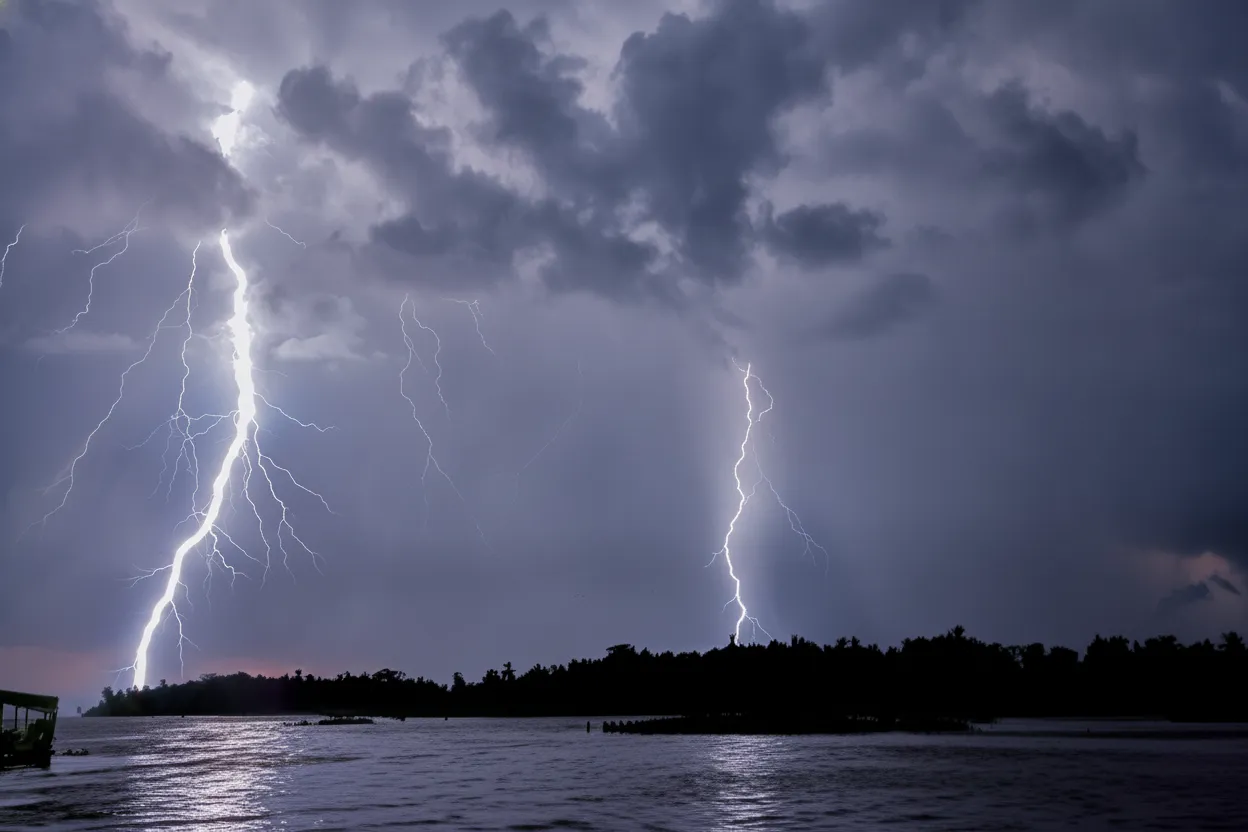
The sheer scale and consistency are what truly set Catatumbo apart. Imagine standing on the shores, or even better, on a boat in the middle of the lake, watching the distant horizon erupt with silent, continuous flashes. It's not just a few bolts; it’s an entire section of the sky flickering like a colossal strobe light, illuminating the clouds from within, revealing their intricate, ever-changing forms. This isn't just a storm; it's an ecosystem of electricity, a living, breathing light show that defies expectations and redefines what we think we know about weather phenomena.
Whispers of the Past: History and Cultural Significance
Long before modern meteorologists sought to explain its origins, the Catatumbo Lightning held profound significance for the indigenous communities of the region. For the Wari and other local tribes, it was a sacred phenomenon, a divine beacon, or even the "river of fire" from the heavens. Legends speak of it as the 'eternal lamp' that guided their ancestors and illuminated their spiritual path.
Beyond local folklore, the Catatumbo Lightning has made its mark in recorded history. It served as a natural lighthouse, guiding mariners across the dark waters of Lake Maracaibo. Sir Francis Drake, the infamous English privateer, reportedly used the "Maracaibo Lighthouse" to navigate during his siege of Maracaibo in 1595. Later, the renowned naturalist Alexander von Humboldt documented the phenomenon in his travels in the early 19th century, marveling at its persistence and power.
During Venezuela's War of Independence, the lightning even played a tactical role. In 1823, it's said to have illuminated the Spanish fleet, allowing Simon Bolivar's forces to launch a surprise attack during the Battle of Lake Maracaibo. This natural wonder isn't just a spectacle; it's woven into the very fabric of Venezuelan history and culture, a silent witness to centuries of human endeavor and a constant reminder of nature's awe-inspiring power.
A Night to Remember: What You'll Witness
So, what's it actually like to witness the Catatumbo Lightning firsthand? The journey itself is part of the adventure. Typically, you'll travel by boat from a remote village like Ologá, venturing deep into the tranquil, mangrove-lined waterways that lead to the observation area. As dusk settles, the air becomes thick with anticipation. The sounds of the jungle fade, replaced by the gentle lapping of water against the hull and the distant hum of insects.
Then, it begins. First, a faint flicker on the horizon, barely noticeable against the fading daylight. Then another, and another, growing in intensity and frequency as the sky darkens. Soon, the entire arc of the distant sky is alive with light. You'll see silent, continuous flashes, sometimes single bolts, often entire sections of cloud illuminated from within, like giant, ethereal jellyfish pulsing with light. The colors range from brilliant white to soft violet, painting the low-hanging clouds with an ever-changing palette.
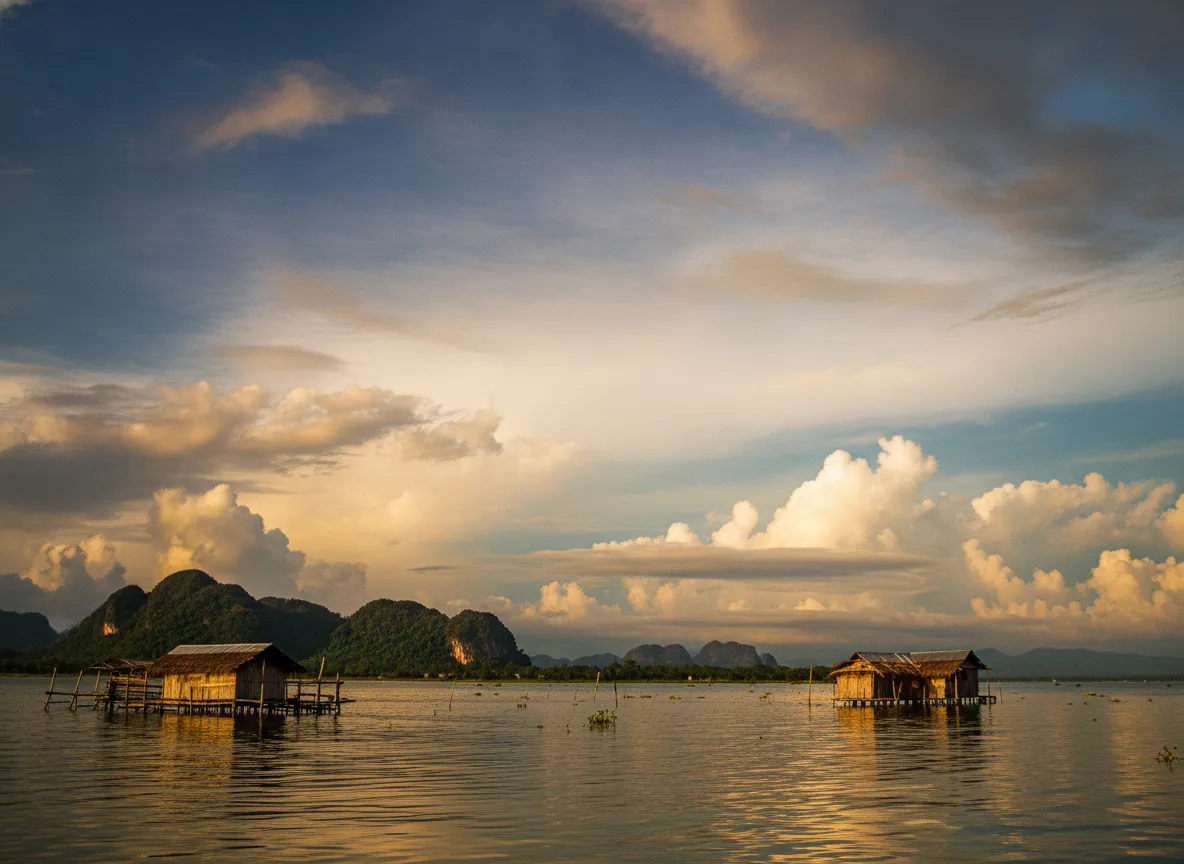
From the observation points – often rustic stilt houses or platforms on the lake – the experience is profoundly meditative. Without the accompanying roar of thunder (which usually dissipates over the distance), the lightning becomes a purely visual phenomenon. It's a humbling reminder of the immense forces at play on our planet, a raw and untamed display that leaves you feeling small yet incredibly connected to the natural world. You might even catch glimpses of the diverse wildlife that calls this region home, from various bird species to caimans, adding another layer to this incredible nocturnal expedition.
Planning Your Expedition: Practical Tips for Visiting Catatumbo
Visiting the Catatumbo Lightning isn't your average tourist trip; it's an expedition into a truly wild and remote part of the world. But with careful planning, it promises an unparalleled adventure.
When to Go:
The lightning is most active and visible during the rainy season, specifically from **April to November**. The peak months, offering the highest frequency of flashes, are generally **September and October**. However, it can be seen year-round, just with less intensity during the drier months.
Getting There:
The most common starting point is the city of **Mérida**, nestled in the Venezuelan Andes. From there, you'll typically take ground transport to a small port town, often **Puerto Concha** or **Ologá**, on the southern end of Lake Maracaibo. The final leg involves a boat trip across the lake and into the Catatumbo wetlands to reach the observation areas, which are usually rustic guesthouses or camps built on stilts.
Choosing a Tour Operator:
This is crucial. Due to the remote nature of the area and the current situation in Venezuela, traveling with a **reputable and experienced local tour operator** is not just recommended, but essential. They will handle all logistics, from transport and accommodation to guides and safety. Look for operators with strong local ties and a proven track record.
What to Bring:
- **Insect Repellent:** The wetlands are home to mosquitoes and other biting insects. Bring plenty!
- **Rain Gear:** Even if it's not raining directly on you, you're in a storm zone. A lightweight rain jacket is a good idea.
- **Camera with Tripod:** Capturing the lightning requires patience and stable equipment.
- **Warm Layers:** Nights on the water can get surprisingly cool, despite the humidity.
- **Binoculars:** Enhance your viewing experience of the distant flashes.
- **Headlamp/Flashlight:** For navigating around the camps at night.
- **Water Bottle:** Stay hydrated.
- **Small Backpack:** For day trips.
Accommodation:
Don't expect luxury. Accommodation typically consists of basic, rustic cabins or hammocks in open-air structures on stilts, offering an authentic, immersive experience. These camps provide a front-row seat to the nightly spectacle, often with communal meals and basic facilities. It’s all part of the adventure!
Safety and Respect:
Always follow your guide's instructions. Be respectful of the local communities and the fragile ecosystem. This is a wild environment; leave no trace and appreciate the privilege of witnessing such a marvel.
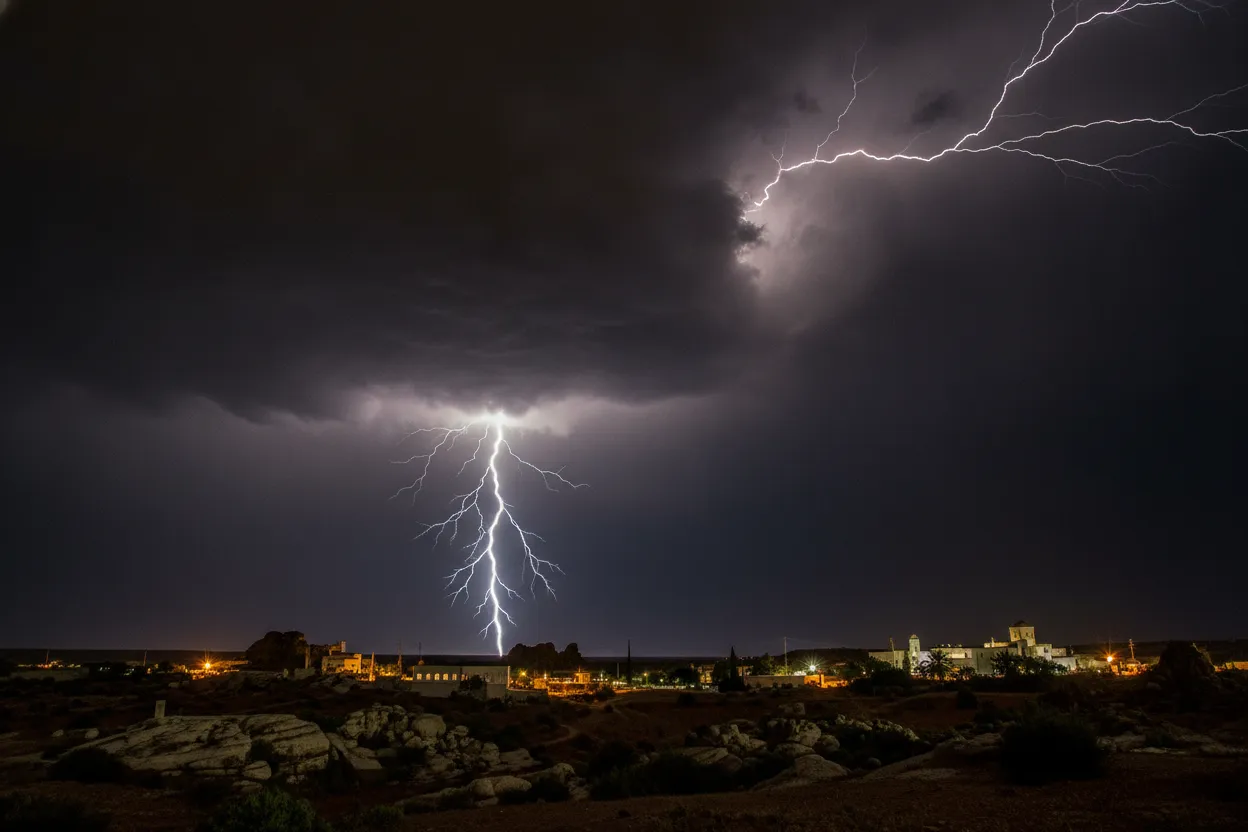
The Catatumbo Lightning is more than just a weather phenomenon; it's a profound encounter with the untamed beauty of our planet. It’s a journey for those who crave genuine adventure, who seek to witness the extraordinary, and who are ready to be humbled by the sheer power and artistry of nature. If you're looking for a travel experience that will leave an indelible mark on your soul, staring into the heart of the eternal storm might just be the ultimate quest.
Essential Travel Information
- Location Catatumbo Lightning (Observation Area, Lake Maracaibo), Venezuela
- Best Time April to November (peak September-October)
- Getting There Fly to Maracaibo (MAR), then ground transport to Puerto Concha/Ologá, followed by boat to observation camps.
- Airport La Chinita International Airport (MAR)
- Budget Mid-range (approx. $150-$300 per day for guided tours)
- Language Spanish
Find Places to Stay Near Catatumbo Lightning (Observation Area, Lake Maracaibo)
Compare hotels, hostels, and unique stays in Venezuela.
Search AccommodationTours & Experiences Near Catatumbo Lightning (Observation Area, Lake Maracaibo)
Book guided tours, day trips, and unique experiences.
Browse Tours