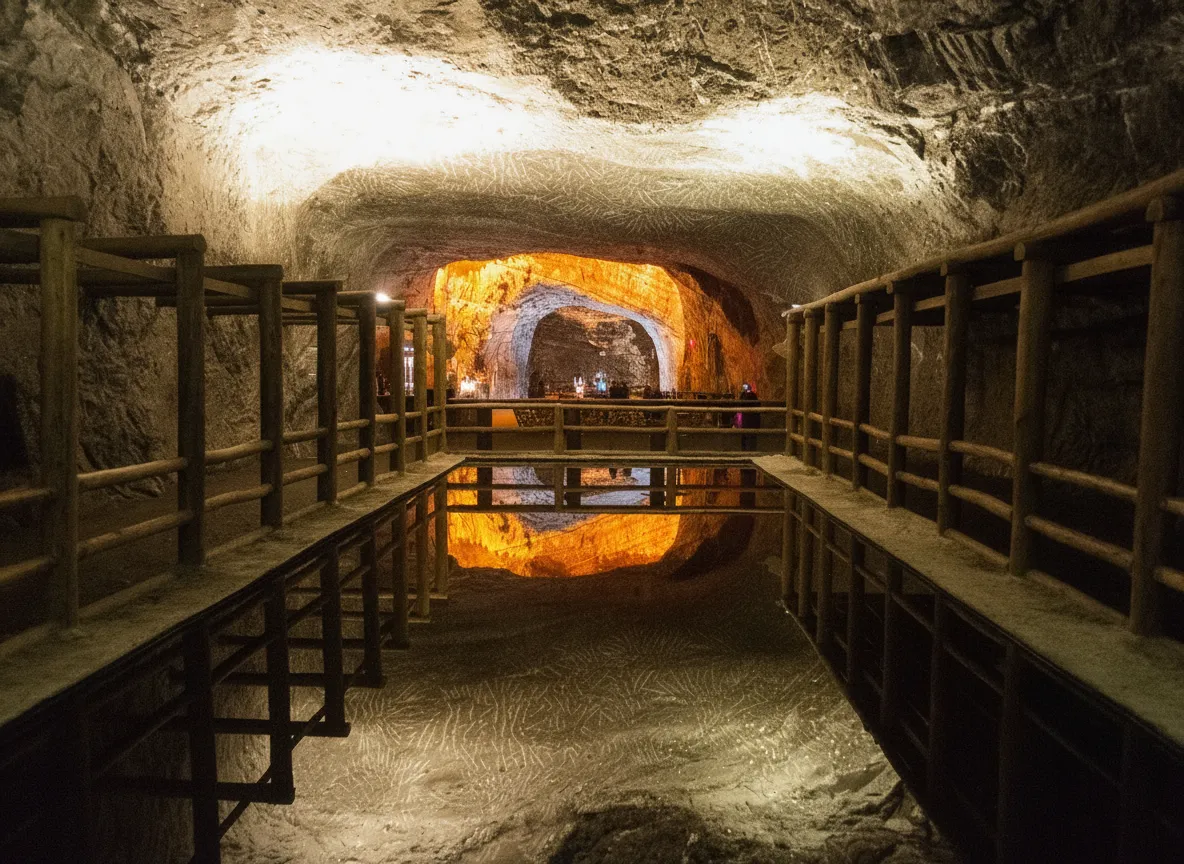
Imagine descending 600 feet underground into a colossal, active cathedral carved entirely out of a former salt mine, where everything from the soaring vaults to the Stations of the Cross glows with a surreal, translucent white. This isn't a scene from a fantasy novel; it's the breathtaking reality of the **Catedral de Sal de Zipaquirá** (Salt Cathedral of Zipaquirá) in Colombia. Tucked away in the heart of the Cundinamarca Department, just a short journey from Bogotá, this architectural marvel is more than just a church; it’s a profound testament to human ingenuity, faith, and the raw beauty of the Earth itself. If you're seeking an experience that will challenge your perceptions of sacred spaces and leave you utterly awestruck, then prepare to uncover one of Colombia's most extraordinary hidden gems.
What Makes the Salt Cathedral So Special?
From the moment you step into its vast, cool chambers, you'll understand why the Salt Cathedral of Zipaquirá is unlike any other place of worship on Earth. This isn't just a museum or an abandoned mine repurposed for tourism; it is a fully functional Roman Catholic church, consecrated and active, hosting services every Sunday. But instead of stained glass and painted frescoes, its walls, altars, and colossal sculptures are all meticulously carved from halite rock – pure, crystalline salt. The air itself carries a faint, mineral tang, and the subtle interplay of light on the translucent surfaces creates an ethereal glow that shifts from pearly white to soft amber, depending on the chamber.
It’s a place where geological wonder meets spiritual devotion, where the immense scale of the underground cavern is matched only by the grandeur of the human spirit that shaped it. As you wander through its dimly lit tunnels, adorned with intricate salt carvings, you'll feel a sense of profound, subterranean wonder. It’s a space that encourages introspection, a quiet reverence, and an appreciation for the extraordinary marriage of nature and human endeavor. This isn't just a visit; it's a pilgrimage into the heart of the Earth and the soul of a nation.

A Journey Through Time: History of the Salt Cathedral
The story of the Salt Cathedral is deeply intertwined with the history of salt mining in the Zipaquirá region, which dates back centuries, even before the arrival of the Spanish. The indigenous Muisca people revered salt as a sacred commodity, often trading it for gold and other precious goods. Fast forward to the 20th century, and the salt mines here became a critical economic engine for Colombia.
The genesis of the cathedral itself lies in the deep faith of the miners. Working deep within the earth, in dangerous and often claustrophobic conditions, they began carving small shrines and altars into the salt walls, seeking divine protection and solace. These humble beginnings eventually led to the construction of the "Old Cathedral" in 1954, a larger sanctuary carved directly into the active mine. However, due to structural issues and safety concerns, it was eventually closed in 1990.
Not to be deterred, the vision for an even grander subterranean basilica was born. Between 1991 and 1995, a team of engineers, architects, and sculptors embarked on the monumental task of creating the "New Cathedral" – the magnificent structure we see today. It was designed to be safer, larger, and even more awe-inspiring, incorporating modern engineering techniques while preserving the spiritual essence of its predecessor. The result is a triumph of engineering and art, a symbol of Colombian resilience and devotion, carved literally from the ground up – or rather, down.
What Awaits You 600 Feet Below: Exploring the Salt Cathedral
Your journey into the Salt Cathedral begins as you descend a series of tunnels, leaving the sunlit world behind. The air grows cooler, and the faint scent of minerals becomes more pronounced. The initial descent leads you into the first major section: the **Stations of the Cross**. Unlike traditional depictions, here each station is a unique, abstract sculpture carved directly into the salt walls, illuminated by dramatic lighting that enhances their ethereal quality. You'll move through 14 small chapels, each representing a station, feeling the weight of history and devotion in the very air.
Beyond the Stations of the Cross, the tunnels open into three immense naves, each representing a stage in the life of Christ: the **Nave del Nacimiento** (Nave of Birth), the **Nave de la Vida** (Nave of Life), and the **Nave de la Resurrección** (Nave of Resurrection). These colossal chambers are where the true scale of the cathedral becomes apparent. The ceilings soar hundreds of feet above, supported by massive salt columns, creating an almost overwhelming sense of space and grandeur. In the Nave de la Vida, you'll find an enormous cross, carved from salt, glowing with an inner light.
The culmination of your visit is the main altar, located in the central nave. Here, a truly colossal cross, standing over 50 feet tall, dominates the space, carved with incredible precision from a single block of halite. The altar itself, the pews, and even the statues of angels are all made of salt, creating a unified, otherworldly aesthetic. The lighting throughout the main chambers is carefully designed, using LED technology to highlight the natural beauty of the salt, casting a warm, inviting glow that makes the space feel both grand and intimate.

Beyond the religious elements, the cathedral complex also offers a cultural and recreational area. You can find souvenir shops selling salt carvings and local crafts, a coffee shop to warm up, and even a 3D movie theater explaining the history and geology of the mine. There's also a climbing wall and a geological museum, making it a multifaceted destination for all types of travelers.
Planning Your Subterranean Adventure: Practical Tips
Ready to embark on this incredible journey? Here’s what you need to know to make your visit to the Salt Cathedral of Zipaquirá seamless and memorable:
Getting There from Bogotá
Zipaquirá is easily accessible from Bogotá, making it a perfect day trip.
- **Bus:** The most common and economical option. Head to the Portal del Norte TransMilenio station in Bogotá. From there, you'll find frequent inter-municipal buses to Zipaquirá. The ride takes about 1-1.5 hours, depending on traffic. Once in Zipaquirá, the cathedral entrance is a short walk or taxi ride from the bus terminal.
- **Train:** For a more scenic (and unique) experience, consider the Turistren (Tourist Train) which runs on weekends and holidays from Bogotá's Usaquén neighborhood directly to Zipaquirá. It's a charming journey, though less frequent and more expensive than the bus.
- **Car/Taxi/Private Tour:** You can hire a private car, taxi, or join an organized tour from Bogotá. This offers convenience and often includes other stops like the town of Zipaquirá or the Nemocón Salt Mine.
Tickets and Tours
It's highly recommended to book your tickets in advance, especially during peak season or weekends. You can purchase them online through the official Salt Cathedral website. While you can explore independently, a guided tour (available in Spanish and English) is invaluable for understanding the history, geology, and spiritual significance of the site. The guides are incredibly knowledgeable and bring the entire experience to life.
What to Wear
Remember, you'll be descending 600 feet underground! The temperature inside the cathedral hovers around 14-17°C (57-63°F), so even on a hot day, it can feel quite cool. Dress in layers, and definitely wear comfortable walking shoes, as you'll be on your feet for a few hours traversing uneven surfaces.

Accessibility
While there are some ramps and elevators, visitors should be prepared for a fair amount of walking and some stairs. If you have mobility concerns, it's best to check with the cathedral directly regarding specific accessibility options.
Best Time to Visit
To avoid the largest crowds, try to visit on a weekday. Weekends and public holidays can be very busy, especially with local tourists. Mornings are generally less crowded than afternoons. The climate in Zipaquirá is relatively consistent year-round, so weather isn't a major factor for your underground visit.
Explore Zipaquirá Town
Don't just rush back to Bogotá! The town of Zipaquirá itself is charming and worth exploring. Its colonial architecture, central plaza, and local eateries offer a lovely complement to your subterranean adventure. Try some local Colombian cuisine at one of the many restaurants around the main square.
The Catedral de Sal de Zipaquirá is more than just a destination; it's an experience that transcends the ordinary. It's a reminder of the power of faith, the brilliance of human engineering, and the astonishing wonders hidden beneath our feet. So, pack your sense of adventure, prepare to be amazed, and descend into a world carved from salt, light, and devotion. You won't just see a cathedral; you'll feel its profound, echoing heart.
Essential Travel Information
- Location Catedral de Sal de Zipaquirá (Salt Cathedral of Zipaquirá), Colombia
- Best Time Weekdays, especially mornings, to avoid crowds. Year-round stable temperatures underground.
- Getting There From Bogotá: Take a bus from Portal del Norte TransMilenio station to Zipaquirá (1-1.5 hrs) or the Turistren on weekends. Taxis/private tours also available.
- Airport El Dorado International Airport (BOG)
- Budget Mid-range (approx. $50-100 USD daily including transport, entry, food)
- Language Spanish
Find Places to Stay Near Catedral de Sal de Zipaquirá (Salt Cathedral of Zipaquirá)
Compare hotels, hostels, and unique stays in Colombia.
Search AccommodationTours & Experiences Near Catedral de Sal de Zipaquirá (Salt Cathedral of Zipaquirá)
Book guided tours, day trips, and unique experiences.
Browse Tours