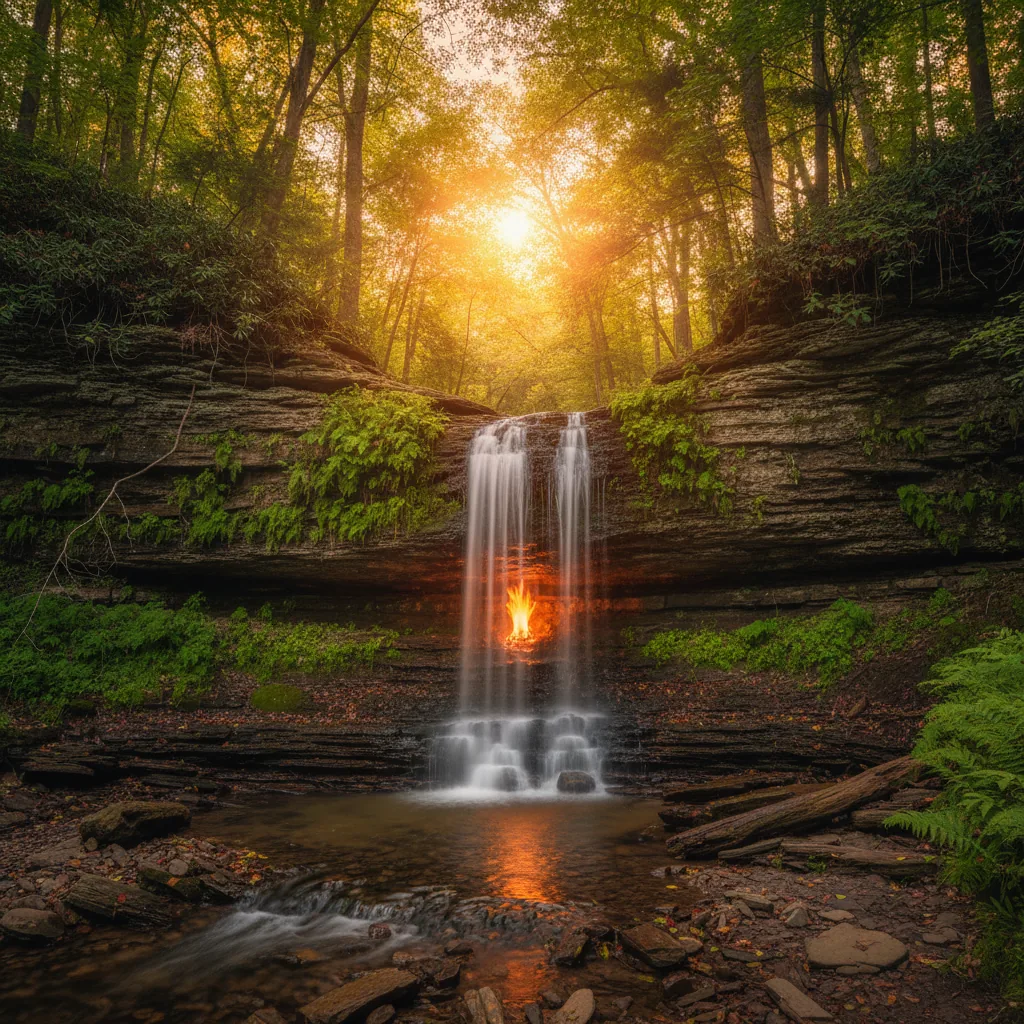
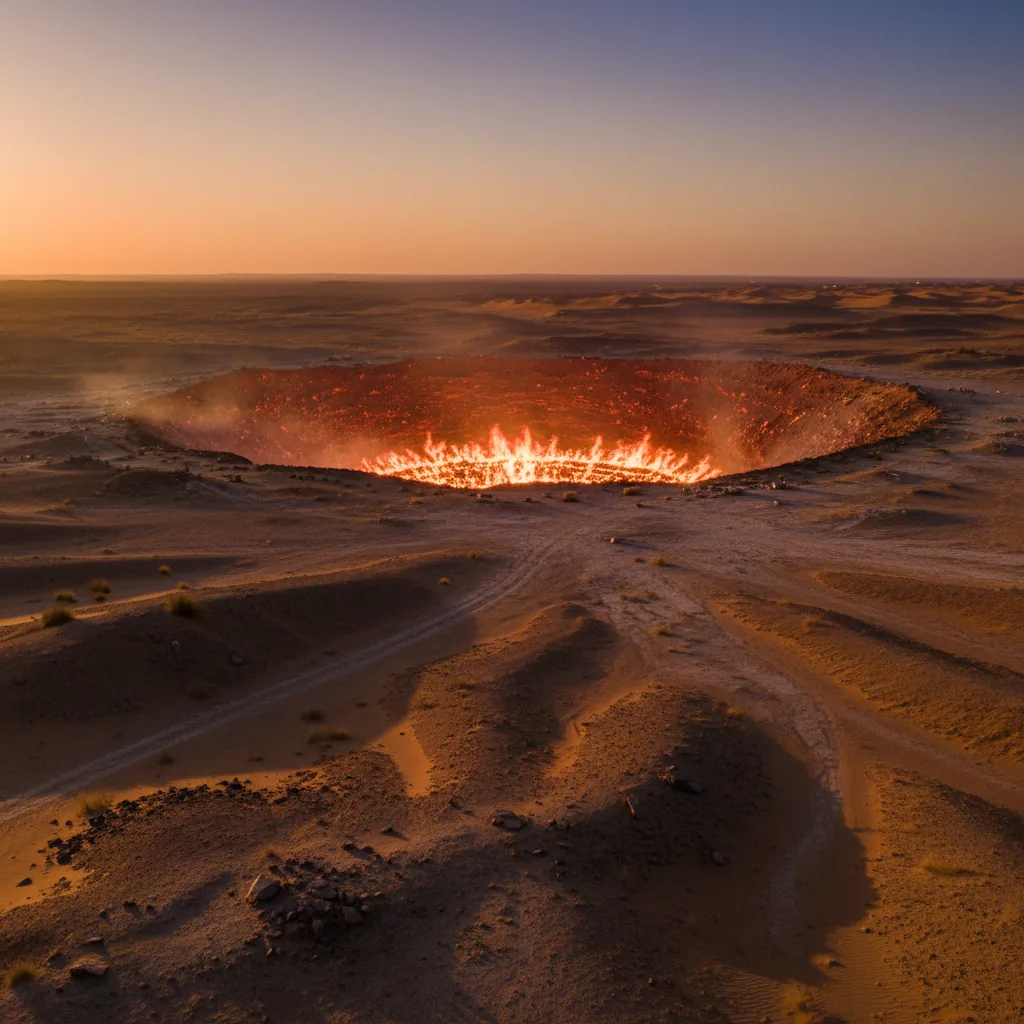
Imagine a town where the very ground beneath your feet is not solid earth, but a thin crust over a raging inferno. A place where plumes of sulfurous smoke perpetually rise from fissures in the asphalt, where roads crack and buckle as if in a constant seismic tremor, and where the air carries the acrid scent of a subterranean fire that has burned for over six decades. This isn't a scene from a post-apocalyptic movie, but the chilling reality of Centralia, Pennsylvania – a ghost town unlike any other, a truly hidden destination where the earth itself is alive, breathing out a fiery testament to nature's relentless power.
The Ground is Alive: What Makes Centralia Unforgettable?
Centralia isn't just an abandoned town; it's a living, breathing geological marvel, shaped by an unstoppable underground coal fire. What started as a seemingly routine landfill fire in 1962 quickly ignited vast, interconnected coal seams beneath the borough, creating an inferno that has raged ever since. This isn't just a historical curiosity; it's a dynamic, evolving landscape where the consequences of that initial spark are still visibly unfolding. The ground is literally warmer in spots, the vegetation sparse and struggling, and the constant, eerie wisps of smoke are a stark reminder that beneath the surface, a slow but powerful destruction is underway.
Unlike other ghost towns that stand frozen in time, Centralia is a place of active decay, a landscape in perpetual transformation. It's a surreal, almost alien environment, a silent apocalypse unfolding in real-time. This unique phenomenon makes Centralia a truly compelling and somewhat unsettling destination for those drawn to the unusual, the abandoned, and the raw power of the natural world.
A Spark Ignites an Inferno: Centralia's Fiery History
To understand Centralia today, one must journey back to its vibrant past. Founded in the mid-19th century, Centralia was a thriving coal mining town, its prosperity tied directly to the rich anthracite coal seams that lay beneath it. Generations lived and worked here, building a community complete with churches, schools, shops, and a population that peaked at over 2,700 residents.
The fateful year was 1962. On May 27th, a fire was set in the town's landfill, located in an abandoned strip mine pit, as was common practice at the time. The plan was to let it burn out, but unknown to the town officials, the pit was adjacent to an open coal seam. The fire, instead of extinguishing, burrowed its way into the labyrinthine network of coal mines beneath Centralia. Initial attempts to put it out were either insufficient or improperly executed, and by the early 1980s, the severity of the problem became undeniable. Residents began experiencing health issues from the carbon monoxide fumes, the ground started to heat up, and dangerous sinkholes opened without warning. Homes had to be abandoned as their foundations crumbled and toxic gases filled their basements.
Despite numerous attempts to extinguish the blaze, including massive excavation projects and flooding efforts, the fire proved unstoppable. With an estimated 3,700 acres of coal to consume, enough to burn for another 250 years, the federal government stepped in. In 1984, Congress allocated over $42 million for relocation efforts, and most residents accepted buyouts and moved away. The town's postal code was revoked in 1992, and by 2002, Pennsylvania condemned all properties, eventually using eminent domain to force the remaining holdouts to leave. Today, only a handful of residents remain, living amidst a landscape that serves as a stark warning of geological forces unleashed.
Journey into the Ash: What Awaits Explorers in Centralia?
Visiting Centralia is an experience unlike any other, a journey into a landscape that feels both historic and otherworldly. As you approach, the first thing you might notice is the eerie quiet, broken only by the wind whispering through skeletal trees and the occasional distant rumble. The main roads leading into the heart of the former town are often cracked and buckled, evidence of the earth's instability.
Perhaps the most iconic, though now largely covered, symbol of Centralia was the "Graffiti Highway" (PA Route 61). For decades, this abandoned stretch of road became a canvas for vibrant street art, a testament to human creativity amidst desolation. While the state covered it with dirt in 2020, its legacy lives on, and the spirit of artistic expression in abandoned spaces remains a powerful draw. You'll still see evidence of the fire all around, from the peculiar heat emanating from certain spots on the ground to the tell-tale plumes of smoke that rise from fissures and vents.

These sulfurous vents are a truly captivating sight, especially on a cold morning when the contrast between the hot gas and the cool air makes the smoke particularly visible. The smell of sulfur hangs heavy in the air, a constant reminder of the inferno below. You'll pass overgrown lots where houses once stood, now just foundations and memories. The St. Ignatius Cemetery, one of the few remaining structures, stands as a poignant reminder of the community that once thrived here, its headstones silently observing the transformation of their surroundings.

Centralia is a place of profound contemplation, a powerful testament to the destructive power of nature and the resilience of human spirit, even in retreat. It's a place that forces you to confront the impermanence of our constructs and the enduring, often terrifying, might of the earth.

Navigating the Netherworld: Practical Tips for a Centralia Visit
While Centralia offers an incredibly unique experience, it's crucial to approach a visit with respect, caution, and a strong sense of responsibility. This is not a typical tourist attraction, and safety is paramount.
- Safety First: The ground in Centralia is unstable and dangerous. Sinkholes can open without warning, and carbon monoxide and other toxic gases seep from the ground. Stay on established paths and paved surfaces. Do NOT venture into wooded areas or off-road, as the ground can be extremely hot and unstable. Pay attention to warning signs.
- Respect the Land: While most of Centralia is abandoned, it is still largely private property. Respect "No Trespassing" signs and view the area from public roads where possible. Remember, this was once home to thousands of people; treat the remnants of their community with reverence.
- What to Bring: Wear sturdy, closed-toe shoes. Bring water, especially in warmer months. A camera is a must, but remember to stay aware of your surroundings. Consider visiting on a cooler day, as the smoke plumes are often more visible against the crisp air.
- How to Get There: Centralia is located in a rural part of eastern Pennsylvania, approximately 2-3 hours drive from major cities like Philadelphia or Harrisburg. A car is essential, as there is no public transportation directly to the site. Use GPS to navigate to the general area, but be prepared for limited cell service in some spots.
- Nearest Amenities: There are no services (gas, food, restrooms) in Centralia itself. Plan to get these in nearby towns like Ashland or Mount Carmel before or after your visit.
Centralia is a profound destination, a place where history, geology, and human resilience converge in a truly spectacular and sobering way. It's a journey into a landscape that defies easy categorization, leaving visitors with a deep sense of wonder, a touch of melancholy, and an unforgettable story to tell.
Essential Travel Information
- Location Centralia, USA
- Best Time Autumn and Winter (cooler temperatures make the smoke plumes more visible)
- Getting There Accessible primarily by car. Located in rural eastern Pennsylvania, about a 2-3 hour drive from Philadelphia or Harrisburg. Use GPS to navigate to the general area.
- Airport Harrisburg International Airport (MDT)
- Budget Budget (free to explore, only travel costs involved)
- Language English
Find Places to Stay Near Centralia
Compare hotels, hostels, and unique stays in USA.
Search AccommodationTours & Experiences Near Centralia
Book guided tours, day trips, and unique experiences.
Browse Tours