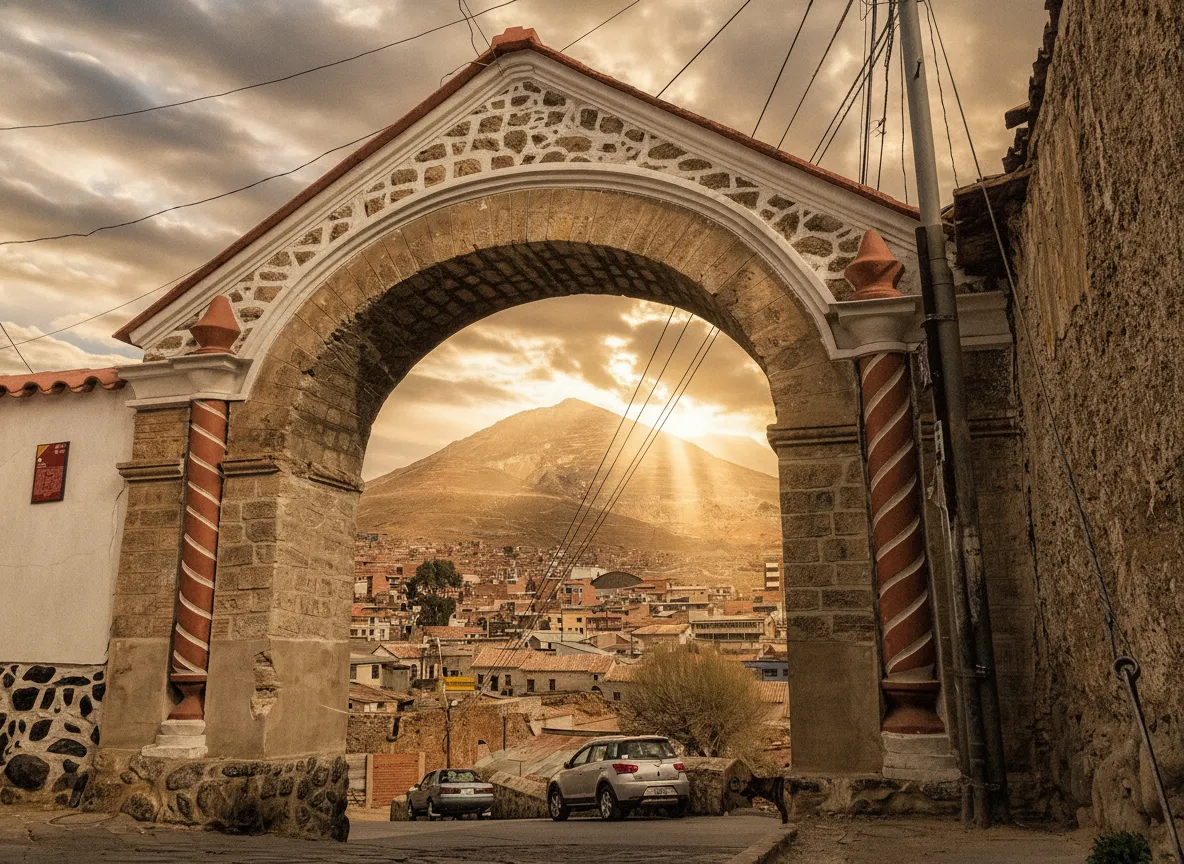
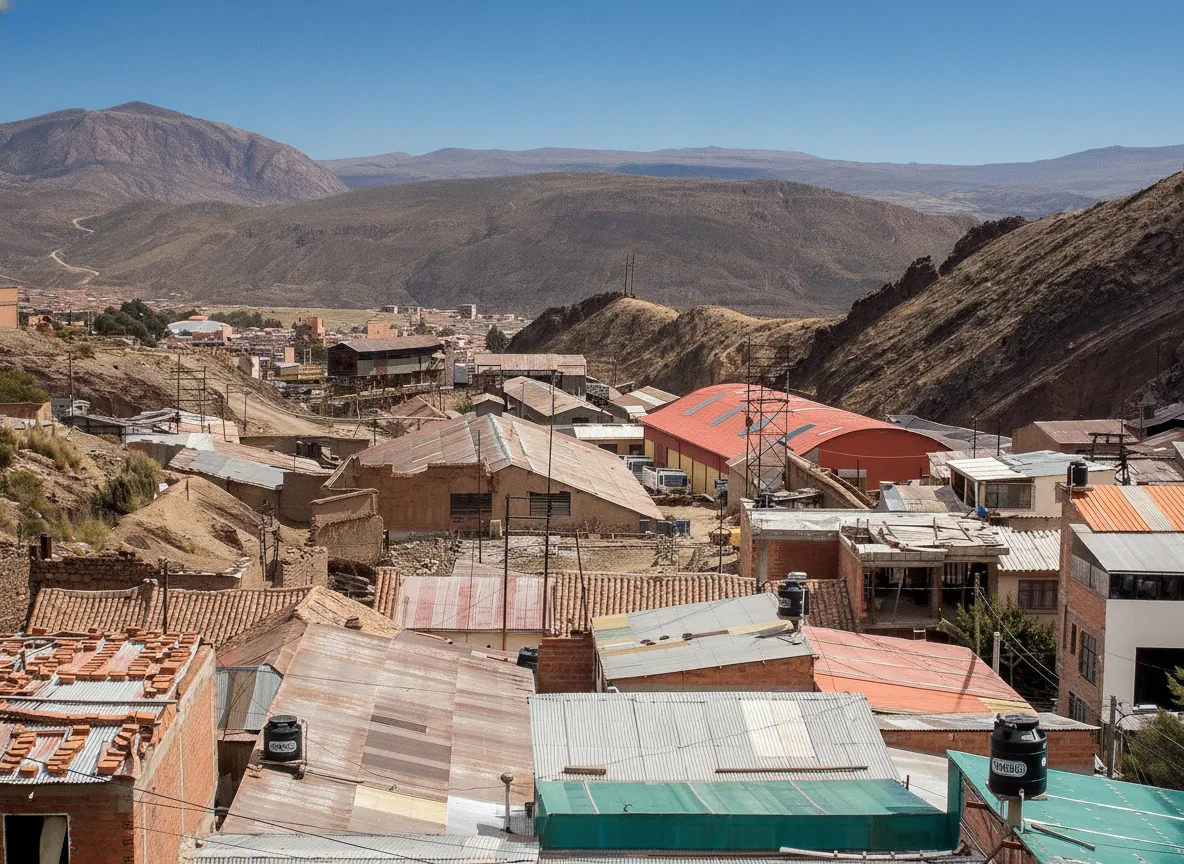
This isn't just a historical site; it's an active silver mine, worked continuously since the 16th century, where the echoes of colonial greed still resonate through the rock. But more profoundly, it's a place where indigenous animism thrives alongside modern-day toil. Before descending into the labyrinthine tunnels, miners still practice an ancient ritual, offering coca leaves, alcohol, and cigarettes to 'El Tío' – the lord of the underworld – for safety and prosperity. Visiting Cerro Rico offers a visceral, eye-opening glimpse into a brutal yet enduring way of life, intertwining industrial heritage with deeply held spiritual beliefs that defy time.
The Mountain That Birthed an Empire: Cerro Rico's Enduring Legacy
To understand Cerro Rico, you must first understand its colossal impact on world history. This single mountain, towering over the city of Potosí in Bolivia, was once the richest source of silver on Earth. Discovered by the Spanish in the mid-16th century, its veins of pure silver fueled the Spanish Empire, financing its wars, building its cities, and transforming the global economy. Potosí, at its peak, was one of the largest and wealthiest cities in the world, more populous than London or Paris, a shimmering jewel built on the back of unimaginable riches.
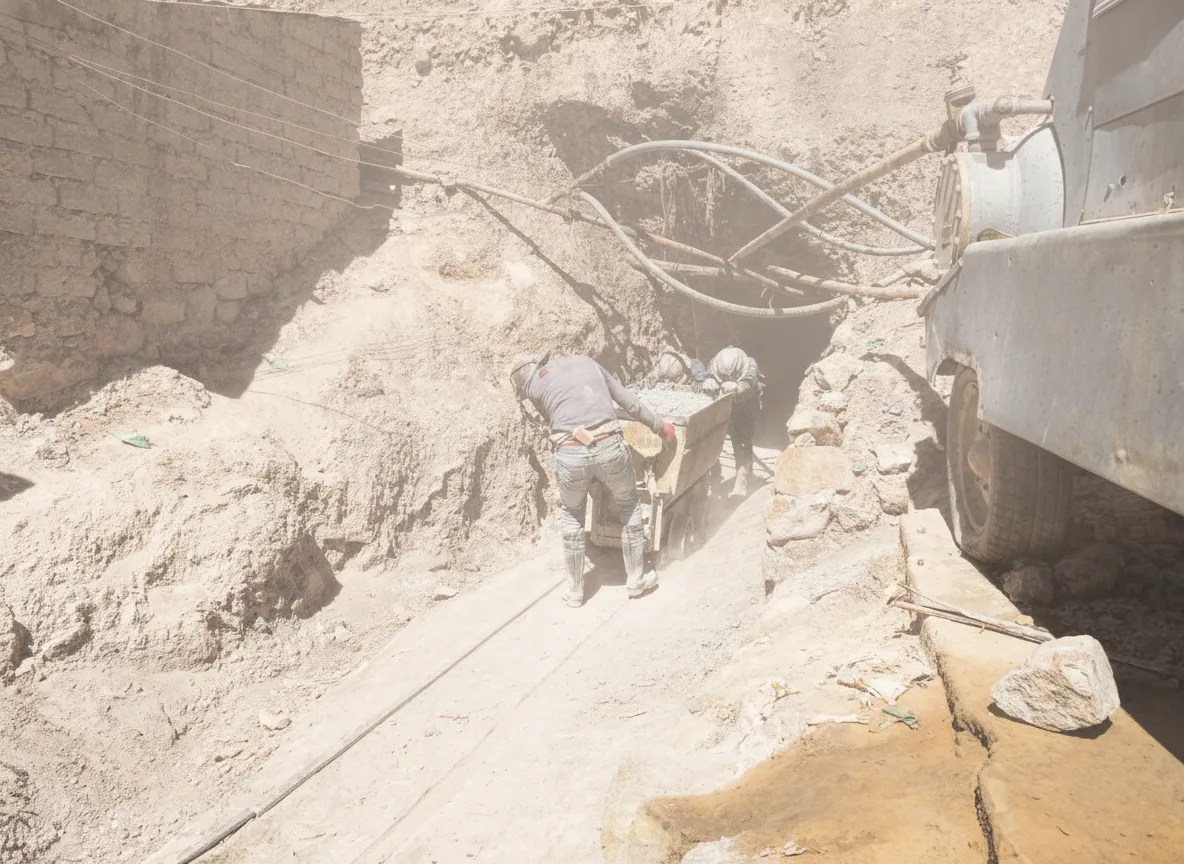
But this wealth came at a horrific human cost. For centuries, indigenous laborers and enslaved Africans were forced into the brutal depths of Cerro Rico. Millions perished from dangerous working conditions, disease, and mercury poisoning. The mountain earned its grim nickname, 'The Devil's Mine,' not just for its seemingly insatiable hunger for lives, but for the pacts and spirits believed to reside within its dark heart. Even today, the mountain continues to yield its treasures, though the methods are still largely manual, and the dangers remain ever-present. It’s a stark reminder that some histories aren't just written in books; they're etched into the very earth and the spirit of its people.
El Tío and the Underworld's Pact: A Spiritual Journey Below
What truly sets Cerro Rico apart from any other mine tour isn't just its history, but its living, breathing spirituality. Deep within the mountain, the miners believe in El Tío, a horned deity, the 'Lord of the Underworld.' He's not the Christian devil, but a complex figure – a protector and a punisher, a bringer of fortune and misfortune. Before each shift, and especially before descending into the deepest, most dangerous shafts, miners gather at shrines dedicated to El Tío, offering him coca leaves (a vital part of their daily routine for energy and to stave off hunger), cigarettes, and pure alcohol.
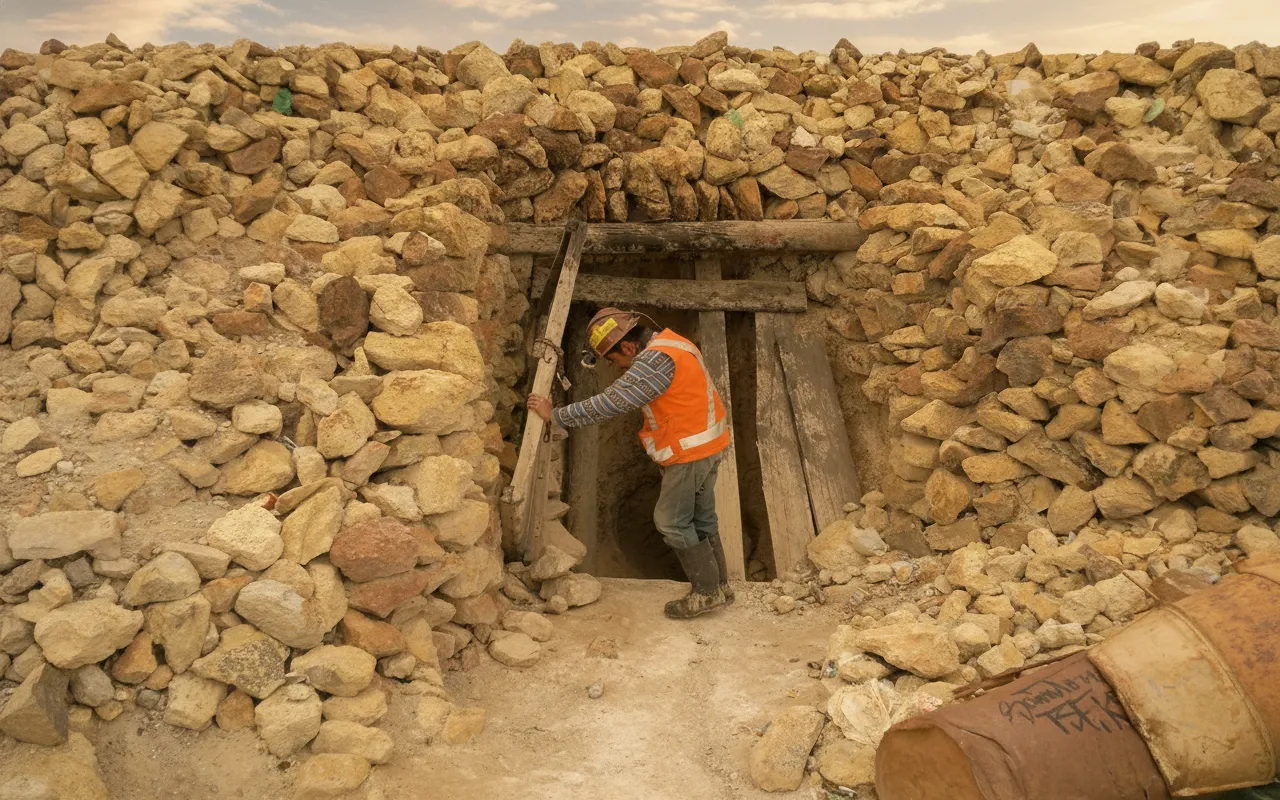
This ritual isn't a mere superstition; it's a profound act of faith and a plea for survival. The miners believe El Tío controls the silver veins and their lives underground. Disrespect him, and he might hide the silver or, worse, claim a life. Witnessing these rituals firsthand, feeling the palpable reverence and fear in the air, you gain an unparalleled insight into the miners' worldview. It's a powerful fusion of pre-Columbian animism with a veneer of Catholicism, a spiritual ecosystem born of desperation and an unshakeable belief in the forces that govern their perilous existence.
Descending into the Labyrinth: What to Expect from a Mine Tour
Taking a tour into Cerro Rico is not for the faint of heart, but it is an intensely rewarding experience. Your journey typically begins in Potosí, where you'll visit a miners' market to purchase gifts for the miners you'll encounter – coca leaves, soft drinks, and sometimes dynamite (though this is for observation, not participation!). You'll then be outfitted with overalls, a helmet, and a headlamp – essential gear for the dark, dusty, and often claustrophobic environment ahead.
Stepping inside the mine is like entering another world. The air grows heavy with dust and the scent of minerals. The tunnels are narrow, low, and often slippery. You'll navigate rickety ladders, squeeze through tight passages, and duck to avoid low ceilings. The sounds are distinct: the rhythmic clang of picks against rock, the rumble of ore carts, and the hushed conversations of the miners. You'll see them working in conditions that have barely changed in centuries, extracting silver and other minerals by hand, their faces streaked with dust, their determination etched deep.
Interacting with the miners is a highlight. They are incredibly resilient, welcoming, and often eager to share a glimpse of their lives. Offering them coca leaves or a drink is a gesture of respect and appreciation. You'll witness the shrines to El Tío, often crude but deeply spiritual figures, adorned with offerings. This isn't a curated theme park; it's raw, authentic, and deeply humbling. You'll emerge from the mountain covered in dust, perhaps a little shaken, but with an indelible understanding of human struggle, resilience, and the enduring power of belief.
Planning Your Unforgettable Visit to Potosí
A visit to Cerro Rico requires preparation and a respectful attitude. Choose a reputable tour operator in Potosí; they are crucial for safety and for providing knowledgeable guides who can interpret the complex cultural nuances. Listen carefully to all instructions, and always prioritize safety.
Wear sturdy, closed-toe shoes that you don't mind getting dirty, and dress in layers as the temperature can vary. Be prepared for dust, darkness, and confined spaces. If you suffer from claustrophobia, severe asthma, or have mobility issues, this tour might not be suitable. Remember that you are entering an active workplace; show respect to the miners, their traditions, and their dangerous profession. Your visit, while an adventure for you, is a daily struggle for them.
Cerro Rico isn't just a place to see; it's a place to feel, to reflect, and to connect with a history that shaped the world and a culture that endures against all odds. It's a journey into the heart of a mountain, and perhaps, into the deeper recesses of the human spirit.
Essential Travel Information
- Location Cerro Rico Silver Mines (The 'Devil's Mine'), Bolivia
- Best Time May to October (dry season)
- Getting There Fly to Sucre (SRE) or La Paz (LPB), then take a bus to Potosí (approx. 3-4 hours from Sucre, 8-10 hours from La Paz).
- Airport Sucre (SRE) or La Paz (LPB)
- Budget Mid-range (Tour costs around $20-30 USD, daily expenses can be budget-friendly for accommodation and food, approx. $50-80 USD/day including tour)
- Language Spanish (Quechua and Aymara are also spoken locally)
Find Places to Stay Near Cerro Rico Silver Mines (The 'Devil's Mine')
Compare hotels, hostels, and unique stays in Bolivia.
Search AccommodationTours & Experiences Near Cerro Rico Silver Mines (The 'Devil's Mine')
Book guided tours, day trips, and unique experiences.
Browse Tours