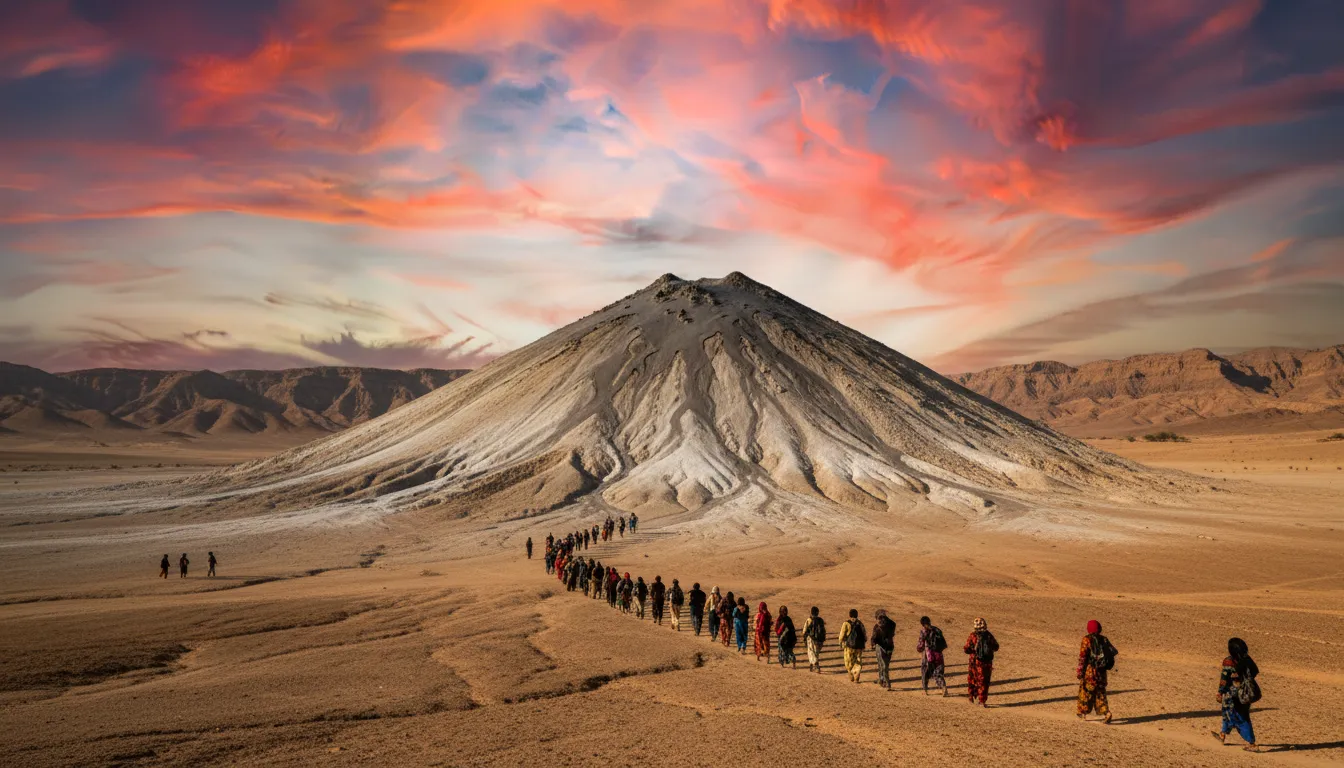
Imagine a landscape so stark, so ancient, it feels like another planet. Now, picture a mountain rising from this desert, not of jagged rock, but of smooth, grey earth. And at its peak, instead of molten lava, a constant, mesmerizing gurgle of cool, viscous mud. But this isn't just any geological marvel; it's a sacred beacon, drawing pilgrims for centuries. Welcome to Chandragup Mud Volcano in Pakistan's Balochistan, a place where the earth itself performs a ritual of purification, and where a climb to its summit is believed to cleanse the soul. If you thought you knew unique travel experiences, prepare for an entirely new dimension of wonder.
Chandragup: Where Earth Breathes Mud
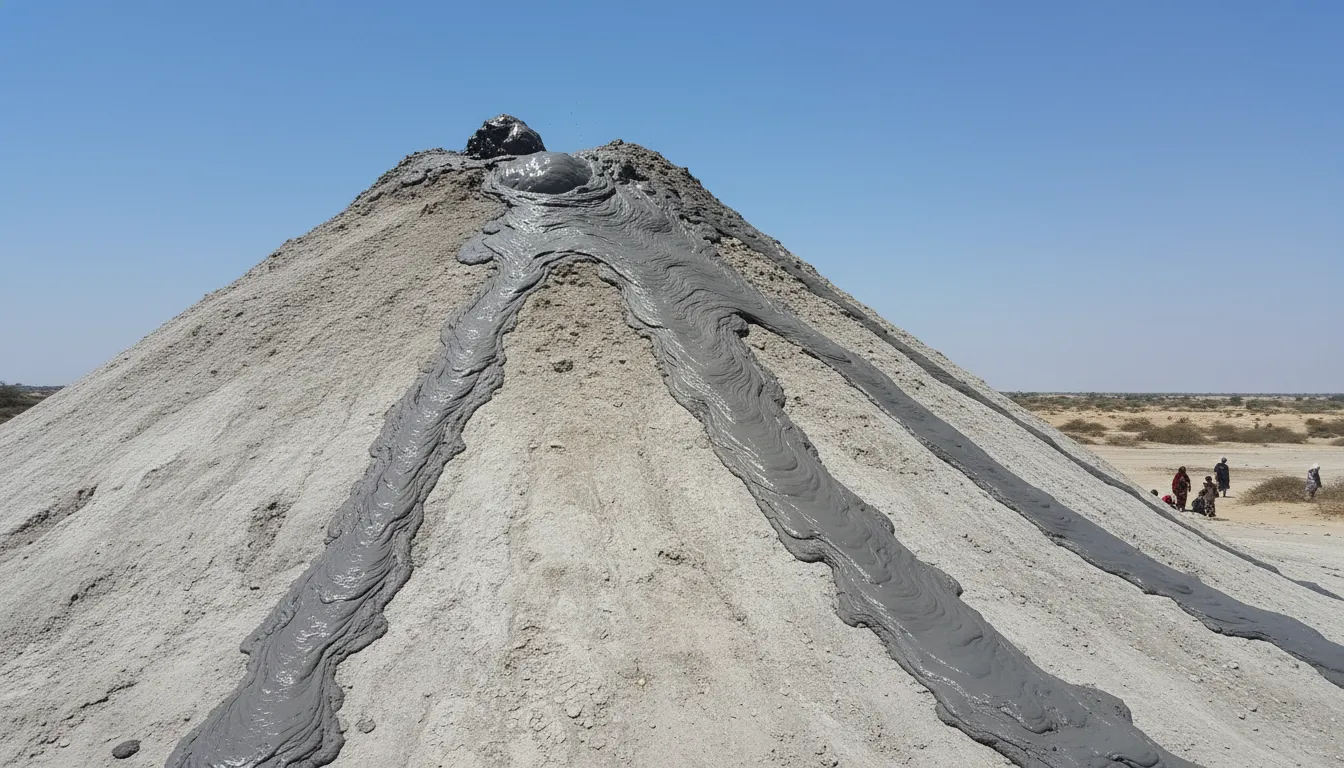
Deep within the sprawling, dramatic landscapes of Hingol National Park lies Chandragup, one of the world's most fascinating and active mud volcanoes. Forget the fiery spectacle of traditional volcanoes; Chandragup operates on an entirely different, equally captivating principle. Instead of magma, it spews a steady, rhythmic flow of thick, grey mud, mixed with natural gases, creating a bubbling, otherworldly spectacle at its crater. This isn't just a trickle; it's a constant, slow-motion eruption that has shaped the conical peak over millennia.
What makes Chandragup truly special? It's a geological rarity. Mud volcanoes are formed when subterranean pockets of gas and water force their way through layers of sediment and clay, creating a slurry that erupts on the surface. While they exist in various parts of the world, Chandragup is particularly notable for its size, activity, and the unique cultural significance it holds. It’s a living, breathing testament to the dynamic forces at play beneath our feet, a constant reminder that our planet is far more complex and mysterious than we often imagine.
As you approach, the air carries a faint, earthy scent, a prelude to the spectacle. The ground beneath your feet feels different, a testament to the geological activity. Standing at the base and looking up at the perfectly formed cone, you'll feel an immediate sense of awe. This isn't just a hill; it's a natural monument, sculpted by the earth's own breath.
A Sacred Ascent: Pilgrimage to Purity
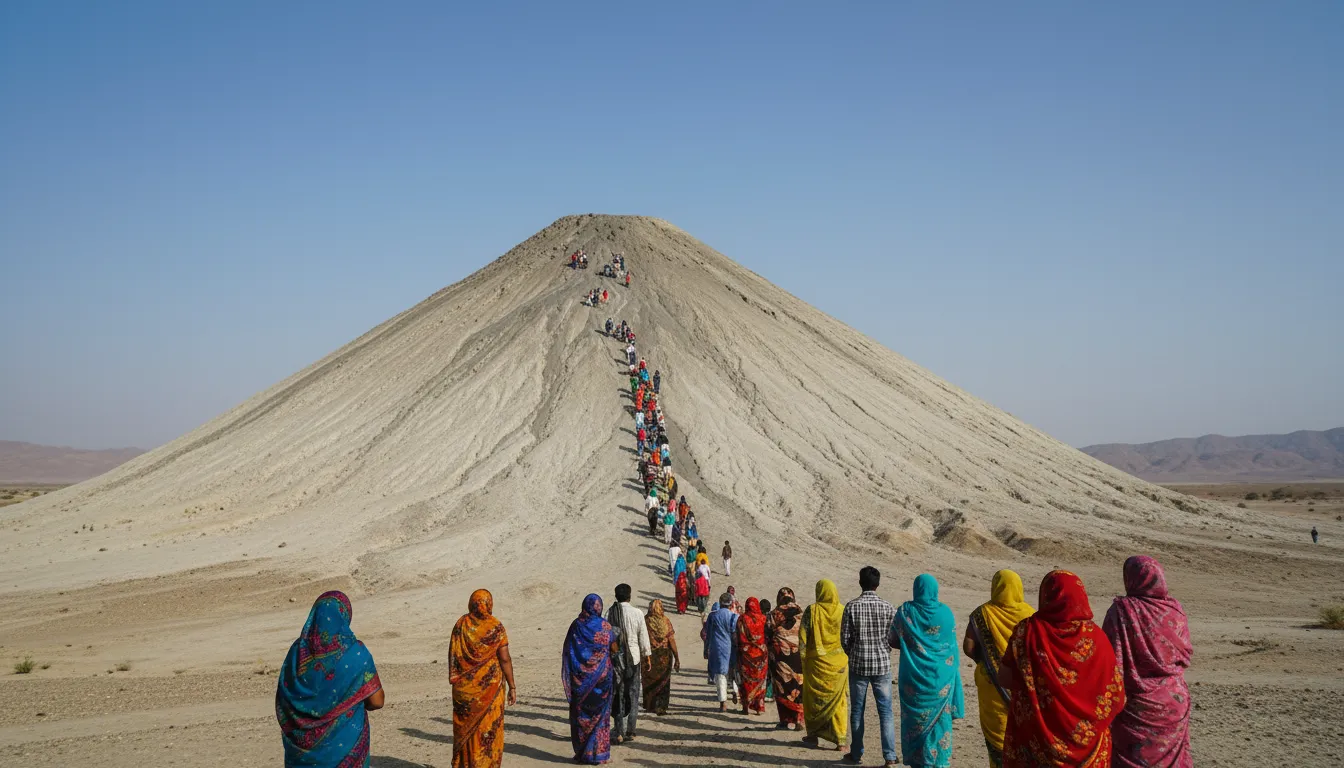
While its geological uniqueness is undeniable, Chandragup's true heart lies in its spiritual significance. For centuries, this bubbling mud volcano has been a revered holy site for Hindu pilgrims, particularly those on the arduous journey to the ancient shrine of Hinglaj Mata. The pilgrimage to Hinglaj Mata is one of the most important in Hinduism, a journey through challenging terrain to one of the 51 Shakti Peethas. Chandragup, often referred to as 'Chandrakoop' (meaning 'Moon Well' or 'Pool of the Moon'), is an integral and deeply sacred stop on this path.
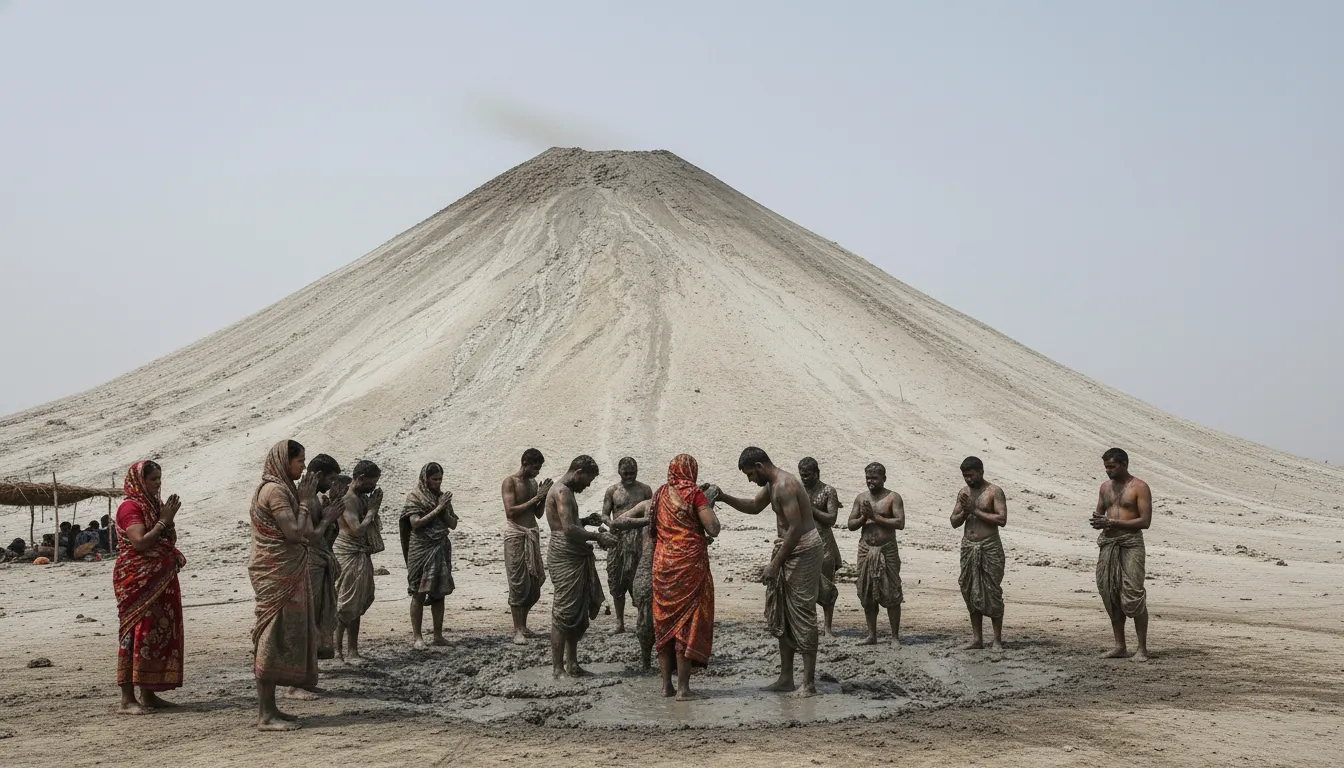
Pilgrims believe that the mud bubbling from Chandragup is a manifestation of the deity or a sacred cleansing agent. Before reaching the Hinglaj Mata temple, devotees climb the slopes of Chandragup, offer prayers, and then, in an act of profound faith and purification, submerge themselves in the cool, grey mud. This ritual is believed to cleanse them of their sins, preparing them spiritually for the ultimate darshan (viewing) of Hinglaj Mata. It’s a powerful testament to the enduring human quest for spiritual renewal, played out against one of nature’s most unusual backdrops.
Witnessing this ritual is a humbling experience. The quiet determination in the eyes of the pilgrims, the solemnity of their prayers, and their willingness to embrace the earth's offering for spiritual cleansing create an atmosphere unlike anything you've encountered. It’s a bridge between the ancient and the modern, a living tradition that connects generations to a shared belief system and a sacred landscape.
Exploring the Lunar Landscape of Hingol
Chandragup isn't just a standalone attraction; it's nestled within the vast, awe-inspiring expanse of Hingol National Park, Pakistan's largest national park. The journey to the mud volcano itself is an adventure, traversing the Makran Coastal Highway, a marvel of engineering that carves its way through dramatic coastal cliffs and desert plains. As you drive, the landscape unfolds like a geological textbook – towering sedimentary formations, wind-sculpted rock structures, and vast, empty expanses that stretch to the horizon.
Beyond Chandragup, Hingol offers a wealth of natural wonders. You'll see the surreal "Princess of Hope," a natural rock formation resembling a stately female figure, and the Sphinx-like formations that seem to guard ancient secrets. The Hingol River carves a lush, green oasis through the desert, supporting a surprisingly diverse ecosystem. Keep an eye out for wildlife – the park is home to Sindh ibex, Balochistan urial, chinkara gazelles, and a variety of bird species, though spotting them requires patience and a keen eye.
The sheer scale and raw beauty of Balochistan's coastline and desert are breathtaking. The vibrant blue of the Arabian Sea meets the ochre and grey of the arid land in a stunning contrast. It’s a place that forces you to slow down, to breathe deeply, and to appreciate the untamed power and artistry of nature. The silence, broken only by the wind or the distant call of a bird, is profound, offering a rare sense of peace and solitude.
Planning Your Expedition to Pakistan's Hidden Gem
Visiting Chandragup Mud Volcano is an unforgettable experience, but it requires careful planning due to its remote location in Balochistan. This isn't a destination for the faint of heart, but for those seeking genuine adventure and cultural immersion, it's incredibly rewarding.
Getting There & Around:
The most common way to reach Chandragup is by road from Karachi. The journey along the Makran Coastal Highway is scenic but long, typically taking 4-6 hours. It's highly recommended to travel with experienced local guides or as part of an organized tour. The roads, while generally paved, can be challenging in certain sections, and navigation in such a remote area is best left to those familiar with the terrain. A 4x4 vehicle is almost essential for the final approach to the volcano and navigating within Hingol National Park.
Best Time to Visit:
The desert climate of Balochistan means extreme temperatures. The cooler months, from **October to March**, are ideal for visiting. During this period, daytime temperatures are pleasant, making outdoor activities and the pilgrimage climb much more comfortable. Summers (April to September) are intensely hot and should generally be avoided.
What to Bring:
- **Comfortable Walking Shoes:** The climb up Chandragup is relatively easy but can be muddy and uneven.
- **Sun Protection:** Hat, sunglasses, and high-SPF sunscreen are crucial.
- **Water & Snacks:** Limited facilities exist, so carry ample supplies.
- **Camera:** You'll want to capture the unique landscapes and cultural moments.
- **Modest Clothing:** Out of respect for the local culture and religious significance of the site, dress modestly.
- **Wipes/Towel:** If you plan on participating in or witnessing the mud ritual, you'll want to clean up afterward.
Safety and Respect:
Balochistan is a region that has seen security challenges, but tourist areas like Hingol National Park and the Makran Coastal Highway are generally considered safe for guided tours. Always follow the advice of your local guides and tour operators. When interacting with pilgrims and locals, maintain a respectful demeanor. Photography of individuals should always be done with permission. Remember, you are visiting a sacred site, so approach it with reverence.
The journey to Chandragup Mud Volcano is more than just a trip; it's an expedition into the heart of a truly unique geological and spiritual landscape. It's an opportunity to witness ancient traditions, marvel at the raw power of nature, and discover a side of Pakistan that few get to experience. So, if you're ready for an adventure that promises wonder, reflection, and stories to last a lifetime, Chandragup awaits.
Essential Travel Information
- Location Chandragup Mud Volcano, Pakistan
- Best Time October to March
- Getting There By road from Karachi via the Makran Coastal Highway. Recommended to travel with a local guide or organized tour in a 4x4 vehicle.
- Airport Jinnah International Airport (KHI), Karachi
- Budget Mid-range (approx. $70-$150 USD per day, excluding international flights, but heavily dependent on tour package and group size)
- Language Urdu, Balochi, Sindhi
Find Places to Stay Near Chandragup Mud Volcano
Compare hotels, hostels, and unique stays in Pakistan.
Search AccommodationTours & Experiences Near Chandragup Mud Volcano
Book guided tours, day trips, and unique experiences.
Browse Tours