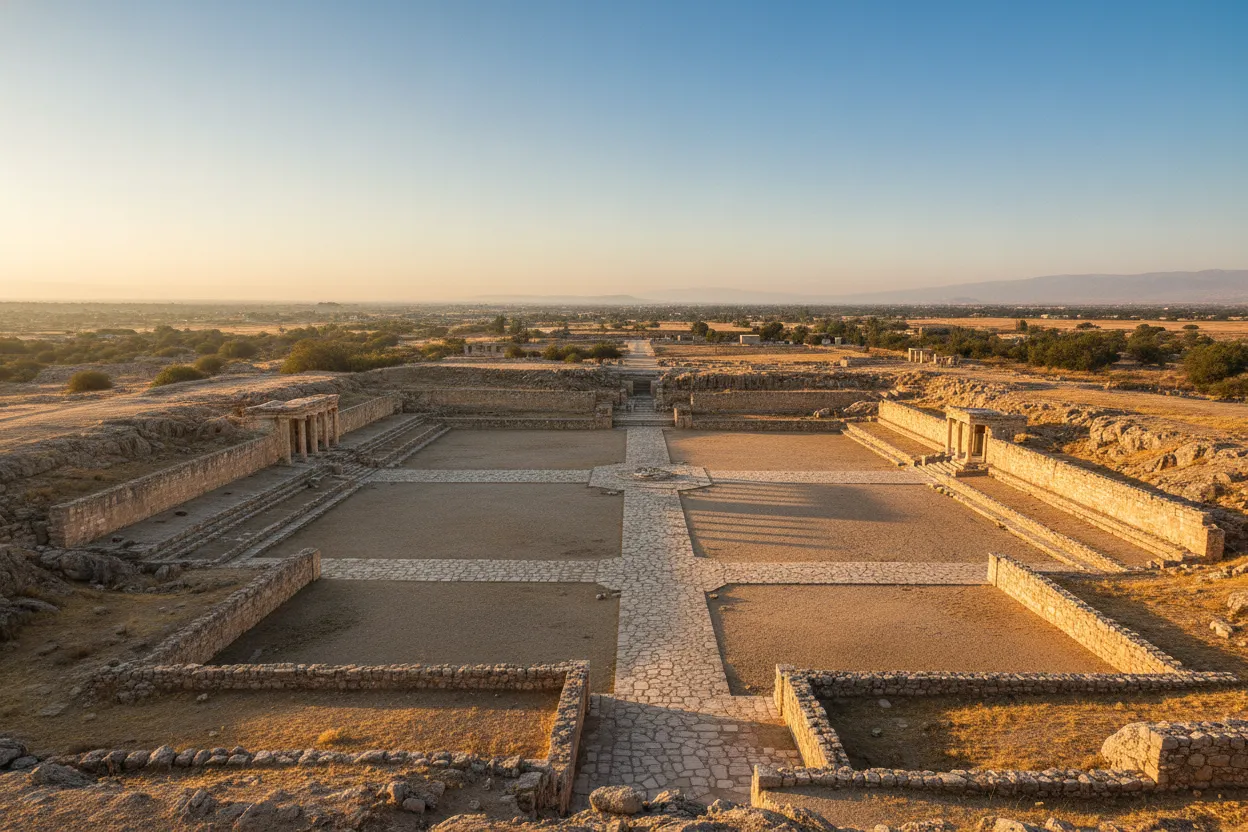
Deep within the rugged embrace of the Peruvian Andes, a secret whispers across three millennia. It's a place where the veil between worlds thinned, where ancient priests, masters of the unseen, manipulated sound and light in subterranean labyrinths to induce profound visions and commune directly with the divine. This isn't just a ruin; it’s a meticulously engineered spiritual machine, an archaeological marvel that predates the Inca by centuries, waiting for the curious and the brave to uncover its mysteries. Welcome to Chavín de Huántar, a UNESCO World Heritage site that promises not just a glimpse into the past, but an experience that transcends time itself.
Unveiling the Enigma: What Makes Chavín So Special?
Imagine stepping into a world where architecture wasn't merely about shelter or grandeur, but about transformation. Chavín de Huántar is precisely that – a masterpiece of pre-Incan engineering and spiritual design, built by the enigmatic Chavín culture between 900 and 200 BCE. Long before Machu Picchu captivated the world, Chavín was the heart of a powerful religious movement, drawing pilgrims from across the Andes to seek enlightenment and prophecy.
What sets Chavín apart is its unparalleled ingenuity in creating an immersive, mind-altering experience. The site is an intricate network of hidden galleries, ceremonial courts, and plazas, all designed with advanced acoustic and hydraulic systems. Picture this: water channeled through subterranean aqueducts, its distant roar amplified by stone tunnels, mingling with the rhythmic chants of priests. The very stones seemed to sing, creating a disorienting, hypnotic soundscape that prepared pilgrims for their encounter with the sacred.
The architecture here is not just functional; it's symbolic, adorned with intricate carvings of fanged deities, jaguars, caimans, and serpents – creatures representing the powerful forces of the natural and spiritual worlds. Every corner, every shadow, every echo was deliberately crafted to evoke a sense of awe, fear, and profound spiritual connection. It’s a testament to a civilization that understood the profound impact of sensory manipulation on the human psyche, using it as a direct pathway to altered states of consciousness.

A Journey Through Time: The Mysterious Chavín Culture
The Chavín culture emerged during what archaeologists call the Early Horizon period in the Andes. Unlike the later Inca Empire, which was characterized by vast territorial control, the Chavín's influence spread primarily through religious ideology and artistic style. Their ceremonial center at Chavín de Huántar became the epicenter of this pan-Andean cult, a place where diverse communities converged, shared knowledge, and participated in rituals.
Little is known about the daily lives or political structure of the Chavín people beyond their religious practices. They left no written records, only their monumental architecture and distinctive art. Their iconography, dominated by anthropomorphic figures blending human, feline, and reptilian traits, is instantly recognizable. These powerful, often fearsome, images adorned pottery, textiles, and, most strikingly, the very stones of their sacred buildings. It's believed that Chavín society was highly stratified, led by a priestly elite who held sway through their perceived ability to communicate with the gods and interpret their will.
For centuries, Chavín de Huántar thrived as a pilgrimage destination, a beacon of spiritual authority. But like many ancient civilizations, its power eventually waned. Around 200 BCE, the site was gradually abandoned, its influence absorbed or replaced by emerging regional powers. Yet, its legacy endured, shaping the artistic and religious traditions of subsequent Andean cultures, a silent testament to its profound impact on the spiritual landscape of ancient Peru.
Descend into the Sacred: What You'll Experience at Chavín
A visit to Chavín de Huántar is unlike any other archaeological experience. It’s not just about seeing ruins; it’s about feeling the echoes of ancient rituals. Your journey begins in the vast plazas, where pilgrims once gathered, perhaps observing ceremonies on the elevated temple structures. The site is divided into the "Old Temple" and the "New Temple," reflecting different phases of construction and expansion, each with its own architectural nuances.
But the true heart of Chavín lies beneath the earth. Prepare to descend into the labyrinthine galleries – a network of narrow, dark passages that snake beneath the main temple. These subterranean chambers are where the magic truly happened. As you navigate these ancient corridors, a good guide will help you imagine the deliberate darkness, the curated sounds, and the potent hallucinogenic plants (like the San Pedro cactus) that priests likely administered to pilgrims, guiding them through a profound visionary experience.

The ultimate destination within these depths is the **Lanzón Monolith**. This massive, intricately carved granite stela, standing over 4.5 meters tall, is the spiritual axis of Chavín. It depicts a fearsome, fanged deity – a blend of human, jaguar, and caiman – with serpents for hair and a powerful, piercing gaze. What makes the Lanzón so extraordinary is that it remains in its original position, deep within a cruciform gallery, untouched for thousands of years. Standing before it in the dim light, feeling its ancient power, is an utterly spine-tingling experience. It’s a direct connection to the belief system that once animated this entire complex.
As you emerge from the underground, you'll notice other captivating features. The **Cabezas Clavas**, or "Nail Heads," are fascinating stone sculptures of human heads with transformative, often grotesque, features, once embedded into the exterior walls of the temple. These shifting expressions, from serene to snarling, are believed to represent the stages of a shamanic transformation. The complex hydraulic system, which once diverted the nearby Mosna River, wasn't just for drainage; it was integral to the acoustic design, creating the powerful roars that resonated through the galleries.

Planning Your Pilgrimage: Practical Tips for Visiting Chavín de Huántar
Chavín de Huántar is located in the Áncash Region of Peru, nestled in a valley high in the Andes. The most common gateway is the vibrant city of Huaraz, a hub for mountaineering and trekking, about a 3-4 hour drive away.
-
Getting There: The easiest and most recommended way to visit Chavín is by joining an organized tour from Huaraz. These day trips typically include transport, a guide, and sometimes lunch. You can also hire a private car, which offers more flexibility.
-
Best Time to Visit: The dry season, from May to September, offers the most stable weather conditions with sunny days and clear skies, ideal for mountain travel. However, it’s also peak tourist season. The shoulder months (April, October) can also be pleasant with fewer crowds.
-
What to Bring: Chavín is at an altitude of approximately 3,180 meters (10,430 feet), so dress in layers as temperatures can change. Bring sturdy walking shoes, a hat, sunscreen, water, snacks, and a small flashlight for exploring the darker galleries. Don't forget your camera!
-
Guidance is Key: While you can explore independently, hiring a knowledgeable local guide is highly recommended. The symbolism and engineering of Chavín are incredibly complex, and a good guide will unlock the deeper meaning of what you're seeing, bringing the ancient rituals to life.
-
Altitude: Huaraz itself is at a higher altitude (around 3,050m / 10,000 ft). Spend a day or two acclimatizing in Huaraz before heading to Chavín or attempting strenuous treks. Stay hydrated and avoid alcohol.
-
Respect the Site: Chavín de Huántar is a sacred and fragile archaeological treasure. Follow all guidelines, stay on designated paths, and do not touch the ancient structures or carvings.
Chavín de Huántar is more than just a collection of ancient stones; it's a profound journey into the spiritual heart of a long-lost civilization. It’s a place that challenges your perceptions, sparks your imagination, and leaves an indelible mark on your soul. If you're seeking an adventure that combines history, mystery, and a truly unique cultural experience, put Chavín de Huántar at the top of your Peruvian itinerary. It's a hidden gem that promises to reveal the secrets of a world where priests communed with gods, and the very earth resonated with divine power.
Essential Travel Information
- Location Chavín de Huántar, Peru
- Best Time May to September (dry season)
- Getting There Most commonly by organized tour or private transport from Huaraz, Peru.
- Airport Comandante FAP Germán Arias Graziani Airport (ATA) in Huaraz, or Jorge Chávez International Airport (LIM) in Lima with connecting bus/flight to Huaraz.
- Budget Mid-range (approx. $50-100 USD per day including tours and accommodation in Huaraz)
- Language Spanish, Quechua
Find Places to Stay Near Chavín de Huántar
Compare hotels, hostels, and unique stays in Peru.
Search AccommodationTours & Experiences Near Chavín de Huántar
Book guided tours, day trips, and unique experiences.
Browse Tours