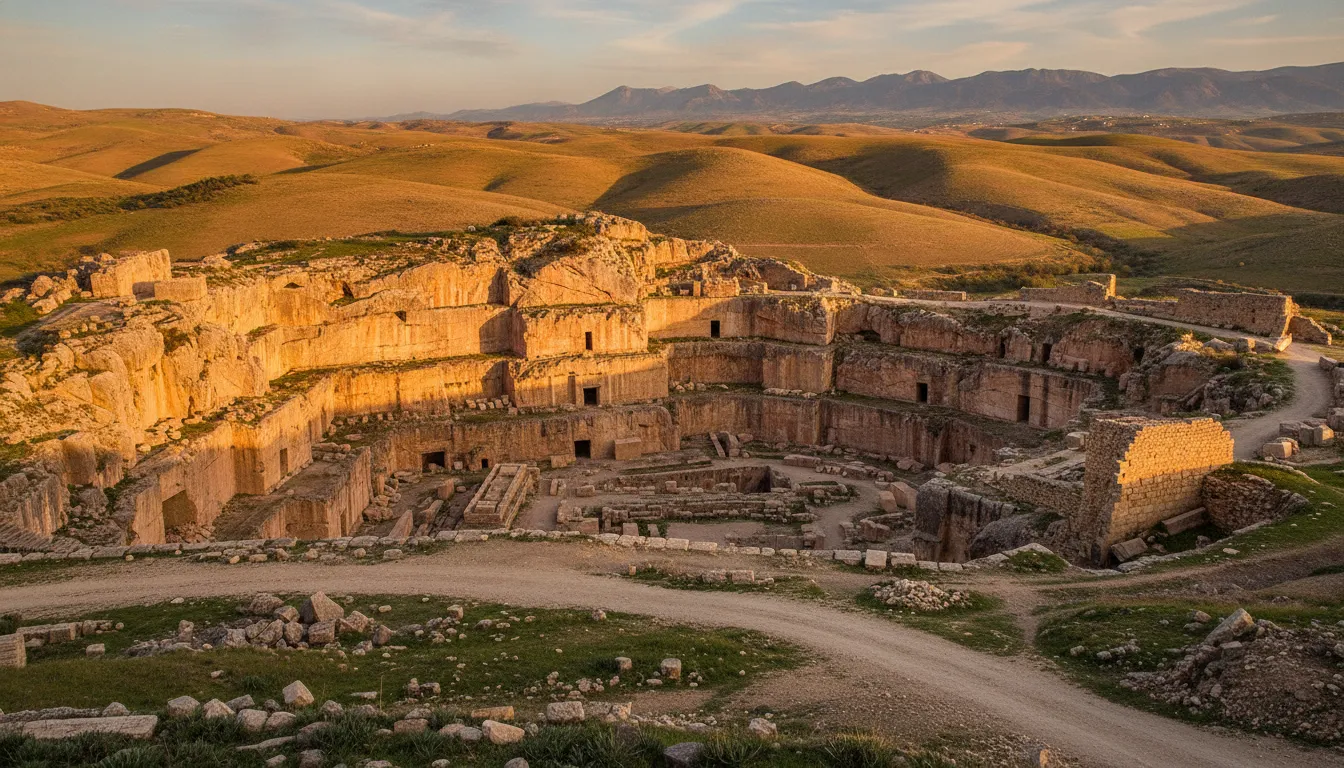
Imagine a place where the very ground beneath your feet whispers tales of emperors and empires, where a mountain once bled gold, and where, bafflingly, elephants may have been trained for the brutal ballet of ancient warfare. Tucked away in the less-trodden landscapes of Tunisia lies Chemtou, or Chimtu as it was known, a forgotten Roman city that defies expectations and ignites the imagination. This isn't just another pile of ancient stones; it's a vibrant echo of Roman ambition, a geological marvel, and a historical enigma waiting to be discovered by the curious traveler.
For centuries, Chemtou was the exclusive source of *Marmor Numidicum*, a prized golden-yellow marble that adorned the most opulent palaces and temples across the Roman world. But beyond the colossal quarries, this site reveals a sophisticated Roman town, an impressive amphitheater, and a unique museum that holds the most intriguing secret of all: the skeletons of elephants, hinting at a role for these majestic beasts far more complex than mere local fauna. Pack your sense of wonder, because we're about to journey into the heart of a truly extraordinary hidden gem.
The Golden Heart of the Roman Empire: What Makes Chemtou Special
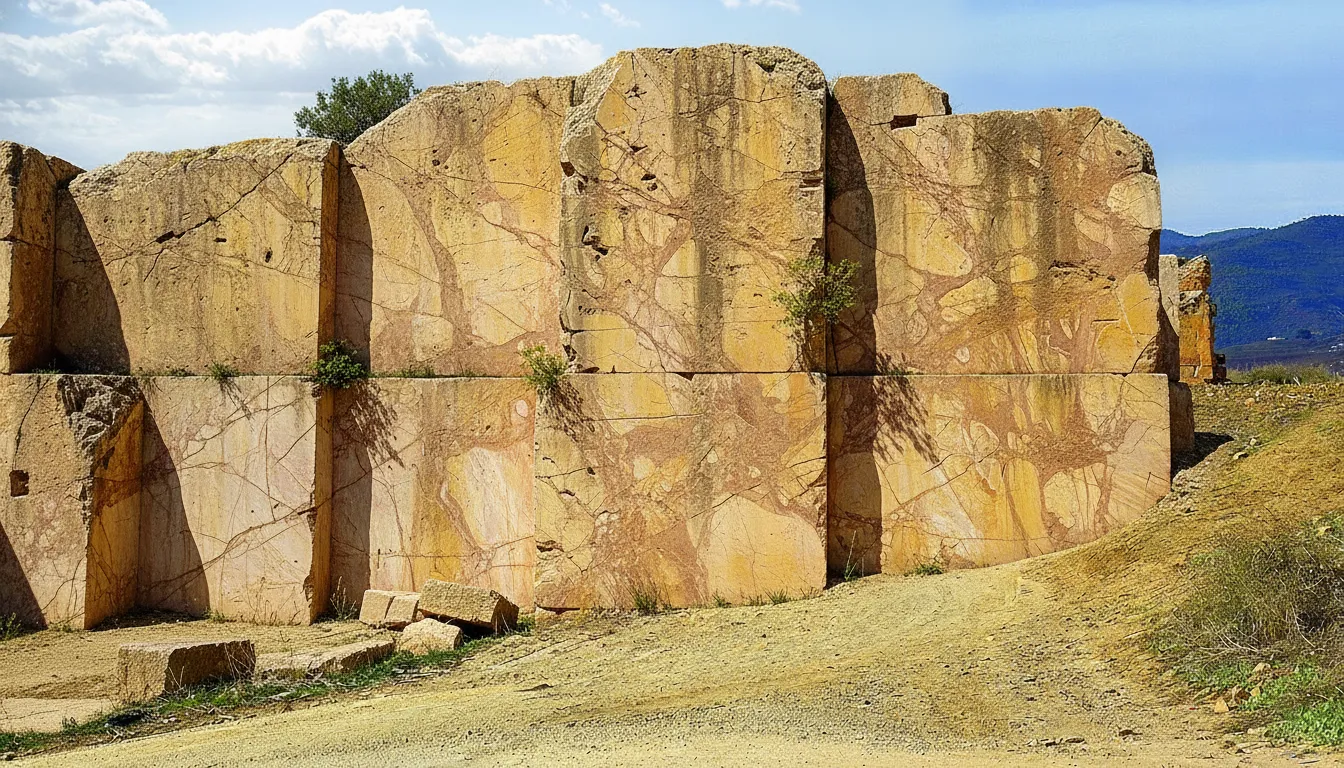
What truly sets Chemtou apart from countless other Roman ruins dotting the Mediterranean is its unique geological treasure: *Marmor Numidicum*, or Giallo Antico. This isn't just any marble; it's a vivid, almost luminous stone ranging in color from deep golden-yellow to a delicate pinkish-orange, often streaked with veins of crimson and purple. Its beauty was so captivating, its supply so exclusive, that it became a status symbol for Roman emperors. Imagine the awe inspired by a floor or column crafted from this material, quarried from a remote mountain in North Africa and transported across an empire to grace the most lavish constructions of Rome itself.
Chemtou wasn't merely a quarry; it was an industrial complex of immense scale and sophistication. The Romans, with their unparalleled engineering prowess, transformed a rugged mountain into a vast open-air mine, extracting colossal blocks of marble that weighed tons. The sheer audacity of this operation, the logistics involved in cutting, shaping, and transporting this precious stone across the Mediterranean, speaks volumes about Rome's power and its insatiable appetite for grandeur. Walking through the remnants of these quarries today, you can still see the ancient cuts in the rock, the paths carved by centuries of labor, and feel the presence of the thousands of workers, slaves, and engineers who toiled here.
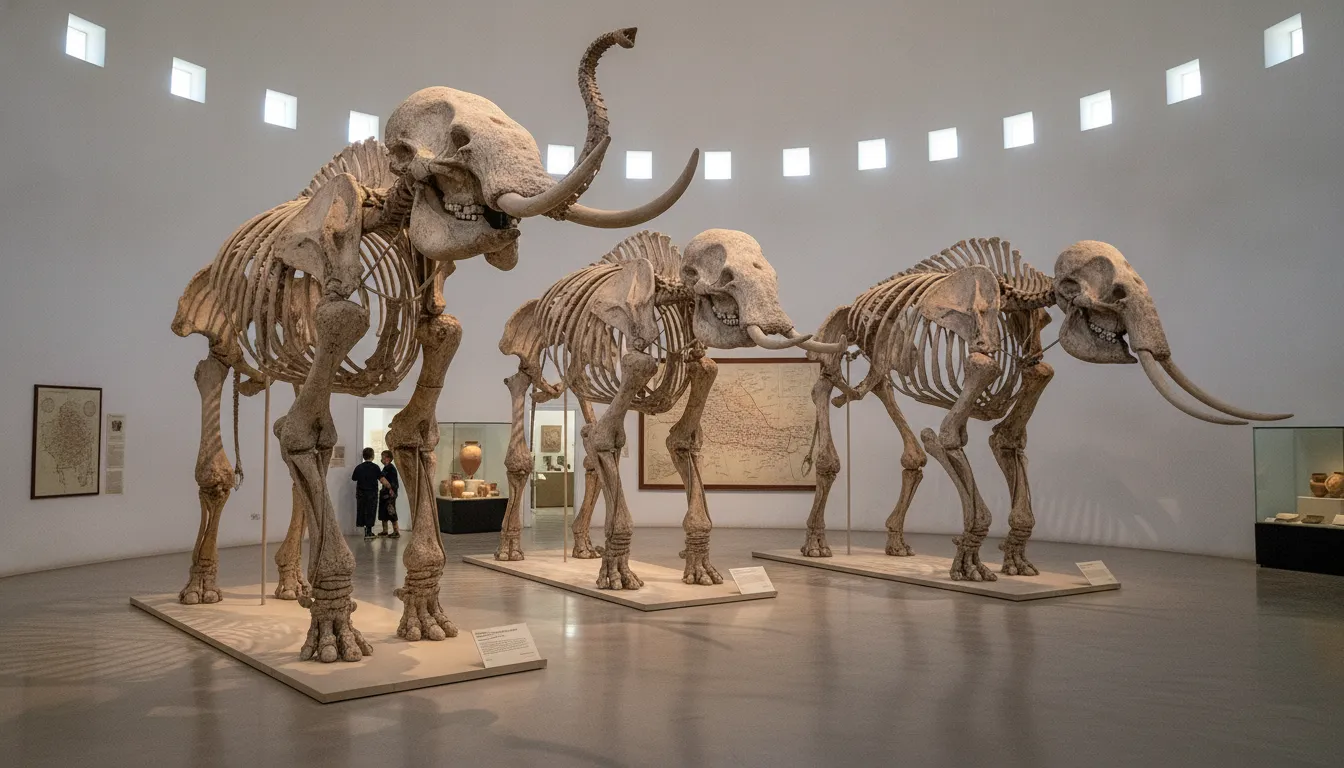
But the marble is only half the story. The other, more mysterious half, involves elephants. The site's museum houses remarkably preserved elephant skeletons, a testament to their presence in this region. While it's known that North Africa was home to a now-extinct subspecies of African elephant, their particular significance at Chemtou remains a captivating puzzle. Were they used for heavy lifting in the quarries? Or, as some fascinating theories suggest, was this a training ground for war elephants, preparing them for battles waged far from these sun-drenched hills? The very thought adds an exhilarating layer of intrigue to an already remarkable destination.
A Glimpse into Roman Grandeur: History and Background
The story of Chemtou begins long before the Romans, with indigenous Berber communities drawn to the fertile lands near the Medjerda River. However, it was under Roman rule that Chimtu truly flourished, transformed from a modest settlement into a strategically vital imperial asset. The discovery of the *Marmor Numidicum* deposits was a game-changer. By the 1st century AD, the quarries were under direct imperial control, a testament to the marble's immense value and demand. Emperors like Augustus and Trajan understood that controlling this unique resource was not just about wealth, but about projecting power and prestige.
The town that grew around the quarries was far from a mere industrial camp. It evolved into a sophisticated Roman settlement, complete with public buildings, temples, baths, and an impressive administrative infrastructure. Its location, nestled in the Jendouba Governorate, made it a nexus for trade and communication, connecting the marble-rich interior with the coastal ports from which the precious stone would embark on its journey to Rome. The wealth generated by the marble trade fueled the town's development, attracting skilled artisans, merchants, and administrators, creating a vibrant, if remote, outpost of Roman civilization.
Chemtou's prosperity lasted for centuries, but like many Roman cities, it eventually faded into obscurity with the decline of the Western Roman Empire. The quarries fell silent, the town was gradually abandoned, and the golden marble that once graced imperial palaces became a forgotten treasure. Only in modern times have archaeologists begun to unearth its secrets, revealing the incredible story of this forgotten city and its golden heart.
Unearthing the Past: What You'll See at Chemtou
A visit to Chemtou is an immersive journey through time, offering a comprehensive look at Roman life, industry, and ingenuity. The site is vast, so comfortable shoes and a sense of adventure are a must!
The Quarries: Monuments to Roman Industry
Your exploration will likely begin at the massive quarry sites themselves. Here, you'll witness the sheer scale of the Roman operation. Imagine thousands of workers, using simple tools and immense strength, carving out colossal blocks of marble. You can still see the deep cuts in the rock, the ramps used to haul the blocks, and the remnants of the infrastructure that supported this colossal undertaking. It's a humbling experience to stand amidst these ancient industrial scars, pondering the human effort involved.
The Roman Town: Echoes of Daily Life
Beyond the quarries, the archaeological site sprawls, revealing the remnants of the Roman town. You'll wander through the foundations of houses, shops, and public buildings. Imagine the bustling streets, the aroma of Roman cooking, and the chatter of daily life. While much is in ruins, the layout of the town is still discernible, offering insights into Roman urban planning. Look out for fragments of mosaics, pottery shards, and other everyday artifacts that bring the past to life.
The Amphitheater: A Stage for Spectacle
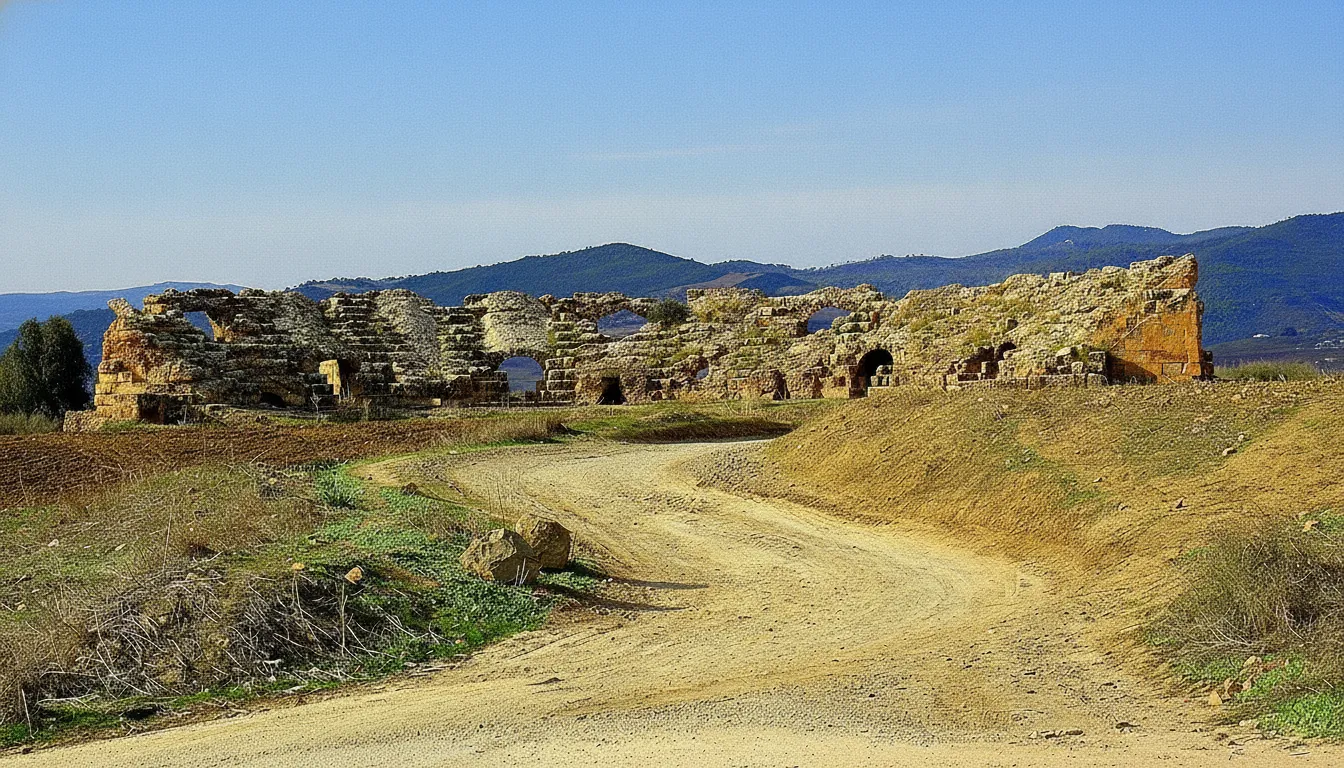
No Roman town of any significance was complete without an amphitheater, and Chemtou's is a testament to its importance. Though not as grand as the Colosseum, this arena would have hosted gladiatorial contests, beast hunts, and public spectacles, providing entertainment and a sense of community for the town's inhabitants. Standing on the ancient seating tiers, you can almost hear the roar of the crowd and the clash of steel.
The Roman Bridge: An Engineering Marvel
One of the most remarkably preserved structures at Chemtou is the Roman bridge, which once spanned the Medjerda River. This elegant and robust structure is a testament to Roman engineering and their commitment to infrastructure. It was crucial for transporting the heavy marble blocks from the quarries across the river, connecting Chemtou to the wider Roman road network. It's a beautiful spot for contemplation and photography.
The Museum: Unraveling the Elephant Mystery
The modern museum at Chemtou is an absolute must-visit. It houses an impressive collection of artifacts unearthed from the site, including tools, inscriptions, sculptures, and detailed models of the quarrying process. But the undeniable highlight, and what truly makes this museum unique, are the remarkably preserved skeletons of elephants. These majestic remains prompt fascinating questions about their role in Chemtou. Were they quarry animals? Were they part of a specialized breeding or training program? The museum doesn't definitively answer these questions, but it certainly sparks the imagination, inviting visitors to ponder the mysteries of this forgotten Roman outpost.
Planning Your Expedition: Practical Visit Tips
Chemtou is a destination that rewards the adventurous traveler. Here’s how to make the most of your visit:
Best Time to Visit
The ideal time to visit Chemtou is during the spring (March to May) or autumn (September to November). The weather is pleasantly mild, perfect for exploring the extensive outdoor site. Summers can be intensely hot, and winters can be cool and rainy.
How to Get There
Chemtou is located in the Jendouba Governorate, in northwestern Tunisia. The nearest major city is Tunis, which has an international airport (Tunis-Carthage International Airport - TUN). From Tunis, you can rent a car, which offers the most flexibility for exploring the region. The drive takes approximately 2-3 hours. Alternatively, you can arrange a private taxi or part of an organized tour from Tunis or nearby towns like Jendouba or Tabarka. Public transport can be challenging and indirect.
What to Bring
- Comfortable Walking Shoes: The site is large, uneven, and involves a lot of walking.
- Sun Protection: A hat, sunglasses, and high-SPF sunscreen are essential, especially as there is limited shade.
- Water and Snacks: While there might be basic amenities, it's always best to carry your own hydration and energy boosters.
- Camera: You'll want to capture the stunning landscapes and ancient ruins.
- Guidebook/Information: While there are informative signs, a good guidebook or pre-downloaded information will enrich your understanding.
Guided Tours vs. Self-Exploration
While you can explore Chemtou independently, hiring a local guide can significantly enhance your experience. Their insights into the history, geology, and local legends can bring the ruins to life in a way that goes beyond informational plaques. If you prefer self-exploration, ensure you have sufficient background information to appreciate the site's significance.
Accommodation and Amenities
Accommodation options directly in Chemtou are very limited, if any. Most visitors stay in nearby towns like Jendouba, Tabarka, or even return to Tunis. Basic food and drink might be available near the museum, but it's advisable to plan for your main meals elsewhere. Embrace the rural, authentic Tunisian experience!
Chemtou is more than just an archaeological site; it's a profound journey into a forgotten past, a place where the earth's bounty met human ambition, and where the echoes of ancient elephants still stir the dust. It's a testament to the enduring power of history and a compelling reason to venture off the beaten path in Tunisia. Discover Chemtou, and let its golden secrets unfold before you.
Essential Travel Information
- Location Chemtou (Chimtu), Tunisia
- Best Time March to May (Spring) or September to November (Autumn)
- Getting There Approx. 2-3 hour drive from Tunis (TUN) by rental car or private taxi. Organized tours also available from major cities.
- Airport Tunis-Carthage International Airport (TUN)
- Budget Mid-range (if including private transport/guide) with approximate daily cost of $50-100 (excluding accommodation)
- Language Arabic, French
Find Places to Stay Near Chemtou (Chimtu)
Compare hotels, hostels, and unique stays in Tunisia.
Search AccommodationTours & Experiences Near Chemtou (Chimtu)
Book guided tours, day trips, and unique experiences.
Browse Tours