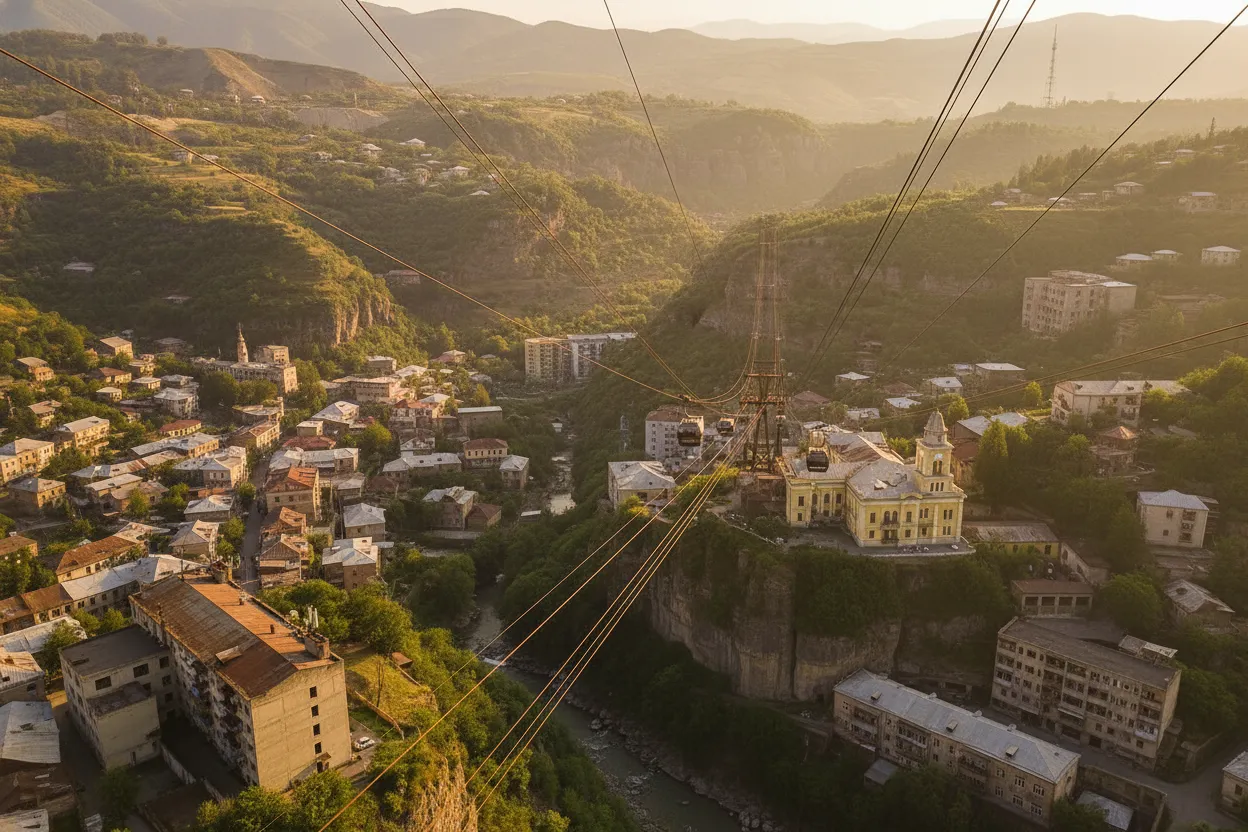
Imagine a place where your daily commute isn't a bumper-to-bumper crawl, but a breathtaking journey suspended hundreds of feet in the air, traversing a rugged river valley in a creaking metal box. Welcome to Chiatura, Georgia, a remote mining town where time seems to have paused somewhere in the mid-20th century. Here, residents navigate dizzying vertical drops daily aboard a sprawling, decrepit network of Soviet-era cable cars known locally as 'Stalin's Rope Roads'. If you're searching for a truly unique travel experience, a glimpse into a world few tourists ever see, then buckle up – Chiatura is calling.
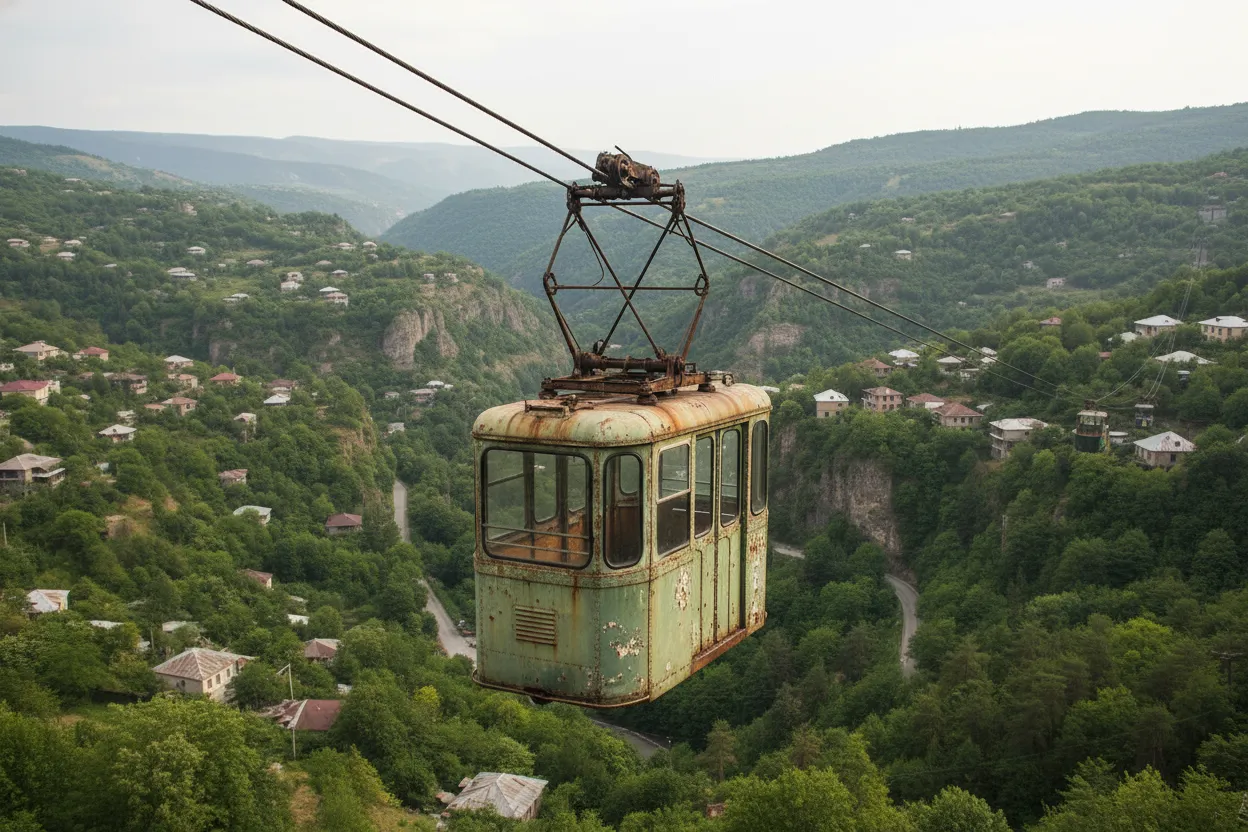
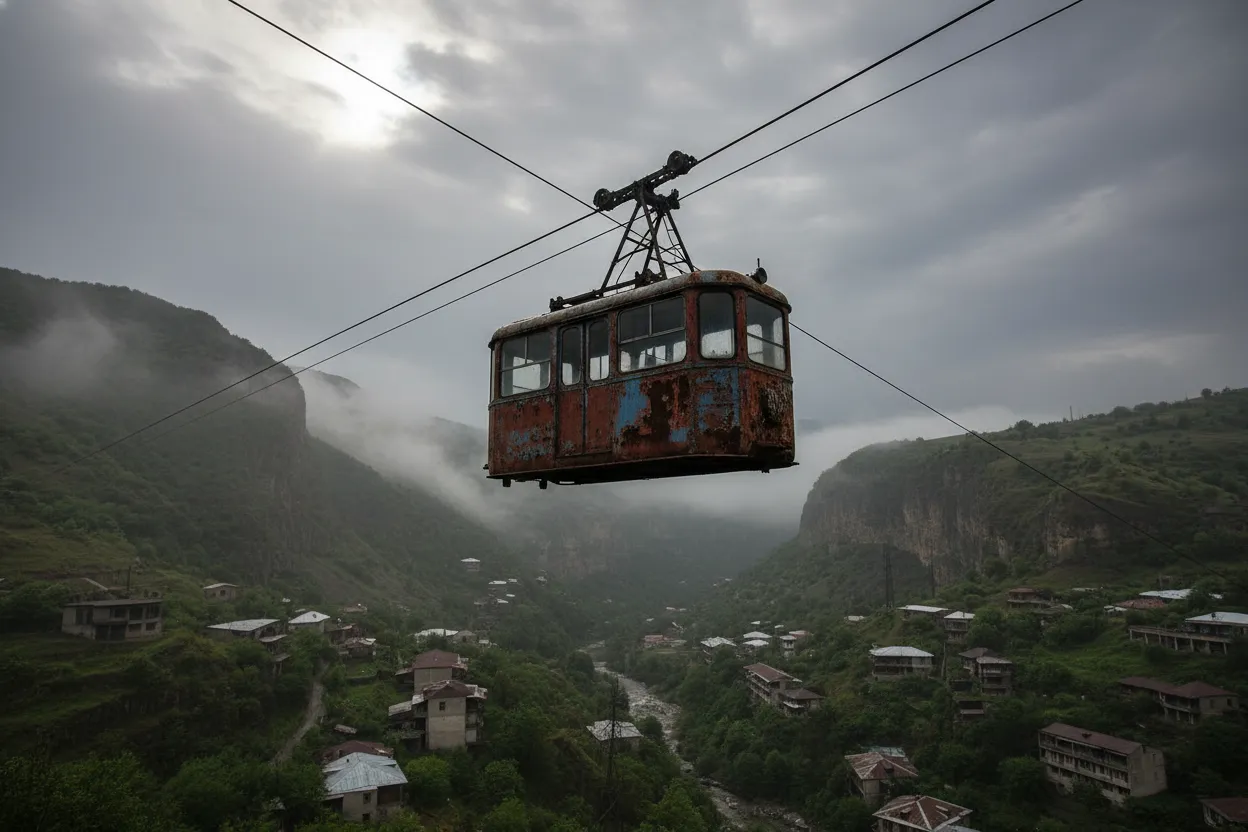
This isn't your typical picturesque Georgian escape. Chiatura is raw, industrial, and utterly captivating. Perched dramatically in a steep river valley within the Imereti region, it's a living monument to a bygone era, where the primary mode of public transport consists of dozens of rusting aerial trams, many dating back to 1954. These seemingly precarious 'death traps' still ferry locals across the rugged landscape, offering a surreal glimpse into Soviet engineering and daily life, defying modern safety standards and logic with every creaking, swaying ride. Trust me, it’s an adventure you won’t soon forget.
Chiatura: Where Industrial History Meets Everyday Life
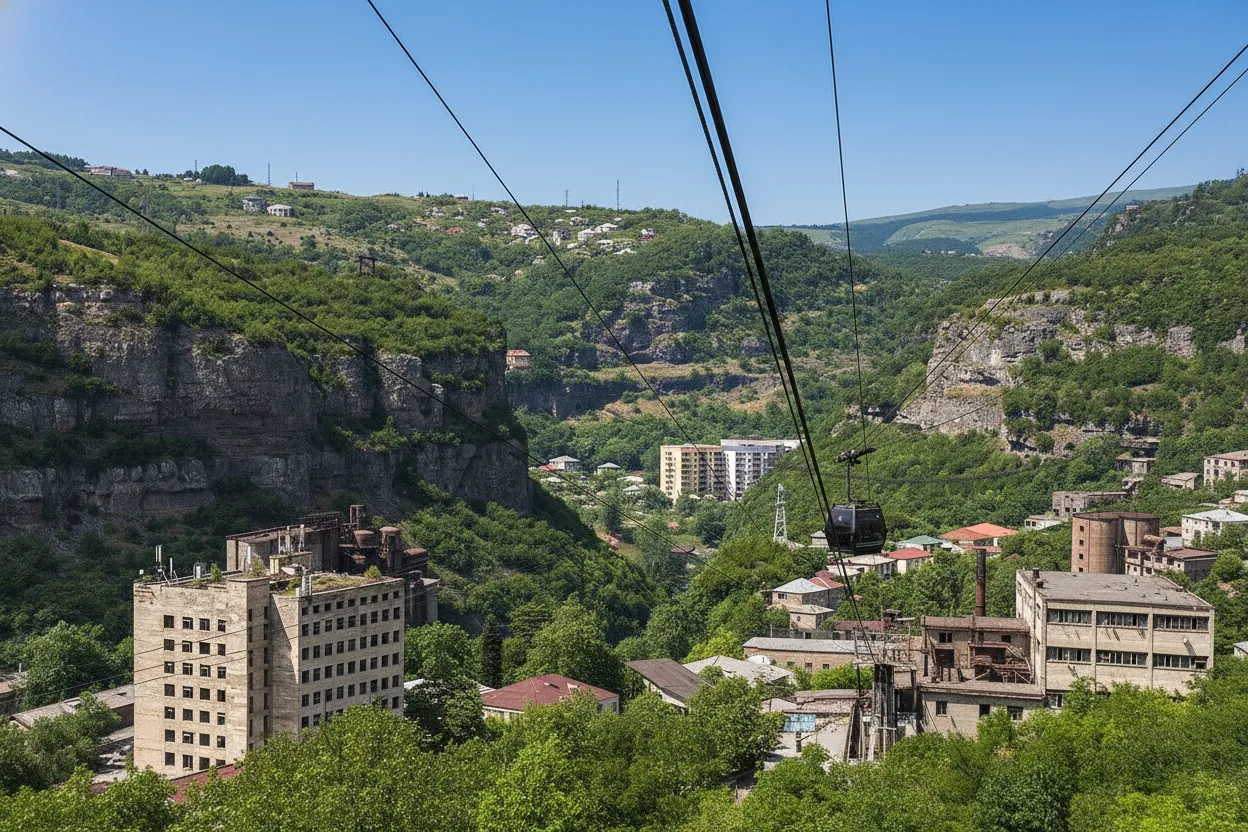
What makes Chiatura so incredibly special isn't just its unusual transport system; it's the seamless integration of this history into the town's very fabric. This isn't a museum exhibit; it's a living, breathing community that relies on these aerial trams for everything from getting to work and school to visiting friends across the valley. The sheer scale of the network is astounding – at its peak, there were over 60 different lines crisscrossing the town! While many have fallen into disuse, a significant number still operate, their weathered cabins a stark contrast to the verdant hillsides and the rushing Kvirila River below.
Stepping into Chiatura is like stepping into a time capsule. The architecture, the pace of life, the very air carries an echo of the Soviet Union. For intrepid travelers seeking authentic experiences beyond the polished tourist trails, Chiatura offers an unparalleled opportunity to witness resilience, ingenuity, and a way of life that refuses to be forgotten. It’s a place that challenges your perceptions of safety, beauty, and what constitutes a truly compelling travel destination.
A Journey Through Time: The History of Stalin's Rope Roads
The story of Chiatura's unique infrastructure begins with manganese. In the late 19th and early 20th centuries, vast deposits of manganese ore were discovered here, transforming the quiet valley into a vital industrial hub. By the Soviet era, Chiatura was a powerhouse, producing a significant portion of the world's manganese. But there was a problem: the mines were high up on the valley walls, and the processing plants were down by the river. Hauling workers and ore up and down the steep slopes was inefficient and arduous.
Enter the ingenuity of Soviet engineers. Beginning in 1954, under the direction of Joseph Stalin (hence the local nickname), an ambitious project was launched to construct a comprehensive network of passenger and cargo cable cars. The aim was to connect the workers' settlements on the plateaus with the town center and the mines, drastically improving efficiency and daily life. These were not just practical solutions; they were also seen as symbols of Soviet industrial might and progress. The first passenger line, connecting the central market with a residential area, opened in 1954 – a marvel of engineering for its time.
For decades, these aerial trams were the lifeblood of Chiatura. They ferried thousands of workers daily, becoming as commonplace as a bus route in any other city. Even after the collapse of the Soviet Union, as the manganese industry declined and the town faced economic hardship, the cable cars continued to operate, a testament to their robust construction and the unwavering need of the local population. While some lines have been modernized or replaced in recent years, many of the original 1950s cabins still creak along, carrying new generations on the same routes as their grandparents.
What You'll See and Experience in Chiatura
The main attraction, undoubtedly, is the opportunity to ride these historic cable cars. Imagine stepping into a small, often graffiti-covered metal cabin, the door clanking shut behind you. With a jolt, you're lifted off the ground, ascending rapidly above the rooftops of Chiatura. The views are spectacular, offering a unique bird's-eye perspective of the town, the winding river, and the dramatic valley landscape. You'll see other cabins, some carrying people, others ferrying goods, crisscrossing the sky in a mesmerizing ballet of industrial transport.
Each ride is an experience in itself. The slow, deliberate pace allows you to soak in the surroundings, listen to the rhythmic creak of the cables, and feel the gentle sway of the cabin. It’s a moment of quiet contemplation mixed with an undeniable thrill. You'll likely share your ride with locals – a friendly wave, a shared glance, a fleeting connection with the everyday rhythm of Chiatura. Don't be surprised if the operator is an elderly woman who has been running the same line for decades, her movements precise and confident.
Beyond the cable cars, Chiatura itself is a fascinating place to explore. Wander through the central market, bustling with vendors selling fresh produce, local cheeses, and household goods. Observe the Soviet-era architecture, from grand administrative buildings to utilitarian apartment blocks, all telling a story of a planned industrial city. Look for the abandoned factories and mining infrastructure that dot the landscape, silent reminders of past glory.
The atmosphere is one of quiet dignity and resilience. While Chiatura may not be "pretty" in a conventional sense, its stark beauty and profound sense of history are incredibly compelling. It’s a town that has seen booms and busts, but its spirit endures, carried aloft by its iconic "Rope Roads." You'll find a few small cafes and guesthouses, but the real charm lies in simply being present, observing, and soaking in the unique ambiance of this hidden Georgian gem.
Practical Tips for Visiting Chiatura
Ready to embark on your Chiatura adventure? Here’s what you need to know to make your trip smooth and memorable:
How to Get There
Chiatura is accessible, though it requires a bit of planning. The most common way is via a 'marshrutka' (shared minivan) from Kutaisi (approx. 1.5-2 hours) or Tbilisi (approx. 3-4 hours). Marshrutkas are frequent and inexpensive. If you prefer more flexibility, renting a car is an option, but be prepared for winding roads. A day trip from Kutaisi is very feasible, but staying overnight allows for a deeper immersion.
Best Time to Visit
Spring (April-May) and Autumn (September-October) offer the most pleasant weather for exploring, with mild temperatures and beautiful foliage. Summer can be hot, and winter, while picturesque with snow, might make some of the older cable cars less accessible or less comfortable.
Navigating the Cable Cars
The cable cars are free to ride and operate on a local schedule. While some of the original lines are still running, Chiatura is undergoing a modernization project, with new, modern cabins replacing some of the older ones. Ask locals which lines are still the original Soviet-era ones for the full experience! Don't worry, despite their appearance, they are regularly maintained, and locals use them daily. Just bring your sense of adventure and perhaps a local friend or guide to help navigate the different lines and their starting points.
Accommodation & Food
Accommodation options in Chiatura are limited but growing. You'll find a few guesthouses offering basic but comfortable stays. Alternatively, many travelers choose to base themselves in nearby Kutaisi, which has a wider range of hotels and restaurants, and visit Chiatura as a day trip. For food, expect hearty Georgian cuisine – khachapuri, khinkali, and local stews are readily available in small local eateries.
What to Bring
A good camera is essential for capturing the unique scenes. Comfortable walking shoes are a must, as you'll likely be doing a fair bit of exploring on foot. A local SIM card (easily purchased in Georgia) will be helpful for maps and translation apps. And, of course, an open mind and a spirit of adventure are your best companions!
Chiatura isn't for everyone. It's grittier, less polished, and more challenging than many other destinations. But for those who crave authenticity, who delight in uncovering hidden stories, and who are moved by the resilience of people and places, Chiatura offers an unforgettable journey into the heart of Georgia's industrial past and present. It's a place that truly defies expectations, leaving you with a profound sense of wonder and a collection of stories unlike any other.
Essential Travel Information
- Location Chiatura, Georgia
- Best Time Spring (April-May) and Autumn (September-October)
- Getting There Marshrutka (shared minivan) from Kutaisi (1.5-2 hrs) or Tbilisi (3-4 hrs). Rental car also an option.
- Airport Kutaisi International Airport (KUT)
- Budget Budget/Mid-range with approximate daily cost of $30-$60 (excluding accommodation if based elsewhere)
- Language Georgian
Find Places to Stay Near Chiatura
Compare hotels, hostels, and unique stays in Georgia.
Search AccommodationTours & Experiences Near Chiatura
Book guided tours, day trips, and unique experiences.
Browse Tours