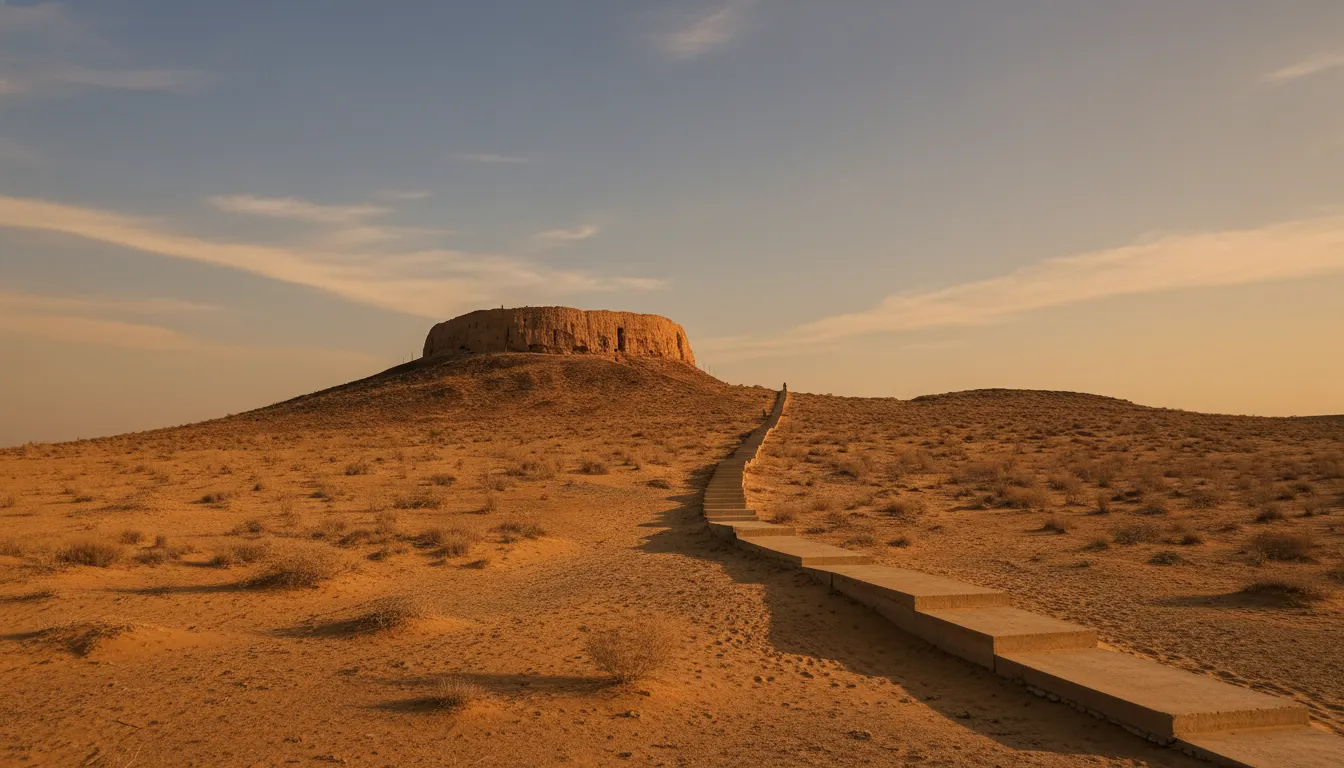
The Whispering Stones of Chilpik Dakhma: A Journey Back in Time
Stepping onto the desolate, wind-swept hill where Chilpik Dakhma resides feels like traversing a portal to another era. For centuries, this circular stone edifice was the solemn stage for a ritual known as sky burial, a cornerstone of the ancient Zoroastrian faith. Unlike most cultures that bury or cremate their dead, Zoroastrians held earth and fire as sacred elements, believing that a decaying corpse would defile them. Their solution was ingenious and, to modern sensibilities, startling: the deceased were brought to places like Chilpik Dakhma, laid out within its open-air confines, and exposed to the elements and carrion birds. This practice, intended to purify the body before the soul's ascent, reflects a deep reverence for nature and a unique understanding of the cycle of life and death.
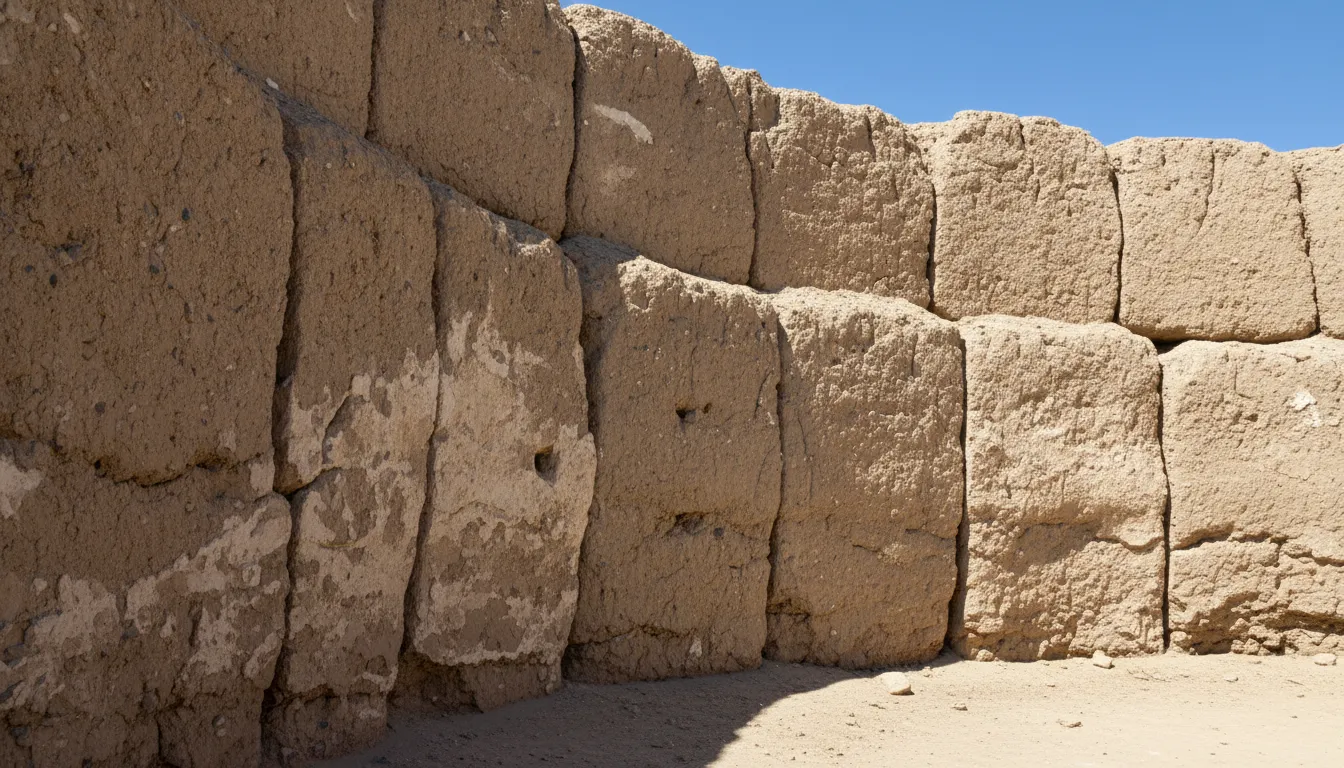
Chilpik Dakhma stands out not just for its existence, but for its remarkable state of preservation. While other Towers of Silence (or Dakhmas) exist, many are in ruins or have been significantly altered. Chilpik offers an almost complete glimpse into what these ritual sites truly looked like and how they functioned. Its sturdy stone walls, though weathered by countless centuries of desert winds, still define the space where the living once brought their dead, performing ceremonies that are now largely lost to time, leaving behind an utterly alien structure on a desolate landscape, whispering tales of forgotten spiritual traditions.
Unveiling Ancient Rituals: The Zoroastrian Legacy
To understand Chilpik Dakhma is to delve into the rich tapestry of Zoroastrianism, one of the world's oldest monotheistic religions, founded by the prophet Zoroaster in ancient Persia. Its influence once stretched across vast swathes of Central Asia, including what is now Uzbekistan. The core tenets of Zoroastrianism revolve around the eternal conflict between Asha (truth, order) and Druj (falsehood, chaos), and the importance of good thoughts, words, and deeds.
The practice of sky burial, or excarnation, was intrinsically linked to these beliefs. By allowing the elements and birds to consume the flesh, the physical body – seen as a temporary vessel – was purified without contaminating the sacred earth or fire. Bones would then be collected and placed into ossuaries, marking the final stage of the ritual. This profound respect for the natural world and its elements shaped every aspect of Zoroastrian life, including the ultimate disposition of the dead.
The use of Chilpik Dakhma, like other Towers of Silence, gradually ceased in the mid-20th century. This was largely due to changing political landscapes, particularly the influence of the Soviet Union which discouraged religious practices, and evolving societal norms. Today, the Dakhma stands as a poignant reminder of a powerful faith and a way of life that, while no longer practiced in this manner, left an indelible mark on the cultural and spiritual heritage of Central Asia. It's a place where history isn't just read in books, but felt in the silent stones and the vast expanse of the sky above.
What Awaits You: A Hauntingly Beautiful Landscape
Your visit to Chilpik Dakhma begins long before you reach the structure itself. The journey across the vast, flat plains of Karakalpakstan sets the scene. As you approach the lone, prominent hill, the Dakhma slowly emerges, a stark, circular silhouette against the boundless sky. It’s a moment of profound realization – this isn't just an archaeological site; it's a spiritual landmark, a place of immense historical weight.
Climbing the gentle slope of the hill, you'll feel the desert wind, dry and ancient, whipping around you. The views from the top are simply breathtaking. In every direction, the landscape stretches out, flat and empty, to the horizon. It’s a panoramic vista of raw, untamed nature, punctuated only by the distant shimmer of the Amu Darya river. This solitude amplifies the Dakhma's presence, making it feel even more isolated and significant.
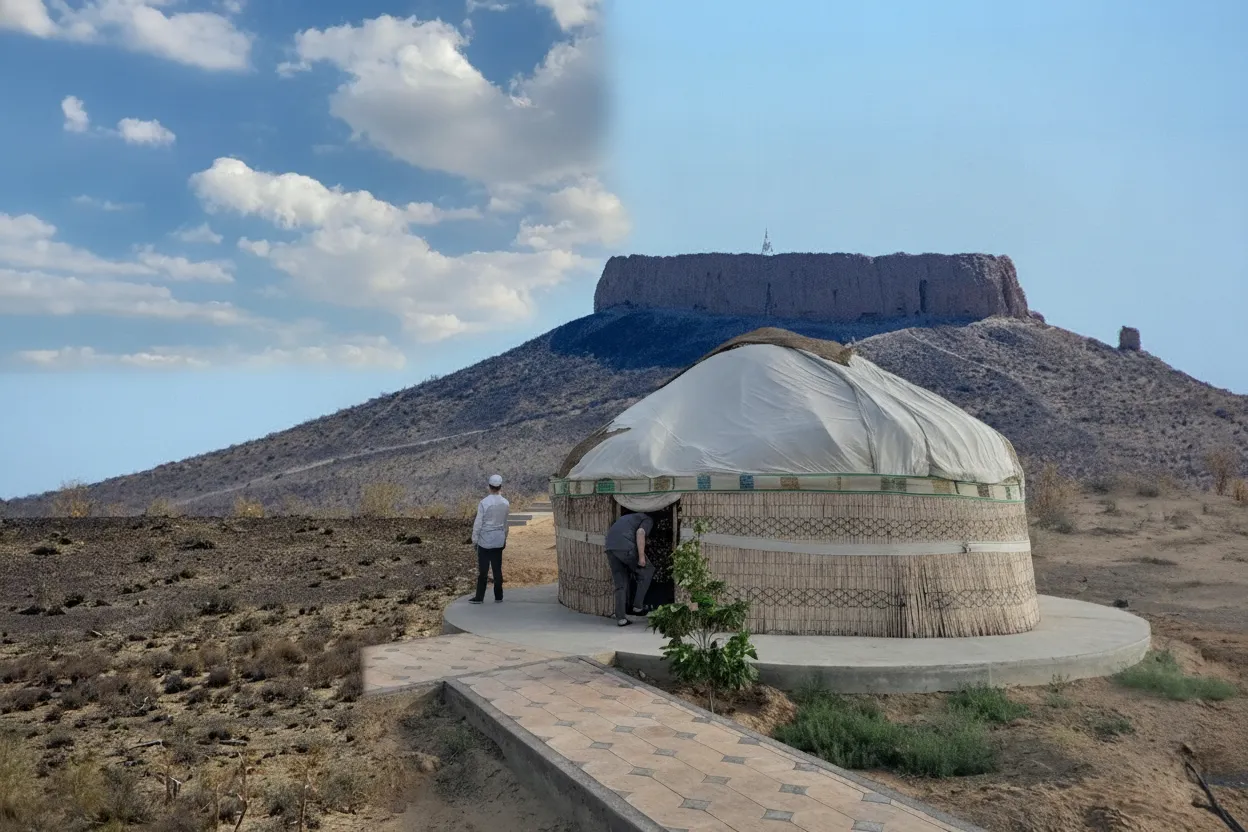
Inside the Dakhma, the circular walls rise, open to the sky. While the precise internal divisions for bodies are no longer perfectly intact, the sheer scale and design evoke its original purpose. The silence here is almost absolute, broken only by the wind and perhaps the call of a distant bird – a subtle, yet powerful reminder of the carrion birds that once played a vital role in the Zoroastrian funerary rites. Standing within these ancient walls, under the immense Central Asian sky, is an experience that transcends mere observation. It’s an invitation to contemplate mortality, belief, and humanity’s endless quest for meaning.
Planning Your Pilgrimage to the Past: Practical Tips
Visiting Chilpik Dakhma is an adventure, a journey off the well-trodden tourist path, but it's an incredibly rewarding one. The Dakhma is located approximately 100-110 kilometers south of Nukus, the capital of Karakalpakstan.
Getting There: The most practical way to reach Chilpik Dakhma is by hiring a private taxi or arranging a tour from Nukus. Public transport options are virtually non-existent for this remote site. Many local tour operators in Nukus offer day trips that can combine Chilpik Dakhma with other fascinating sights in Karakalpakstan, such as the Savitsky Museum (a world-renowned collection of avant-garde Soviet art) or even remnants of the Aral Sea disaster.
Best Time to Visit: Spring (April-May) and Autumn (September-October) offer the most pleasant weather for exploring Karakalpakstan. Summers (June-August) can be intensely hot, with temperatures often exceeding 40°C (104°F), making outdoor exploration challenging. Winters (November-March) can be very cold and windy.
What to Bring: This is a desert environment, so preparation is key:
- Water: Carry plenty of water, as there are no facilities at the site.
- Sun Protection: A wide-brimmed hat, sunglasses, and high-SPF sunscreen are essential.
- Comfortable Shoes: You'll be walking on uneven terrain and climbing a hill.
- Snacks: Pack some energy bars or snacks, especially if you're on a longer tour.
- Camera: The photographic opportunities, especially at sunrise or sunset, are unparalleled.
- Warm Layers: Even in spring/autumn, desert evenings can be cool, and the wind can be biting.
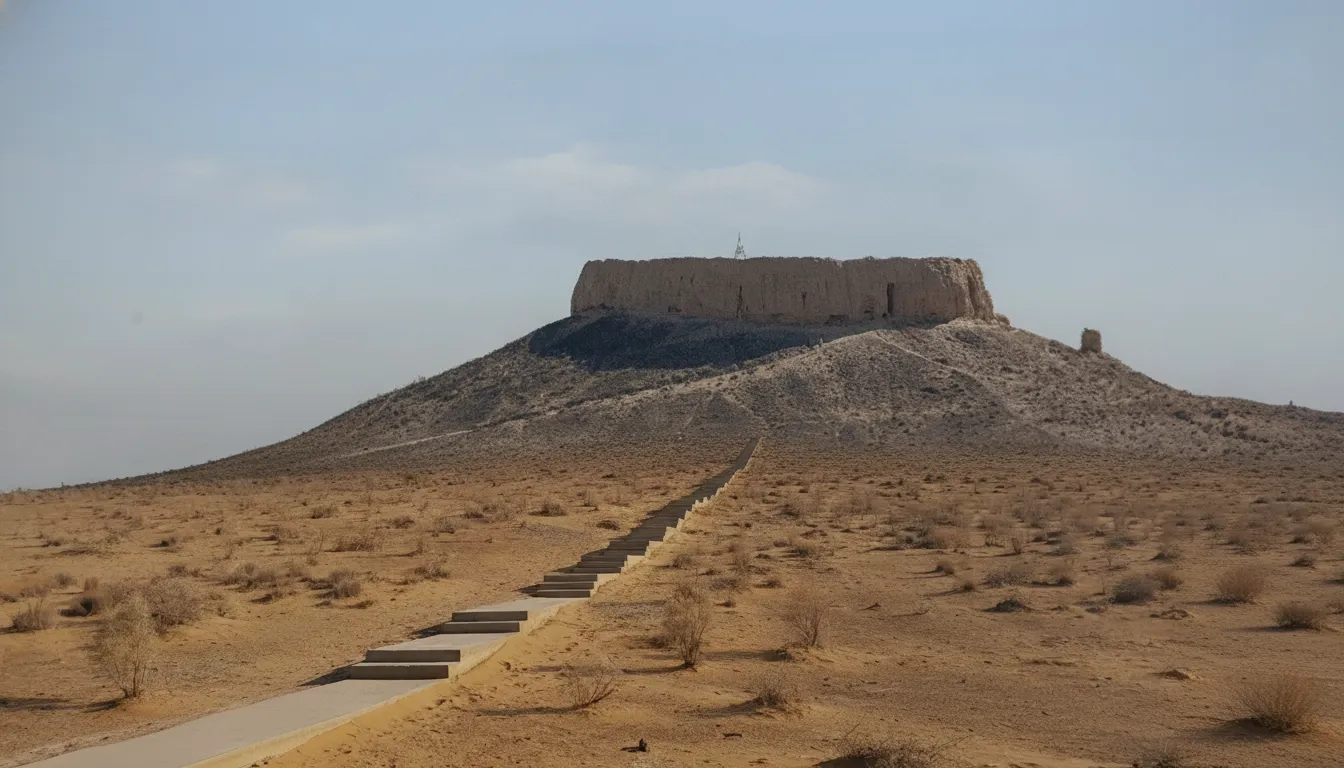
Respectful Conduct: Remember that Chilpik Dakhma is a site of profound historical and religious significance. Treat it with respect. Do not disturb the stones, leave any litter, or engage in any disrespectful behavior. Absorb the atmosphere, reflect on its history, and leave only footprints.
A visit to Chilpik Dakhma is more than just ticking off a landmark; it’s an immersive journey into the depths of human spirituality and the enduring power of belief. It’s a reminder that even in the most desolate corners of our world, stories of incredible ancient cultures await discovery, offering a perspective that will undoubtedly enrich your understanding of our shared human heritage.
Essential Travel Information
- Location Chilpik Dakhma, Uzbekistan
- Best Time April-May (Spring) or September-October (Autumn)
- Getting There Hire a private taxi or arrange a tour from Nukus (approx. 100-110 km south).
- Airport Nukus International Airport (NCU)
- Budget Mid-range (approx. $50-100 USD daily, excluding long tours)
- Language Karakalpak, Uzbek, Russian
Find Places to Stay Near Chilpik Dakhma
Compare hotels, hostels, and unique stays in Uzbekistan.
Search AccommodationTours & Experiences Near Chilpik Dakhma
Book guided tours, day trips, and unique experiences.
Browse Tours