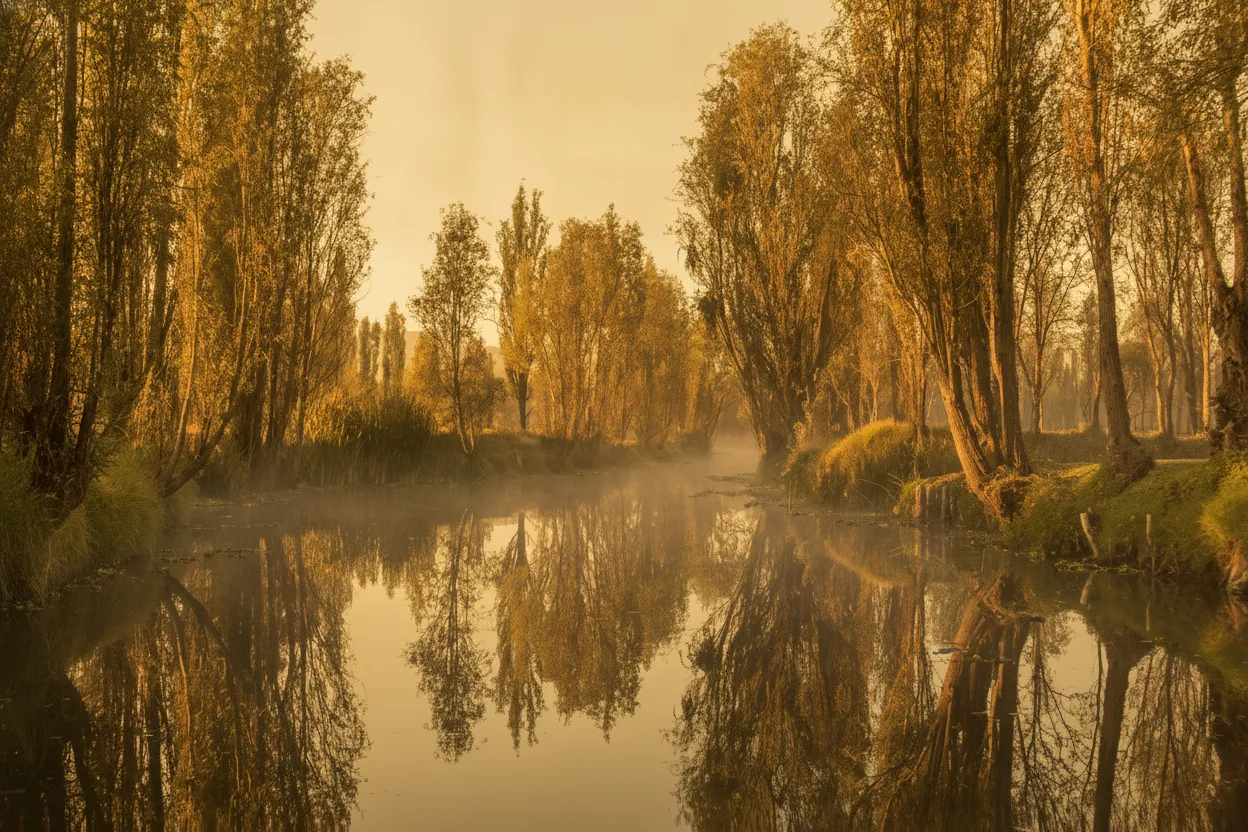
Imagine an ancient agricultural marvel where entire islands of fertile land float on a vast network of canals, a vibrant remnant of Aztec ingenuity still alive and thriving. This isn't a scene from a forgotten legend, but a living, breathing landscape just a stone's throw from the bustling metropolis of Mexico City. Welcome to the Chinampas de Xochimilco, a UNESCO World Heritage site that promises an experience unlike any other. Step aboard a brightly painted *trajinera*, let the gentle current guide you through a labyrinth of waterways, and prepare to be transported centuries back in time to the heart of the Aztec Empire. This isn't just a destination; it's a journey into a surreal, vibrant, and utterly unique way of life that continues to defy the march of modernity.
The Floating Gardens: A Miracle of Ancient Engineering
What makes Xochimilco so utterly captivating? It's the sheer audacity and brilliance of its creation. The Chinampas, often referred to as "floating gardens," are not naturally occurring islands. They are a pre-Hispanic feat of engineering, meticulously constructed by the indigenous peoples of Mesoamerica, long before the arrival of the Spanish. Picture this: ancient farmers, facing a marshy landscape and a growing population, devised an ingenious solution. They painstakingly piled up layers of mud, decaying vegetation, and lake sediment, gradually building up artificial islands, or *chinampas*, from the lakebed itself. These narrow, rectangular plots of land, separated by equally narrow canals, created incredibly fertile ground for cultivation, allowing the Aztecs to sustain their massive empire.
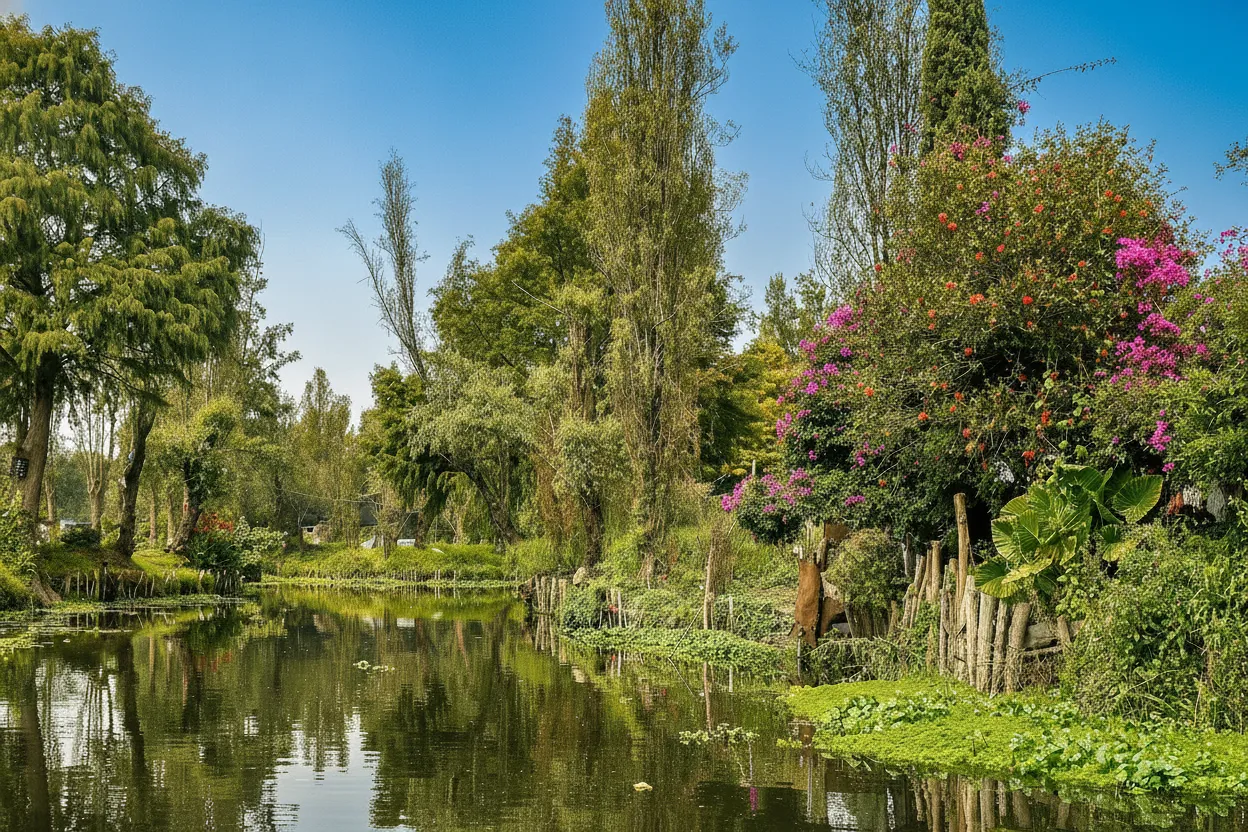
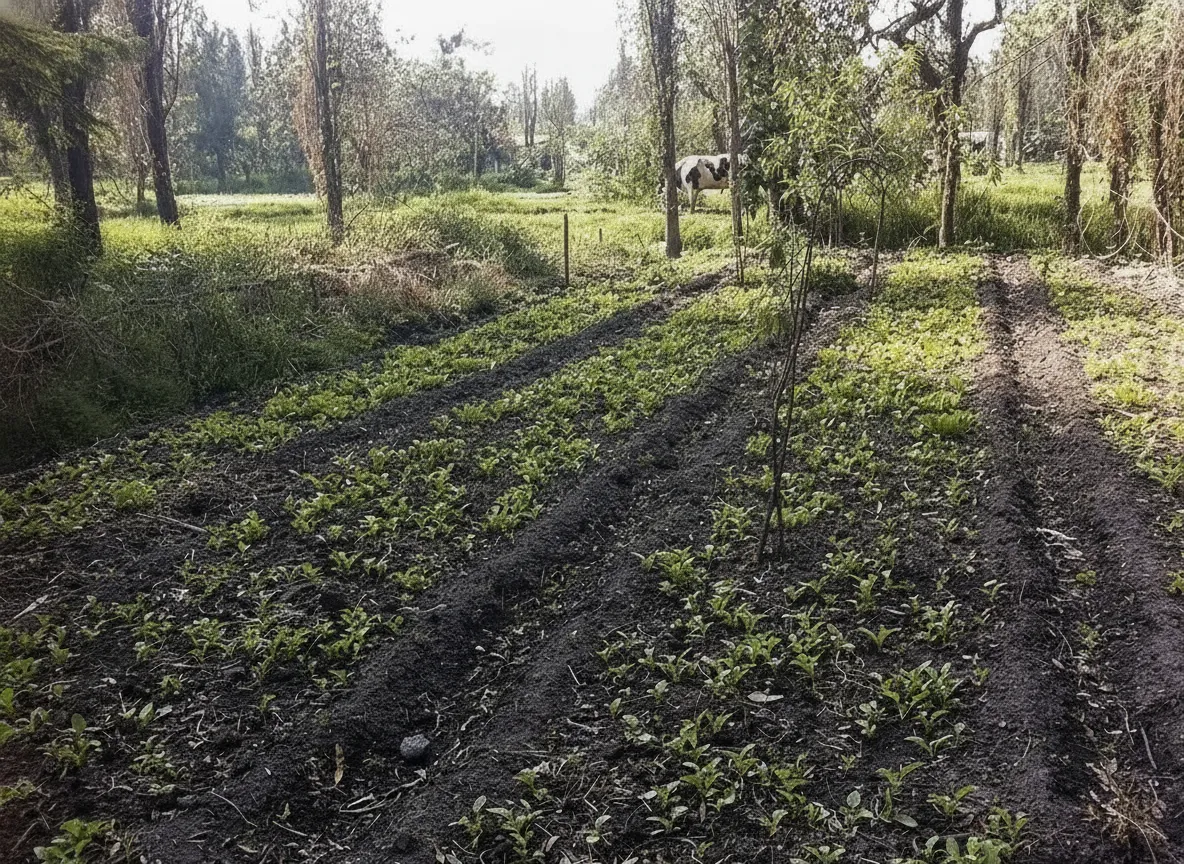
Today, these chinampas are still actively farmed, providing fresh produce for Mexico City and preserving an agricultural tradition that dates back over a thousand years. As you drift past, you'll see farmers tending their crops – corn, beans, squash, flowers – using techniques passed down through generations. It’s a living museum, a testament to human ingenuity and adaptation, demonstrating a harmonious relationship with the environment that feels both ancient and remarkably relevant today. The sight of these verdant islands, seemingly floating on the water, creates a landscape that is both beautiful and deeply thought-provoking.
A Glimpse into Aztec History
To truly appreciate Xochimilco, one must understand its historical context. Before the Spanish conquest, the Valley of Mexico was a vast network of interconnected lakes. Tenochtitlan, the magnificent capital of the Aztec Empire (which would later become Mexico City), was built on an island in Lake Texcoco. To feed its burgeoning population, the Aztecs developed the chinampa system on the shallower, more fertile waters of Lake Xochimilco. This sophisticated agricultural technique allowed for multiple harvests a year, turning a marshy wasteland into an incredibly productive food source.
The name "Xochimilco" itself comes from Nahuatl, meaning "flower field," a nod to the area's rich agricultural heritage, particularly its beautiful flowers. While much of the original lake system was drained by the Spanish to prevent flooding and make way for urban expansion, Xochimilco remains the last vestige of this ancient lacustrine environment. It’s a precious ecological reserve and a cultural treasure, offering a direct link to the ingenuity and daily life of one of history's most fascinating civilizations. Wandering through its canals is like stepping into a time capsule, where the echoes of Aztec canoes still seem to ripple across the water.
What You'll See and Experience on the Canals
A visit to Xochimilco is primarily about the *trajinera* experience. These brightly colored, flat-bottomed boats, often adorned with vibrant floral decorations and given whimsical names like "La Consentida" (The Darling) or "Mi Lupita," are your chariots for exploring the canals. As you settle into one of the picnic tables on board, you'll quickly realize this isn't just a boat ride; it's a floating fiesta.
The atmosphere is undeniably festive. Mariachi bands in other trajineras will serenade you for a fee, their trumpets and guitars echoing across the water. Vendors in smaller boats will paddle up to offer an array of delights: tantalizing tacos, refreshing micheladas, sweet corn, artisan crafts, and even flower arrangements. It’s a vibrant, sensory overload in the best possible way. You'll pass other groups celebrating birthdays, family reunions, or just enjoying a leisurely afternoon, often with music blaring and laughter filling the air.
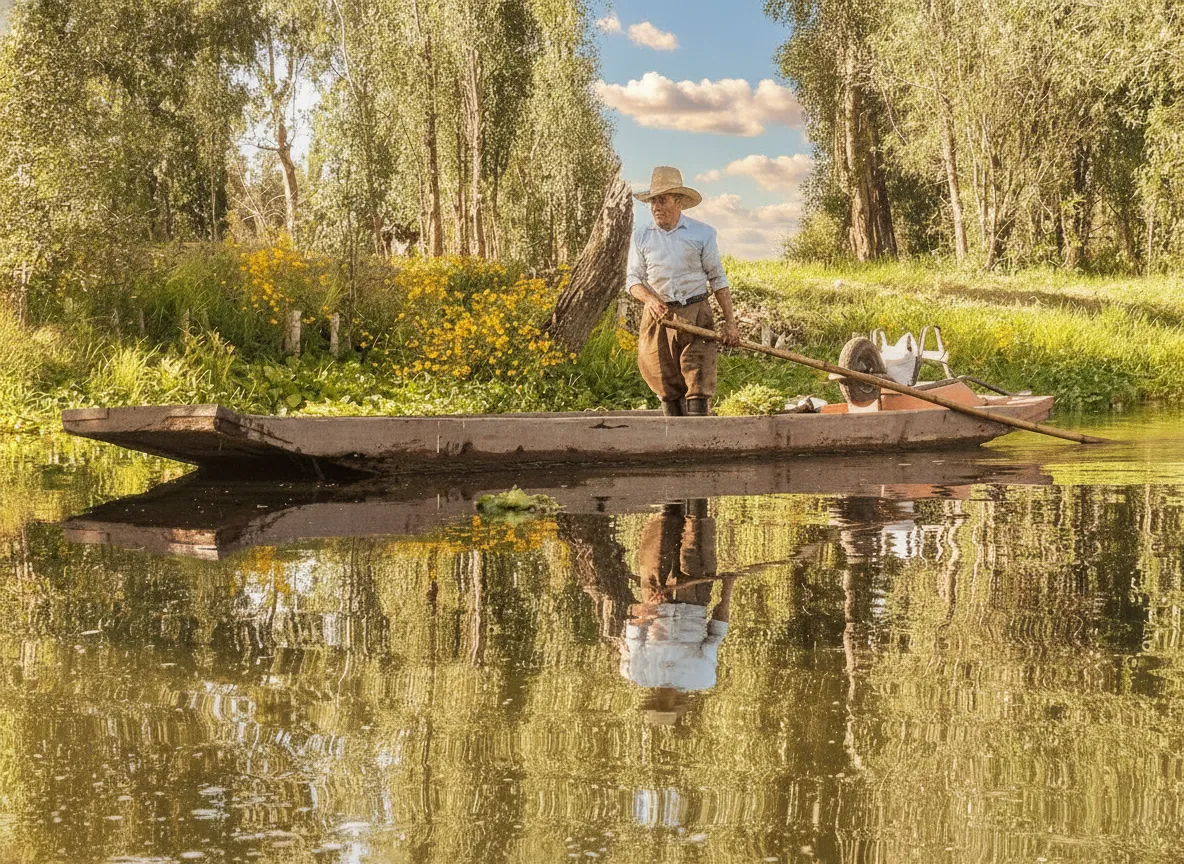
Beyond the party atmosphere, take time to observe the unique ecosystem. Birdwatchers will delight in spotting various waterfowl, and if you're lucky, you might even catch a glimpse of the critically endangered axolotl salamander in one of the conservation areas (though direct sightings in the wild are rare). The true magic, however, lies in observing the farmers at work on their chinampas, silently tending to their crops, a timeless practice amidst the lively commotion. For those seeking a slightly more eerie adventure, some tours offer a stop at the famous (or infamous) Isla de las Muñecas, the Island of the Dolls, a chilling spectacle of decaying dolls adorning trees – a unique, albeit macabre, detour from the chinampas' natural beauty.
Practical Tips for Your Xochimilco Adventure
Ready to embark on your own Xochimilco journey? Here are some friendly tips from a well-traveled friend:
Getting There
Xochimilco is located south of Mexico City's historic center. The easiest way to get there is by taking the light rail (Tren Ligero) from Tasqueña metro station all the way to the Xochimilco terminal. From there, it's a short walk to one of the many *embarcaderos* (piers). Alternatively, ride-sharing apps like Uber or DiDi, or a regular taxi, can take you directly to an embarcadero, which might be more convenient if you're traveling in a group.
Hiring a Trajinera
This is crucial! Trajineras are rented by the hour, *per boat*, not per person. The official rates are usually posted at the embarcaderos, but always confirm the price and duration before you set off. Don't be afraid to negotiate, especially if you're visiting on a weekday when it's less busy. A typical ride lasts 1-2 hours, but you can arrange for longer. Sharing a boat with friends makes it much more economical and fun!
Best Time to Visit
Weekdays (Tuesday-Friday) are generally more relaxed and less crowded, perfect if you prefer a tranquil experience. Weekends, especially Sundays, are a full-blown party, with families and friends flocking to the canals for celebrations. Both offer unique vibes, so choose what suits your style! The dry season (October to May) offers the most pleasant weather.
What to Bring
Sunscreen and a hat are essential, as you'll be exposed to the sun for hours. Bring cash for vendors, mariachis, and any tips. You can bring your own food and drinks aboard, or purchase them from the floating vendors. A cooler with ice is a great idea if you plan on a longer trip. Don't forget your camera – the photo opportunities are endless!
Food and Drink
While the floating vendors offer a tempting array of snacks and meals, exercise caution with street food if you have a sensitive stomach. Stick to bottled drinks or well-known brands. Many people opt to bring their own picnic baskets, which is a fantastic way to enjoy a personalized meal on the water.
Respectful Tourism
Remember that Xochimilco is not just a tourist attraction; it's a living community and a vital ecosystem. Be mindful of your waste, avoid littering, and respect the local farmers and their way of life. Support local vendors and artisans to contribute to the preservation of this incredible heritage.
Xochimilco is more than just a place; it's an experience that awakens the senses and ignites the imagination. It’s a vibrant tapestry woven from ancient history, ingenious engineering, and an irrepressible spirit of celebration. So, when you plan your next adventure to Mexico City, don't just see the pyramids and museums; venture south to Xochimilco. Let the colorful trajineras carry you through a landscape where the past and present gracefully float together, and discover for yourself the enduring magic of Mexico's floating gardens. It's an unforgettable journey that will leave you with stories for a lifetime.
Essential Travel Information
- Location Chinampas de Xochimilco, Mexico
- Best Time October to May (dry season, pleasant weather). Weekdays for tranquility, weekends for vibrant celebrations.
- Getting There Take the light rail (Tren Ligero) from Tasqueña metro station to Xochimilco terminal. Alternatively, use ride-sharing services (Uber/DiDi) or taxis.
- Airport Mexico City International Airport (MEX)
- Budget Budget/Mid-range (approx. $30-70 USD per day, excluding trajinera rental which is per boat)
- Language Spanish
Find Places to Stay Near Chinampas de Xochimilco
Compare hotels, hostels, and unique stays in Mexico.
Search AccommodationTours & Experiences Near Chinampas de Xochimilco
Book guided tours, day trips, and unique experiences.
Browse Tours