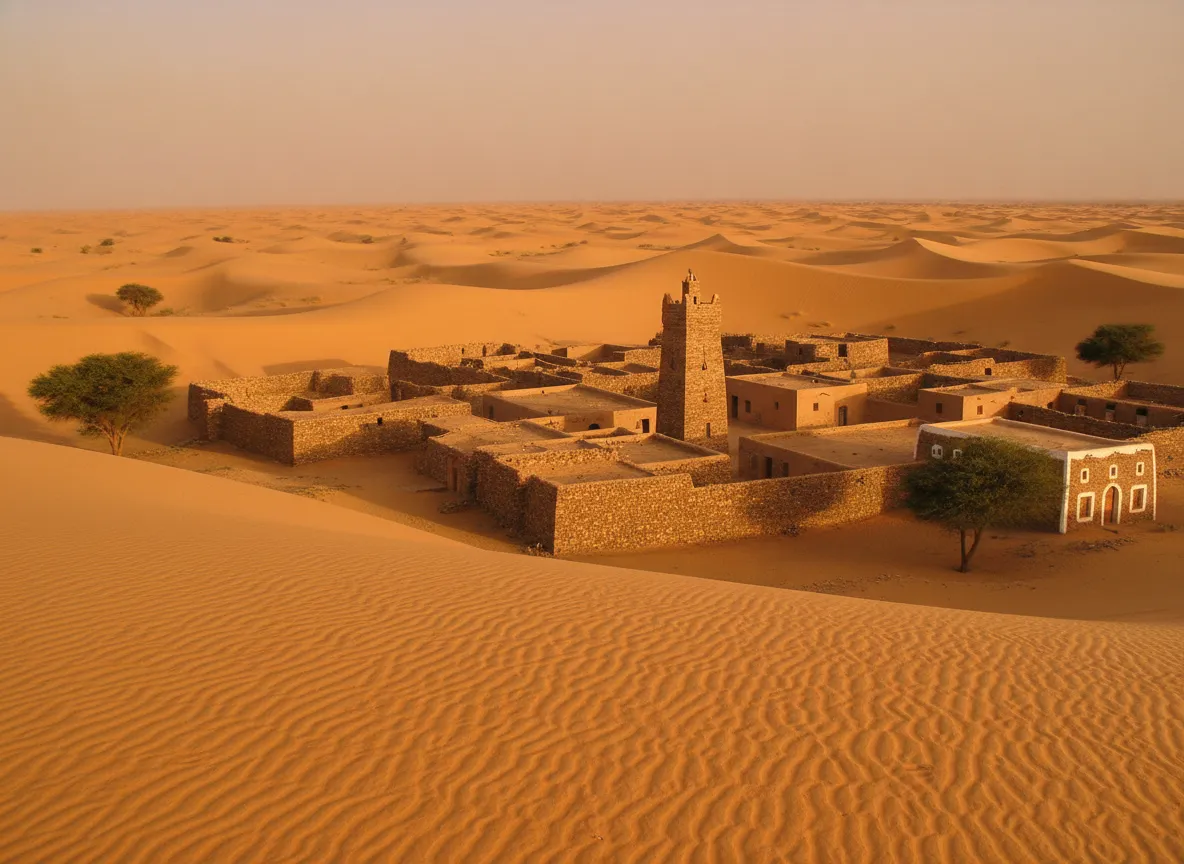
Deep in the scorching Mauritanian desert, where endless dunes ripple like a golden ocean, lies a ghost-like city of sand-blasted stone. This isn't just any ancient ruin; it's Chinguetti, a place that preserves a forgotten intellectual legacy from a time when it was a beacon of Islamic scholarship, radiating knowledge across the Sahara. Imagine stepping into a living museum, where the whispers of a thousand years echo through ancient alleyways, and priceless knowledge is guarded against the relentless march of the desert itself.
Chinguetti, nestled in Mauritania's remote Adrar Region, is more than just a destination; it's an experience that transcends time. Once a thriving medieval trans-Saharan trade hub and a pivotal center of Islamic learning, it now stands as a haunting testament to human perseverance. This UNESCO World Heritage site, often referred to as the "seventh holy city of Islam" for West Africa, offers a glimpse into a golden age of intellectual curiosity and spiritual devotion, all while battling the encroaching Sahara, dune by relentless dune.
Chinguetti: Where Time Stands Still and Sands Whisper Tales
What makes Chinguetti so profoundly special isn't just its age, but its astonishing resilience. This isn't a city preserved in amber; it's a living, breathing community clinging to existence amidst the vast, unforgiving desert. The very air here seems to hum with history, saturated with the stories of scholars, traders, and pilgrims who once thronged its streets. It’s a place where you can feel the weight of centuries in the worn stone, witness the struggle of a civilization against nature's might, and marvel at the tenacity of those who refuse to let its legacy fade.
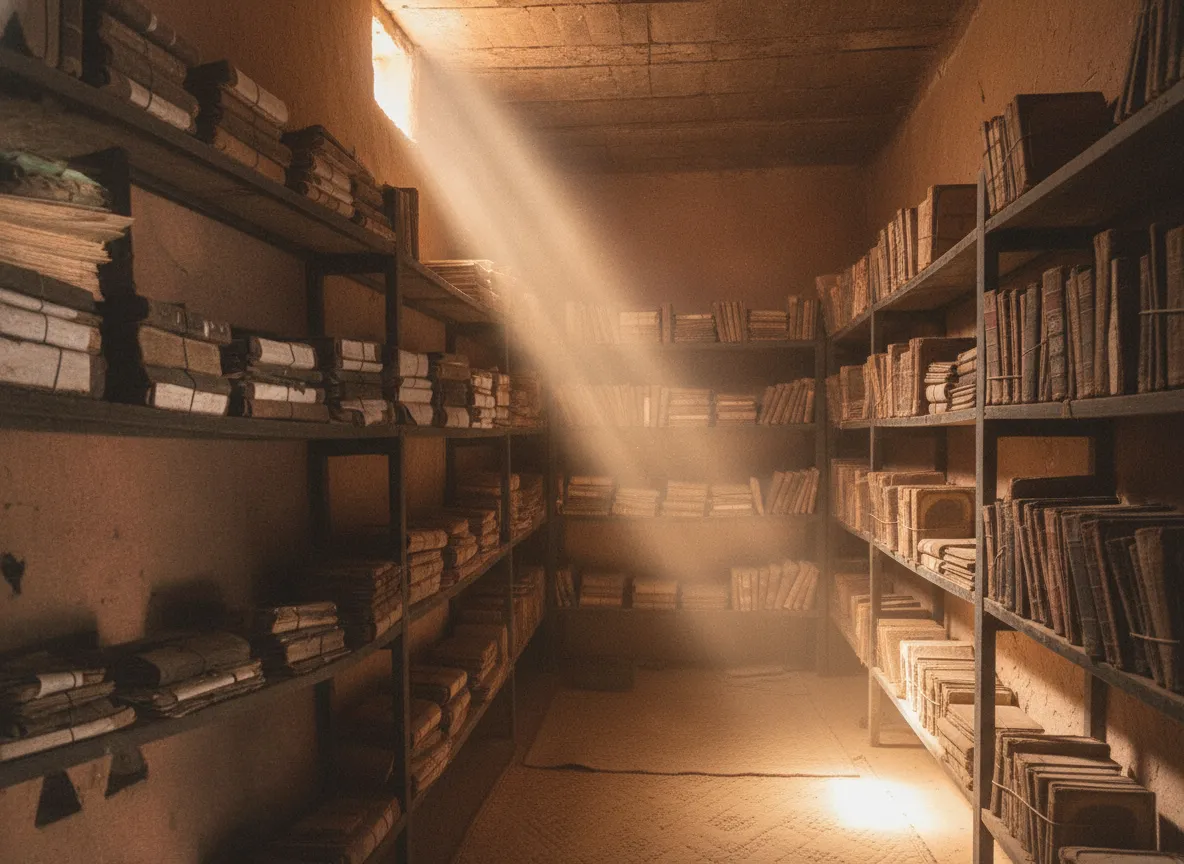
The true heart of Chinguetti's allure lies within its ancient mud-brick libraries. Here, tucked away in unassuming homes, are thousands of fragile, centuries-old manuscripts – some dating back to the 9th century. These aren't museum exhibits behind glass; they are living artifacts, meticulously cared for by the descendants of the very scholars who penned them. To hold one of these delicate, leather-bound tomes, to see the intricate calligraphy and feel the brittle parchment, is to touch a direct link to a forgotten era of unparalleled intellectual flourishing. It’s an intimate encounter with history that few places on Earth can offer, a profound reminder of the universal human quest for knowledge.
A Journey Through Time: Chinguetti's Illustrious Past
The story of Chinguetti begins long before its formal founding in the 13th century. Its strategic location at the crossroads of major trans-Saharan trade routes made it a natural gathering point for caravans laden with salt, gold, dates, and goods from across the continent. This flow of commerce brought not only wealth but also ideas, making Chinguetti a crucible of culture and intellect. By the 17th century, it had cemented its reputation as a preeminent center of Islamic scholarship, attracting students and teachers from across North and West Africa.
Pilgrims on their way to Mecca often stopped in Chinguetti, lending it an air of spiritual significance that earned it its revered title. It became a hub for the study of the Quran, Islamic law, astronomy, mathematics, and medicine. Scholars copied, preserved, and disseminated knowledge, creating a vast repository of human wisdom that rivaled the great libraries of the East. Imagine a time when the desert, far from being a barrier, was a superhighway of knowledge, and Chinguetti was one of its brightest stars.
However, the sands of time, much like the desert itself, are ever-shifting. Changes in trade routes, the advent of colonial powers, and the relentless encroachment of the Sahara gradually led to Chinguetti's decline. Its population dwindled, and its once-bustling streets quieted. Yet, even as the desert reclaimed parts of the city, its intellectual legacy endured, carefully safeguarded by families who understood the immense value of the treasures in their keeping. This enduring dedication to heritage in the face of adversity is what makes Chinguetti's history so incredibly compelling.
Unearthing Treasures: What to See and Do in Chinguetti
Visiting Chinguetti is an adventure for the soul, a journey into a landscape and a history that defy easy categorization. Your exploration will undoubtedly begin with the **Ancient Libraries**. Several private family libraries are open to visitors, each offering a unique glimpse into their collections. You'll sit on rugs, sip sweet mint tea, and listen as the manuscript guardians, often descendants of the original scholars, passionately explain the history and significance of their family's treasures. It’s an incredibly personal and moving experience, far removed from the sterile environment of a modern museum.
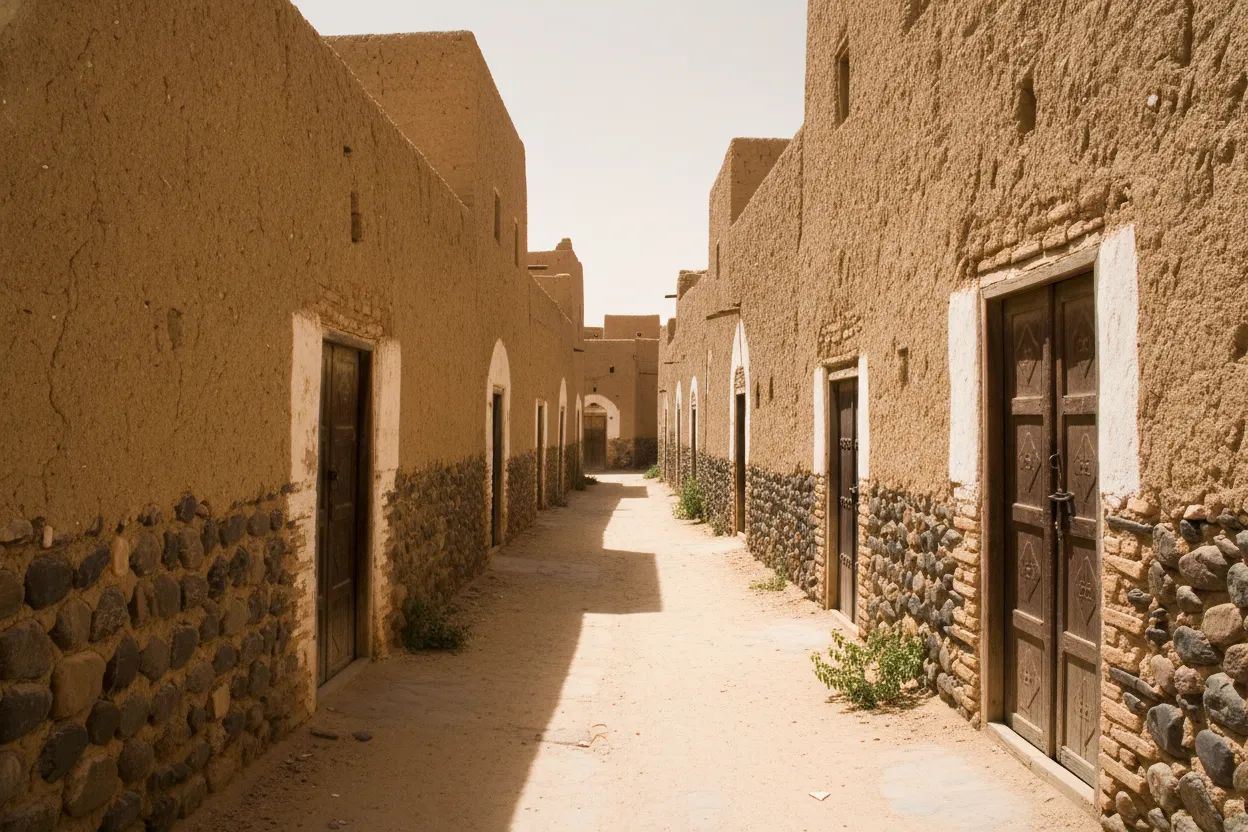
Beyond the manuscripts, the town itself is a marvel. The **Grand Mosque of Chinguetti** is an iconic structure, a stark, unadorned masterpiece of Saharan architecture dating back to the 13th century. Its square minaret, built from dry-stone and mud plaster, is a beacon against the sky, reflecting the simplicity and spiritual depth of the community. Wander through the **Old Town's narrow alleys**, where sand-blasted stone houses stand shoulder to shoulder, some half-buried by dunes. You'll feel as if you've stepped back centuries, observing daily life unfold much as it always has. Look for the intricate wooden doors, each telling a silent story of the families within.
No visit to Chinguetti would be complete without embracing its magnificent natural setting. The surrounding **Sahara Desert** is breathtaking. Consider a camel trek into the dunes at sunset, watching the sky explode in a riot of color over an endless sea of sand. The silence of the desert is profound, offering a chance for introspection and a deeper connection with this ancient land. You might even spot the famous Chinguetti Crater, a geological wonder just a short drive away, adding another layer of intrigue to your desert adventure.
Practical Tips for Your Chinguetti Expedition
Embarking on a journey to Chinguetti requires a sense of adventure and careful planning. It's not a destination for the faint of heart, but the rewards are immeasurable. **Getting there** is part of the experience. Most visitors fly into Atar (ATR), the nearest airport, and then arrange for a 4x4 vehicle with an experienced local guide. The journey from Atar to Chinguetti takes several hours over rough, sandy tracks, making a reliable vehicle and driver essential. Many reputable tour operators in Mauritania can arrange the entire trip, ensuring safety and providing invaluable cultural insights.
The **best time to visit** Chinguetti is during the cooler months, from October to March, when daytime temperatures are more manageable. Even then, expect significant temperature swings between day and night. **Accommodation** in Chinguetti is basic but comfortable, primarily consisting of guesthouses (auberges) offering traditional Mauritanian hospitality. Don't expect luxury; embrace the authenticity.
**What to bring:** Pack lightweight, breathable clothing that covers your skin to protect against the sun and respect local customs. A wide-brimmed hat, sunglasses, and high-SPF sunscreen are crucial. Bring plenty of water, rehydration salts, a good first-aid kit, and any personal medications. Cash (Mauritanian Ouguiya – MRU) is essential, as ATMs are non-existent. A headlamp or flashlight is also very useful for navigating at night.
**Respecting local culture** is paramount. Dress modestly, especially when visiting religious sites or interacting with locals. Always ask permission before taking photographs of people. Learning a few basic Arabic phrases, even "Salam alaikum" (peace be upon you) and "Shukran" (thank you), will be greatly appreciated and open doors to warmer interactions. Remember, you are a guest in a deeply traditional and spiritual community.
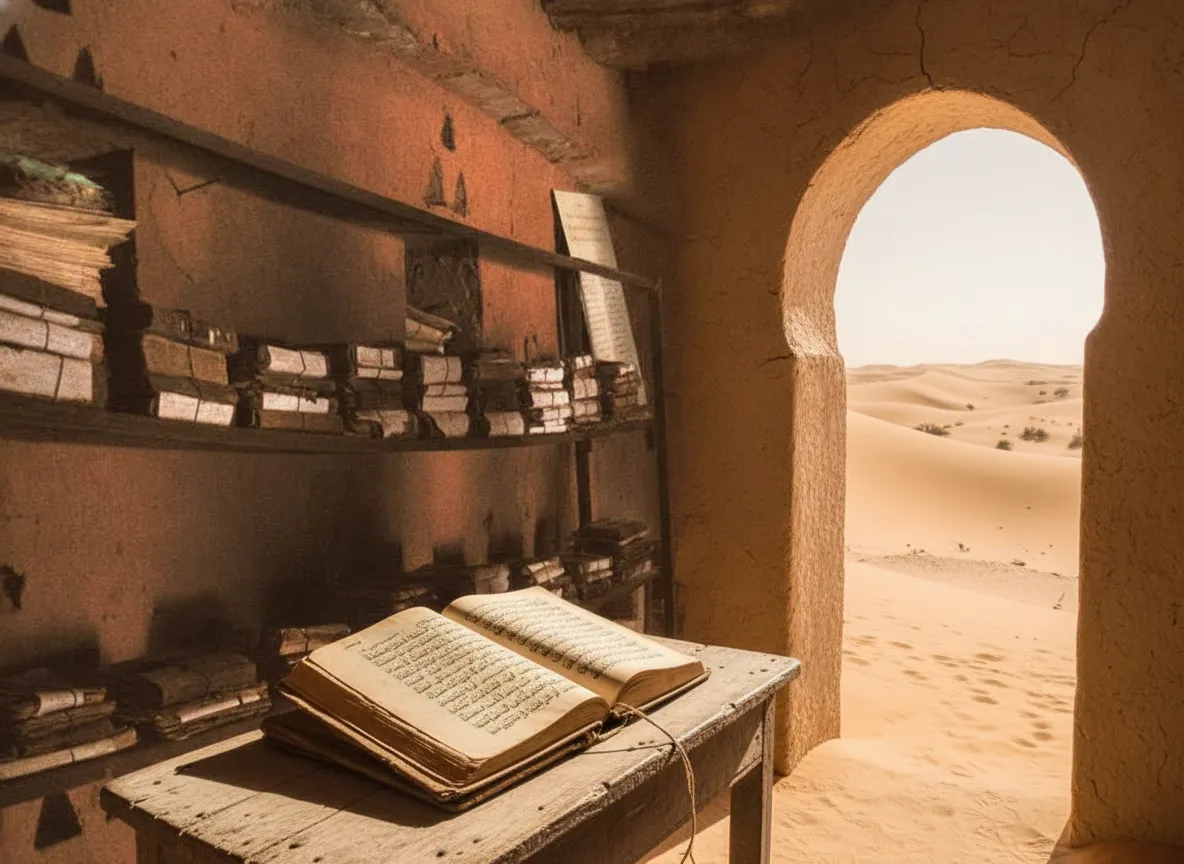
Chinguetti is a place that challenges, fascinates, and ultimately enriches. It's a reminder of humanity's enduring spirit, the fragility of knowledge, and the relentless power of nature. To walk its ancient streets, to feel the desert wind carry the dust of ages, and to hold a centuries-old manuscript in your hands is to connect with a profound narrative that spans millennia. Are you ready to answer the desert's call and uncover the secrets of this extraordinary lost city?
Essential Travel Information
- Location Chinguetti, Mauritania
- Best Time October to March (cooler months)
- Getting There Fly to Atar (ATR), then arrange a 4x4 vehicle with a local guide for the several-hour drive to Chinguetti.
- Airport Atar International Airport (ATR)
- Budget Budget/Mid-range (approx. $50-150 USD per day, depending on tour vs. independent travel)
- Language Arabic (Hassaniya dialect), French
Find Places to Stay Near Chinguetti
Compare hotels, hostels, and unique stays in Mauritania.
Search AccommodationTours & Experiences Near Chinguetti
Book guided tours, day trips, and unique experiences.
Browse Tours