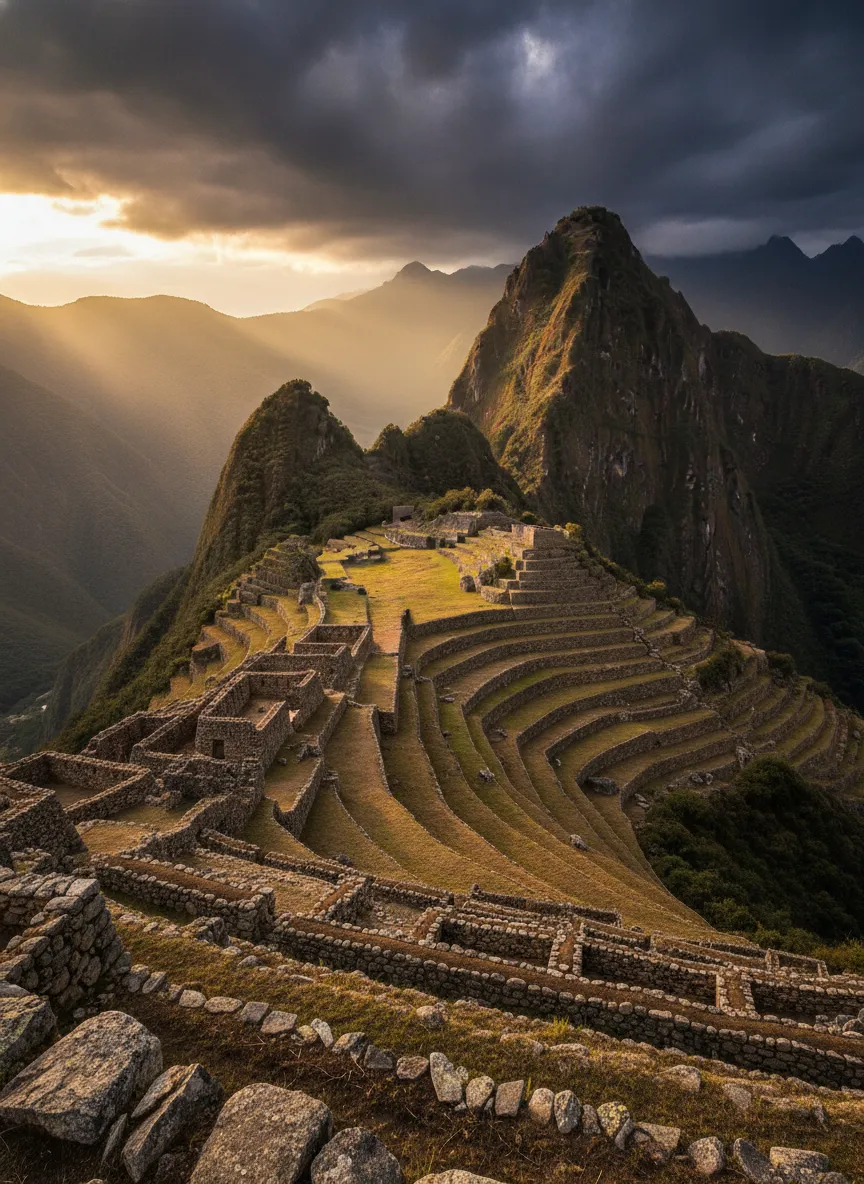
Imagine this: An entire Inca city, larger and more sprawling than the iconic Machu Picchu, sits majestically atop a remote mountain ridge, virtually unknown to the outside world. It's a place where the clouds often hug the ancient stones, where the echoes of a lost empire still whisper on the wind, and where access is granted only to those willing to undertake a grueling, multi-day trek through some of Peru's most breathtaking, yet challenging, terrain. This isn't a fantasy; this is Choquequirao, the 'Cradle of Gold,' Machu Picchu's 'sacred sister,' and arguably the greatest hidden gem of the Inca Empire, waiting for only the most intrepid adventurers to rediscover its secrets.
Choquequirao: A Glimpse into the Inca's Last Stand
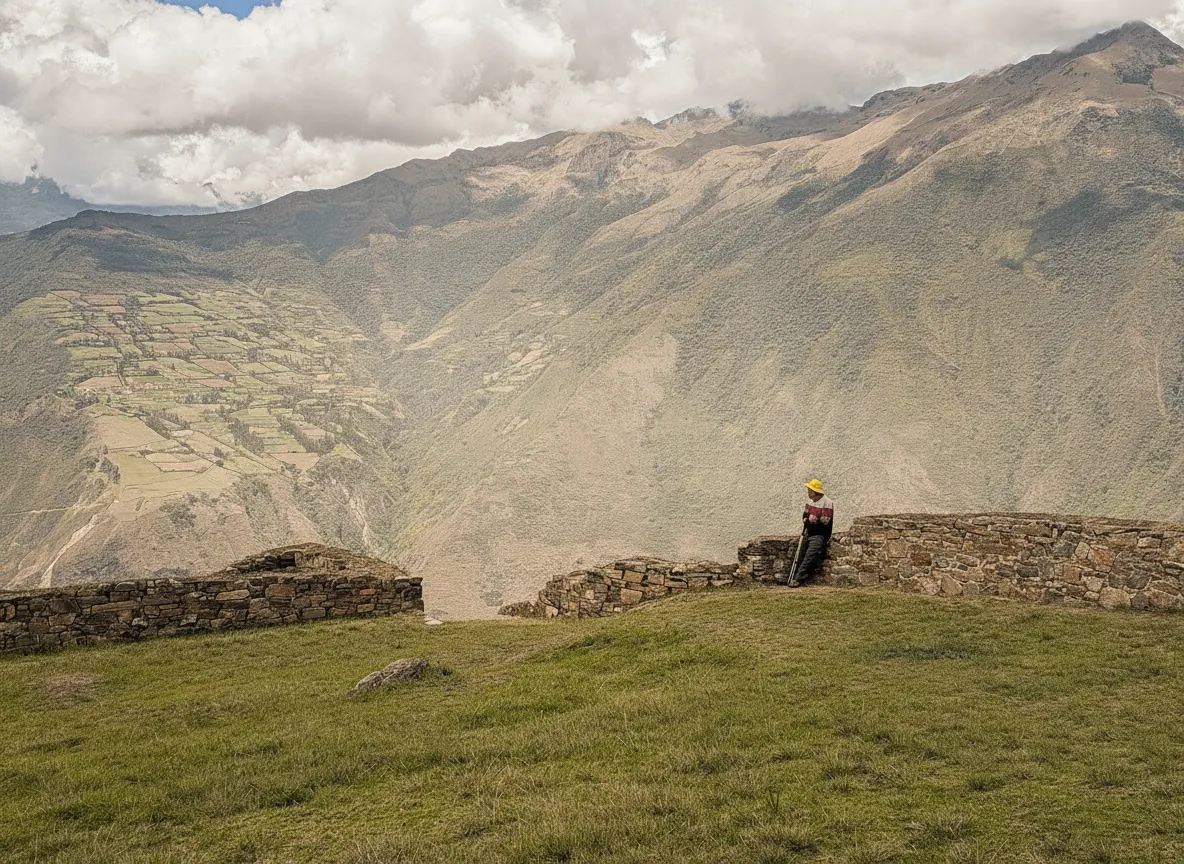
Nestled high above the roaring Apurímac River in the heart of the Cusco Region, Choquequirao is a sprawling Inca citadel built into a steep mountainside. Unlike its famous sibling, which sees millions of visitors annually, Choquequirao welcomes only a handful of dedicated explorers each day. Its extreme inaccessibility isn't a deterrent; it's a fundamental part of its allure, preserving much of its mystery and ensuring that the experience remains profoundly intimate and awe-inspiring. This isn't just a historical site; it's a living, breathing testament to Inca ingenuity and resilience, shrouded in dense cloud forest and revealing its wonders slowly, deliberately, to those who earn the privilege.
What makes Choquequirao truly special, beyond its sheer scale and isolation, are the intricate details that reveal themselves as you explore. You'll find elaborate stone buildings, vast agricultural terraces carved with astonishing precision, and, most famously, unique white llama figures formed from quartz embedded into the terraces – a sight found nowhere else in the Inca world. These 'Llamas del Sol' are believed to be celestial representations, guiding spirits, or perhaps markers for astronomical events, adding another layer of mystique to an already enigmatic place. To stand here, surrounded by such grandeur and silence, is to feel a profound connection to a civilization that defied the limits of human achievement.
Whispers from the Past: The Enduring History of Choquequirao
While much of Choquequirao's history remains shrouded in speculation, archaeological evidence and historical accounts paint a fascinating picture. Built in the late 15th century, likely during the reign of Pachacutec or his successor, Tupac Inca Yupanqui, Choquequirao served multiple strategic and ceremonial purposes. It was an important administrative and religious center, controlling access to the jungle regions and potentially acting as a gateway to the Amazon basin. Its construction reflects the zenith of Inca engineering and architectural prowess, with stones fitted together without mortar, designed to withstand earthquakes and the test of time.
However, Choquequirao truly comes into its own in the narrative of the Spanish Conquest. After the fall of Cusco in 1536, the Inca ruler Manco Inca Yupanqui led a rebellion and retreated to Vilcabamba, establishing a Neo-Inca state that resisted Spanish rule for decades. Choquequirao, strategically located and difficult to access, is believed to have been one of the last bastions of Inca resistance, a refuge where the Inca elite preserved their culture, traditions, and knowledge away from the conquistadors' reach. It was here, or in similar remote strongholds, that the flame of Inca civilization continued to flicker, making it a profoundly significant site for understanding the tenacity of a people against overwhelming odds.
Unlike Machu Picchu, which was 'discovered' by Hiram Bingham in 1911 and quickly gained global fame, Choquequirao's rediscovery was a more gradual process, with explorers and treasure hunters visiting it over centuries, but its true archaeological significance only began to be understood in the latter half of the 20th century. Even today, only an estimated 30-40% of the site has been fully excavated and cleared from the encroaching jungle, leaving vast sections still hidden, waiting to reveal more secrets.
Unveiling the Citadel: What You'll Discover at Choquequirao
Your reward for the arduous journey is an unparalleled opportunity to explore an extensive Inca city, often feeling as though you have the entire place to yourself. The scale of Choquequirao is truly breathtaking, spread across several sectors connected by intricate paths and staircases, often clinging to precipitous slopes. As you traverse the site, you'll encounter a diverse array of structures and features:
- The Main Plaza (Hanan and Hurin): These central plazas served as gathering points for ceremonies and administrative functions. The precision of the stonework here is a testament to the Inca's mastery.
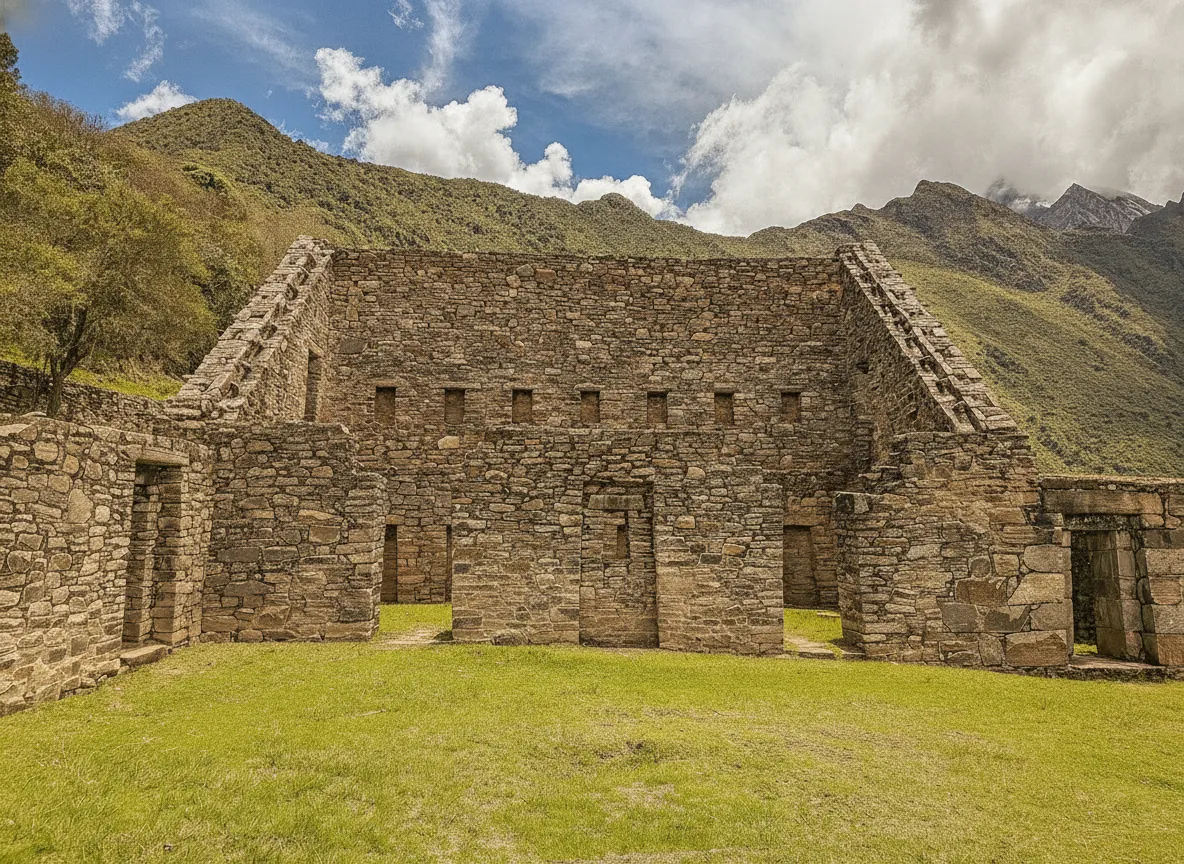
- Residential Areas: Explore the living quarters of the Inca elite, complete with multi-story buildings and intricate drainage systems.
- Ceremonial Platforms and Temples: Discover sacred spaces dedicated to Inca deities, where rituals and offerings would have taken place.
- Agricultural Terraces: These massive terraces, known as andenes, are a marvel of engineering, transforming steep hillsides into fertile farmland. They demonstrate the Inca's ability to feed a large population in challenging terrain.
- The Llamas del Sol: This is arguably Choquequirao's most famous and unique feature. On one set of terraces, a series of 22 white llama figures, crafted from quartz stones set into the dark rock, appear to ascend the mountainside. They are believed to represent the constellations, a ceremonial procession, or a tribute to the sacred animals. Standing before them is a truly magical experience.
- Kallankas: These large, rectangular halls likely served as communal dwellings or administrative buildings, showcasing the communal aspects of Inca life.
Every corner turned, every staircase climbed, unveils another layer of this remarkable city. The feeling of exploration is palpable, and the sheer effort required to reach it only amplifies the profound sense of accomplishment and wonder as you wander through these ancient stones, touched by history and surrounded by unparalleled natural beauty.
Your Journey to the "Cradle of Gold": Practical Tips for Visiting Choquequirao
Visiting Choquequirao is not for the faint of heart, but for those with a spirit of adventure, it offers an unforgettable experience far removed from the tourist crowds. Here's what you need to know to plan your epic journey:
The Trek: The most common route is a challenging 4-5 day round trip from the village of Cachora. The trek involves significant elevation changes, including a steep descent into the Apurímac canyon and an equally arduous ascent to the citadel. It's physically demanding, requiring good fitness and acclimatization to altitude. Some extended treks combine Choquequirao with Machu Picchu, making it a 7-9 day adventure.
Altitude: Choquequirao itself sits at approximately 3,050 meters (10,000 feet) above sea level, with passes reaching over 3,300 meters (10,800 feet). Acclimatize in Cusco (3,400m / 11,200ft) for at least 2-3 days before starting your trek.
Guides and Porters: While it's technically possible to trek independently, it's highly recommended to go with an experienced local guide and a team of porters or muleteers. They provide essential navigation, carry your gear, prepare meals, and offer invaluable insights into the local culture and history. Their support is crucial for a safe and enjoyable journey.
What to Pack: Be prepared for varying weather conditions. Essential items include sturdy hiking boots, layers of clothing (for warm days and cold nights), rain gear, sun protection (hat, sunglasses, high-SPF sunscreen), insect repellent, a headlamp, a first-aid kit, plenty of water, and high-energy snacks. A good quality tent and sleeping bag are also vital if camping.
Accommodation: There are no hotels at Choquequirao. The trek involves camping at designated campsites along the route, offering basic facilities. Some camps may have small shops selling drinks and snacks.
Respect the Site: As a relatively untouched archaeological marvel, it's paramount to practice responsible tourism. Stick to marked paths, do not touch or lean on ancient structures, and carry out all your trash. Leave no trace, so future generations can experience its magic.
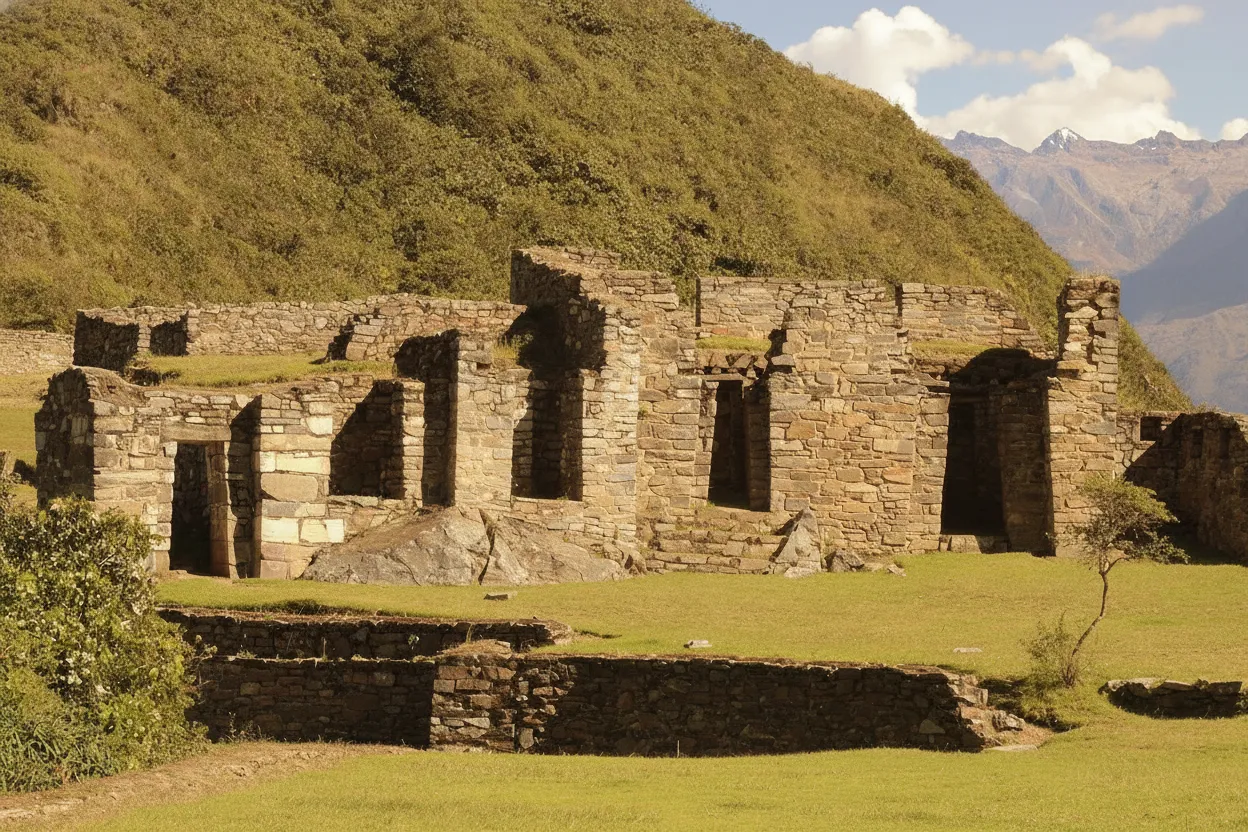
Choquequirao is more than just a destination; it's an odyssey. It challenges your body, invigorates your spirit, and rewards you with a glimpse into a world that few ever see. If the idea of ancient stones, cloud-shrouded peaks, and the thrill of discovery calls to your adventurous soul, then Choquequirao awaits. Are you ready to answer its call?
Essential Travel Information
- Location Choquequirao, Peru
- Best Time May to October (dry season)
- Getting There Fly to Cusco (CUZ), then take a bus/taxi to Cachora (approx. 4 hours), the trailhead for the Choquequirao trek.
- Airport Alejandro Velasco Astete International Airport (CUZ)
- Budget Mid-range to Luxury (approx. $150-$300+ per day for guided trek with porters)
- Language Spanish, Quechua
Find Places to Stay Near Choquequirao
Compare hotels, hostels, and unique stays in Peru.
Search AccommodationTours & Experiences Near Choquequirao
Book guided tours, day trips, and unique experiences.
Browse Tours