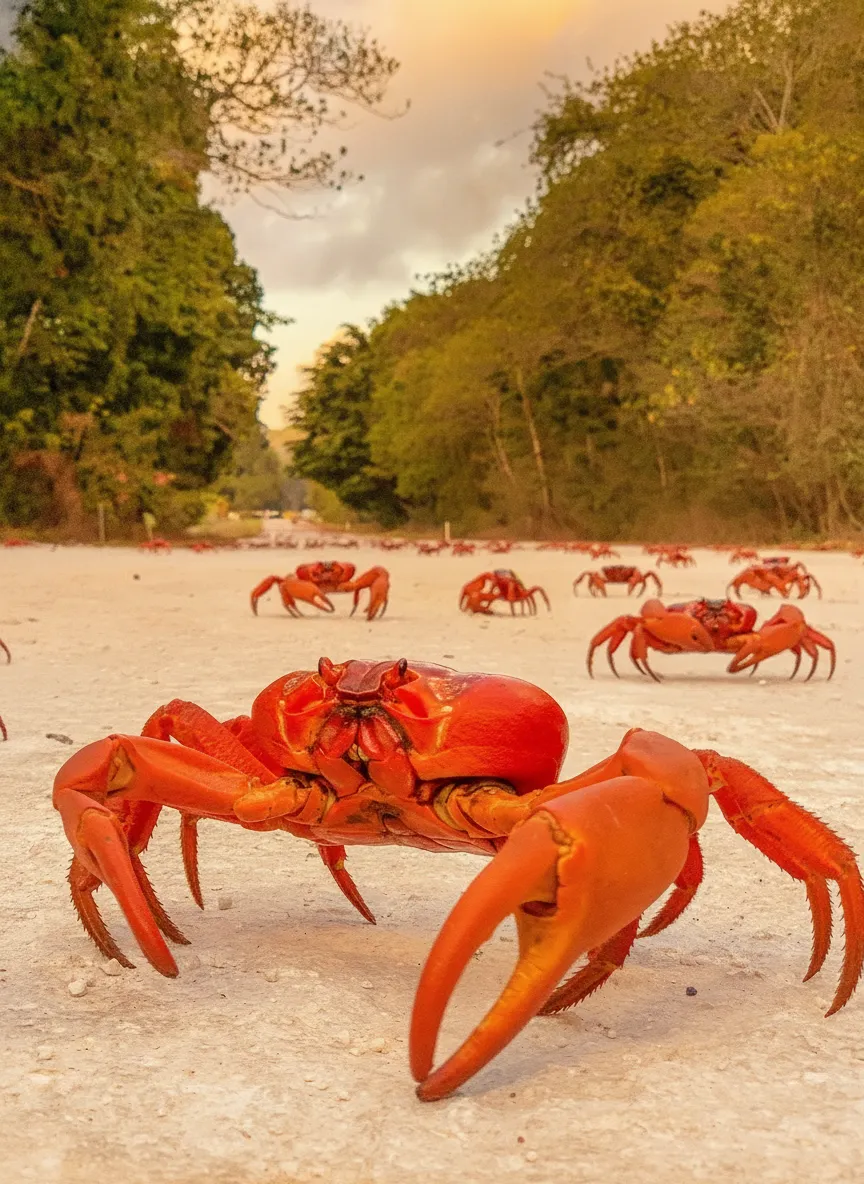
Imagine an island where, once a year, the very ground beneath your feet comes alive. Where millions of bright red crabs emerge from the dense jungle, not in a trickle, but in a relentless, vibrant tide, marching en masse towards the ocean. They don't just use the paths; they *become* the paths, completely taking over roads, beaches, and even scaling buildings. This isn't a scene from a fantastical movie; it's the awe-inspiring reality of the Christmas Island Red Crab Migration, an event so monumental it transforms an entire island into a living, moving carpet of scarlet, creating one of the most astonishing wildlife spectacles on Earth.
A Scarlet Tide: What Makes This Migration Unforgettable?
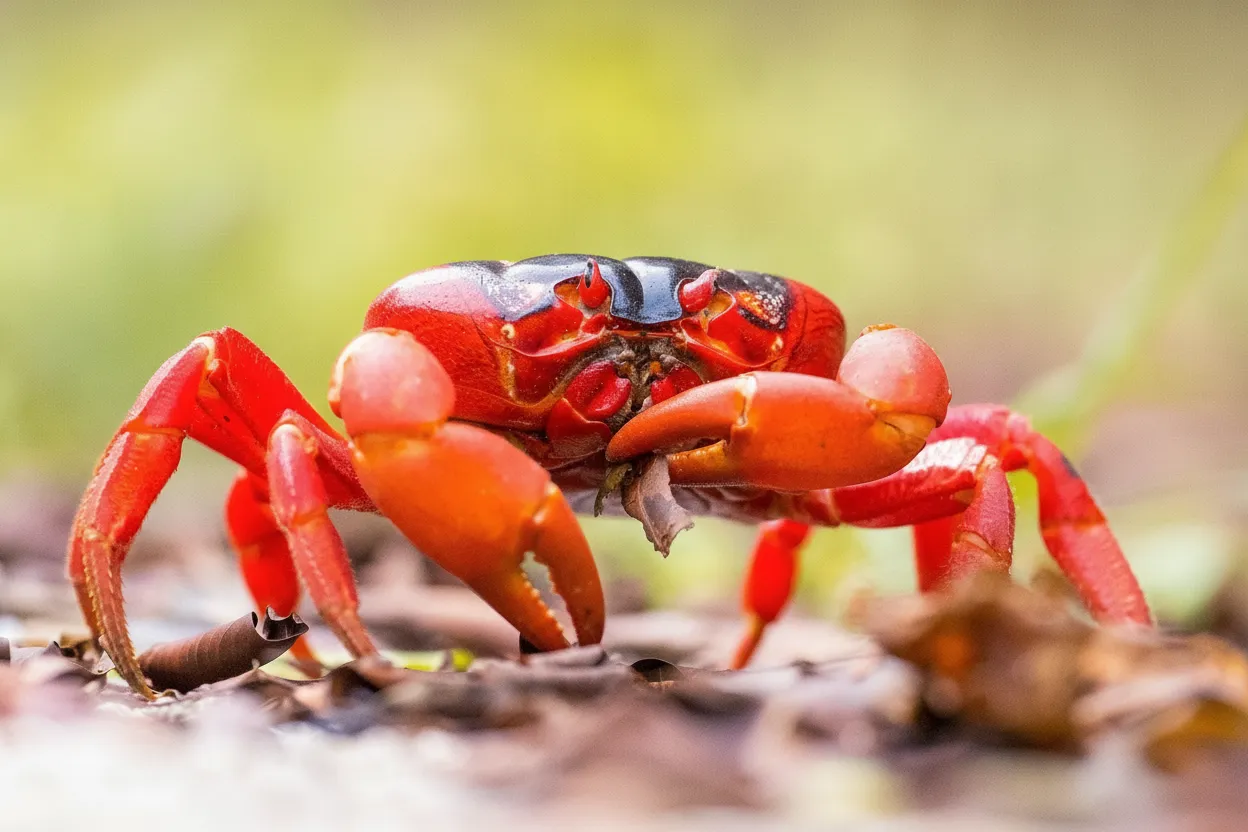
At the heart of this incredible natural phenomenon lies the Christmas Island red crab (Gecarcoidea natalis), an endemic species found nowhere else on the planet. With a population estimated at over 50 million individuals, their annual pilgrimage from the island's rainforest interior to the coast to mate and spawn is a biological marvel of epic proportions. It's not just the sheer numbers that astound; it's the synchronous, determined nature of their journey, triggered by the precise timing of the wet season rains and specific moon phases.
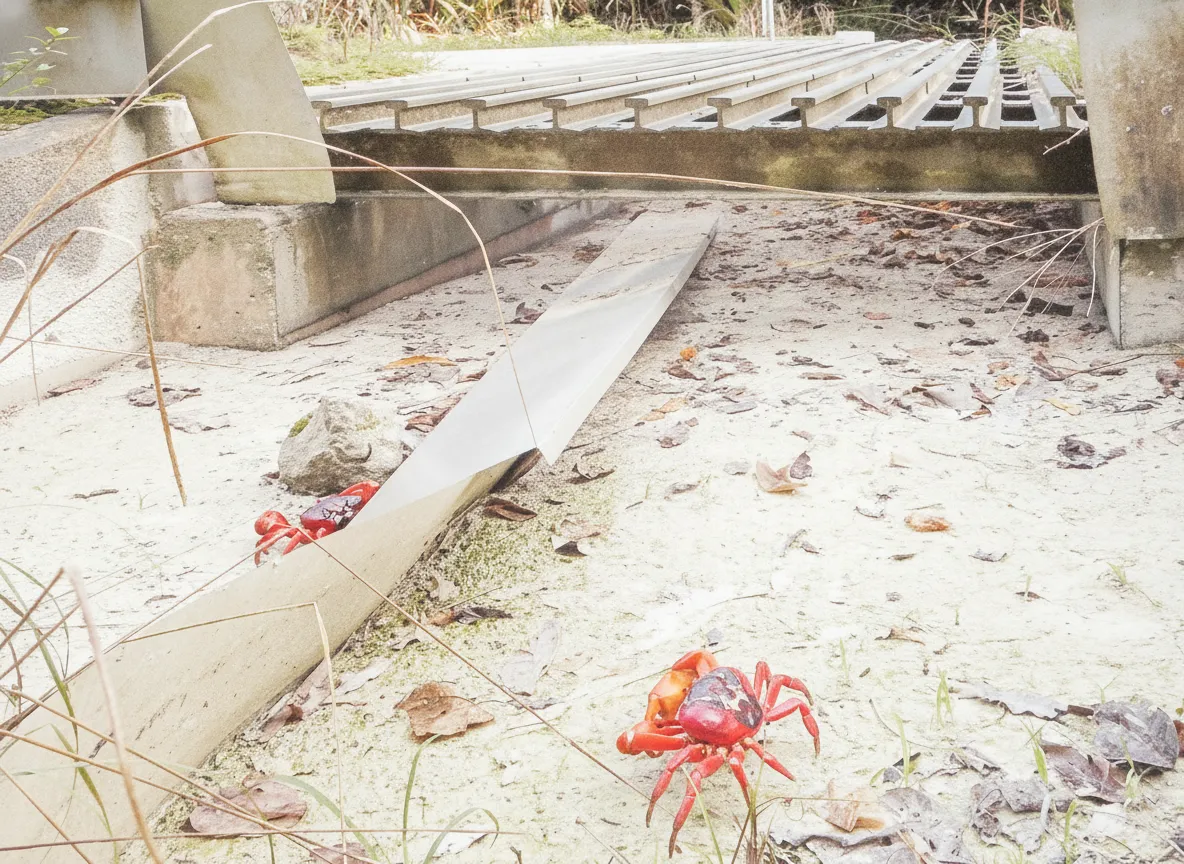
For weeks, the island, an external territory of Australia, becomes a stage for this dramatic performance. Roads are closed, special crab bridges and underpasses are installed, and local residents and park rangers work tirelessly to protect the crabs, guiding them safely across human infrastructure. The air hums with the rustling of countless claws and the determined scuttling of millions of tiny legs. It’s a sensory overload, a vibrant crimson moving tapestry that blankets the forest floor, spills onto the beaches, and even finds its way into gardens and verandahs. This isn't just a migration; it's an island-wide takeover, a testament to the power and resilience of nature.
Christmas Island: A Unique Ecological Gem
To truly appreciate the red crab migration, one must understand its home: Christmas Island itself. Located in the Indian Ocean, far from any major landmass, this remote, volcanic island is a biodiversity hotspot. Its isolation has allowed for the evolution of unique species, with the red crab being its most famous resident. The island's dramatic cliffs, lush rainforests, and pristine coral reefs create a stunning backdrop for any visit, but it's the crabs that truly define its ecological identity.
Historically, Christmas Island's primary industry was phosphate mining, which brought early settlers and infrastructure. However, the island's profound natural value has increasingly been recognized, leading to significant conservation efforts. Today, much of the island is protected as a national park, safeguarding its unique flora and fauna, including its other endemic species like the Christmas Island frigatebird and various geckos. This dedication to conservation is what allows the red crab migration to continue thriving, making it a beacon for ecotourism and scientific study.
Witnessing the Spectacle: What You'll See and Experience
Being on Christmas Island during the red crab migration is an immersive experience unlike any other. The spectacle unfolds in several distinct phases, each offering its own unique wonder. It begins with the first significant rains of the wet season, usually in October or November, which signal to the crabs that it's time to move. You'll first notice them emerging from their burrows in the rainforest, a trickle that quickly becomes a flood.
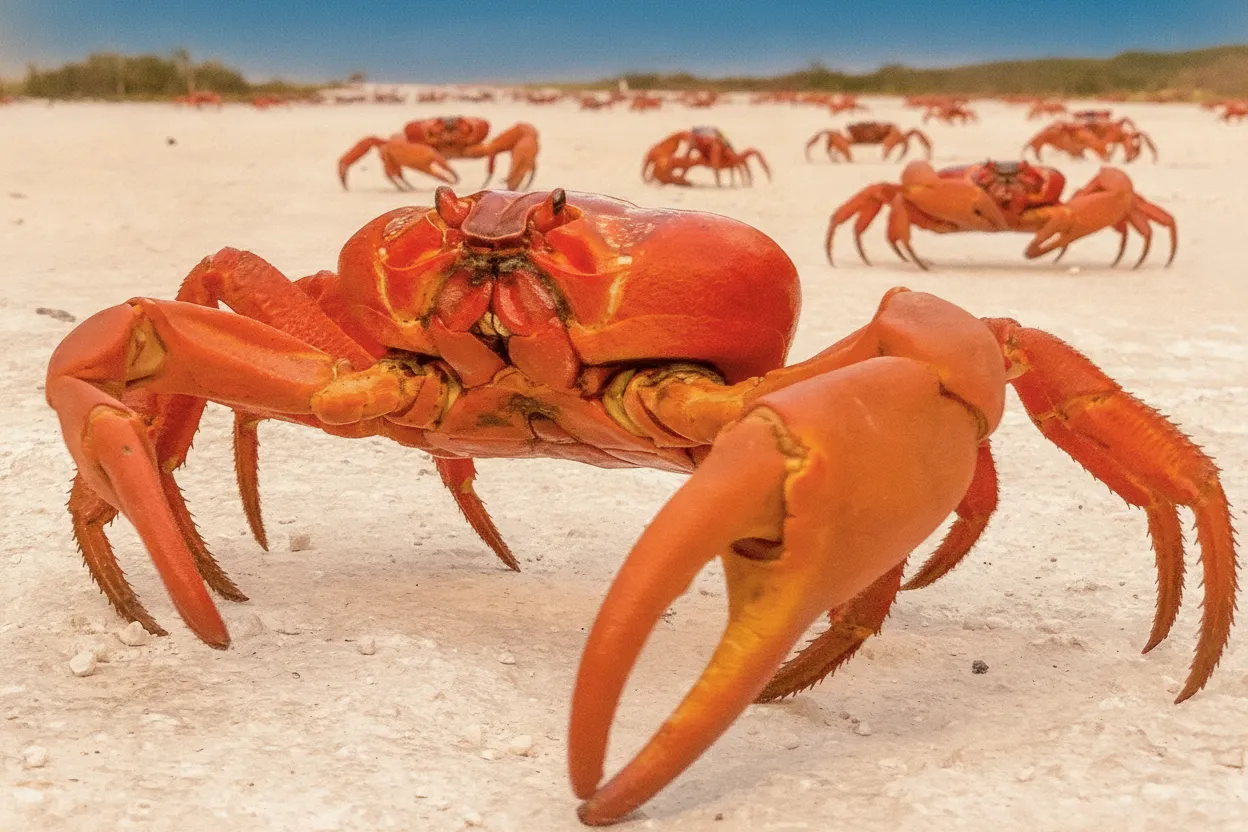
The march to the sea is a sight to behold. Crabs, driven by an ancient instinct, navigate the rugged terrain, forming dense columns that can stretch for kilometres. They clamber over rocks, through dense vegetation, and, famously, across roads. Witnessing the careful measures taken by the islanders – the temporary barriers, the designated 'crab crossings', and the volunteer efforts – adds another layer of appreciation to this event. You'll see crabs everywhere: on driveways, climbing low walls, and carpeting the forest floor in a vibrant, moving mosaic.
Once they reach the coast, the males arrive first, digging burrows and waiting for the females. Mating takes place in these burrows, often near the shoreline. Then comes the most dramatic phase: the females, laden with millions of eggs, descend to the water's edge to spawn. This usually occurs over a few nights, coinciding with the high tide of the last quarter moon. The sight of millions of female crabs releasing their eggs into the ocean, turning the water a cloudy red, is an astonishing and poignant moment. The eggs hatch almost immediately into larvae, which are then swept out to sea.
After spawning, the adult crabs begin their slow, deliberate journey back to the rainforest, often looking a little worse for wear but having completed their vital mission. But the story isn't over. A few weeks later, usually in December or January, if conditions are right, millions of tiny, transparent juvenile crabs emerge from the ocean. They undertake their own perilous journey back to the jungle, a miniature version of their parents' epic march. Spotting these tiny, thumbnail-sized crabs scrambling up the cliffs and into the undergrowth is a delightful and hopeful conclusion to the migration cycle.
Planning Your Epic Journey: Practical Tips for Visitors
Visiting Christmas Island during the red crab migration requires a bit of planning, but the rewards are immeasurable. Here’s what you need to know to make your trip truly unforgettable:
When to Go: Timing is Everything (and a Little Luck)
The migration is triggered by the first significant rains of the wet season, typically between October and December, followed by specific moon phases for spawning. Because it's a natural event, the exact timing varies year to year. It's best to aim for a window of several weeks within this period. Keep an eye on the Christmas Island National Park website or local tourism channels for predictions closer to the time. Flexibility is key!
How to Get There: An Indian Ocean Adventure
Christmas Island is remote, but accessible. Virgin Australia operates flights from Perth, Western Australia, typically twice a week. These flights are often in high demand during migration season, so book well in advance.
Accommodation and Getting Around
Accommodation options range from guesthouses to small hotels. Book early, especially during peak migration. Renting a 4WD vehicle is highly recommended as many roads are unsealed, and it gives you the flexibility to explore the island and chase the crab action. Be prepared for road closures and follow local signage and park ranger advice regarding crab movements.
Respecting the Crabs (and the Island)
This is paramount. The crabs have the right of way, always. Drive slowly, watch where you step, and never intentionally harm or disturb them. Observe from a respectful distance. Wear sturdy, closed-toe shoes. The island's unique ecosystem is fragile, so stick to marked trails, take all your rubbish with you, and practice Leave No Trace principles.
What to Bring
Lightweight clothing, rain gear (it is the wet season, after all!), sturdy walking shoes, insect repellent, sunscreen, a wide-brimmed hat, and plenty of water are essential. Don't forget your camera – you'll want to capture every moment of this incredible spectacle! Consider bringing a headlamp or flashlight for night viewing, as the spawning often happens after dark.
The Christmas Island Red Crab Migration is more than just a wildlife event; it's a powerful reminder of nature's enduring cycles and the incredible diversity our planet holds. It’s an adventure that engages all your senses, leaving you with memories of a truly unique and unforgettable corner of the world. If you're seeking an experience that will ignite your sense of wonder and connect you deeply with the natural world, put Christmas Island at the very top of your travel wish list.
Essential Travel Information
- Location Christmas Island Red Crab Migration, Australia
- Best Time October to December (wet season), with specific moon phases for spawning. Check local park predictions.
- Getting There Flights from Perth, Western Australia, typically twice a week. Book well in advance due to high demand during migration season.
- Airport Christmas Island Airport (XCH)
- Budget Mid-range (approx. AUD 150-300+ per day, excluding flights)
- Language English
Find Places to Stay Near Christmas Island Red Crab Migration
Compare hotels, hostels, and unique stays in Australia.
Search AccommodationTours & Experiences Near Christmas Island Red Crab Migration
Book guided tours, day trips, and unique experiences.
Browse Tours