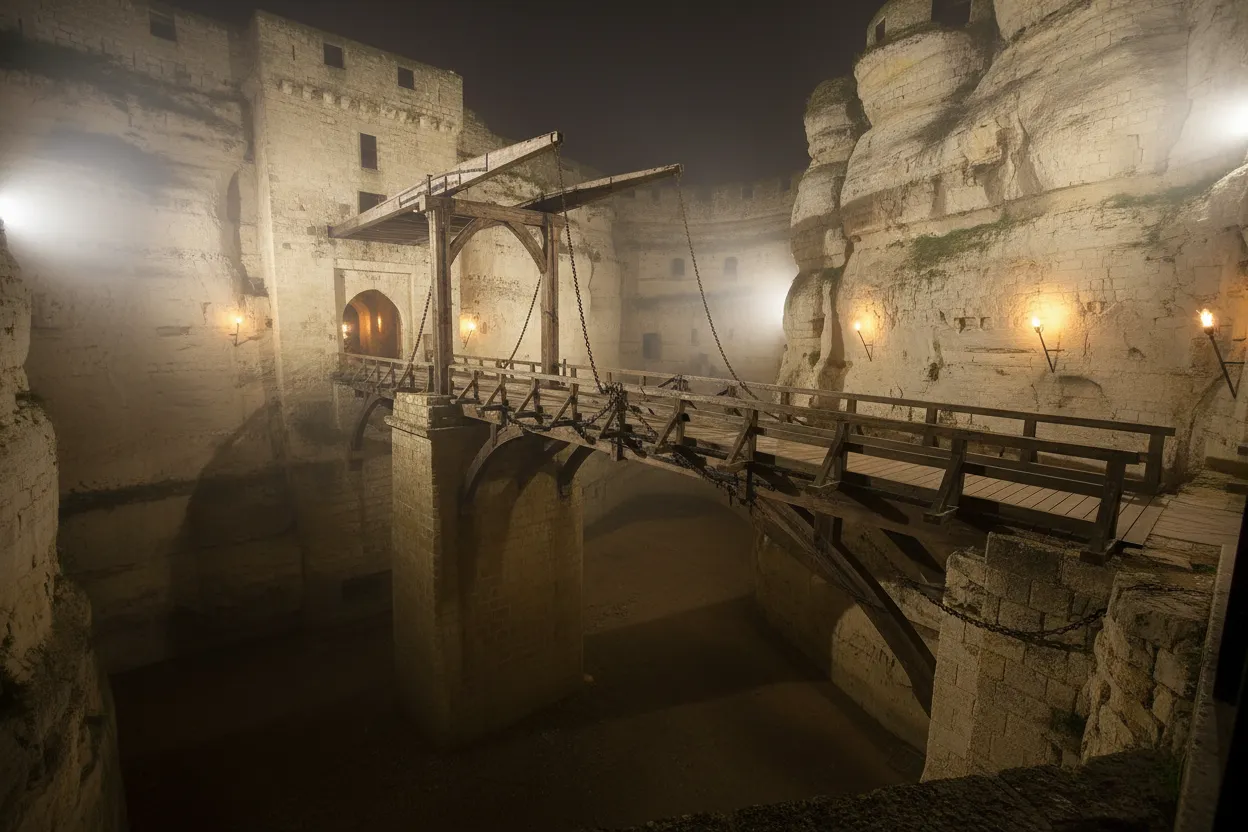
Imagine strolling through the manicured gardens of a classic French Renaissance château, its elegant turrets and refined stonework whispering tales of aristocracy and grandeur. Now, picture this: beneath your very feet, not just a dusty cellar, but an entire, sprawling medieval fortress, burrowed an astonishing 18 meters underground. This isn't the stuff of fantasy novels or Indiana Jones adventures; it's the very real, mind-bending secret of Château de Brézé, a hidden marvel in France's enchanting Pays de la Loire region that most visitors to the famous Loire Valley completely miss.
Unveiling France's Subterranean Secret: Château de Brézé
Forget everything you thought you knew about French châteaux. While the Loire Valley boasts an unparalleled collection of architectural masterpieces, Château de Brézé offers an experience unlike any other. On the surface, it's a beautiful, stately residence, evolving through centuries from a medieval stronghold to a magnificent Renaissance palace. But the true heart-stopper lies beneath its picturesque facade: an astonishing troglodytic network, a veritable city carved directly into the soft tufa rock. This isn't just a basement; it's an entire defensive system, a subterranean world complete with its own dry moats, drawbridges, stables, bakeries, and even living quarters, stretching for kilometers in a labyrinthine embrace.
Stepping into Brézé's underground realm is like journeying to another dimension, a place where medieval ingenuity met geological opportunity to create an impregnable stronghold. It's a testament to human resilience and strategic thinking, offering a unique glimpse into a way of life and defense that feels both ancient and utterly futuristic in its concept. Prepare to have your perceptions of what a "castle" can be utterly transformed.
A Journey Through Time: The History of Brézé's Depths
The story of Brézé's subterranean fortress predates its current château by centuries, with the earliest excavations likely dating back to the 11th century. The soft, easily workable tufa stone, abundant in the region, provided the perfect medium for early inhabitants to carve out dwellings and storage spaces. Over time, as the surface château began to take shape, these underground spaces were strategically expanded and fortified, transforming from simple caves into an elaborate defensive system. The ingenious inhabitants realized that digging down offered a unique advantage: protection from sieges and a secret refuge during times of conflict.
Throughout the medieval period, successive lords of Brézé continued to deepen and extend this underground labyrinth. It wasn't merely a place to hide; it was an active part of the castle's defenses. Imagine the surprise of an invading army, thinking they had breached the outer walls, only to find themselves facing an entirely new set of obstacles, including underground drawbridges and moats, all carved directly into the rock. This hidden layer of defense made Brézé notoriously difficult to capture, a true marvel of medieval military engineering that allowed its residents to survive and thrive through tumultuous times.
Exploring the Labyrinth: What Lies 18 Meters Below
Your descent into the Château de Brézé's underground world is nothing short of breathtaking. As you step down, the air grows cooler, and the faint scent of damp earth fills your senses, preparing you for the incredible spectacle ahead. You'll traverse vast dry moats, carved with painstaking precision, reaching depths that mirror those on the surface. These aren't just ditches; they're monumental chasms designed to trap and disorient attackers, complete with their own rock-hewn drawbridges that once could be raised and lowered.
Further in, the network opens up to reveal a fully functional subterranean village. Wander through the cavernous stables, where horses once found refuge from sieges, their breath misting in the cool air. Discover the bakeries, complete with ancient ovens, where bread was baked to sustain the castle's inhabitants during long periods of isolation. Explore the wine press and storage cellars, vital for provisioning. You'll see living quarters, defensive tunnels, and even a silk worm farm, all meticulously carved and adapted for life beneath the surface. The sheer scale and complexity are astounding, leaving you to marvel at the sheer effort and vision required to create such a place.

More Than Just a Hole in the Ground: Medieval Ingenuity
What makes Brézé so utterly fascinating is not just its existence, but the sheer ingenuity it represents. This wasn't just a matter of digging; it was a sophisticated feat of engineering and strategic planning. The troglodytic architecture allowed for a constant, cool temperature year-round, ideal for food storage and a comfortable environment for living. The interconnected tunnels provided multiple escape routes and vantage points for defense, making it incredibly difficult for invaders to navigate or gain a foothold.
The concept of an "underground castle" is itself a testament to the innovative spirit of the medieval period. While other castles relied on height and thick walls, Brézé added an entirely new dimension of defense. It challenged conventional siege tactics and offered a unique solution to the perennial problem of security. Walking through these hand-carved passages, you can almost hear the echoes of footsteps, the whispers of those who lived and defended this hidden world, a tangible connection to a past where survival often hinged on cleverness and adaptation.

The Surface Story: Brézé's Renaissance Splendor
While the subterranean fortress is undoubtedly the star, don't overlook the beauty of the château above ground. After emerging from the cool depths, you'll find yourself back in the light, surrounded by the elegant architecture of the Renaissance. The château itself is a harmonious blend of styles, with a striking facade, grand interiors, and beautifully maintained formal gardens. It offers a fascinating contrast to the raw, rugged beauty of its underground counterpart.
Exploring the surface château allows you to appreciate the evolution of the estate, from its defensive origins to its later role as a refined aristocratic residence. You can tour the furnished rooms, admire the artwork, and stroll through the grounds, gaining a full picture of the lives of the noble families who called Brézé home. It’s this duality – the visible splendor above and the hidden marvel below – that makes Château de Brézé such a complete and compelling experience, truly offering two castles for the price of one.

Planning Your Descent: Practical Tips for Visiting Château de Brézé
Ready to uncover this incredible secret for yourself? Château de Brézé is located in Brézé, near Saumur, in the Pays de la Loire region of France. It’s easily accessible by car and makes for an excellent day trip if you’re exploring the Loire Valley châteaux.
- Best Time to Visit: Spring (April-May) and Autumn (September-October) offer pleasant weather for exploring both above and below ground, with fewer crowds than the peak summer months. The underground sections maintain a cool, constant temperature year-round, so a light jacket is always a good idea.
- What to Wear: Comfortable walking shoes are a must, as there are many steps and uneven surfaces in the underground passages. A light jacket or sweater will be appreciated in the cool subterranean environment.
- Accessibility: The underground fortress involves numerous stairs and some narrow passages, making it challenging for visitors with limited mobility or those using wheelchairs. Check their official website for the latest accessibility information.
- Tickets and Tours: Self-guided tours are available, often with informative leaflets or audio guides. Check the official Château de Brézé website for current opening hours, ticket prices, and any special events or guided tours.
- Getting There: While public transport options are limited, the château is a short drive from Saumur, which has a train station (TER). Renting a car is highly recommended for exploring the Loire Valley at your own pace.
Château de Brézé is more than just another French castle; it's an adventure, a historical puzzle, and a testament to human ingenuity hidden right beneath our feet. It's a place that will spark your imagination and leave you with stories to tell for years to come. So, next time you plan a trip to France, dare to venture beyond the obvious and uncover the extraordinary secrets of Brézé. You won't regret it.
Essential Travel Information
- Location Château de Brézé (Subterranean Fortress), France
- Best Time Spring (April-May) and Autumn (September-October) for pleasant weather and fewer crowds.
- Getting There Best reached by car, located near Saumur in the Pays de la Loire region. Approximately a 15-minute drive from Saumur.
- Airport Nantes Atlantique (NTE) or Tours Val de Loire (TUF)
- Budget Mid-range (Entry fee for the château, plus travel, accommodation, and food costs for the region. Expect daily costs around €100-€200 per person depending on choices).
- Language French (English audio guides often available at the château)
Find Places to Stay Near Château de Brézé (Subterranean Fortress)
Compare hotels, hostels, and unique stays in France.
Search AccommodationTours & Experiences Near Château de Brézé (Subterranean Fortress)
Book guided tours, day trips, and unique experiences.
Browse Tours