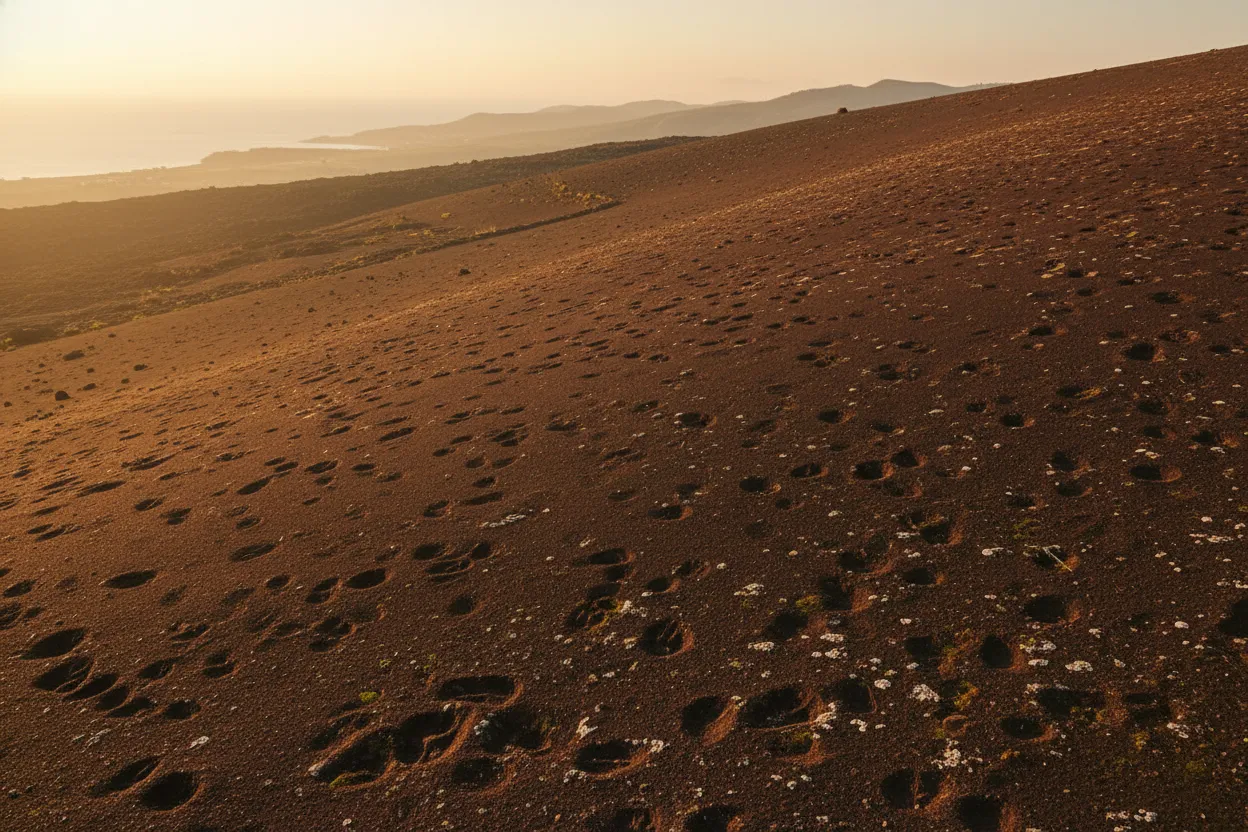
Imagine stepping back in time, not just by centuries, but by millennia. Picture a landscape scarred by a recent, devastating volcanic eruption, ash still settling, the air thick with tension. Now, imagine walking precisely where ancient humans, perhaps our direct ancestors, trod with hurried, desperate steps, fleeing for their lives. This isn't a scene from a blockbuster movie; it's an experience you can have right now, in a quiet corner of Italy, at a place known as Ciampate del Diavolo – the "Devil's Footprints." Here, etched into solidified volcanic ash, lies a perfectly preserved, chilling tableau: the fossilized footprints of early hominids and animals, captured in a dramatic escape from a supervolcano eruption 350,000 years ago. It’s a powerful, humbling encounter that will redefine your understanding of our ancient past.
A Glimpse into Prehistory: Why Ciampate del Diavolo is Unforgettable
There are archaeological sites, and then there are places that transcend time, offering a direct, visceral connection to humanity's dawn. Ciampate del Diavolo is unequivocally the latter. What makes this site so profoundly special isn't just its age, though 350,000 years is mind-boggling enough. It's the sheer clarity and preservation of the footprints themselves. Unlike scattered bones or tools, these tracks offer an unparalleled, intimate glimpse into the gait, posture, and even the likely emotional state of early hominids as they navigated a truly chaotic, post-eruption landscape.
This isn't just a collection of ancient marks; it's a frozen moment in time, a dramatic snapshot of survival. You can almost hear the hurried breaths, feel the urgency in their stride, as these individuals, likely *Homo heidelbergensis* or early Neanderthals, fled the wrath of the now-extinct Roccamonfina volcano. The ash, still hot, captured their exact movements, preserving every toe-print, every heel-strike, every slippage in the soft ground. It’s a testament to resilience, a powerful reminder of the challenges faced by our ancestors, and a humbling realization of how far we’ve come.
Few places on Earth offer such a direct, tangible link to human behaviour from hundreds of thousands of years ago. It’s more than just palaeontology; it’s a profound meditation on existence, on our shared journey through time, and the incredible fragility and persistence of life.
Unearthing the Past: The Story Behind the Discovery
The story of Ciampate del Diavolo is as dramatic as the event it preserves. For millennia, these precious tracks lay hidden, buried beneath layers of subsequent volcanic deposits and erosion. The Roccamonfina volcano, once a formidable supervolcano dominating the landscape of what is now northern Campania, had its massive eruption approximately 350,000 years ago. This cataclysmic event blanketed the surrounding area in a thick layer of pyroclastic flow – a fast-moving current of hot gas and volcanic debris. It was in this soft, pliable ash that the fleeing hominids and animals left their indelible marks.
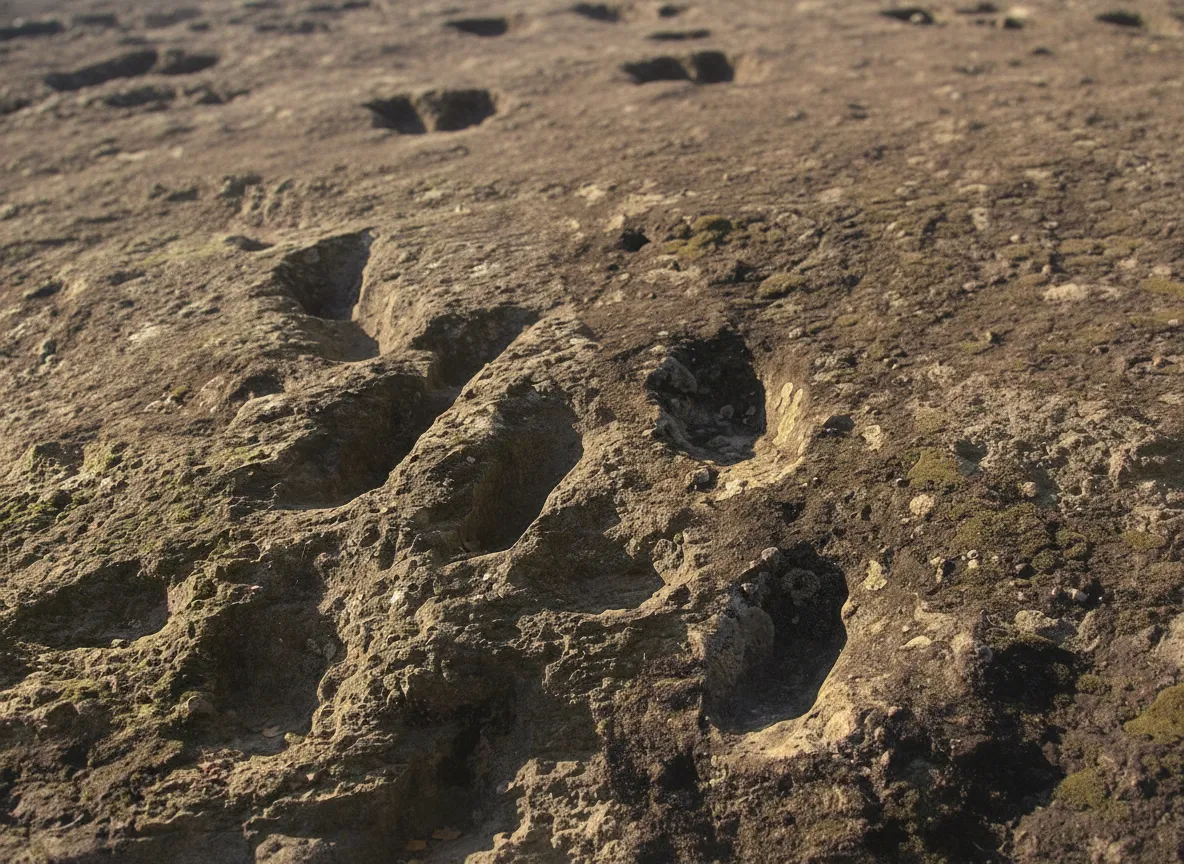
As the ash cooled and solidified, it became a type of volcanic rock known as ignimbrite, perfectly preserving the imprints. Over vast stretches of time, erosion slowly began to expose these ancient layers. The tracks were first discovered quite serendipitously in 2003 by a local guide, who noticed unusual marks on an exposed rock face. Initially, there was skepticism; could these really be human footprints from such an unimaginably distant past? But subsequent scientific investigation, led by an international team of palaeontologists, quickly confirmed their authenticity and immense significance.
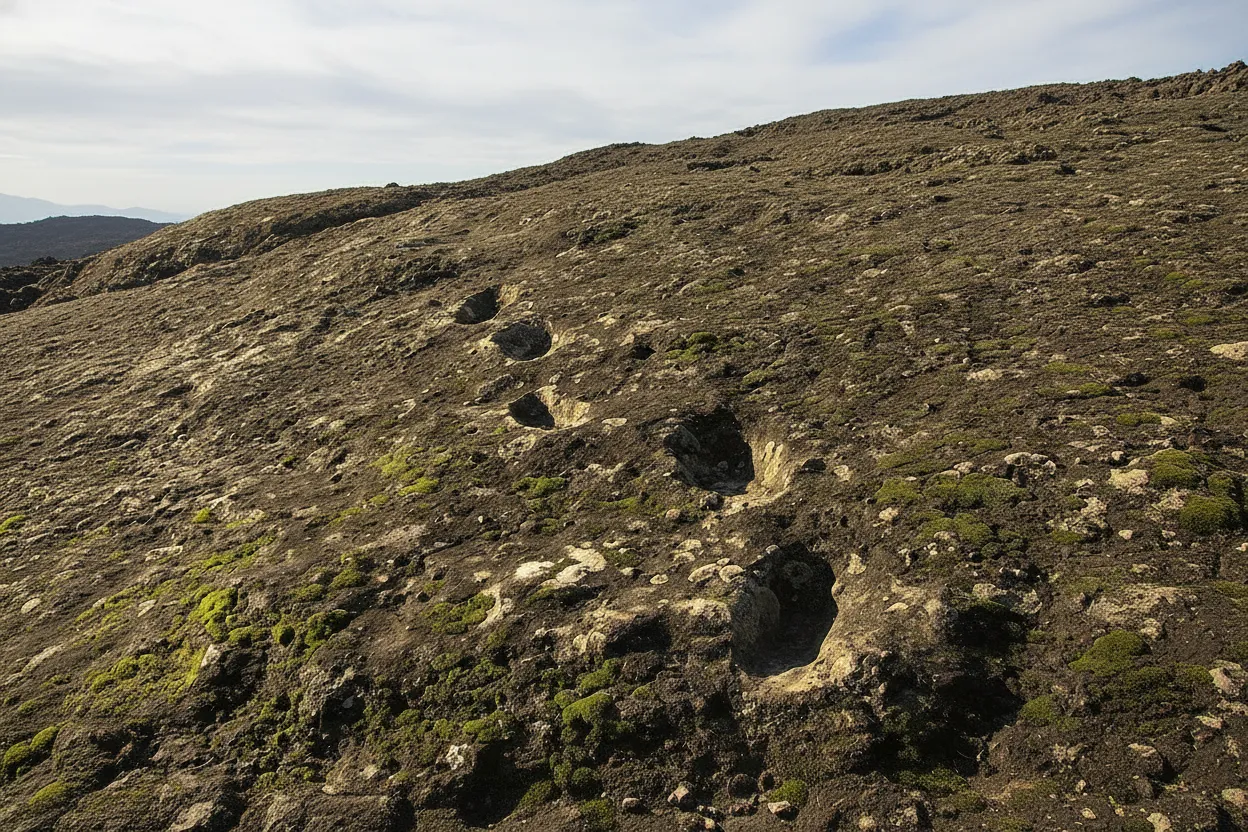
The site revealed three distinct trails of hominid footprints, alongside numerous animal tracks from species like bison, deer, and even wild boar. The scientific analysis of the hominid tracks provided incredible insights: the length of their stride suggested an average height, the depth of the prints indicated their weight, and the spacing of their steps painted a picture of individuals moving with a sense of urgency, some perhaps even running. These findings challenged previous assumptions about early hominid locomotion and behaviour, offering a dynamic, real-time snapshot of their lives in a moment of crisis. The "Devil's Footprints" aren't just a name; they evoke the fiery hellscape these ancient beings navigated.
Walking with Ghosts: Your Journey Through Ancient Footprints
Visiting Ciampate del Diavolo is unlike any other historical or natural site. It's not a museum with artifacts behind glass; it's an open-air archaeological park where you literally walk into a 350,000-year-old scene. The site itself is nestled within the beautiful Roccamonfina-Foce Garigliano Regional Park, adding to its allure as a destination for nature lovers and history buffs alike.
Upon arrival, you'll typically be greeted by knowledgeable guides who are passionate about the site's history and scientific importance. They are truly key to unlocking the full wonder of the Ciampate. As you approach the exposed rock face, the sheer scale of the preserved tracks begins to sink in. The guides will point out the various trails, explaining the context of each set of prints. You'll see the clear, almost perfectly formed footprints of the hominids – the distinct heel, arch, and toes, sometimes even showing evidence of slipping on the wet ash. It’s an incredibly moving experience to stand where they stood, to follow the very path they took.
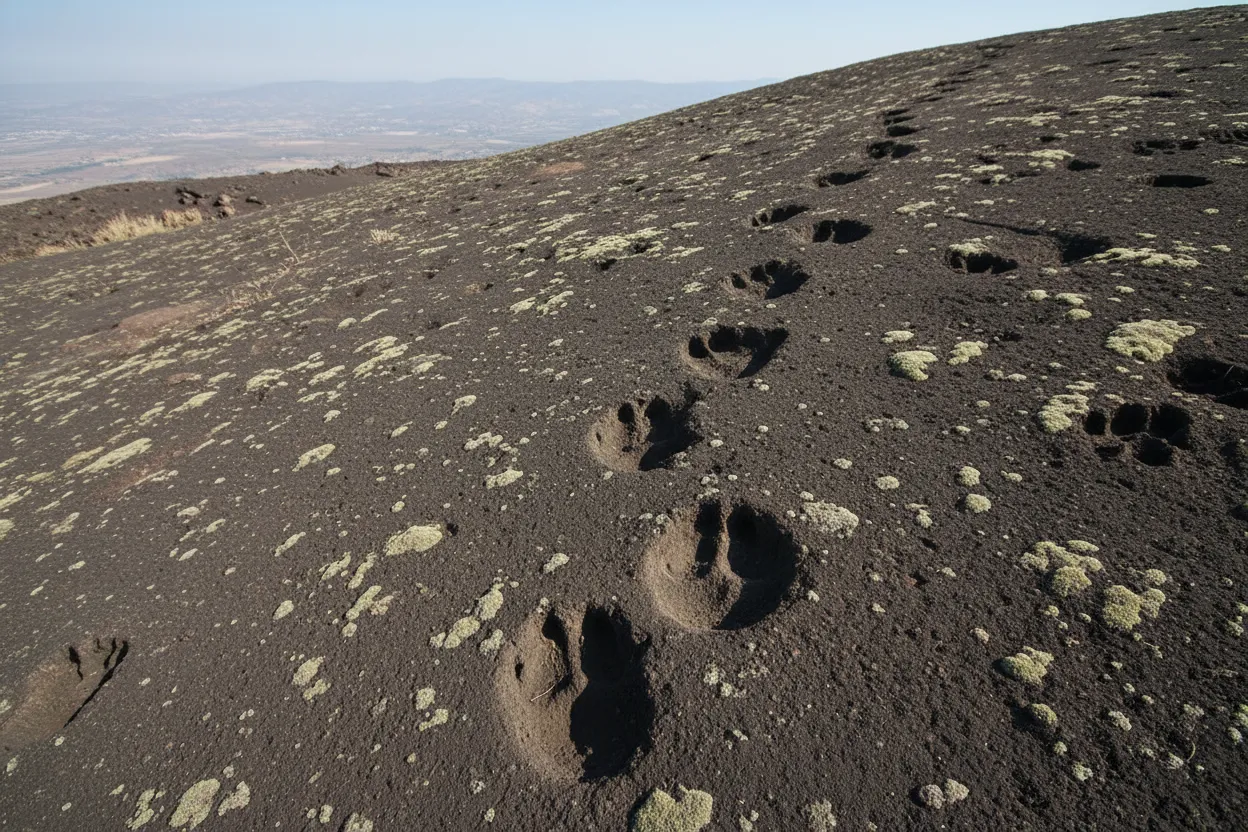
Beyond the hominid tracks, you'll also encounter a fascinating array of fossilized animal prints. These tracks tell their own story, painting a picture of the prehistoric fauna that shared this chaotic landscape. Imagine a massive bison lumbering through the ash, or a nimble deer picking its way across the treacherous terrain. The guides will help you identify these, adding another layer of depth to your understanding of the ancient ecosystem.
The feeling of witnessing these imprints, knowing they were made by living beings so incredibly long ago, is profound. It’s a quiet, reflective experience, one that invites contemplation about our place in the vast timeline of Earth's history. You'll leave with a new appreciation for the resilience of life and the incredible stories the Earth holds if we only know where to look.
Planning Your Expedition: Tips for Visiting Ciampate del Diavolo
Ready to embark on this extraordinary journey back in time? Here are a few practical tips to make your visit to Ciampate del Diavolo as smooth and enriching as possible:
- Best Time to Visit: The shoulder seasons of spring (April-May) and autumn (September-October) offer the most pleasant weather for exploring, with mild temperatures and lush landscapes. Summer can be quite hot, though the site is often shaded.
- Getting There: Ciampate del Diavolo is truly off the beaten path, which adds to its charm. It's located near the towns of Teano and Sessa Aurunca in the province of Caserta. A rental car is highly recommended as public transport options are limited. The drive itself through the scenic Roccamonfina-Foce Garigliano Regional Park is lovely.
- Guided Tours are Essential: While you can walk the site, a guided tour is absolutely crucial for understanding the significance of what you're seeing. The guides provide invaluable context, scientific explanations, and point out details you might otherwise miss. It's not just a walk; it's an educational experience. Check the official park website or local tourism offices for booking information.
- What to Bring: Wear comfortable walking shoes suitable for uneven terrain. Bring water, especially on warmer days, and sun protection (hat, sunscreen). A camera is a must, but remember to be respectful of the site and follow any photography guidelines.
- Combine with Other Attractions: The Roccamonfina-Foce Garigliano Regional Park itself offers beautiful hiking trails and charming villages. Consider extending your stay to explore the volcanic landscape, taste local produce, or visit other historical sites in Campania, such as the Roman ruins of Teanum Sidicinum in Teano.
- Local Hospitality: While the immediate area around Ciampate del Diavolo is remote, you'll find welcoming agriturismi and trattorias in nearby towns. Enjoy the authentic Campanian cuisine and the warm hospitality of the locals.
Ciampate del Diavolo isn't just a destination; it's a pilgrimage to the very origins of our story. It’s a place that humbles you, inspires you, and connects you to the deep, resonant echoes of our ancient ancestors. Prepare to be moved, to be awed, and to carry a piece of this extraordinary history with you long after you've left the Devil's Footprints behind.
Essential Travel Information
- Location Ciampate del Diavolo, Italy
- Best Time Spring (April-May) or Autumn (September-October)
- Getting There Car recommended, located near Teano and Sessa Aurunca in Campania, Italy. Limited public transport.
- Airport Naples International Airport (NAP)
- Budget Mid-range, approx. €80-€150 per day (excluding car rental, including accommodation, food, site entry, and guided tour)
- Language Italian
Find Places to Stay Near Ciampate del Diavolo
Compare hotels, hostels, and unique stays in Italy.
Search AccommodationTours & Experiences Near Ciampate del Diavolo
Book guided tours, day trips, and unique experiences.
Browse Tours