What Makes Ciudad de Itas an Unforgettable Adventure?
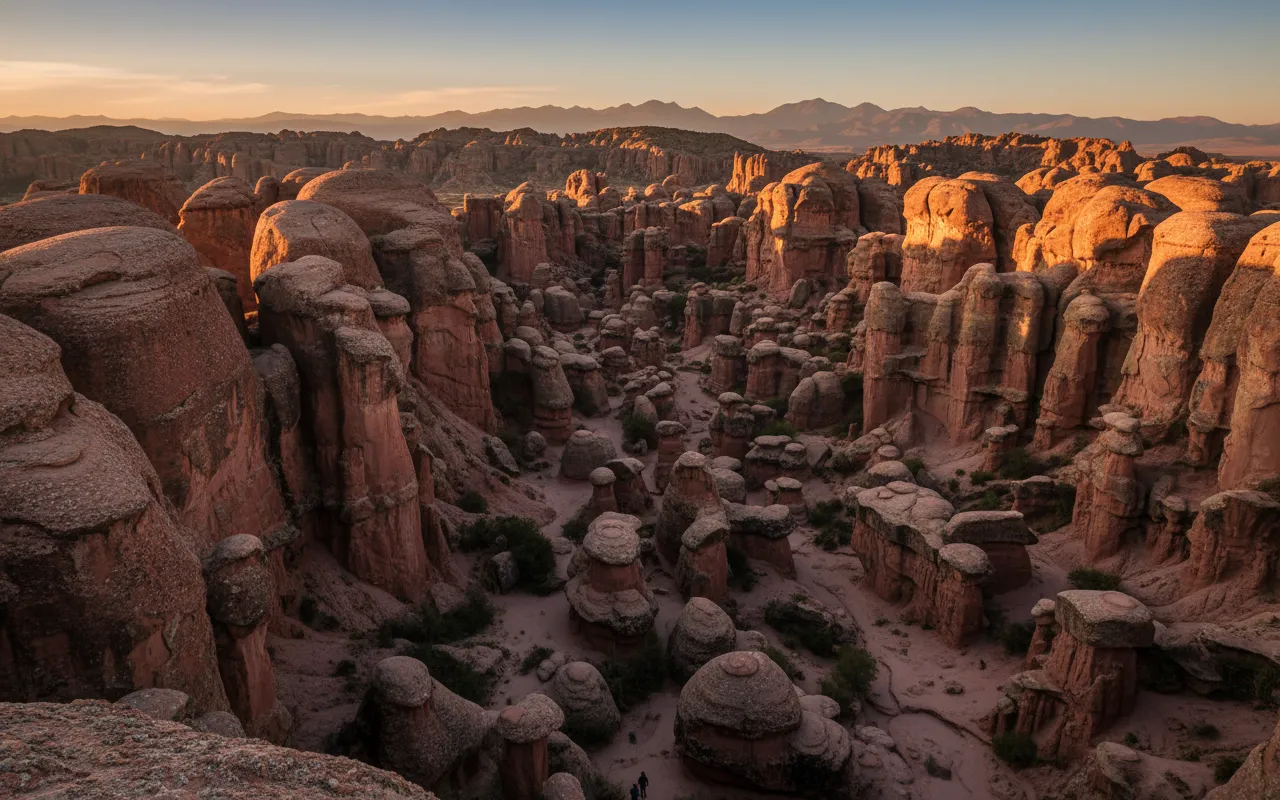
Deep within the heart of Bolivia's Cochabamba Department, Torotoro National Park stands as a testament to nature's artistry and a guardian of ancient history. And at its core, Ciudad de Itas — the "City of Itas" — is arguably its most captivating secret. This isn't just a collection of rocks; it's an intricate, sprawling labyrinth of towering sandstone formations that have been meticulously carved by the relentless forces of erosion over millions of years. Walking through it feels less like a hike and more like navigating the forgotten streets of a fantastical, primeval metropolis.
What truly sets Ciudad de Itas apart is the incredible convergence of geological wonder and human history. As you wander through its natural corridors and vast chambers, you'll stumble upon secluded grottoes and overhangs adorned with thousands-year-old rock paintings. These silent testaments to ancient cultures – vivid depictions of animals, human figures, and enigmatic symbols – whisper stories of those who once sought refuge, sustenance, and spiritual connection in this bizarre, beautiful landscape. It's a place where you can touch the past and marvel at the Earth's enduring power, all in one unforgettable experience.
A Journey Through Time: The History and Geology of Ciudad de Itas
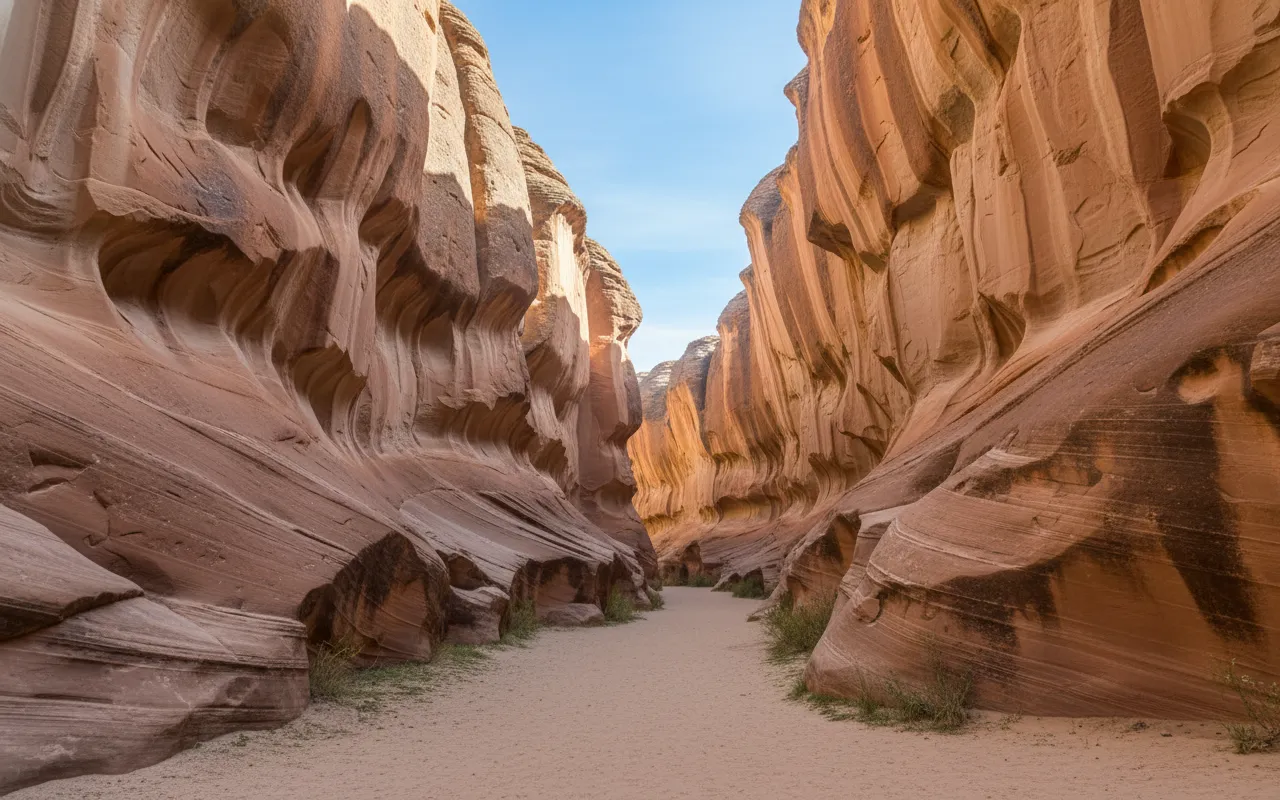
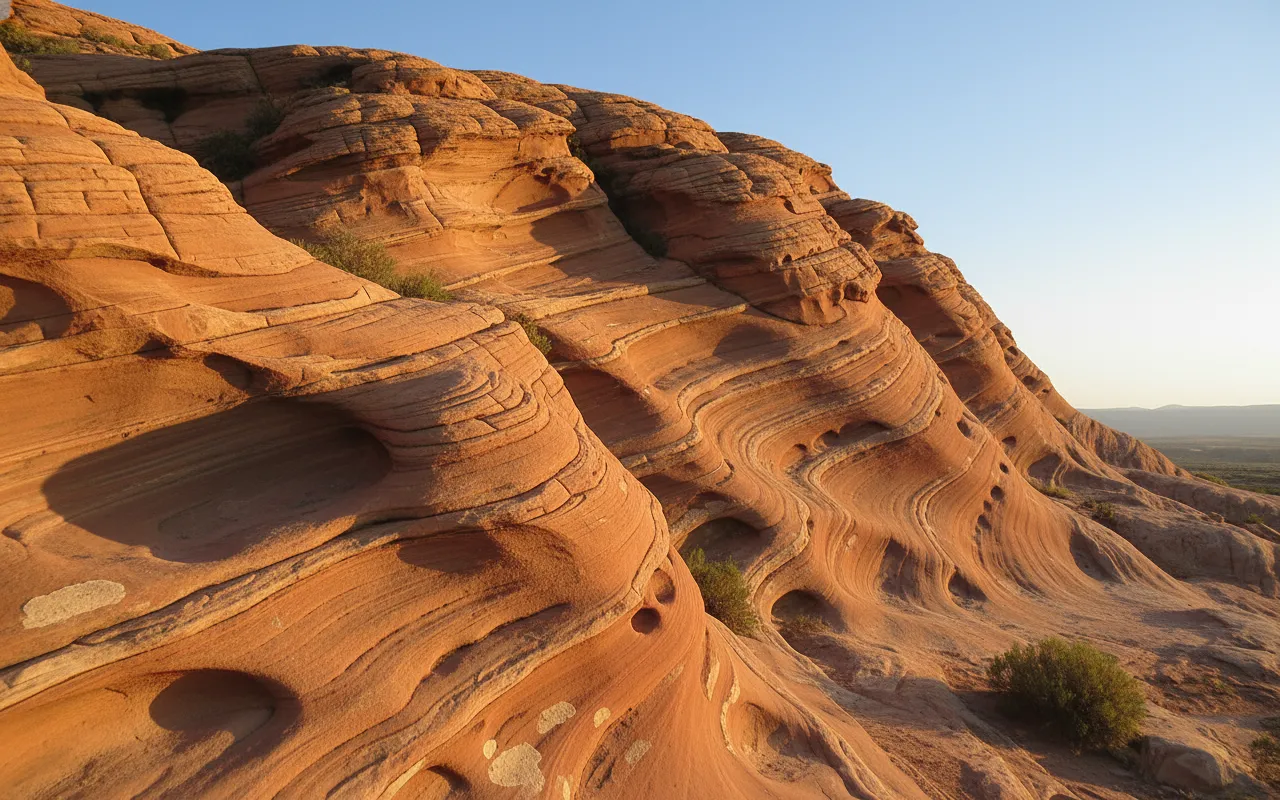
The story of Ciudad de Itas begins not with humans, but with the Earth itself. Millions of years ago, this entire region was a vast, shallow sea, where layers of sediment accumulated, eventually compacting into the soft sandstone we see today. As the Andes mountain range began its dramatic uplift, these sedimentary layers were thrust skyward, exposing them to the elements. Wind, rain, and temperature fluctuations then became the sculptors, slowly but surely eroding the softer rock, leaving behind the more resistant sections to form the incredible towers, arches, and intricate patterns that define Ciudad de Itas.
Geologists estimate that the formations you see have been shaped over tens of millions of years, a timescale almost impossible for the human mind to grasp. Each curve, each hollow, each precarious balance of rock tells a silent story of geological forces at play. It's a living museum of natural history, constantly evolving, yet appearing timeless.
But the story doesn't end there. Millennia ago, long before the Spanish conquistadors set foot in South America, indigenous peoples discovered these natural shelters. They found refuge, perhaps performed rituals, and certainly left their mark. The rock art found within Ciudad de Itas provides invaluable insights into their beliefs, their daily lives, and the fauna that inhabited the region at the time. These pictographs, some dating back thousands of years, are a poignant reminder that even in this seemingly lost world, humanity has left its enduring footprint.
What Awaits You: Exploring the Labyrinth of Itas
Your journey into Ciudad de Itas begins with a sense of anticipation. As you approach, the landscape transforms, giving way to an otherworldly panorama of orange and red sandstone rising majestically from the earth. With your mandatory local guide leading the way, you'll delve into the heart of this stone city.
The "streets" of Itas are narrow, winding passages that snake between colossal rock walls, some hundreds of feet high. Sunlight filters down in dramatic shafts, illuminating ancient moss and creating a truly mystical atmosphere. You'll pass through natural "doorways" and enter vast "chambers" – open spaces where the sky is framed by intricate rock formations. Each turn reveals a new wonder: a natural archway that seems impossibly balanced, a rock face sculpted to resemble a giant's face, or a cavern that echoes with the whispers of the wind.
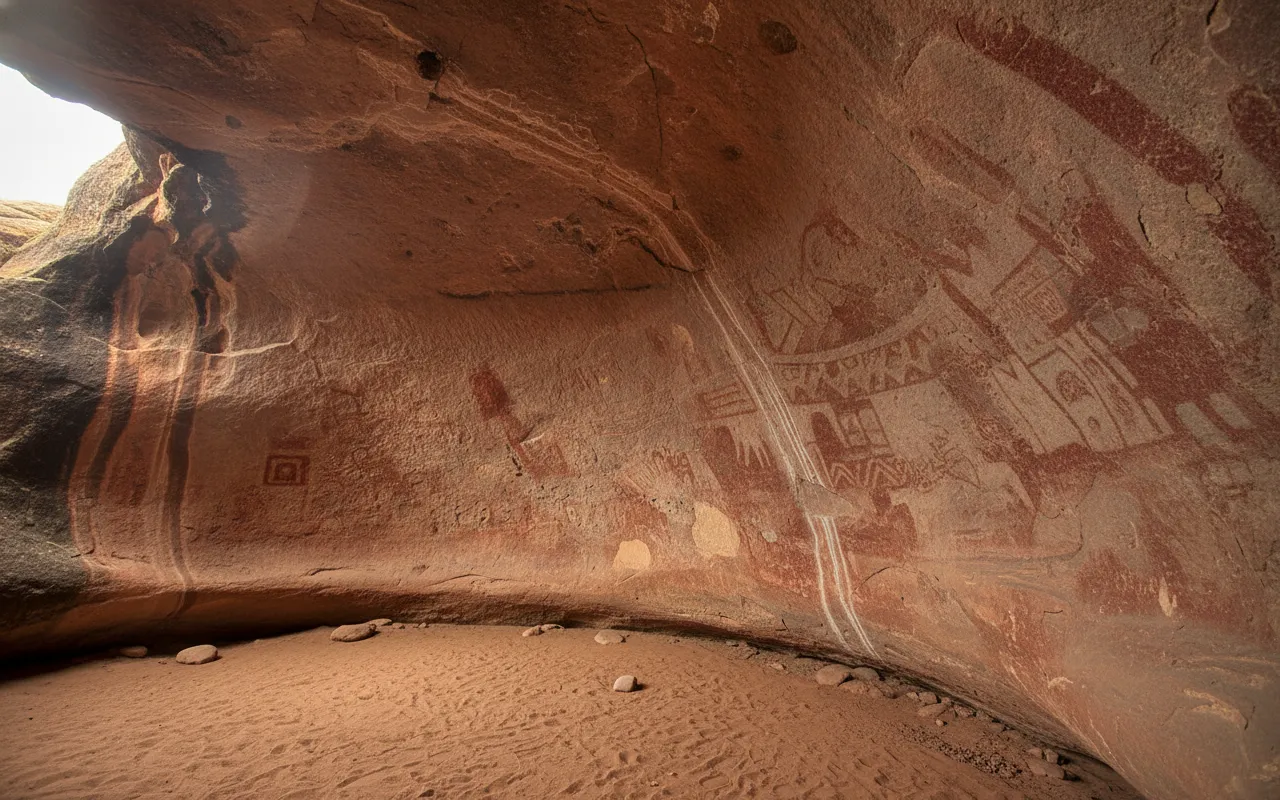
But the true magic lies in discovering the hidden grottoes. Your guide will lead you to these secluded spots, where the walls come alive with the vibrant rock art. You'll see depictions of llamas, pumas, birds, and intricate human figures, some adorned with elaborate headwear. Geometric patterns and abstract symbols add to the mystery, inviting you to ponder their meaning. It’s an incredibly humbling experience to stand before these ancient artworks, knowing that hands from a distant past meticulously crafted them here, in this very spot. It’s a direct connection to a forgotten world, a silent conversation across millennia.
Beyond the rock art, the sheer scale and variety of the geological formations are astounding. You might encounter formations resembling giant mushrooms, petrified waves, or even a natural amphitheater. The silence, broken only by the wind and your own footsteps, amplifies the feeling of being utterly removed from modern civilization. It’s a place for contemplation, for wonder, and for truly reconnecting with the raw power of nature and the echoes of ancient life.
Practical Tips for Your Expedition to Ciudad de Itas
Ready to embark on this incredible journey? Here’s what you need to know to make your visit to Ciudad de Itas as smooth and rewarding as possible:
Getting There: The Road to Torotoro
Ciudad de Itas is located within Torotoro National Park, and the gateway to the park is the charming, rustic town of Torotoro. The most common way to reach Torotoro is from Cochabamba, Bolivia's fourth-largest city. You can catch a shared taxi (known as a 'trufi' or 'collectivo') or a bus from Cochabamba's main bus terminal. The journey is an adventure in itself, often taking 4-5 hours on a winding, sometimes unpaved road through stunning Andean landscapes. Once in Torotoro town, you'll arrange your park entry and guide services.
Park Entry and Guides: Essential Information
Torotoro National Park requires all visitors to hire a local, authorized guide for any excursion, including Ciudad de Itas. This is not only for your safety but also to support the local community and ensure the preservation of these fragile sites. Guides can be arranged through your hostel in Torotoro or at the park's administrative office in town. Park entry fees and guide fees are separate and reasonable, contributing directly to the park's upkeep and local livelihoods.
What to Bring: Your Expedition Checklist
- Sturdy Hiking Shoes: The terrain can be uneven, rocky, and sometimes slippery.
- Water: Bring plenty! It can get hot, and there are no shops once you leave Torotoro town.
- Sun Protection: Hat, sunglasses, and high-SPF sunscreen are crucial at this altitude.
- Snacks: Energy bars, fruit, and other snacks will keep you fueled.
- Camera: You'll want to capture the incredible scenery and ancient art.
- Headlamp/Flashlight: Useful for exploring deeper into some of the grottoes.
- Layered Clothing: Mornings can be cool, but midday temperatures rise quickly.
- Small Backpack: To carry all your essentials comfortably.
Accommodation and Food
Torotoro town offers a range of simple but comfortable hostels and guesthouses. Don't expect luxury, but you'll find clean rooms, warm hospitality, and delicious local food. Many accommodations can also help you organize tours and guides for Ciudad de Itas and other park attractions.
Best Time to Visit
The dry season, from May to October, is generally considered the best time to visit Torotoro National Park. The weather is typically sunny and clear, and the roads are in better condition, making travel to and within the park easier. The wet season (November to April) can bring heavy rains, which might make some trails impassable and roads more challenging.
Respecting the Site
Ciudad de Itas and its ancient rock art are incredibly fragile. Always follow your guide's instructions, stay on marked paths, and under no circumstances touch the rock paintings or any other archaeological features. Take nothing but photos, leave nothing but footprints. Your responsible tourism helps preserve this marvel for future generations.
Ciudad de Itas is more than just a destination; it's an experience that will stir your imagination, challenge your perspective, and leave you with a profound sense of wonder. It's a place where the Earth's ancient history intertwines with the whispers of forgotten civilizations, waiting for you to discover its secrets. Are you ready to step into this lost world?
Essential Travel Information
- Location Ciudad de Itas (Torotoro National Park), Bolivia
- Best Time May to October (dry season)
- Getting There Bus or shared taxi from Cochabamba to Torotoro town (approx. 4-5 hours), then arrange park entry and guide in Torotoro.
- Airport Jorge Wilstermann International Airport (CBB), Cochabamba
- Budget Budget/Mid-range (approx. $30-60 USD per day, excluding major transport to/from Torotoro)
- Language Spanish, Quechua
Find Places to Stay Near Ciudad de Itas (Torotoro National Park)
Compare hotels, hostels, and unique stays in Bolivia.
Search AccommodationTours & Experiences Near Ciudad de Itas (Torotoro National Park)
Book guided tours, day trips, and unique experiences.
Browse Tours