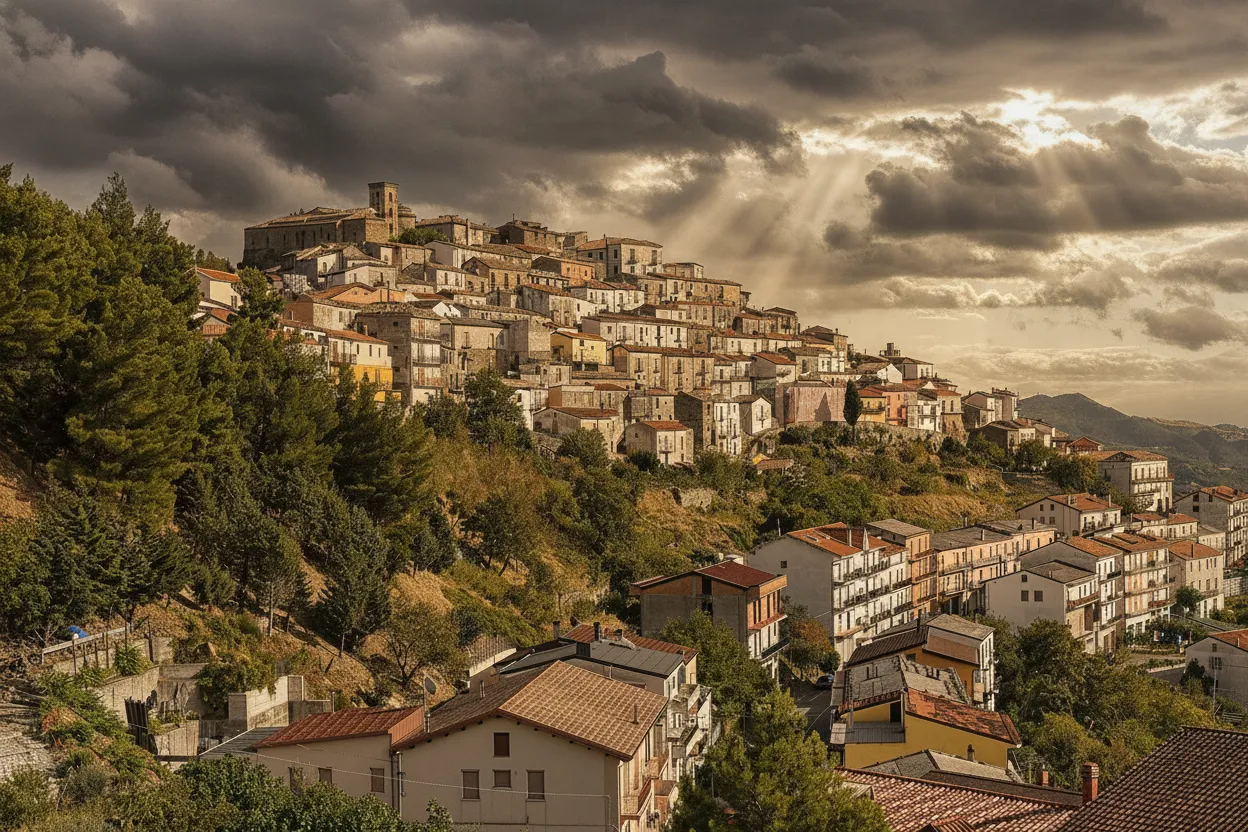
Imagine a place so steeped in ancient lore, so potent with whispered curses, that even uttering its name is said to invite misfortune. A place where superstition isn't just a quaint belief, but a living, breathing force that shapes daily life and conversation. Welcome, if you dare, to a hidden corner of Italy where the veil between belief and reality feels remarkably thin. Tucked away in the rugged, sun-drenched hills of Basilicata lies Colobraro – or rather, as locals and those in the know refer to it, 'that place.' This isn't just a medieval village; it's a living testament to the enduring power of folklore, a macabre whisper among the ancient stones, and an irresistible draw for the curious soul seeking something truly extraordinary.
The Village of Unspeakable Fortune (or Misfortune?)
Colobraro isn't just any charming Italian village. Its fame, or rather its infamy, stems from a centuries-old reputation as Italy's 'village of bad luck.' The name itself, derived perhaps from 'coluber' (snake, a symbol often associated with evil or magic), has been deemed so potent that residents steadfastly refuse to say it aloud. Instead, they gesture vaguely, refer to it as 'il paese' (the village), or 'quello là' (that place). This isn't a playful quirk; it's a deeply ingrained cultural taboo, born from generations of unexplained accidents, sudden illnesses, and bizarre misfortunes attributed to simply speaking the village's name.
For the intrepid traveler, this unique blend of history, folklore, and palpable superstition creates an atmosphere unlike anywhere else. You're not just visiting a historical site; you're stepping into a narrative that has unfolded for centuries, a place where the collective belief of its inhabitants has, in a very real sense, shaped its identity. It's a destination that challenges your perceptions, inviting you to ponder the thin line between coincidence and destiny, between myth and the undeniable human experience.
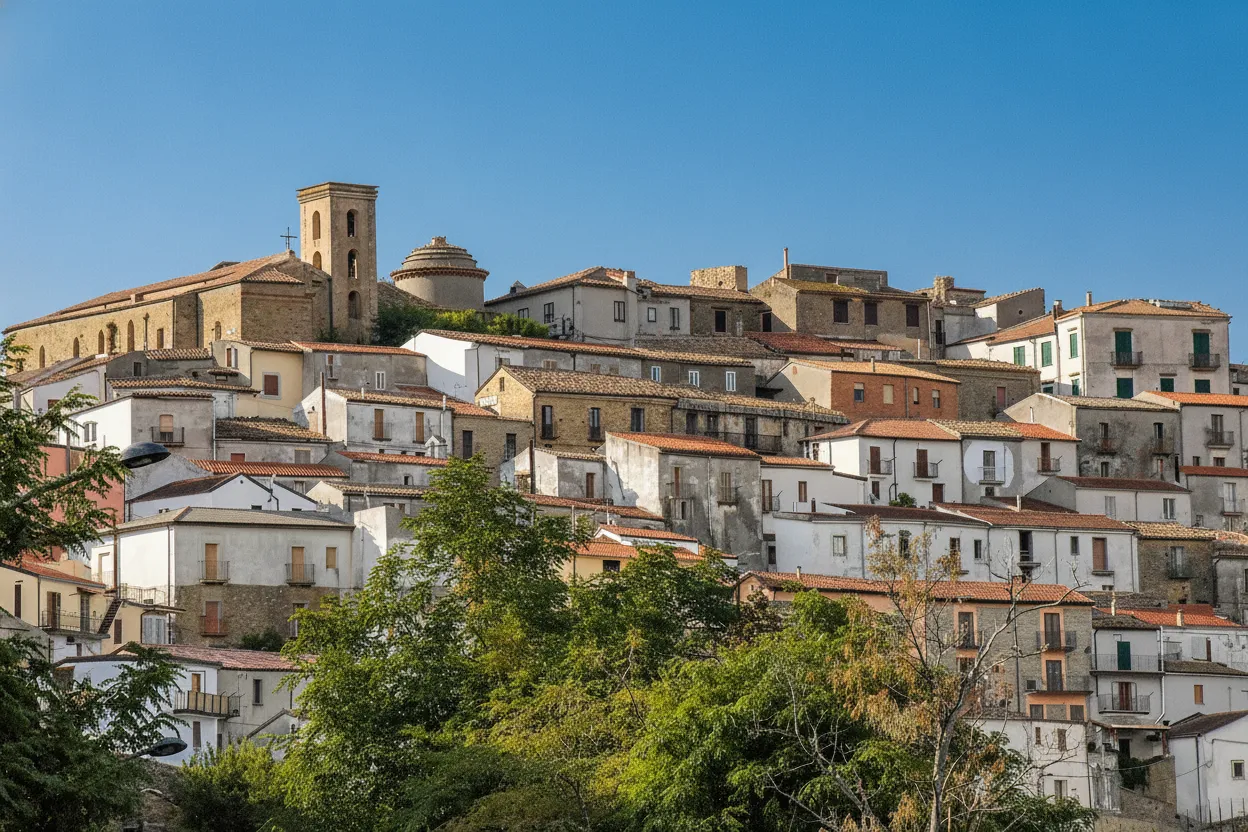
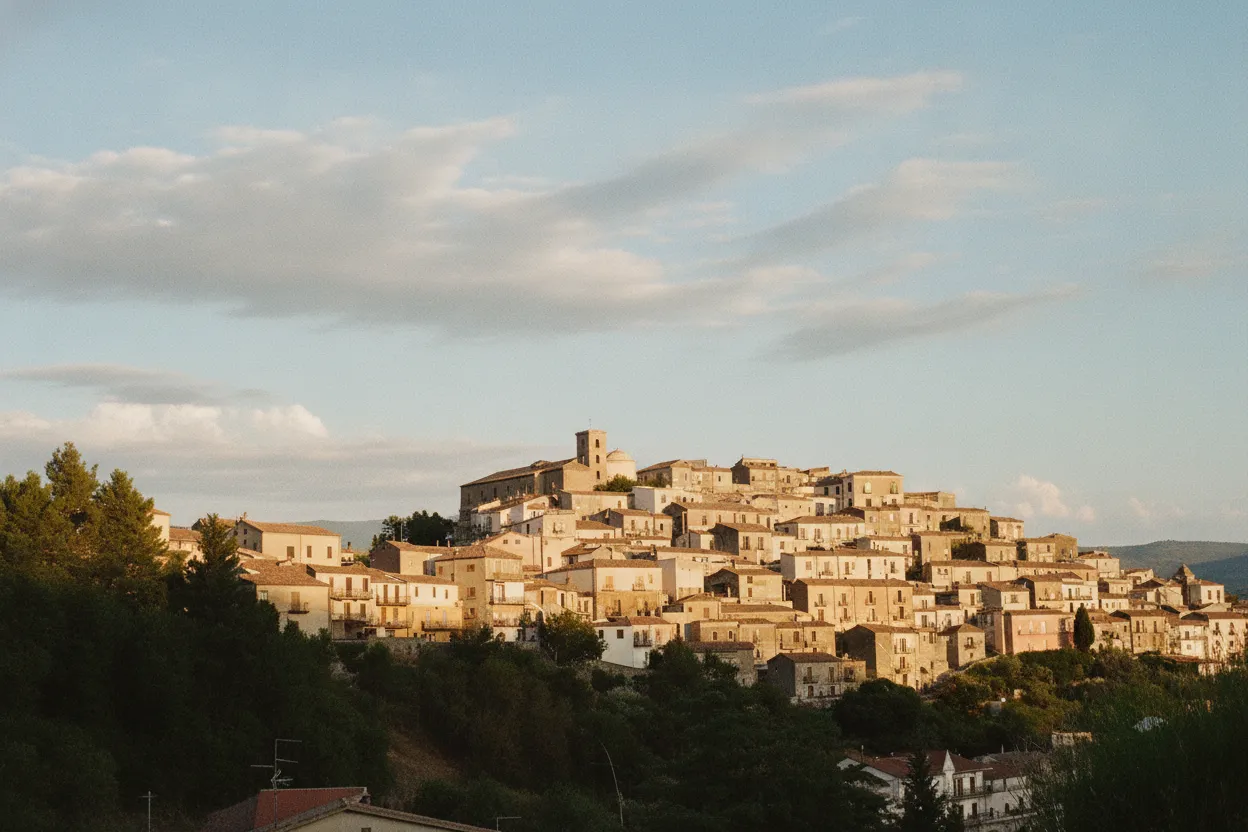
Far from being a place of dread, however, Colobraro holds a peculiar allure. Its remoteness in the southern Italian region of Basilicata has kept it largely off the mainstream tourist radar, preserving its authentic character and allowing its unique mystique to flourish. Here, you won't find bustling souvenir shops or noisy tour groups. Instead, you'll discover quiet cobblestone streets, ancient stone houses clinging to the hillside, and a profound sense of stepping back in time to an Italy where magic and mystery still held sway.
Whispers of History: The Origins of a Legend
The exact genesis of Colobraro's unlucky reputation is shrouded in the mists of time, a tapestry woven from countless anecdotes and oral traditions. Some tales speak of a powerful witch or 'masciara' who once lived here, her curses lingering in the very air. Others point to a specific historical figure: perhaps a powerful local lord or even a corrupt mayor from centuries past, whose ill-will or misfortune somehow tainted the village's essence. One popular story recounts a lawyer, Biagio Virgilio, who, in the 1940s, was known for his bad luck. During a courtroom speech, he declared, "If what I say is true, may this chandelier fall!" And, legend has it, the chandelier promptly crashed to the floor, injuring no one but solidifying the village's cursed reputation, especially since Virgilio was from Colobraro.
Regardless of its precise origin, the legend has been meticulously passed down through generations, each new incident reinforcing the belief. From unexplained structural collapses to sudden, strange illnesses befalling those who dared to mock the superstition, the stories have accumulated, creating an impenetrable wall of local conviction. This deep-seated belief has not only shaped the village's identity but also its relationship with the outside world. For centuries, people from neighboring towns would avoid saying its name, and even today, many Basilicata residents will instinctively touch iron or make protective gestures when 'that place' is mentioned.
Yet, the locals of Colobraro themselves have a complex relationship with their reputation. While they respect the taboo, some have also learned to embrace and even leverage it. During summer months, the village hosts a unique festival called "Sogno di una Notte a Quel Paese" (Dream of a Night in That Place), a theatrical event that playfully explores the legends and superstitions, inviting visitors to experience the 'magic' firsthand. It's a fascinating example of how a community can take ownership of its narrative, transforming a perceived curse into a unique cultural offering.
Exploring the Shadows and Stone: What You'll See
Stepping into Colobraro, or 'that place,' is like entering a time capsule. The village is a stunning example of medieval architecture, its stone houses seemingly growing out of the rocky terrain. As you wander through its narrow, winding alleys, you'll feel the weight of centuries of history pressing in. The silence is often profound, broken only by the chirping of cicadas or the distant bleating of sheep, allowing your imagination to truly take hold and conjure images of the ancient lives lived within these walls.
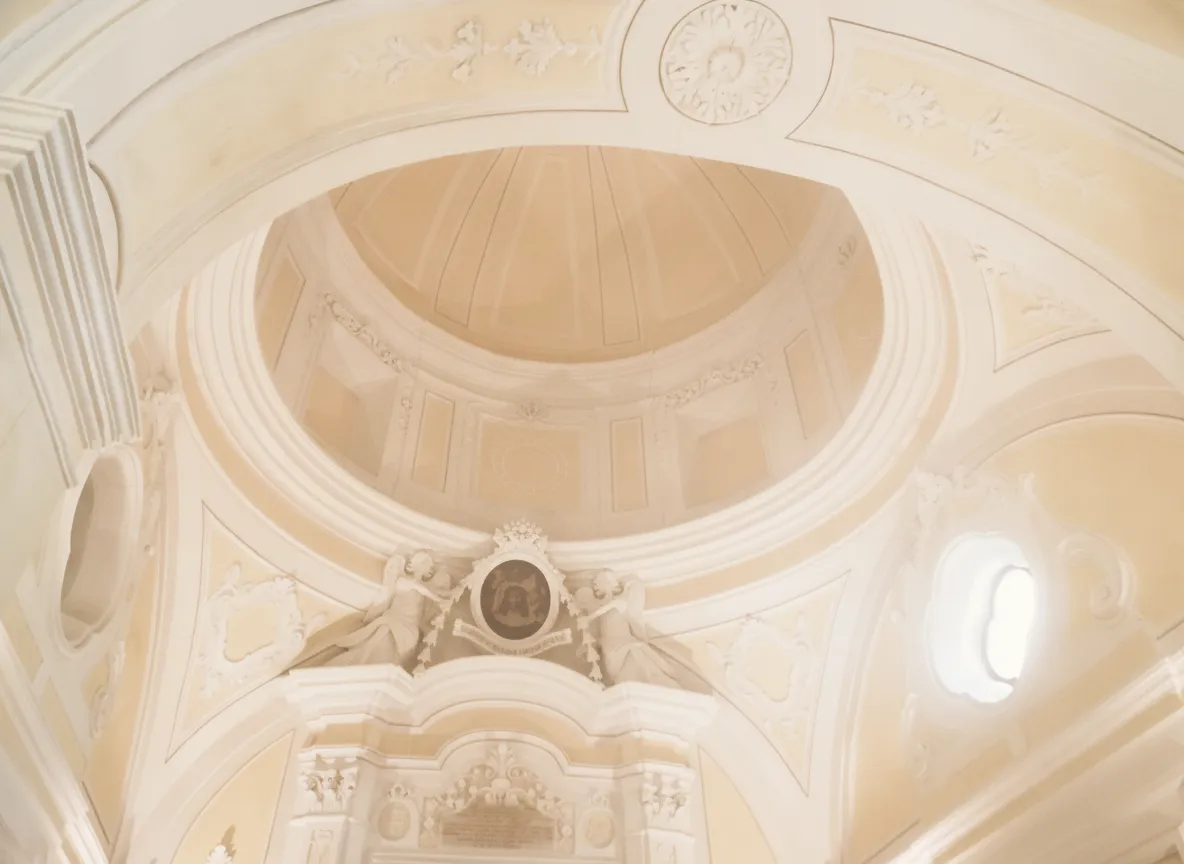
The village's elevated position offers breathtaking panoramic views of the surrounding Basilicata landscape – rolling hills, deep valleys, and glimpses of the Ionian Sea on a clear day. The dramatic scenery adds to the sense of isolation and wonder. You'll discover charming piazzas, ancient churches with weathered facades, and perhaps even a local artisan's workshop where traditions are still kept alive. Look closely at the details: the intricate stonework, the faded frescoes, the heavy wooden doors – each element tells a story.
While there aren't grand museums or famous landmarks in the conventional sense, the entire village is a living museum. The true attraction lies in its atmosphere, its palpable sense of history, and the unique cultural experience of being in a place where superstition has such a tangible presence. Imagine sitting in a quiet cafe, sipping an espresso, and knowing that every local around you holds a shared, unspoken understanding of the village's peculiar legacy. It's an immersive dive into a deeply authentic slice of Italian life, far removed from the tourist throngs of Florence or Rome.
Your Journey to 'That Place': Practical Tips
Visiting Colobraro is an adventure, one that requires a bit of planning but promises immense rewards for the curious traveler. Here’s what you need to know to make your journey to 'that place' as smooth and respectful as possible:
Best Time to Visit: The shoulder seasons (April-May and September-October) offer the most pleasant weather, with warm days perfect for exploring and cooler evenings. Summers can be hot, but the "Sogno di una Notte a Quel Paese" festival typically runs in August, which might be a compelling reason for a summer visit despite the heat. Winters are quiet and can be chilly, but offer a stark, dramatic beauty.
How to Get There: Basilicata is a region best explored by car, and Colobraro is no exception. It's quite remote, and public transport options are limited. Renting a car from a major airport like Bari (BRI) or Brindisi (BDS) is highly recommended. The drive itself is scenic, winding through the beautiful Basilicata countryside. From Matera, a UNESCO World Heritage site and another must-visit in Basilicata, Colobraro is about a 1.5-hour drive.
Where to Stay: Accommodation directly within Colobraro is very limited, reflecting its small size and authentic nature. You might find a charming B&B or an agriturismo (farm stay) in the immediate vicinity. Alternatively, consider staying in a larger nearby town like Valsinni, Policoro, or even Matera, and making Colobraro a fascinating day trip. This gives you more options for dining and amenities.
Respect Local Customs: This is paramount. While you, as an outsider, might view the superstition with a mix of curiosity and skepticism, it is a deeply held belief for the locals. Avoid uttering the village's name aloud in conversation with residents. Refer to it as "il paese" or "the village." This small gesture of respect will be greatly appreciated and will open doors to more genuine interactions with the community.
What to Bring: Comfortable walking shoes are a must for navigating the cobblestone streets. A camera is essential to capture the village's unique beauty and the stunning landscapes. An open mind and a sense of adventure are perhaps the most important items to pack for a truly enriching experience.
Colobraro isn't just a destination; it's an experience, a journey into the heart of Italian folklore and the enduring power of human belief. It challenges you to look beyond the surface, to listen to the whispers of history, and to ponder the mysteries that still linger in our modern world. So, if you're seeking an off-the-beaten-path adventure, a place that truly sparks wonder and a touch of delicious unease, then 'that place' in Basilicata awaits your respectful exploration. Just remember to watch your words, and perhaps, your step.
Essential Travel Information
- Location Colobraro, Italy
- Best Time Spring (April-May) or Autumn (September-October)
- Getting There Best reached by rental car from Bari (BRI) or Brindisi (BDS) airports. Approximately 1.5-hour drive from Matera.
- Airport Bari Karol Wojtyła Airport (BRI)
- Budget Budget/Mid-range (approx. €50-€100 per day including basic accommodation and food)
- Language Italian
Find Places to Stay Near Colobraro
Compare hotels, hostels, and unique stays in Italy.
Search AccommodationTours & Experiences Near Colobraro
Book guided tours, day trips, and unique experiences.
Browse Tours