The Unveiling of an Ancient Mystery
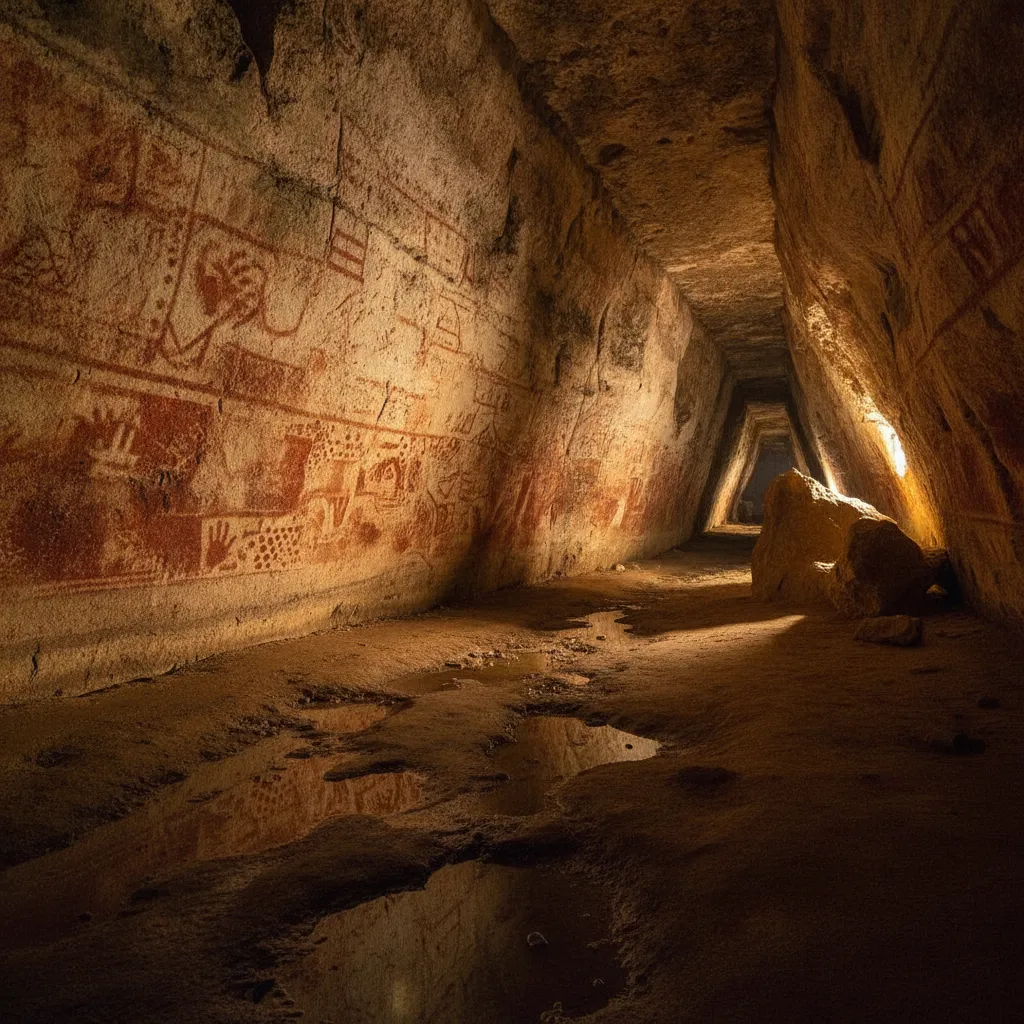
The story of Cueva de Ardales, also known as Cueva de Doña Trinidad Grund, is one of gradual revelation and scientific paradigm shifts. Though known locally for centuries and partially explored in the late 19th century, its true significance as a cradle of Neanderthal art remained obscured for a long time. Early investigations, like many sites across Europe, tended to attribute all significant prehistoric art to *Homo sapiens*, largely due to prevailing scientific biases. The art within Ardales, with its simpler forms and often abstract nature, was initially considered less sophisticated, perhaps even natural markings, or later *Homo sapiens* work. However, modern scientific advancements, particularly in dating techniques, began to unravel its deeper secrets. It was the application of uranium-thorium (U-Th) dating to calcite crusts overlying the red pigment markings that provided the irrefutable evidence. Unlike radiocarbon dating, U-Th dating can accurately date much older samples, and the results from Ardales were astounding: the calcite layers formed *after* the art was made, yielding minimum ages of over 65,000 years. This timeframe placed the creation of the art firmly within the period when Neanderthals were the sole hominin inhabitants of Europe. The implications were immediate and profound, triggering a ripple effect through the archaeological community and forcing a re-evaluation of Neanderthal cognitive abilities, their capacity for symbolic thought, and their place in the human story. Ardales became a beacon, illuminating a previously dark corner of our understanding of ancient intelligence.What Secrets Lie Within: The Art of Our Ancestors
Stepping into Cueva de Ardales is like entering a time capsule, a sacred space where the very air seems to hum with ancient whispers. The cave itself is a labyrinth of chambers and passages, adorned with spectacular natural formations – stalactites reaching down like stone icicles, stalagmites rising from the floor, and flowstones cascading in frozen waterfalls. But it's the art that truly captivates. Spread across various chambers, often in deeper, less accessible parts of the cave, you'll find the indelible marks left by Neanderthals.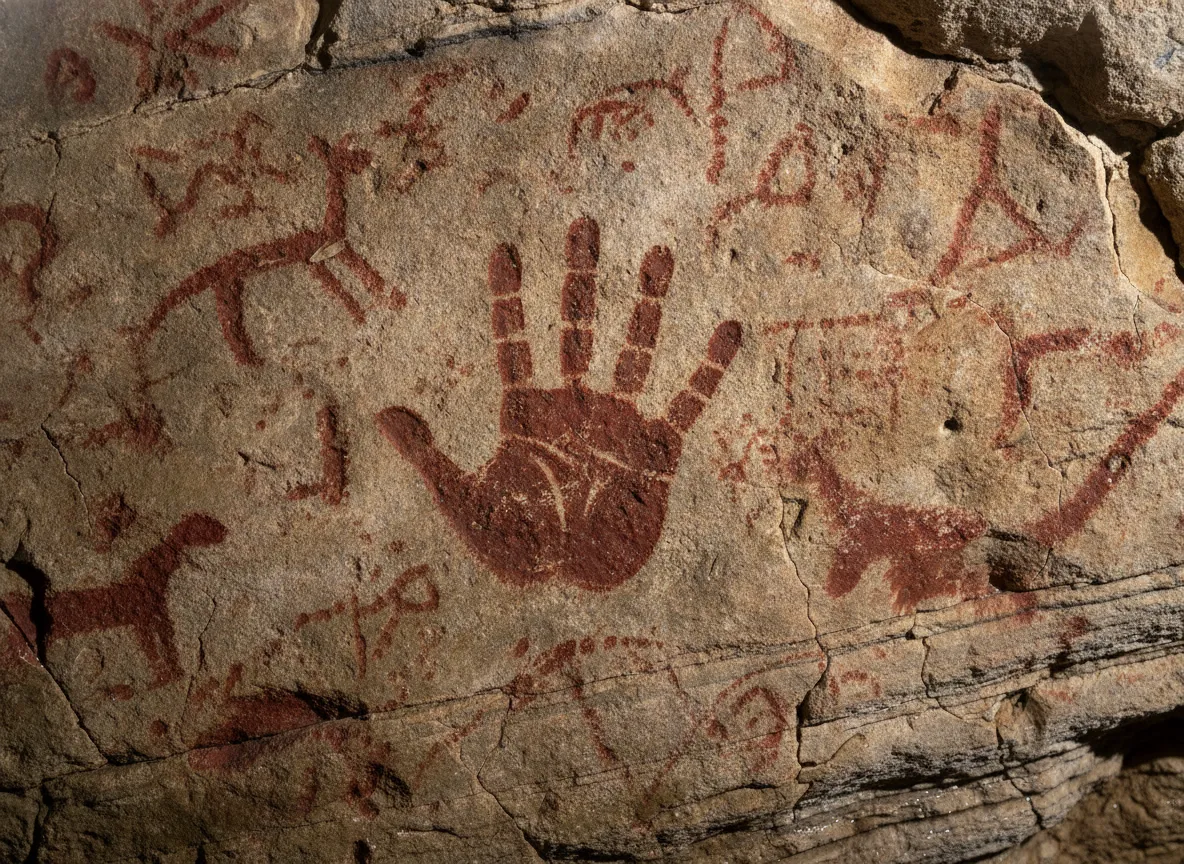 The art itself is not the elaborate, figurative animal depictions found in later Cro-Magnon sites like Lascaux or Altamira. Instead, it’s characterized by abstract motifs: simple lines, dots, zigzags, and large, sweeping smears of red ochre. Perhaps the most poignant are the hand stencils, ghostly outlines of Neanderthal hands pressed against the rock, leaving their indelible mark for eternity. These aren't just random marks; they show intentionality, composition, and a clear use of pigment – predominantly red ochre, a mineral easily found and processed. While we can only speculate on their exact meaning – whether they were territorial markers, spiritual symbols, or simply an expression of presence – their existence unequivocally demonstrates a capacity for symbolic behavior. It suggests that Neanderthals engaged with their environment not just practically, but also aesthetically and perhaps ritualistically, a facet of their existence long denied by mainstream science. To see these marks, knowing the hands that made them were so different yet so similar to our own, is an intensely moving experience.
Beyond the Art: The Cave's Natural Wonders
While the Neanderthal art is undoubtedly the star attraction, Cueva de Ardales is also a geological marvel in its own right. The journey through its chambers offers a breathtaking display of nature's artistry, sculpted over millennia by water and mineral deposits. You'll traverse vast caverns and narrow passages, each turn revealing new formations.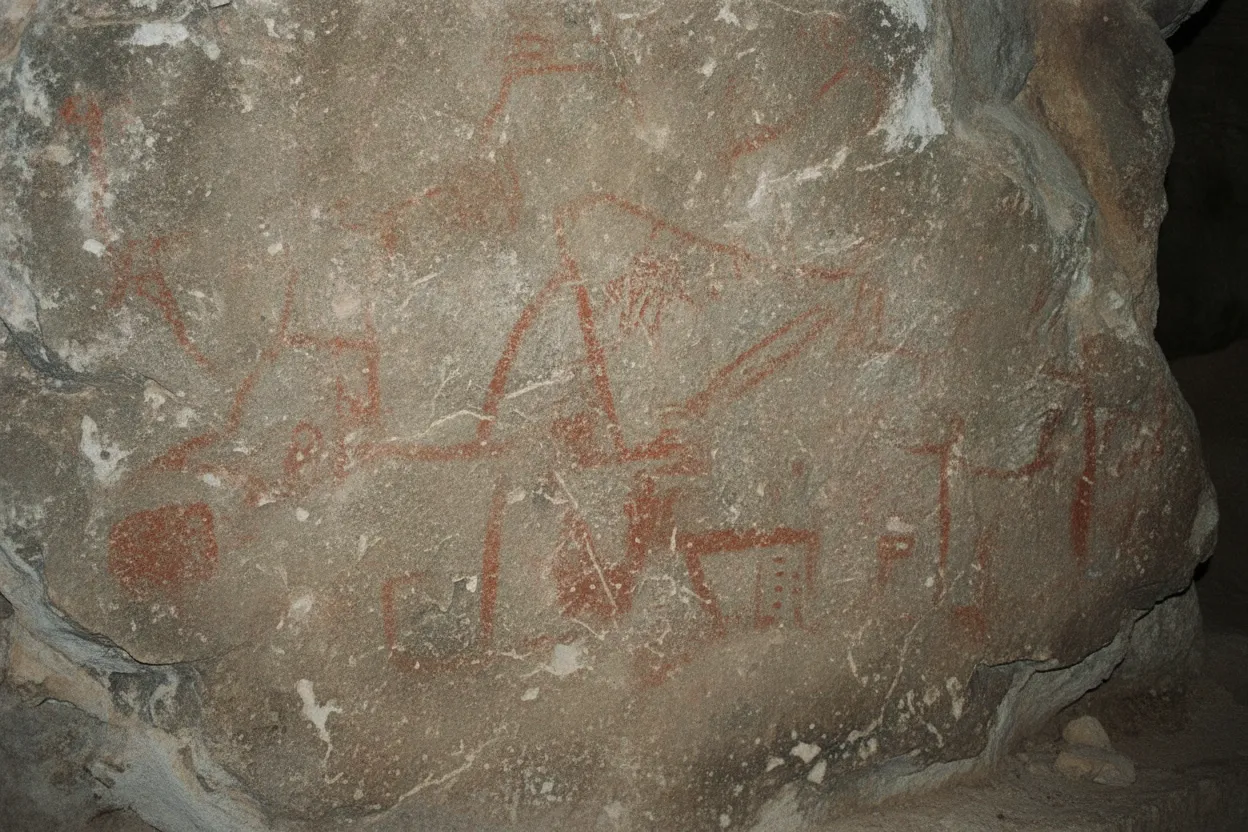 Massive columns formed where stalactites and stalagmites have met, creating towering pillars that seem to hold up the cave roof. Delicate draperies hang like stone curtains, and glistening flowstones shimmer under the soft light of the guide's lamp. The cave's cool, constant temperature and high humidity create a unique ecosystem, supporting specialized cave fauna, though these are rarely the focus of the tours. The sheer scale and intricate beauty of the geological formations serve as a magnificent backdrop to the prehistoric art, reminding visitors of the immense timescales involved and the enduring power of both natural processes and early human expression. It's a holistic experience that connects you not just to ancient minds, but to the very pulse of the Earth itself.
Planning Your Expedition to Cueva de Ardales
Visiting Cueva de Ardales is not your typical tourist excursion, and that's precisely part of its allure. This is a site of active archaeological research, and its preservation is paramount. Therefore, access is highly restricted and requires careful planning. **Restricted Access is Key:** Unlike more commercialized caves, Cueva de Ardales limits visitor numbers significantly to protect the delicate environment and the priceless art. This means you cannot simply show up and expect to enter. **How to Visit:** Tours are primarily guided and offered in small groups, often on specific days and times. **Booking well in advance is absolutely essential.** Information regarding tours and booking can typically be found on the official Ardales municipality website or through specialized tour operators focusing on archaeological tourism in Andalusia. Tours are educational and led by expert guides who contextualize the art and the cave's history. **What to Expect:** * **Duration:** Tours typically last around 1.5 to 2 hours. * **Conditions:** The cave maintains a constant cool temperature (around 16-18°C or 61-64°F) and high humidity year-round. * **Terrain:** Be prepared for uneven surfaces, some slippery sections, and potentially narrow passages. Comfortable, sturdy walking shoes with good grip are a must. A light jacket or sweater is highly recommended, even in summer. * **Photography:** Due to preservation concerns and to maintain the integrity of the experience, photography might be restricted in certain areas or entirely. Always respect your guide's instructions. * **Location:** The cave is located near the charming white village of Ardales, in the province of Málaga, Andalusia. It's best accessed by car, offering a scenic drive through the Andalusian countryside.Why Cueva de Ardales Demands Your Attention
Cueva de Ardales is more than just a destination; it's an educational journey, a philosophical contemplation, and a deeply moving encounter with the past. It challenges our preconceptions about what it means to be "human," expanding our understanding of intelligence, creativity, and symbolic thought beyond the confines of our own species. To stand before those ancient marks, knowing they were made by Neanderthal hands over 65 millennia ago, is to feel a profound connection to a shared ancestry, a reminder that the spark of creativity burns deep within the hominin lineage.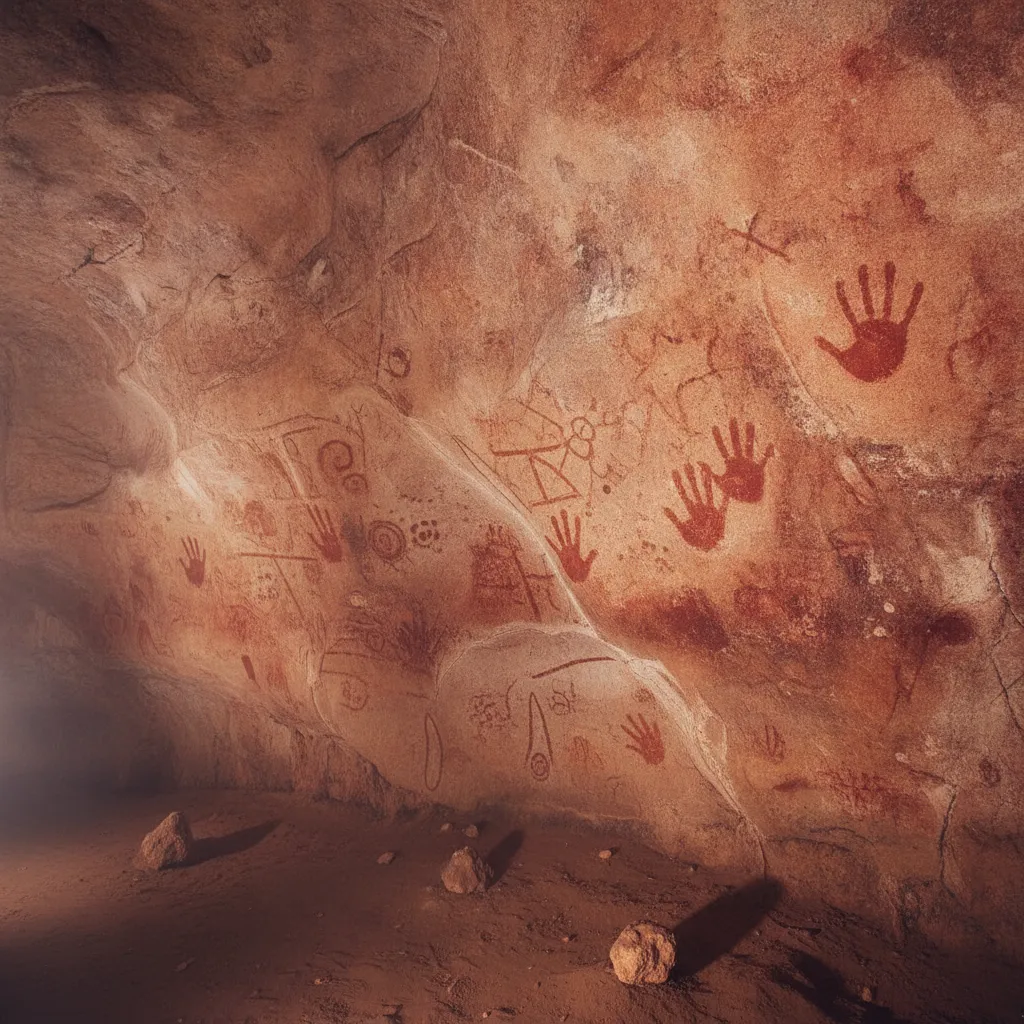 It’s a place that fosters a sense of wonder, urging you to look beyond the obvious and consider the hidden depths of history and evolution. If you have a passion for archaeology, an insatiable curiosity about our origins, or simply a desire to witness a truly world-changing site that remains largely under the radar, then Cueva de Ardales should be at the very top of your travel list. It’s an experience that will stay with you long after you’ve left the cool embrace of the cave, forever changing how you view the story of humanity.
Essential Travel Information
- Location Cueva de Ardales, Spain
- Best Time Spring (April-May) or Autumn (September-October) for pleasant weather in Andalusia.
- Getting There Best reached by car from Málaga (approx. 1 hour drive) or other major Andalusian cities. Located near Ardales village.
- Airport Málaga-Costa del Sol Airport (AGP)
- Budget Mid-range (expect €20-€50+ per person for guided tours, plus travel and accommodation costs in the region).
- Language Spanish (guided tours may be available in English, inquire when booking).
Find Places to Stay Near Cueva de Ardales
Compare hotels, hostels, and unique stays in Spain.
Search AccommodationTours & Experiences Near Cueva de Ardales
Book guided tours, day trips, and unique experiences.
Browse Tours