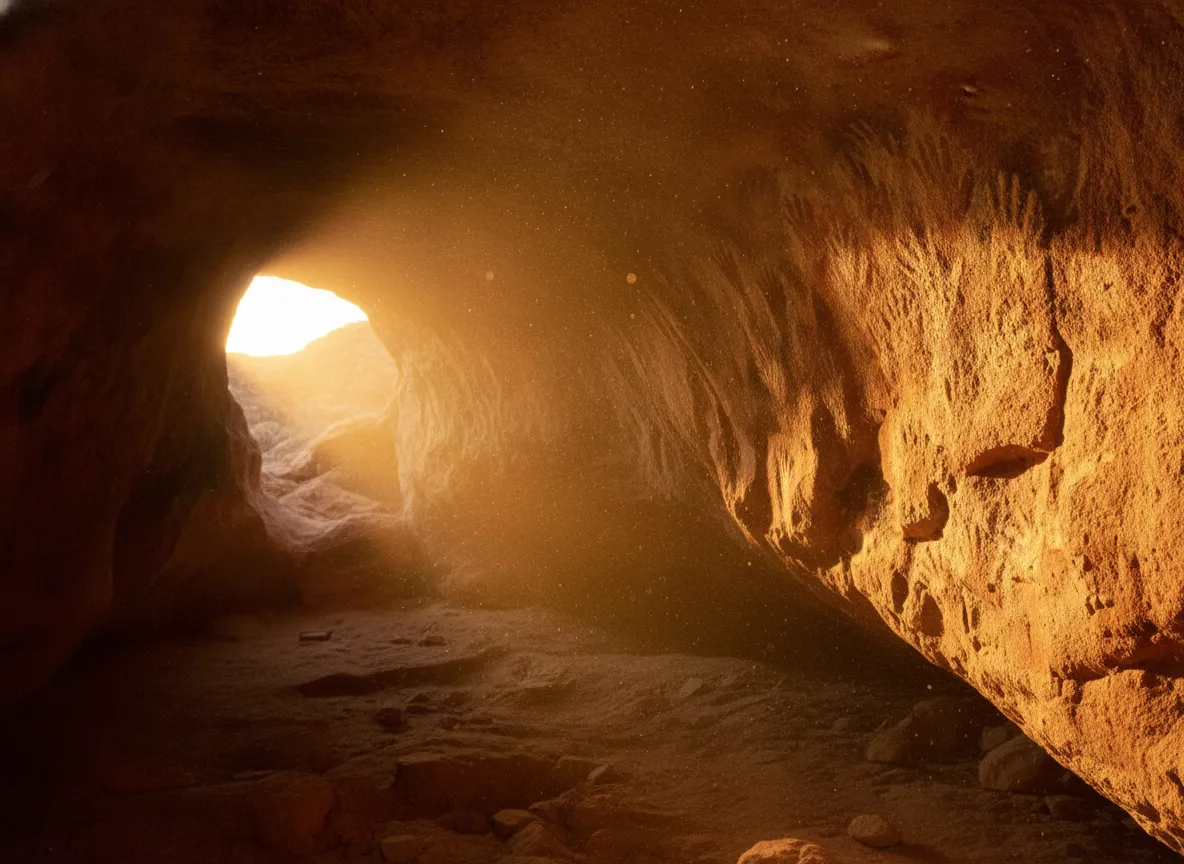
Imagine stepping into a timeless gallery, a prehistoric cathedral where countless human hands, imprinted in ochre and minerals, emerge from the cave walls like ghostly greetings from millennia past. This isn't a scene from a fantasy novel; it's the profound reality of Cueva de las Manos, or the Cave of the Hands, a remote masterpiece tucked away in the rugged heart of Argentina's Santa Cruz Province. If you crave an adventure that transcends mere sightseeing, an encounter with humanity's distant past that leaves an indelible mark on your soul, then prepare to be captivated by one of the world's most extraordinary hidden treasures.
Journey to the Dawn of Art: What Makes Cueva de las Manos Unforgettable?
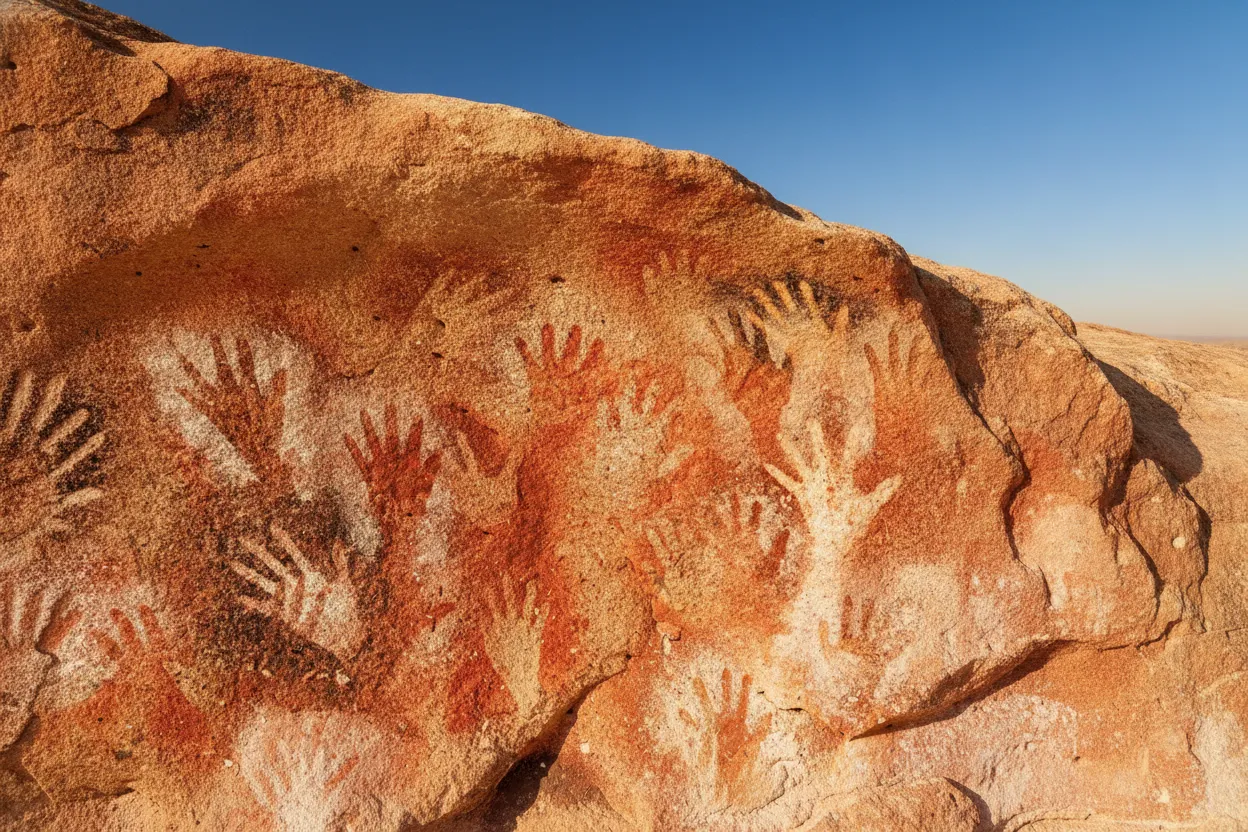
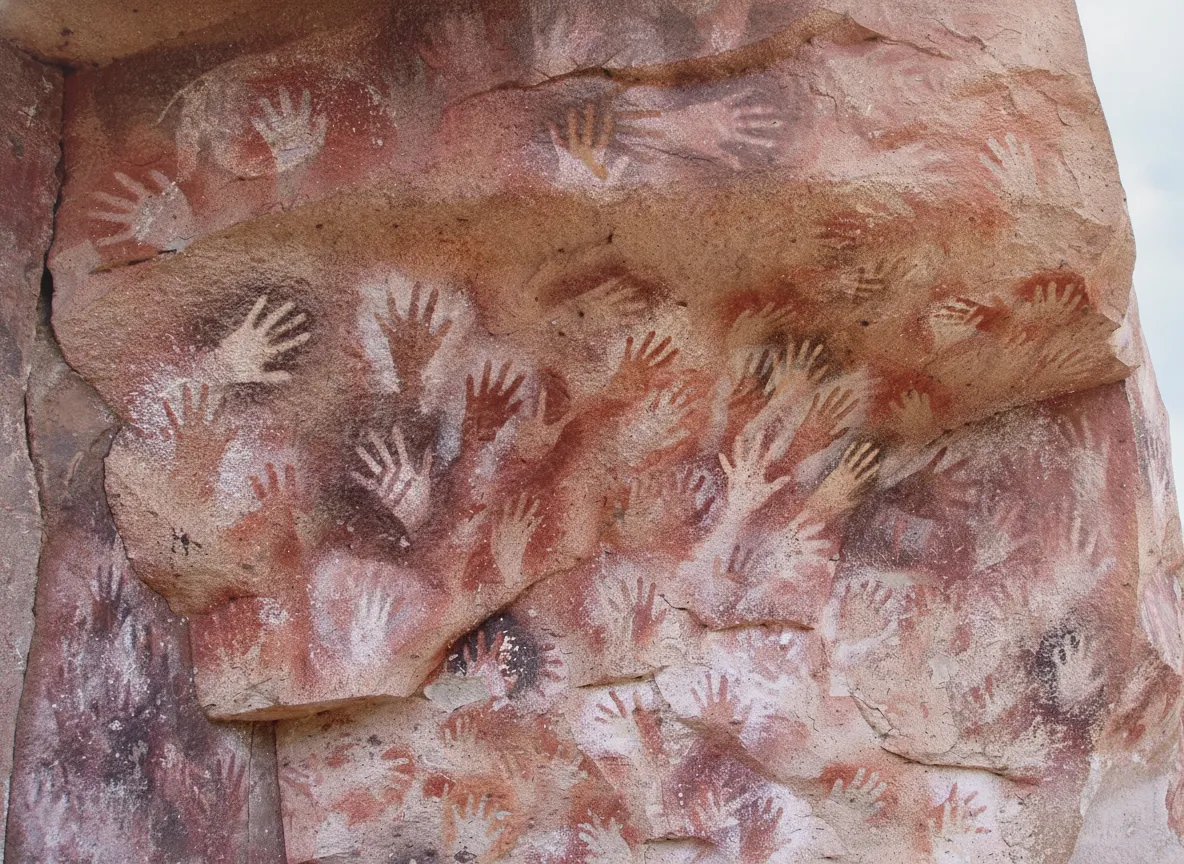
Cueva de las Manos isn't just a cave; it's a UNESCO World Heritage site, a living testament to the ingenuity and artistic spirit of ancient hunter-gatherers who roamed Patagonia up to 10,000 years ago. What makes this place truly special isn't just its age, but the sheer volume and incredible preservation of its art. Hundreds of stenciled human hands, predominantly left hands, adorn the rock faces, creating a mesmerizing tapestry of individual 'signatures' from a civilization long gone.
Beyond the iconic hands, the cave walls also tell stories of survival and daily life: dynamic hunting scenes depict guanacos (native South American camelids) in motion, alongside rheas (flightless birds similar to ostriches) and other local fauna. The vivid reds, whites, blacks, and yellows, derived from natural minerals, have defied the relentless march of time, remaining eerily bright and clear, as if painted just yesterday. Standing before these millennia-old creations, you don't just observe art; you feel a profound, tangible connection to our ancestors, a direct line to their world, their beliefs, and their enduring human spirit, all set against the backdrop of one of Earth's most isolated and breathtaking landscapes.
Echoes of Ancient Patagonia: A Glimpse into Prehistoric Lives
The artists of Cueva de las Manos were nomadic hunter-gatherers, ancestors of the Tehuelche people, who adapted to the harsh, windswept Patagonian environment. For thousands of years, these groups followed the migrations of guanacos, their primary food source, using every part of the animal for sustenance, clothing, and tools. The cave served as a temporary shelter, a sacred space, and a canvas for their artistic expression.
The oldest paintings at Cueva de las Manos date back approximately 9,000 to 10,000 years, making them some of the oldest continuous rock art sequences in South America. The most iconic hand stencils were created over various periods, predominantly between 7,300 and 3,300 years ago. To create these striking images, the artists would place their hand against the rock and blow natural pigments (like iron oxides for red, kaolin for white, manganese for black, and natrojarosite for yellow) through hollow bone tubes, creating a stencil effect. The prevalence of left hands suggests that the artists held the tube in their right hand, a small detail that offers a charming glimpse into their working methods.
While the exact purpose of the handprints remains a mystery, theories abound. Were they a form of identity, a way to mark one's presence? Were they part of a ritual, a connection to the spiritual world, or perhaps a rite of passage? Whatever their true meaning, these ancient 'signatures' are a powerful reminder of humanity's innate desire to leave a mark, to communicate across time, and to express the beauty and challenges of their existence.
Walking Among Ancient Echoes: What You'll See and Feel
Arriving at Cueva de las Manos is an experience in itself. After navigating the rugged Patagonian terrain, you'll find the cave nestled within a deep canyon carved by the Pinturas River. The site is meticulously managed to preserve its delicate art, with wooden walkways and viewing platforms guiding visitors through the various sections of the cave.
As you step inside, the sheer volume of the art is breathtaking. Walls come alive with hundreds of hands, overlapping and clustered, some perfectly preserved, others faded by time, creating a mesmerizing mosaic of human presence. Each hand feels like a personal greeting from someone who lived thousands of years ago, inviting you to ponder their life and their world.
Beyond the hands, take time to appreciate the intricate hunting scenes. These aren't static images; they pulse with movement and energy. You'll see guanacos depicted in various stages of a hunt, sometimes running, sometimes cornered, alongside human figures wielding bolas (a throwing weapon used to entangle legs). These scenes offer invaluable insights into the hunting techniques and the wildlife that sustained these ancient communities. You might also spot depictions of rheas, pumas, and abstract geometric patterns, showcasing a rich artistic vocabulary.
The vibrant colors, the scale of the gallery, and the profound silence of the canyon combine to create an atmosphere of reverence and wonder. It's a place where time seems to dissolve, allowing you to bridge the millennia and feel a direct, emotional connection to the earliest human inhabitants of this incredible land.
Planning Your Journey to the End of the World: Practical Visit Tips
Visiting Cueva de las Manos is an adventure that requires planning, but the reward is immeasurable. Its remote location adds to its mystique and ensures a truly off-the-beaten-path experience.
Getting There: The Patagonian Odyssey
Cueva de las Manos is located approximately 163 km (101 miles) south of the small town of Perito Moreno (not to be confused with the Perito Moreno Glacier near El Calafate) and about 120 km (75 miles) west of Bajo Caracoles, both in Santa Cruz Province. The journey involves driving on unpaved, gravel roads (Ruta Provincial 40 and Ruta Provincial 99), which can be challenging and require a sturdy vehicle, preferably a 4x4, especially if there has been rain. Many visitors opt to hire a local guide or join an organized tour from Perito Moreno, Los Antiguos, or even further afield like El Calafate, as these tours often provide transportation and invaluable local knowledge.
Best Time to Visit
The Patagonian summer (December to February) offers the most favorable weather conditions, with longer daylight hours and generally milder temperatures. However, this is also peak tourist season, so expect more visitors. The shoulder seasons (October-November and March-April) can also be excellent, with fewer crowds and potentially stunning autumn colors, though the weather can be more unpredictable and winds can be strong year-round.
What to Expect at the Site
The site is well-maintained and requires an entrance fee. All visits are guided by knowledgeable park rangers or authorized guides, who provide fascinating insights into the history and significance of the cave art. The guided tour typically lasts about 1 to 1.5 hours. Remember that touching the paintings is strictly forbidden to preserve them for future generations. There are basic facilities, including restrooms and a small visitor center, but no extensive services, so bring your own food and water.
What to Bring
- **Layers of clothing:** Patagonian weather is notoriously variable.
- **Sturdy walking shoes:** You'll be walking on uneven terrain.
- **Water and snacks:** Limited options at the site.
- **Sunscreen, hat, and sunglasses:** The sun can be intense.
- **Camera:** To capture the incredible scenery (without flash inside the cave).
- **Binoculars:** For spotting wildlife in the canyon.
A Timeless Connection
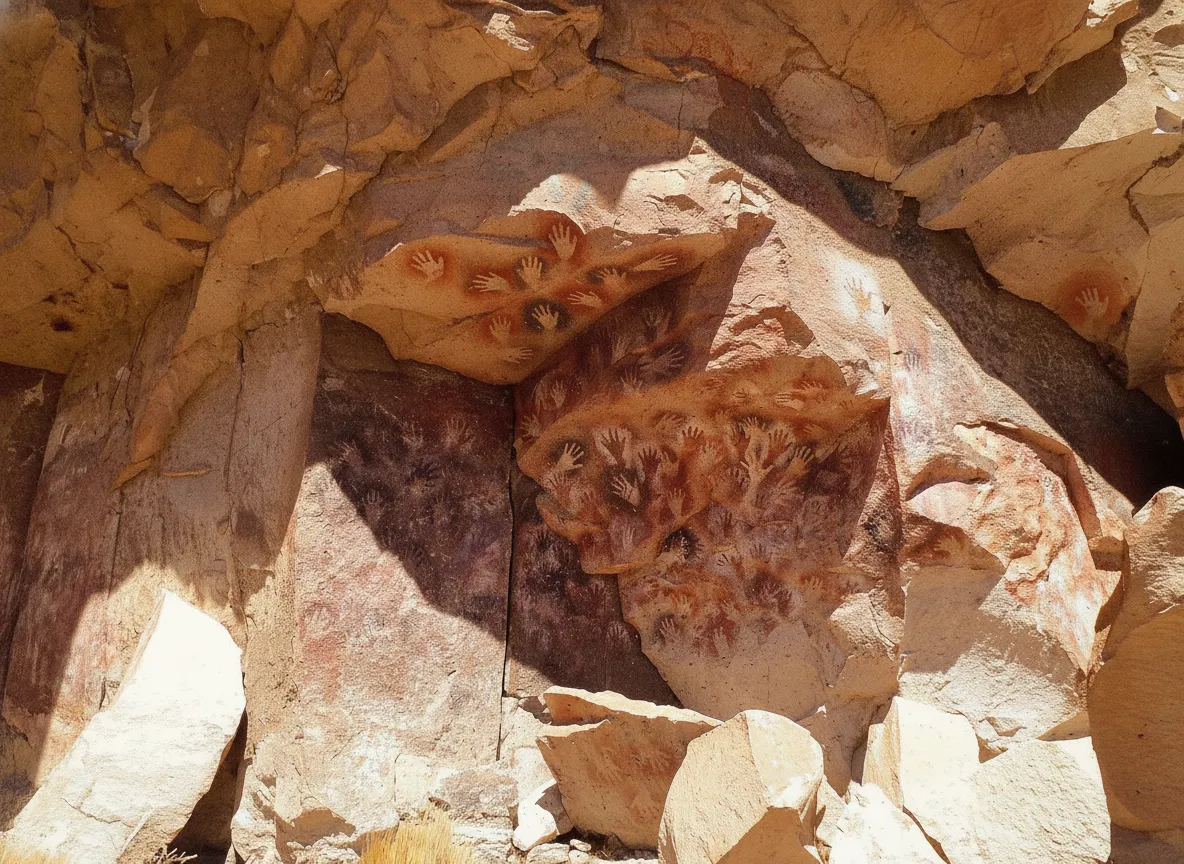
Cueva de las Manos is more than just an archaeological site; it's a profound journey into the very essence of human creativity and resilience. It's a place that transcends language and culture, offering a universal message of our shared past. To stand before these ancient hands, gazing out at the vast, wild Patagonian landscape, is to feel a powerful, humbling connection to the ancestors who once called this incredible place home. It's an adventure for the soul, a reminder that some of the greatest treasures lie hidden, waiting to be discovered by those willing to venture off the beaten path.
So, if your spirit yearns for discovery, for a brush with deep history in a landscape of unparalleled beauty, let Cueva de las Manos be your next extraordinary destination. It’s an experience that will stay with you long after you’ve left the windswept plains of Patagonia.
Essential Travel Information
- Location Cueva de las Manos (Cave of the Hands), Argentina
- Best Time December to February (Patagonian summer) for best weather; shoulder seasons (Oct-Nov, Mar-Apr) for fewer crowds.
- Getting There Access via gravel roads (RP 40 & RP 99) from Perito Moreno or Bajo Caracoles. A 4x4 or organized tour is highly recommended. Nearest major tourist hub is El Calafate (a long drive).
- Airport El Calafate International Airport (FTE) for international travelers, then a long drive. Perito Moreno Airport (PMQ) is closer but has limited flights.
- Budget Mid-range to High-End Adventure (due to remoteness, transportation, and potential tour costs). Approximate daily cost: $150-$300+ USD depending on transport and accommodation choices.
- Language Spanish
Find Places to Stay Near Cueva de las Manos (Cave of the Hands)
Compare hotels, hostels, and unique stays in Argentina.
Search AccommodationTours & Experiences Near Cueva de las Manos (Cave of the Hands)
Book guided tours, day trips, and unique experiences.
Browse Tours