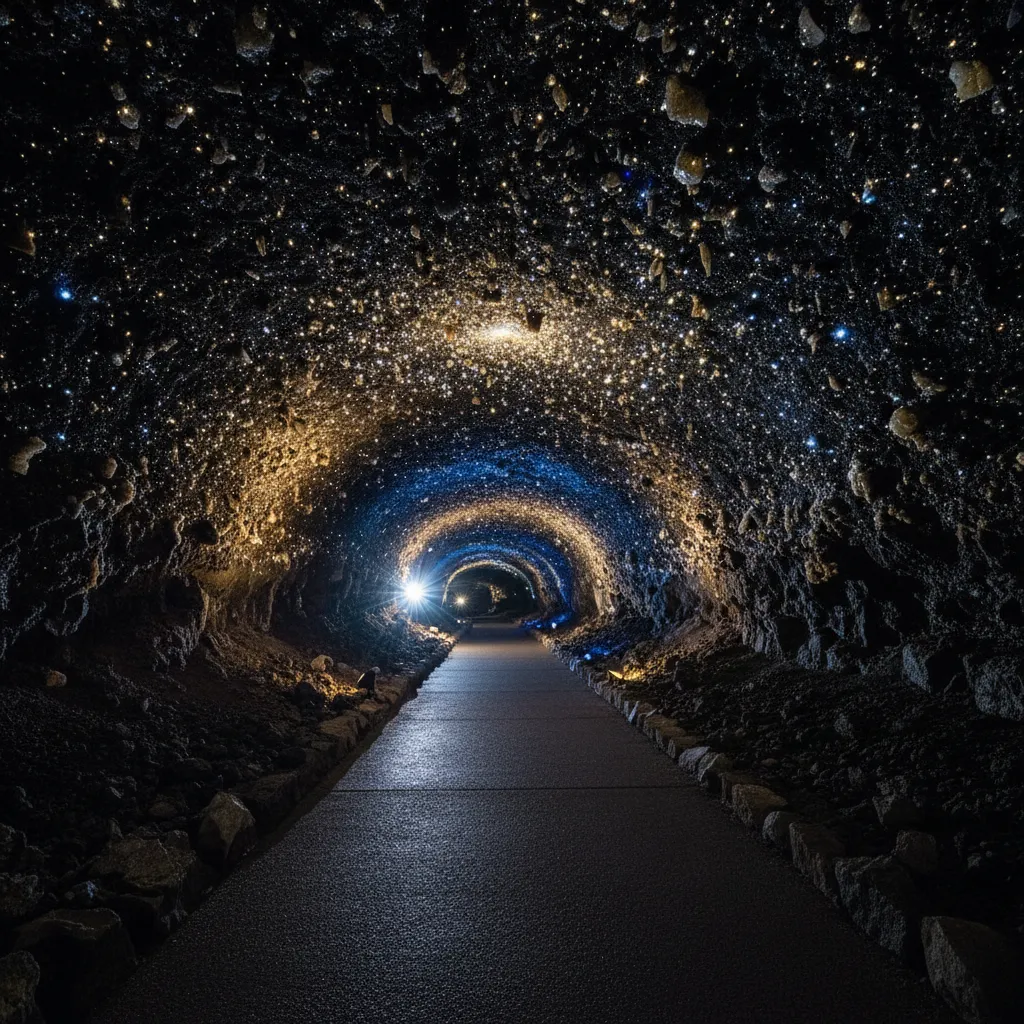
Deep beneath a remote volcanic island, a hidden lava tube morphs into a subterranean galaxy, where countless specks of light glitter like stars across a midnight sky. Imagine stepping into a world untouched by time, where the very Earth breathes, and ancient volcanic forces have sculpted a masterpiece of light and shadow. This isn't science fiction; this is Cueva del Indio, also known as Cueva de Don Justo, a geological marvel nestled within the youngest and most untamed of Spain's Canary Islands: El Hierro.
El Hierro, a UNESCO Biosphere Reserve, is a sanctuary for those seeking raw, untamed nature far from the bustling tourist hubs. It's an island where dramatic cliffs plunge into the Atlantic, ancient juniper trees twist into surreal sculptures, and the air hums with a quiet energy. But it's beneath this verdant, volcanic surface that El Hierro truly reveals its most astonishing secret: an immense, pristine lava tube system that promises an adventure unlike any other. If you've ever dreamt of exploring another planet, prepare yourself – because this hidden gem offers a journey to an otherworldly realm right here on Earth.
Unveiling the Subterranean Cosmos: What Makes Cueva del Indio So Special?
What sets Cueva del Indio apart from other caves isn't just its impressive scale – it's one of the longest lava tube systems in Europe – but a truly magical optical illusion it hosts. Within its dark, primal labyrinth, specific mineral formations, often secondary minerals deposited by seeping water, catch and reflect light in such a way that they create the breathtaking impression of a vast, sparkling cosmos. It's this phenomenon that has earned one section the poetic moniker 'Starry Night Cave', or 'Cueva del Indio' (Cave of the Indian, likely referring to the indigenous Guanche people who once inhabited the Canaries, though the exact origin of the name for this specific cave is debated and sometimes linked to a local legend or even a misinterpretation of a geological feature).
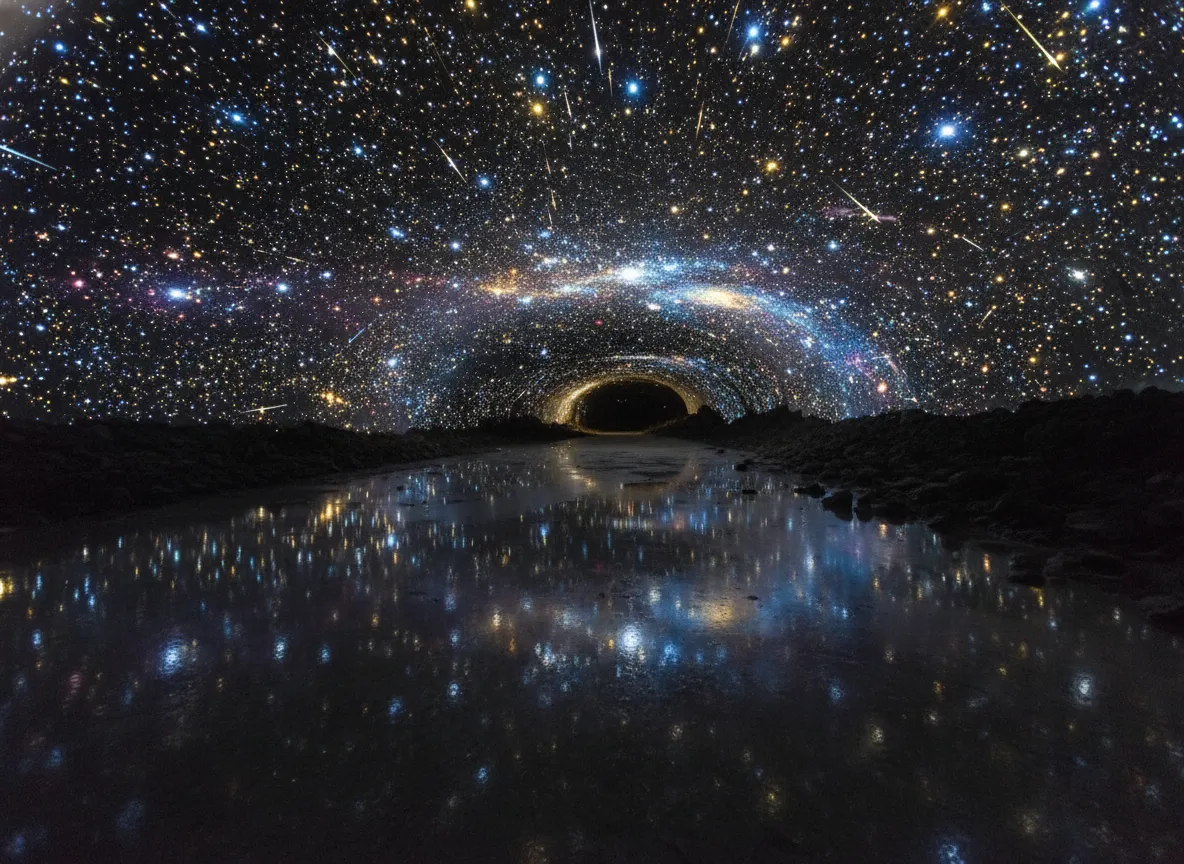
Think about it: millions of tiny, reflective crystals, born from the very rock itself, scatter the beam of a headlamp, transforming the cave ceiling and walls into a sprawling, glittering expanse. It's an immersive experience that transcends mere cave exploration; it’s like floating through a nebula, observing distant galaxies from a unique vantage point. This isn't just a cave; it's a geological observatory, a natural planetarium forged by the Earth's fiery heart. The sheer volume and pristine condition of this lava tube system make it an invaluable site for geologists and a source of profound wonder for anyone lucky enough to enter.
Forged by Fire: A Geological Masterpiece and Its Ancient Story
The story of Cueva del Indio is inextricably linked to the dramatic geological history of El Hierro itself. As the youngest of the Canary Islands, El Hierro is a testament to the ongoing power of volcanic activity. This island rose from the Atlantic depths through countless eruptions over millions of years, and Cueva del Indio (officially known as Cueva de Don Justo, named after a local farmer) is a direct result of these ancient fiery events.
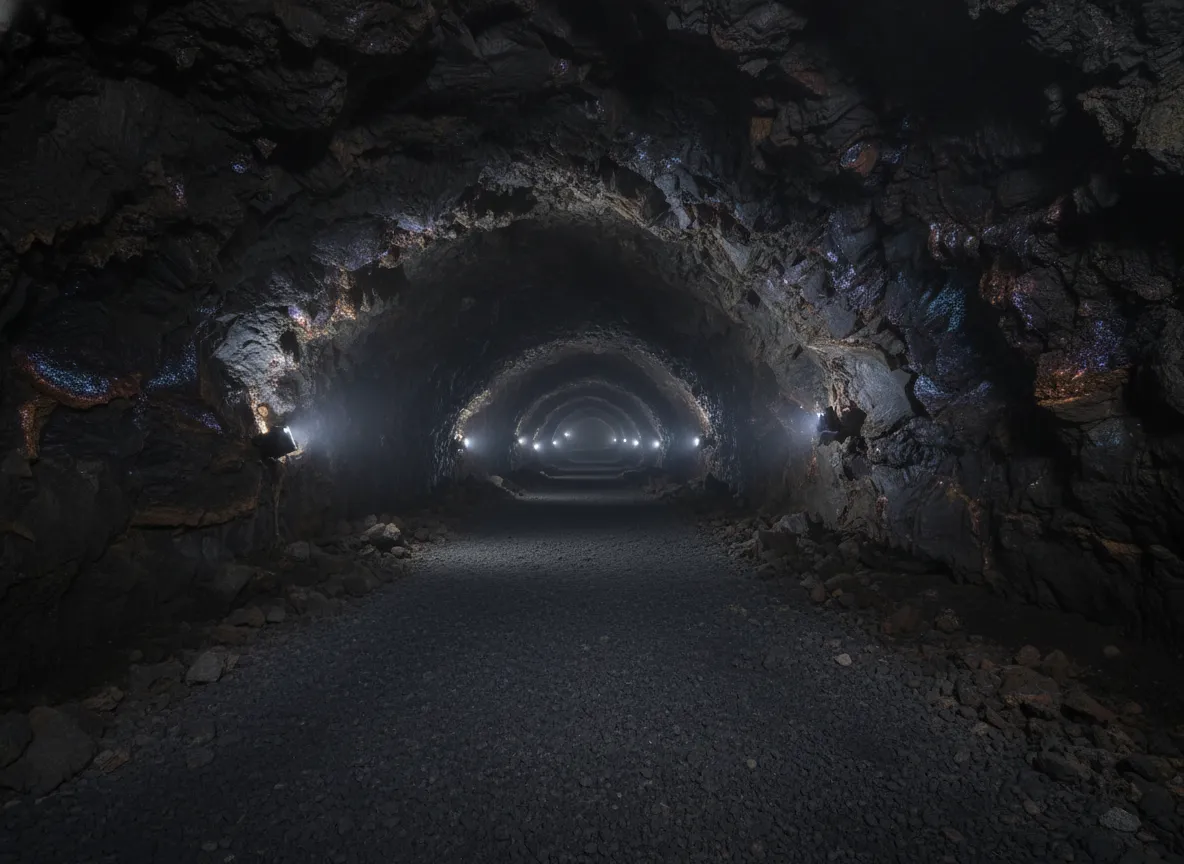
Lava tubes form during effusive volcanic eruptions when molten lava flows downhill. The surface of the lava stream cools and solidifies, forming a crust, while the hotter, still-liquid lava continues to flow underneath. When the eruption ends and the lava drains out, it leaves behind a hollow tunnel – a lava tube. The Cueva de Don Justo system is a complex network of these tunnels, some stretching for kilometers, showcasing incredible features like lavafalls, stalactites and stalagmites formed from cooling lava (known as lavacicles and lavagmites), and intricate flow patterns etched into the walls. Exploring it is like stepping into the Earth's circulatory system, witnessing the very pathways that once carried the lifeblood of this volcanic island.
El Hierro remains geologically active, with recent seismic activity reminding us of the forces that continue to shape this dynamic land. This ongoing geological evolution contributes to the unique mineral deposits and the pristine environment found within the cave, making it a living laboratory and a breathtaking natural sculpture.
What Awaits Within: A Journey Through El Hierro's Primal Heart
Your journey into Cueva del Indio begins with a descent, leaving the warm Canarian sun behind for the cool, constant embrace of the subterranean world. As your eyes adjust to the dim light provided by your headlamp, the sheer scale of the cavern begins to reveal itself. The air is still, carrying the faint, earthy scent of minerals and damp rock. The silence is profound, broken only by the drip of water and the hushed whispers of your guide.
You'll traverse ancient lava flows, sometimes walking, sometimes ducking, sometimes squeezing through narrower passages that open into vast chambers. Each step takes you deeper into the island's core, revealing new geological wonders. You might see ropes of solidified lava clinging to the ceiling, known as "lavacicles," or smooth, undulating walls sculpted by the molten rock that once flowed here. The textures are incredible, ranging from rough, jagged sections to glassy, iridescent surfaces that glimmer even without the "starry night" effect.
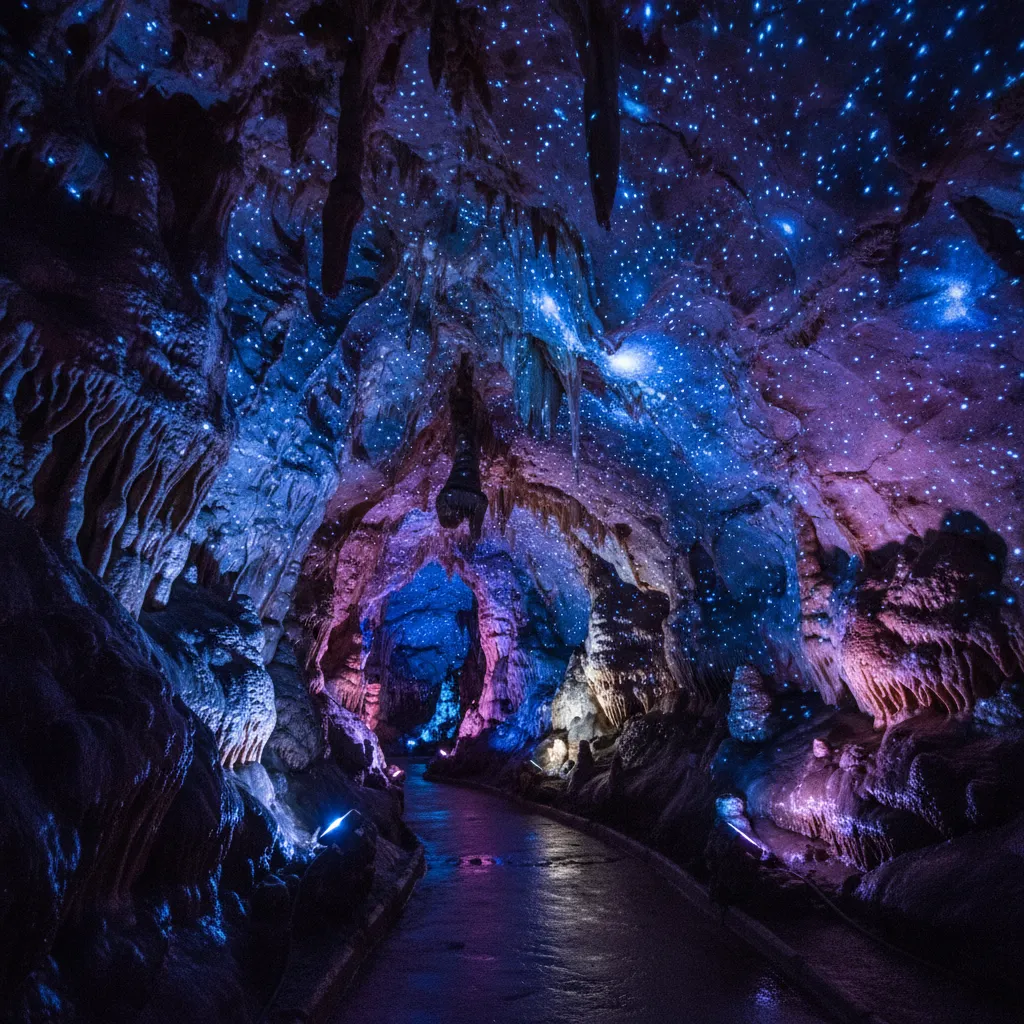
But the true magic unfolds when you reach the 'Starry Night Cave' section. Here, your guide will expertly direct the light, and suddenly, the ceiling above you explodes into a dazzling display. Thousands upon thousands of tiny, reflective crystals embedded in the rock catch the light, creating the illusion of a boundless night sky, utterly devoid of light pollution. It's a moment that takes your breath away – a genuine "wow" factor that makes the entire journey worthwhile. You'll feel a profound sense of awe, a connection to the immense forces that shaped this planet, and a humbling realization of the hidden beauty that lies beneath our feet.
Beyond the cosmic spectacle, you'll encounter other unique formations, perhaps even tiny, specialized cave ecosystems, though the primary draw remains the geological grandeur. The experience is meditative, exhilarating, and deeply moving, leaving an indelible mark on your memory.
Preparing for Your Subterranean Adventure: Practical Tips for Visiting Cueva del Indio
Given its pristine nature and geological significance, Cueva del Indio is not a free-for-all tourist attraction. Exploring its otherworldly beauty requires special permits and, crucially, an experienced, authorized guide. This controlled access is vital for preserving its delicate ecosystem and ensuring the safety of visitors, maintaining its mystique and untouched feel.
Permits & Booking: Access is highly restricted. You cannot simply show up. You must book your visit well in advance through authorized local speleology groups or designated tour operators on El Hierro. Group sizes are very small, often limited to just a handful of people per expedition, making it an incredibly intimate experience. Check with the El Hierro Tourism Board or local adventure companies for current booking procedures.
Fitness Level: A moderate level of physical fitness is required. You'll be walking, stooping, sometimes crawling, and navigating uneven terrain in the dark. It's not suitable for individuals with severe claustrophobia, mobility issues, or very young children.
What to Wear & Bring:
- Sturdy, closed-toe hiking boots with good grip are essential.
- Wear comfortable clothing that you don't mind getting a little dirty. Layers are recommended as the cave temperature is constant and cooler than outside.
- Helmets and headlamps are typically provided by the tour operator.
- A small backpack for water and perhaps a snack is a good idea. Leave valuables or anything you don't want to risk damaging behind.
Respect the Environment: This is a fragile natural wonder. Follow your guide's instructions implicitly. Do not touch formations, leave any litter, or disturb the cave environment in any way. Flash photography might be restricted in certain areas to protect sensitive formations or the "starry night" effect.
Best Time: El Hierro enjoys a mild climate year-round, so the cave can be visited in any season. However, booking during the shoulder seasons (spring or autumn) might offer slightly fewer crowds on the island generally, though cave tour groups are always small.
Beyond the Cave: Discovering El Hierro's Otherworldly Charms
While Cueva del Indio is undoubtedly a highlight, El Hierro offers a wealth of other unique experiences that make a visit to this remote island truly unforgettable. Spend a few days exploring its dramatic landscapes, from the windswept El Sabinar forest with its iconic gnarled juniper trees, to the stunning Mirador de la Peña viewpoint designed by César Manrique, offering panoramic views of the El Golfo valley.
Dive into the crystal-clear waters of La Restinga Marine Reserve, renowned as one of Europe's top diving destinations, teeming with vibrant marine life. Relax in the natural volcanic swimming pools like Charco Azul or La Maceta, where the Atlantic waves crash into sheltered lagoons. El Hierro is also a pioneer in renewable energy, aiming to be 100% self-sufficient, adding another layer to its appeal as an eco-conscious destination.
Combining the subterranean wonder of Cueva del Indio with the island's above-ground beauty creates a travel experience that is both adventurous and deeply rejuvenating. El Hierro is a place where you can disconnect from the ordinary and reconnect with nature's extraordinary power.
Cueva del Indio isn't just a cave; it's a journey into the heart of a volcanic island, a glimpse into geological time, and a moment of profound cosmic wonder. It's a reminder that some of the most spectacular sights on Earth are often the best-kept secrets, waiting to be discovered by those willing to venture off the beaten path. If you're seeking an adventure that will truly broaden your horizons and leave you spellbound, add this subterranean galaxy to your travel wish list. Trust me, you won't regret it.
Essential Travel Information
- Location Cueva del Indio (Cueva de Don Justo), Spain
- Best Time Year-round (mild climate), but shoulder seasons (spring/autumn) might offer fewer crowds on the island.
- Getting There Fly to El Hierro Airport (VDE) from Tenerife North (TFN) or Gran Canaria (LPA). Rent a car to reach the cave's vicinity (exact location kept somewhat discreet, guided tours will provide meeting points).
- Airport El Hierro Airport (VDE)
- Budget Mid-range (expect €50-€100+ daily for accommodation, food, and cave tour costs can be significant due to specialized guiding).
- Language Spanish
Find Places to Stay Near Cueva del Indio (Cueva de Don Justo)
Compare hotels, hostels, and unique stays in Spain.
Search AccommodationTours & Experiences Near Cueva del Indio (Cueva de Don Justo)
Book guided tours, day trips, and unique experiences.
Browse Tours